Thailand Tooth Extraction for Managing Tooth Decay Issues
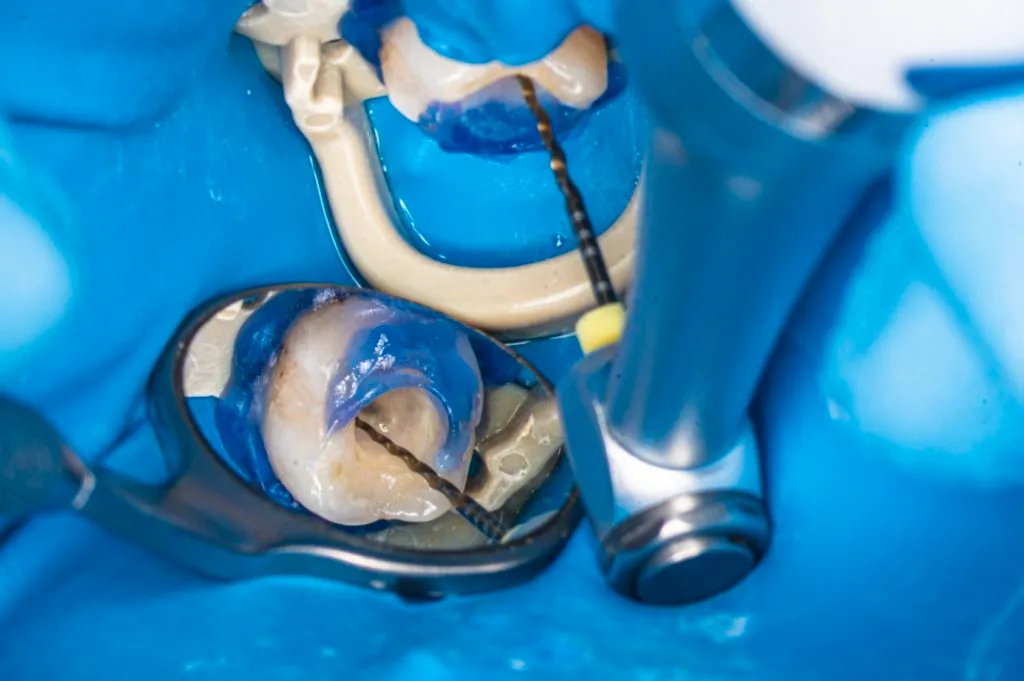
Thailand Tooth Extraction for Managing Tooth Decay Issues
**Thailand Tooth Extraction for Managing Tooth Decay Issues**
Tooth decay is one of the most common dental problems in Thailand, and for many people, it can become serious enough to require a tooth extraction. While most Thai dentists encourage saving the natural tooth whenever possible, sometimes removing it is the best way to restore oral health and prevent further complications. Whether you live in Bangkok, Chiang Mai, Phuket, or any other province, understanding how tooth extraction works in Thailand and what to expect can help ease the fear and make your treatment smoother.
### Understanding Tooth Decay Problems in Thailand
Tooth decay, known locally as “ฟันผุ” (fun phu), develops when bacteria in the mouth produce acids that damage the enamel and dentin layers of the tooth. Common causes include frequent consumption of sugary drinks, poor brushing habits, and skipping regular dental checkups. With Thailand’s love for sweet foods and beverages like iced coffee or bubble tea, many people are more prone to developing cavities if proper oral hygiene is not maintained.
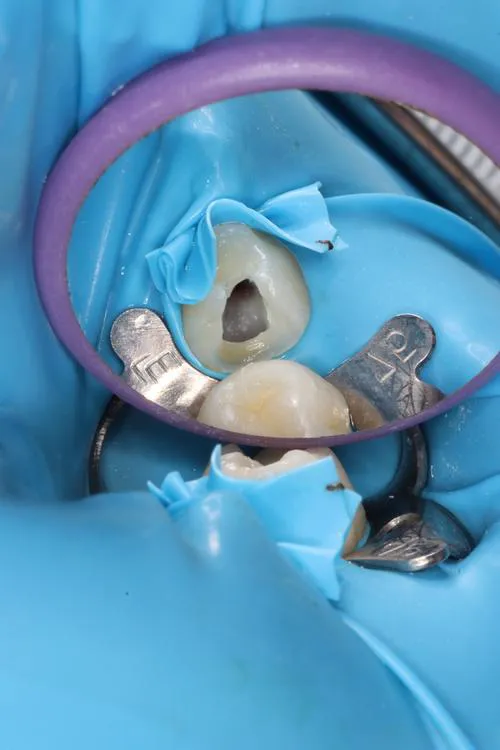
At the early stage, dentists can treat tooth decay with fillings or root canal therapy. But when the decay has spread too deeply or caused an infection reaching the root, tooth extraction becomes the most practical solution to stop the problem from worsening.
### When Tooth Extraction Is Recommended
Thai dentists follow international dental protocols to decide whether extraction is necessary. Generally, extraction is recommended when:
- The tooth is extensively damaged or fractured beyond repair.
- Severe infection or abscess has formed under the gums.
- There is overcrowding before orthodontic treatment.
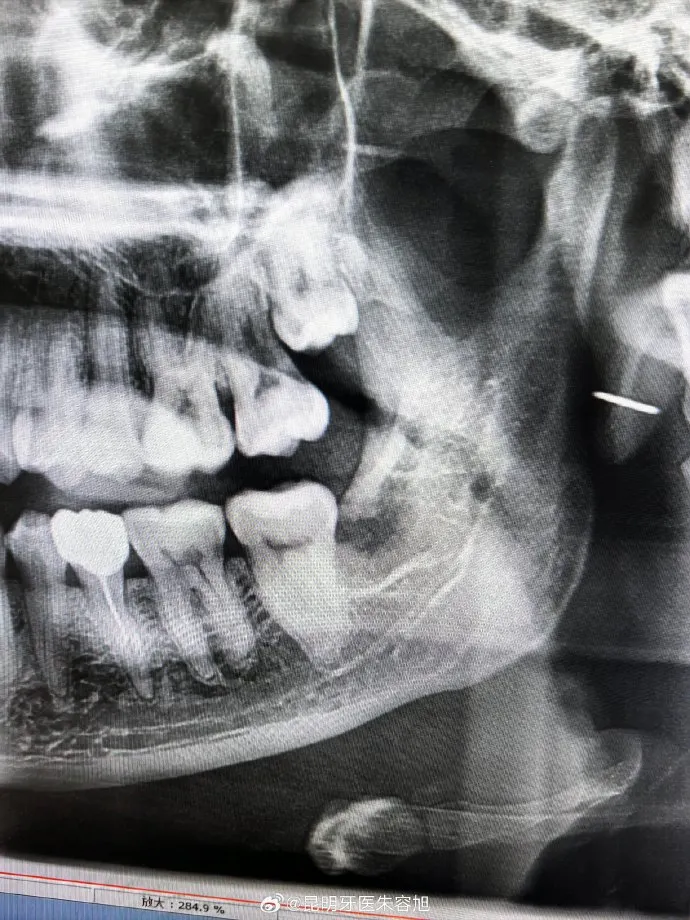
- Wisdom teeth are impacted or growing in at the wrong angle.
In local dental clinics, especially in Bangkok’s Sukhumvit area or Chiang Mai’s Nimmanhaemin Road, you’ll find modern facilities equipped for both simple and surgical extractions.
### The Tooth Extraction Process in Thailand
If your dentist determines that extraction is the best option, they will first take digital X-rays to check the position of your tooth roots and surrounding bone condition. Then, they will explain the procedure and the aftercare steps, often using bilingual communication in Thai and English.
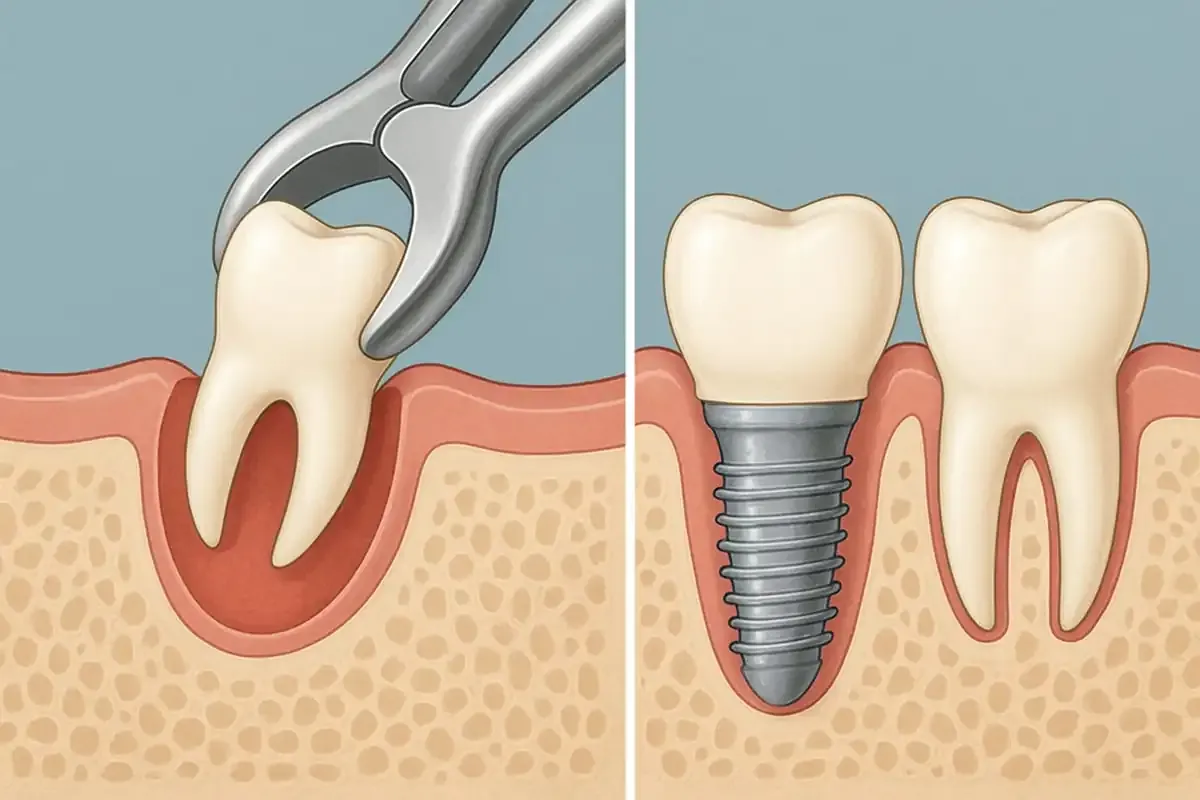
For a simple extraction, the dentist numbs the area with local anesthesia, uses special tools to loosen the tooth, and carefully removes it. You might feel gentle pressure but no pain during the process. The procedure usually takes about 15 to 30 minutes.
For surgical extractions, often needed for wisdom teeth or broken roots, a minor incision is made in the gum to access the tooth. This process may take a bit longer, but modern Thai dental clinics use advanced equipment and sterilization techniques to make it safe and comfortable.
### Cost of Tooth Extraction in Thailand
The cost of tooth extraction in Thailand is relatively affordable compared to Western countries. On average:
- Simple tooth extraction costs around 800–1,500 THB per tooth.
- Surgical extraction, including wisdom tooth removal, ranges from 2,000–5,000 THB or more depending on complexity.
Many dental clinics in Thailand—especially those catering to expats and dental t
ourists—offer clear pricing and package rates. If you have dental insurance, check whether extractions are covered to save even more.
### Recovery and Aftercare Tips
After tooth extraction, proper aftercare is crucial to ensure smooth healing and prevent infection. Thai dentists usually provide a set of guidelines, such as:
1. Bite gently on the gauze pad for 30–45 minutes to control bleeding.
2. Avoid rinsing or spitting forcefully within the first 24 hours.
3. Eat soft foods such as *khao tom* (boiled rice soup) or smoothies for the first day.
4. Avoid using a straw or smoking to prevent dry socket.
5. Take prescribed antibiotics or painkillers as directed.
Within a few days, swelling and discomfort should subside. If you experience severe pain or persistent bleeding, it’s best to revisit your dentist immediately.
### Replacement Options After Extraction
Leaving a gap after a tooth extraction can lead to shifting teeth, bone loss, or bite imbalance. Thai dentists often recommend tooth replacement solutions such as:
- **Dental implants:** Very popular in Bangkok and Phuket, offering a natural look and long-term stability.
- **Dental bridges:** Suitable for replacing one or two missing teeth.
- **Partial dentures:** More affordable and removable for daily convenience.
Discuss with your dentist which replacement option best fits your budget and oral health condition.
### Why Choose Thailand for Tooth Extraction
Thailand has become a leading destination for dental care in Asia. Patients appreciate not only the affordable treatment costs but also the high standard of care provided by well-trained Thai dentists. Most dental clinics in major cities have English-speaking staff, modern sterilization systems, and internationally recognized hygiene standards.
For dental tourists, combining treatment with a Thai holiday is an added benefit. You can enjoy a beach getaway in Phuket or explore Chiang Mai’s temples while also getting your dental issues taken care of professionally.
### Maintaining Oral Health After Extraction
Preventing future tooth decay is the key to a healthy smile. Regular brushing, flossing, and using mouthwash can significantly reduce bacterial buildup. Visiting your dentist every six months for checkups and cleaning is also essential. Many Thai people now incorporate herbal toothpaste or mouthwash containing local herbs like *clove* or *guava leaf*, known for their antibacterial properties.
Additionally, balancing your diet by reducing sugary drinks and increasing calcium-rich foods like milk and tofu can strengthen your teeth naturally. These small lifestyle adjustments can help prevent the need for another extraction in the future.
### Final Thoughts
Tooth extraction may sound intimidating, but in Thailand, it’s a well-managed and comfortable procedure thanks to skilled dentists, modern technology, and patient-centered care. Whether you’re a local resident or visiting for dental tourism, you can expect quality treatment at a fair price and caring professionals who will guide you through every step. With proper oral hygiene and regular dental visits, tooth decay can be effectively managed, and your smile can remain healthy and confident for years to come.