Thailand Tooth Extraction for Dental Treatment Planning Guide
Thailand Tooth Extraction for Dental Treatment Planning Guide
**Thailand Tooth Extraction for Dental Treatment Planning Guide**
When it comes to dental care, Thailand has become one of Asia’s most trusted destinations for both local and international patients. From routine checkups to full-mouth restorations, one of the most common procedures done by Thai dentists is the tooth extraction. Understanding when and why an extraction is needed, and how it fits into a larger dental treatment plan, can make the entire journey smoother and more comfortable. This guide explores what you need to know about tooth extraction in Thailand, from planning to recovery.
---
### Understanding Tooth Extraction in Thailand
A tooth extraction is simply the removal of a tooth from its socket in the bone. In Thailand, dental clinics—from private practices in Bangkok to international hospitals in Chiang Mai or Phuket—use modern techniques and sterilization standards that meet global expectations. Most extractions are performed under local anesthesia, ensuring that the patient feels little to no pain during the procedure.
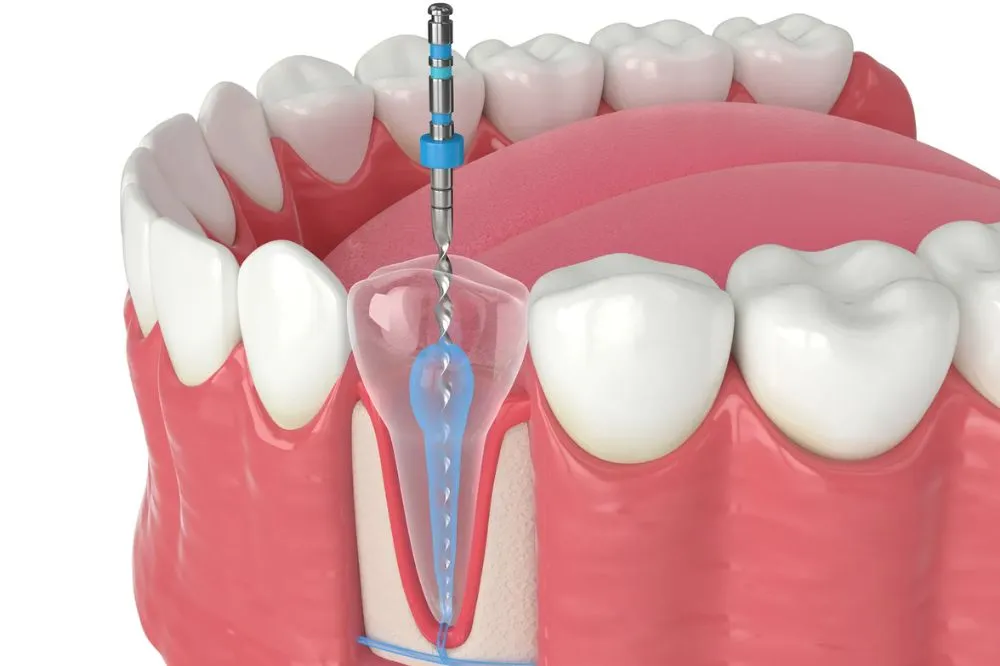
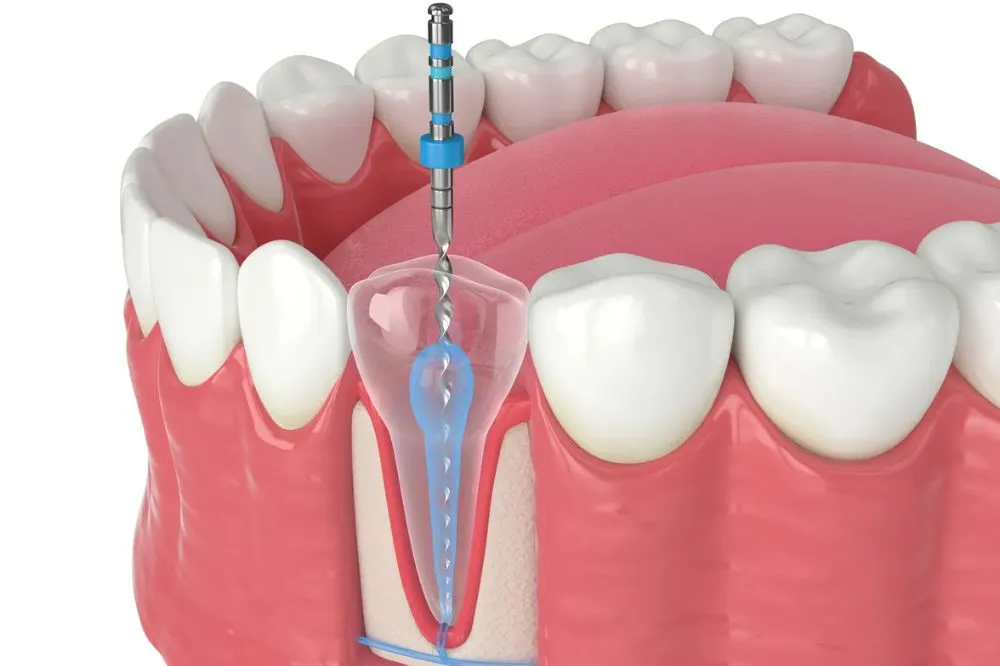
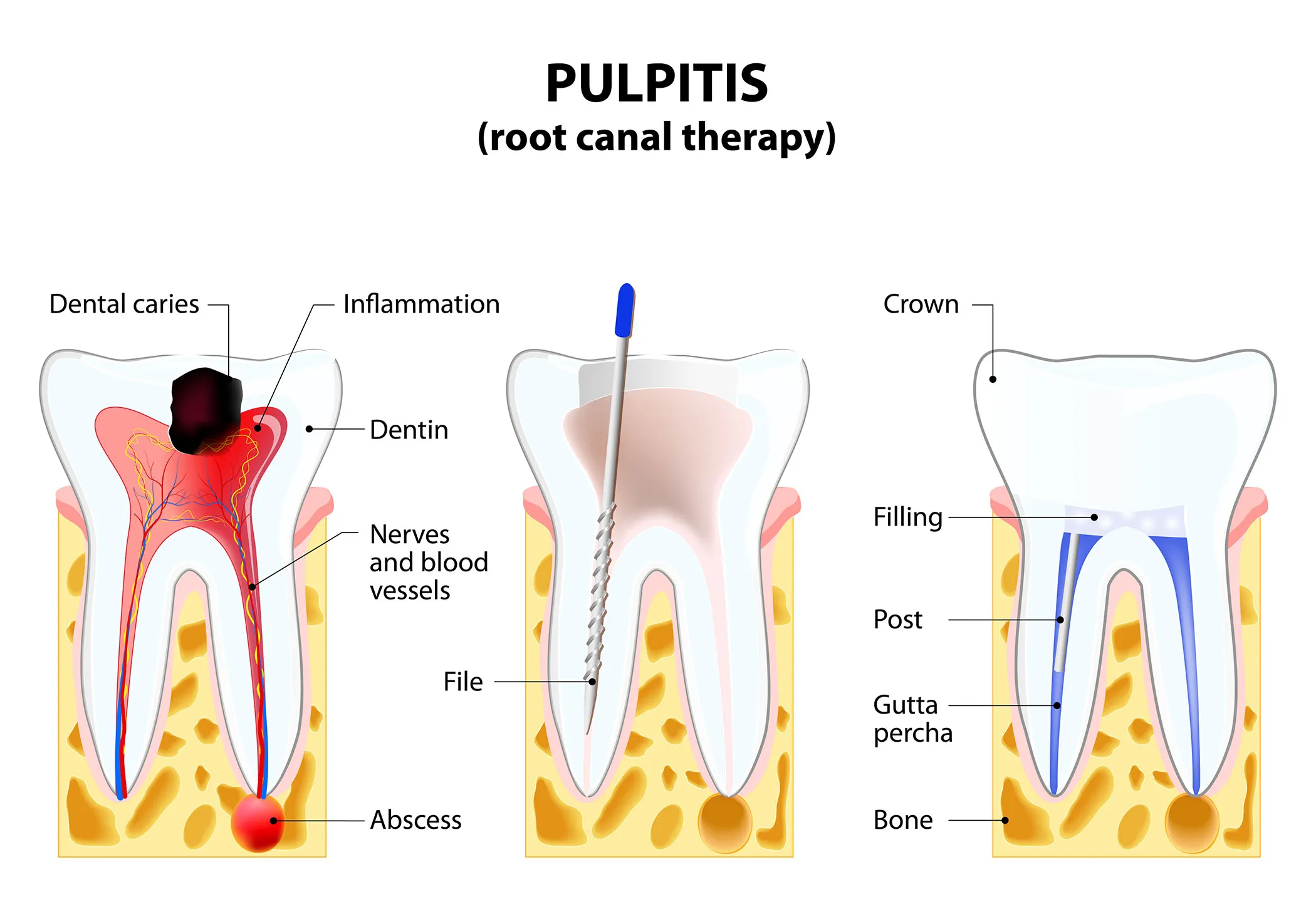
Thai dentists typically prioritize conservative treatments first, such as fillings, root canal therapy, or crowns. Extraction is often the last option if the tooth is badly decayed, infected, broken beyond repair, or if there is not enough bone support due to gum disease. Other times, extractions are done to prepare for orthodontic treatment, dentures, or dental implants.
---
### When Tooth Extraction Becomes Necessary
Several reasons may lead your Thai dentist to recommend removing a tooth:
1. **Severe Tooth Decay or Infection** – When decay reaches deep into the nerve and root, making restoration difficult.
2. **Periodontal (Gum) Disease** – Advanced gum infection can destroy the bone supporting the tooth.
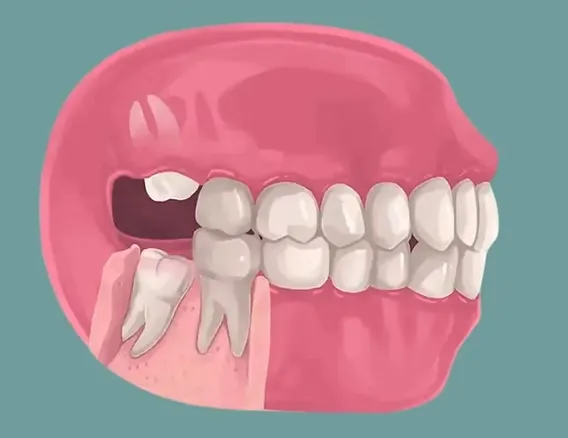
3. **Impacted Wisdom Teeth** – Many Thais and expats suffer from painful wisdom teeth that fail to erupt properly, causing swelling or misalignment.
4. **Orthodontic Space Management** – In braces treatment, removing certain teeth can help correct overcrowded smiles.
5. **Broken or Damaged Teeth** – If a fracture extends below the gum line, extraction may be necessary.
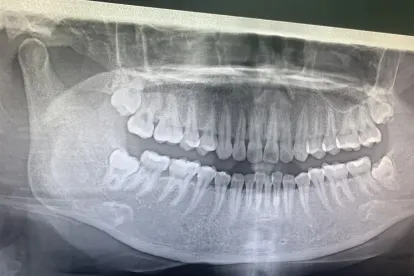
Before deciding, your dentist will usually conduct an X-ray and discuss various options. In Thailand, consultation fees and X-rays are generally affordable, making it easy to plan with flexibility.
---
### Tooth Extraction Procedure in Thai Clinics
The tooth extraction process in Thailand typically involves several steps:
**1. Examination and Planning**
Your dentist will first perform a detailed examination, discuss your medical history, and review any existing dental issues. They will identify whether the extraction will be simple or surgical (for impacted teeth or complex cases).
**2. Local Anesthesia**
A numbing injection is given to ensure a painless experience. Many Thai dentists are known for their gentle techniques, often making the process much smoother than expected.
**3. Tooth Removal**
For a simple extraction, the dentist loosens the tooth with an instrument called an elevator and gently removes it with forceps. For surgical extractions—common with wisdom teeth—small incisions and bone removal might be necessary.
**4. Cleaning and Stitching**
The socket is cleaned to prevent infection. In surgical cases, dissolvable stitches are placed to aid healing.
**5. Rest and Recovery Advice**
You’ll receive specific post-treatment instructions on caring for the wound, such as avoiding hard food and keeping the area
clean.
---
### Post-Extraction Care and Recovery
After extraction, proper care plays a major role in healing. In Thailand, dentists usually recommend biting a gauze pad for 30 minutes to stop bleeding and avoiding rinsing for the first 24 hours. You should eat soft foods like soup, congee (rice porridge), or smoothies during the initial days. Applying an ice pack can help manage swelling, while over-the-counter pain relief may be used as prescribed.
Most patients recover comfortably within a few days. For surgical extractions, healing might take a little longer. Follow-up appointments are arranged if necessary. Thai dental clinics often maintain friendly, follow-up communication — a hallmark of Thai-style hospitality that patients greatly appreciate.
---
### Integrating Tooth Extraction into a Full Dental Treatment Plan
A well-planned extraction is rarely just an isolated procedure. In many cases, it sets the foundation for future restorative or cosmetic work. In Thailand, dentists emphasize comprehensive treatment planning, meaning that each extraction fits into a bigger picture.
- **For Dental Implants** – After healing, implants can replace missing teeth to restore function and appearance.
- **For Dentures or Bridges** – Some patients prefer removable dentures or fixed bridges after extractions.
- **For Orthodontics** – If teeth are removed to correct alignment, braces or aligners can be fitted after the gums heal.
Thailand’s dental clinics are known for offering full treatment plans customized to each patient’s needs and budget. Many tourists take advantage of this by combining their dental trip with a holiday, a trend known as **dental tourism**.
---
### Cost and Accessibility in Thailand
One of the reasons Thailand stands out for dental extractions is affordability. Prices vary depending on the clinic and complexity, but generally range from **THB 800 to THB 3,000** for simple cases and up to **THB 5,000–10,000** for surgical ones. International hospitals may charge more, but they often include advanced equipment and English-speaking staff.
Patients in cities like Bangkok, Chiang Mai, Pattaya, and Phuket can easily find clinics with transparent pricing and high hygiene standards. Online reviews and clinic websites often list their price ranges, making comparison and planning straightforward.
---
### Choosing the Right Dentist in Thailand
Selecting the right dentist is crucial for a safe and successful procedure. Look for clinics that:
- Are certified by the **Dental Council of Thailand**.
- Use digital X-rays and modern sterilization systems.
- Offer clear pre- and post-treatment guidance.
- Provide English-speaking dentists for better communication.
Many Thai dentists have earned their degrees overseas, bringing international expertise while maintaining friendly and down-to-earth service typical of Thai culture.
---
### Final Thoughts
Tooth extraction might sound intimidating, but in Thailand, it’s performed with precision, care, and patient-centered attention. Whether you’re a local resident or a dental traveler looking for affordable and high-quality care, understanding the extraction process and how it fits into your treatment plan is the first step toward a healthy smile.
By combining professional dental standards, compassionate Thai care, and accessible pricing, **Thailand continues to shine as a leading destination for safe and effective tooth extraction and comprehensive dental treatment planning.**