Thailand Tooth Extraction What to Expect During Your Dental Visit
Thailand Tooth Extraction What to Expect During Your Dental Visit
**Thailand Tooth Extraction: What to Expect During Your Dental Visit**
Tooth extraction might sound scary to many people, but in Thailand, it’s actually a very common and straightforward dental procedure. Whether you’re a local or a foreigner seeking treatment, understanding what happens during a tooth extraction can help you feel more confident and relaxed. Thai dental clinics are known for their high-quality care, modern equipment, and friendly atmosphere—so there’s really nothing to worry about. Here’s what you can expect before, during, and after your dental visit for a tooth extraction in Thailand.
---
### Understanding When Tooth Extraction Is Needed
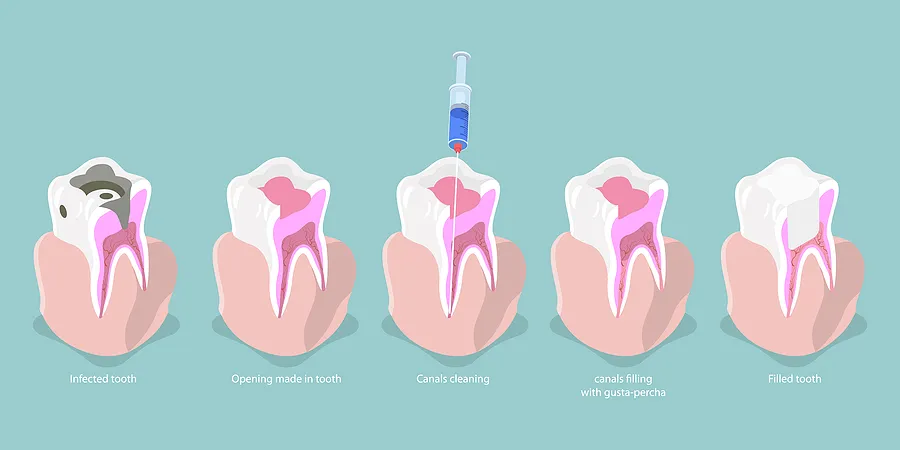
Dentists in Thailand recommend tooth extraction only when it’s truly necessary. Common reasons include severe tooth decay that cannot be repaired with a filling or crown, advanced gum disease, impacted wisdom teeth, or overcrowding that affects bite alignment. Sometimes, extracting one or more teeth is also recommended before getting braces to make space for proper alignment.
If you’re dealing with constant pain, swelling, or infection, it’s best to visit a dentist as soon as possible. Thai dental clinics usually accept walk-ins, but it’s always a good idea to make an appointment to avoid long waiting times, especially in popular clinics around Bangkok, Chiang Mai, or Phuket.
---
### Your First Dental Consultation
When you arrive at a dental clinic in Thailand, you’ll be greeted warmly—Thai hospitality extends even to dental care. The clinic staff will ask you to fill out a short health history form, and an examination will be done to check the condition of your tooth.
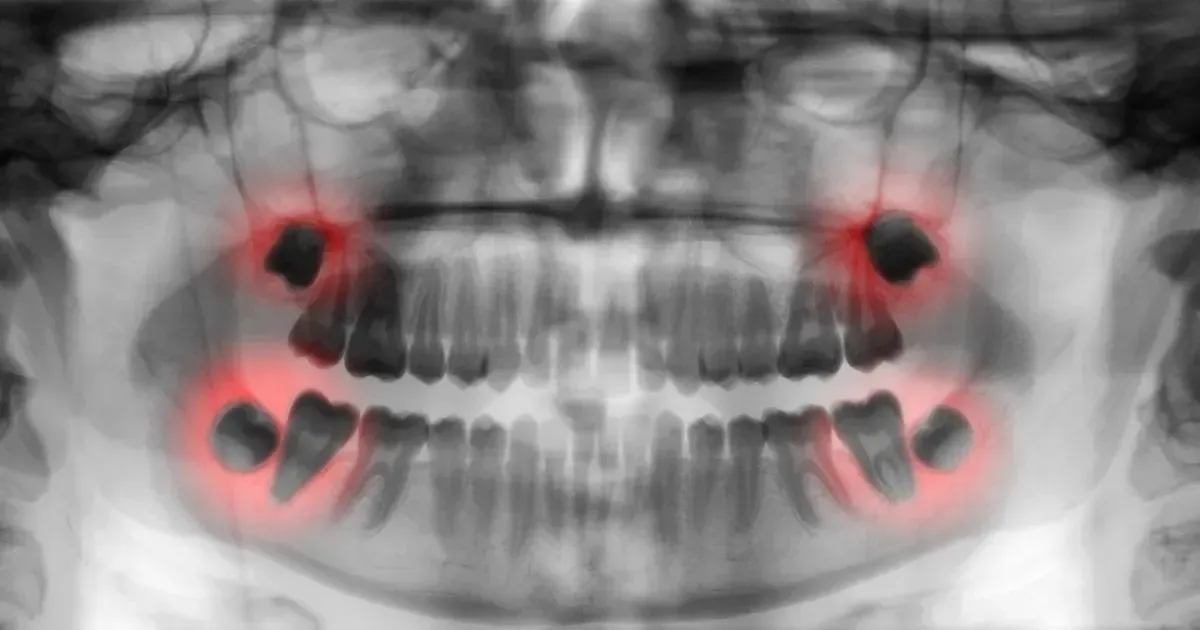
Most dentists will take a dental X-ray to assess the extent of the damage and to plan the extraction properly. The dentist will clearly explain what’s going on and discuss the extraction procedure. If you have any fears or concerns, don’t hesitate to ask questions—Thai dentists are generally friendly, gentle, and happy to explain everything in simple terms.
---
### Preparing for the Tooth Extraction
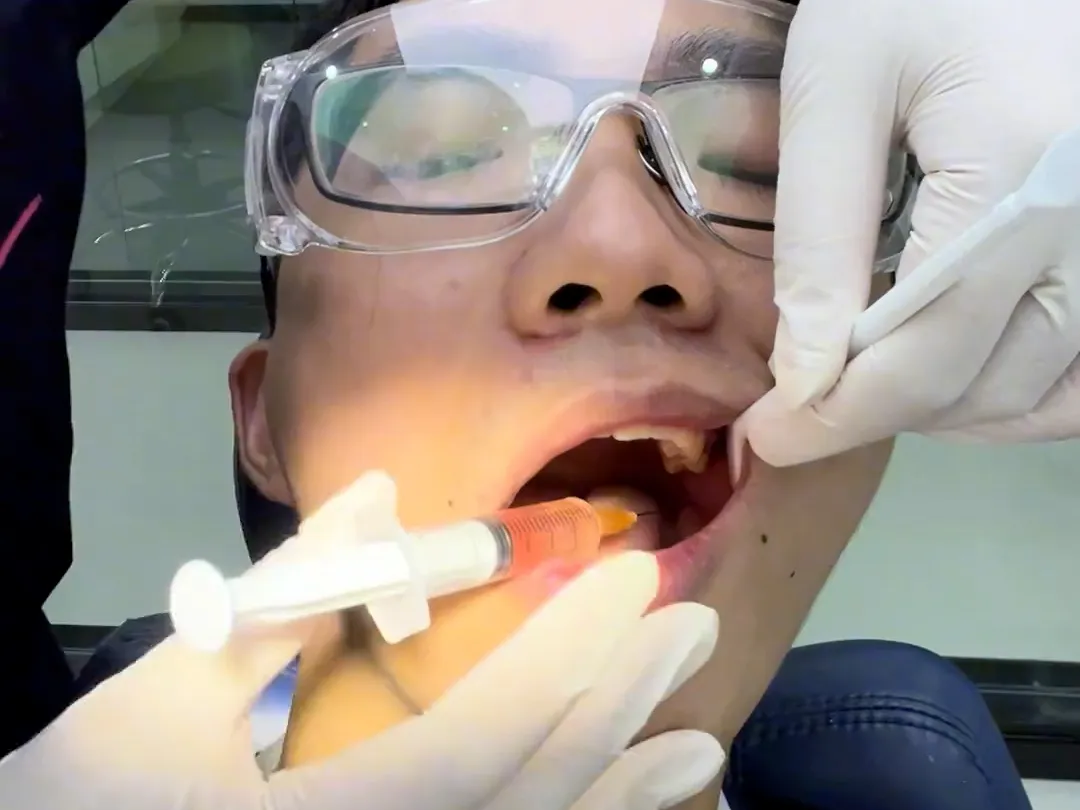
Before the extraction begins, the dentist will make sure you’re comfortable. You’ll be seated in a dental chair that reclines back smoothly, with bright overhead lighting. The dentist will then apply a local anesthetic injection to numb the area around the affected tooth.
You might feel a small sting during the injection, but after a minute or two, your mouth will become completely numb. This ensures that you won’t feel any sharp pain during the extraction process—just some gentle pressure.
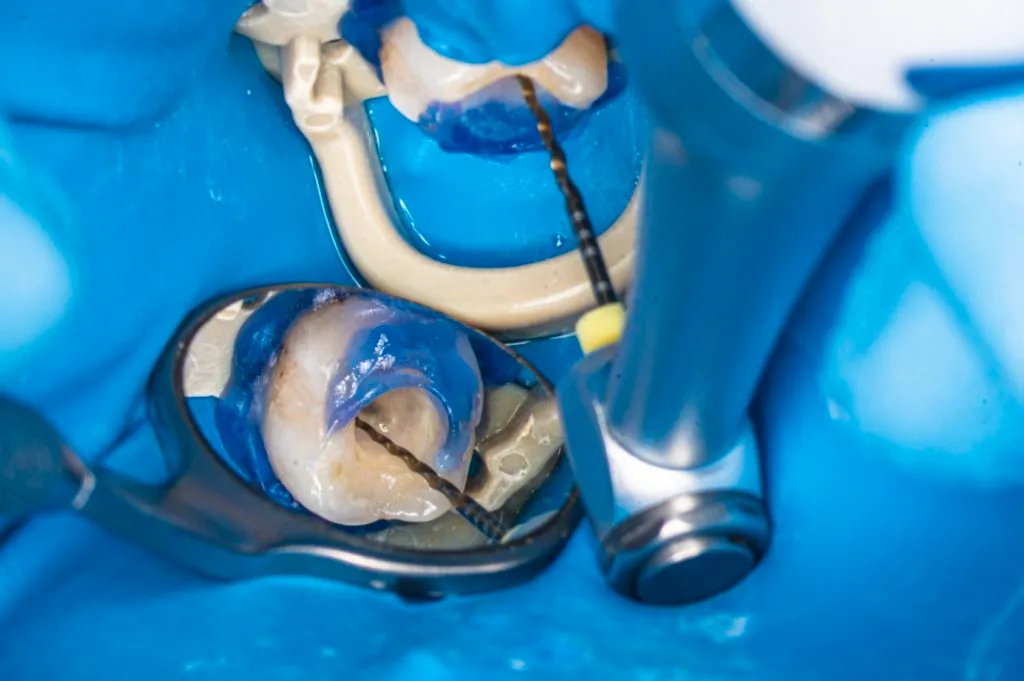
In Thailand, dentists take hygiene very seriously. You can expect all instruments to be sterilized, and gloves and masks are standard practice. Many modern clinics also use advanced tools that make the extraction smoother and faster.
---
### The Tooth Extraction Procedure Itself
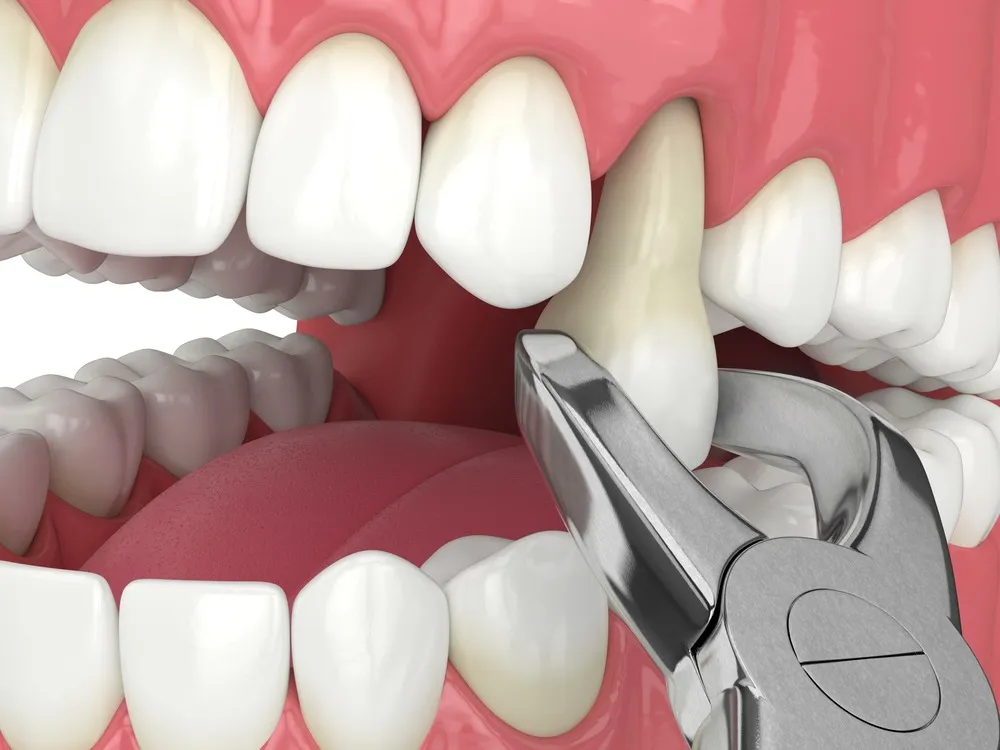
Once the anesthesia has taken effect, your dentist will use a special instrument called an elevator to loosen the tooth, followed by forceps to remove it carefully. The process u
sually takes just a few minutes for a simple extraction.
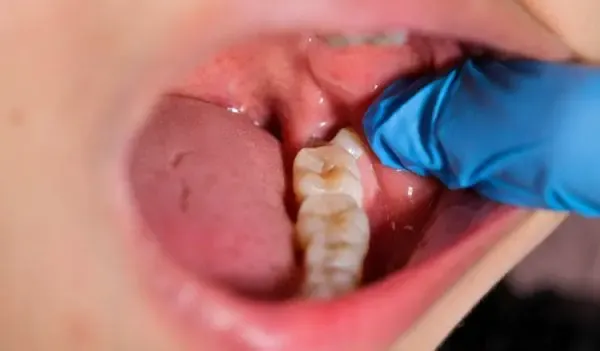
If your tooth is impacted (for example, a wisdom tooth that hasnt fully emerged), the dentist might need to make a small incision in the gum to remove it in sections. This is called a surgical extraction, and it’s also a routine procedure in Thai dental practices.
You’ll likely hear some cracking or popping sounds—that’s completely normal, not a sign of pain or damage. Throughout the process, the dentist and dental assistant will make sure you’re comfortable, and they’ll remind you to breathe slowly and relax.
---
### After the Tooth Extraction
Once your tooth is out, the dentist will place a piece of sterile gauze over the extraction site. You’ll be asked to bite down gently to help stop the bleeding. This usually takes 20 to 30 minutes. The dentist may give you clear instructions on how to care for your mouth, which typically include:
- Keep the gauze in place for a while and avoid spitting too much.
- Do not smoke, drink through a straw, or rinse vigorously for the first 24 hours.
- Eat soft foods like porridge or soup.
- Take prescribed painkillers or antibiotics as instructed.
Most people experience mild soreness for one or two days, but any discomfort can be managed easily with pain medication.
---
### Follow-Up and Recovery
Thai dentists usually schedule a follow-up appointment, especially if sutures were used. You can expect a quick check-up to make sure healing is progressing normally. Because Thailand’s healthcare standards are high, you’ll receive professional aftercare that’s both efficient and affordable.
For travelers or expats, this is one of the main reasons Thailand has become a hub for dental tourism—patients save money while receiving excellent treatment in a clean, modern environment.
---
### Cost of Tooth Extraction in Thailand
The cost varies depending on the type of extraction and the clinic’s location. Simple extractions generally range from 800 to 1,500 THB, while surgical extractions might cost between 2,000 and 5,000 THB per tooth. Even at the higher end, it’s still much cheaper than in many Western countries, and the quality of care is outstanding.
Many Thai clinics provide cost estimates upfront, so you always know what to expect. Payment methods are flexible—credit cards, cash, and even health insurance are often accepted.
---
### Final Thoughts
Having a tooth extracted in Thailand doesn’t have to be stressful. The dentists here combine gentle care with top-notch technology, making every step of the process feel smooth and comfortable. From the moment you walk into the clinic until the day you recover, you’ll experience the kind of professional, friendly service that makes Thai dental care stand out.
So, if you ever find yourself in need of a tooth extraction while in Thailand, you can rest assured—you’re in good hands. With the right preparation, a little patience, and following your dentist’s instructions, your smile will be back to normal in no time.