Thailand Tooth Extraction Procedure Steps Simplified for Tourists
Thailand Tooth Extraction Procedure Steps Simplified for Tourists
**Thailand Tooth Extraction Procedure Steps Simplified for Tourists**
If you’ve ever thought about combining a tropical holiday with affordable dental care, Thailand is one of the best places in the world to do it. Dental tourism here is booming because of skilled dentists, modern clinics, and prices that can be a fraction of what you’d pay in Western countries. Among the most common dental treatments that visitors seek is tooth extraction. Whether you have a decayed tooth, a problematic wisdom tooth, or need an extraction before an implant, understanding the process can help you feel calm and confident. Here’s a simplified guide to the tooth extraction procedure in Thailand, especially tailored for tourists.
### 1. Booking Your Appointment
In Thailand, booking a dental appointment is quick and convenient. Most clinics in Bangkok, Chiang Mai, Phuket, and Pattaya have English-speaking staff and responsive online booking systems. Many even offer WhatsApp or LINE chat for instant communication – something locals and expats love. If you’re staying at a hotel, the concierge can also help you make an appointment. Before booking, it’s smart to check online reviews and ensure the clinic is registered with the Thai Dental Council.
### 2. Initial Dental Consultation
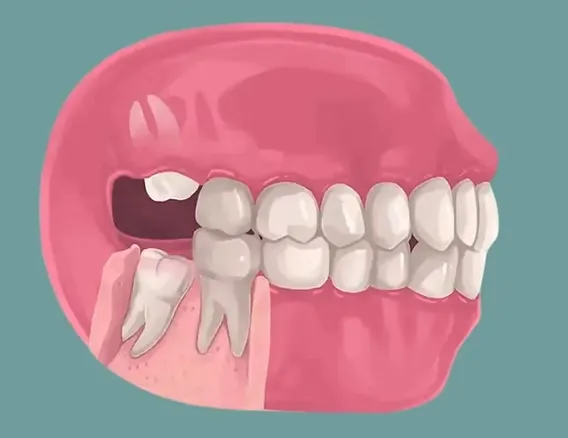
Your first visit will always start with a consultation. Expect a warm Thai welcome, and a friendly dentist who takes time to explain everything clearly. The consultation usually involves a short discussion of your dental history, current symptoms, and your expectations. X-rays or panoramic imaging may be taken to assess the tooth and surrounding bone structure. Most clinics in Thailand use advanced digital X-rays, allowing the dentist to identify whether a simple or surgical extraction is needed.
At this stage, you’ll also receive a detailed quotation. Prices are typically transparent – no hidden fees – and far lower than in countries like Australia, the UK, or the US. For example, a simple extraction might cost just a few hundred Thai Baht, while a surgical one could range higher depending on complexity.
### 3. Pre-Extraction Preparation
Once you decide to go ahead, your dentist will give you clear instructions to follow before the extraction. You might be advised to eat a light meal beforehand if you’re having local anesthesia, or to avoid food for several hours if sedation or general anesthesia is planned. If you’re on medication or have any medical conditions, such as high blood pressure or diabetes, inform the dentist in advance. Thai dentists are known for their gentle and respectful communication style, so don’t hesitate to ask questions.
### 4. Local Anesthesia and Numbing
On the day of the procedure, you’ll be made comfortable in a clean, air-conditioned clinic environment. The dentist will administer local anesthesia to numb the area around the tooth. Thai dentists are trained to make this process as painless as possible – they often chat with you softly or tell you to “relax, it’s not painful” with a friendly smile. Within a few minutes, the tooth and surrounding gum become completely numb. If you’re anxious, some clinics offer mild sedation or laughing gas, especially for surgical extractions.
### 5. The Tooth Extraction Proce
ss
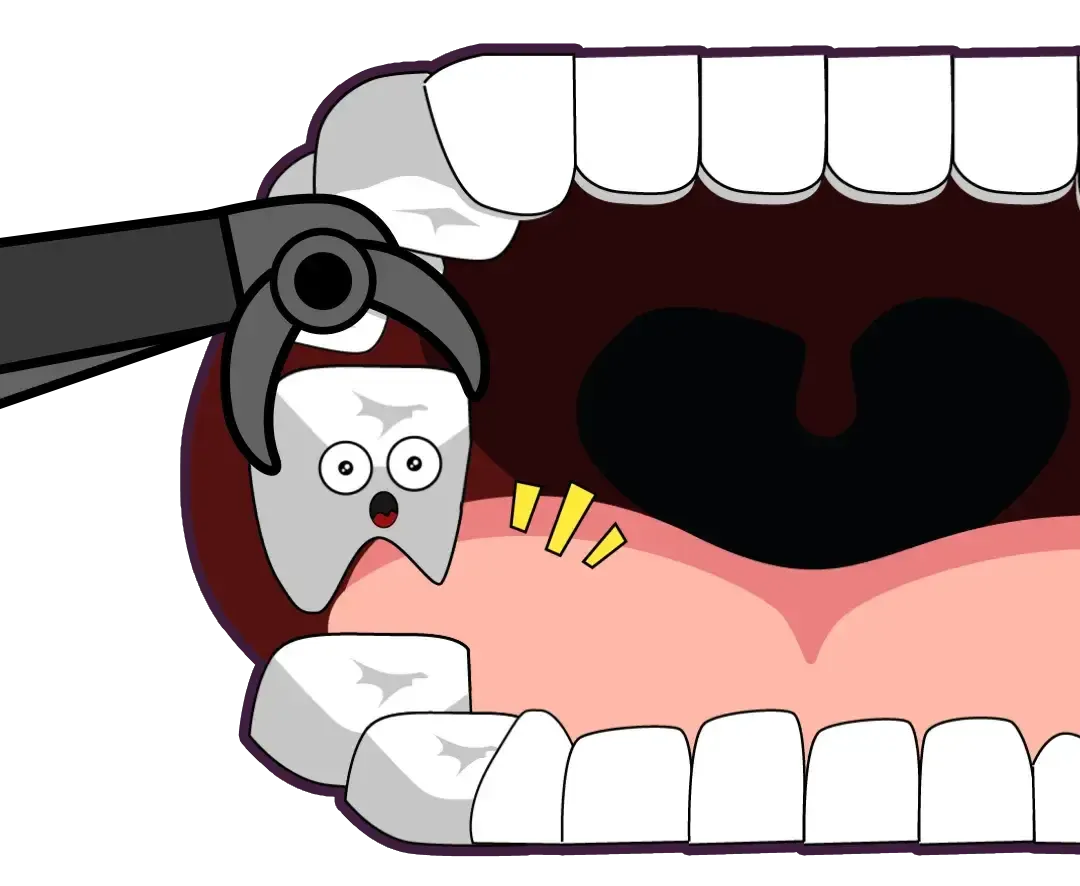
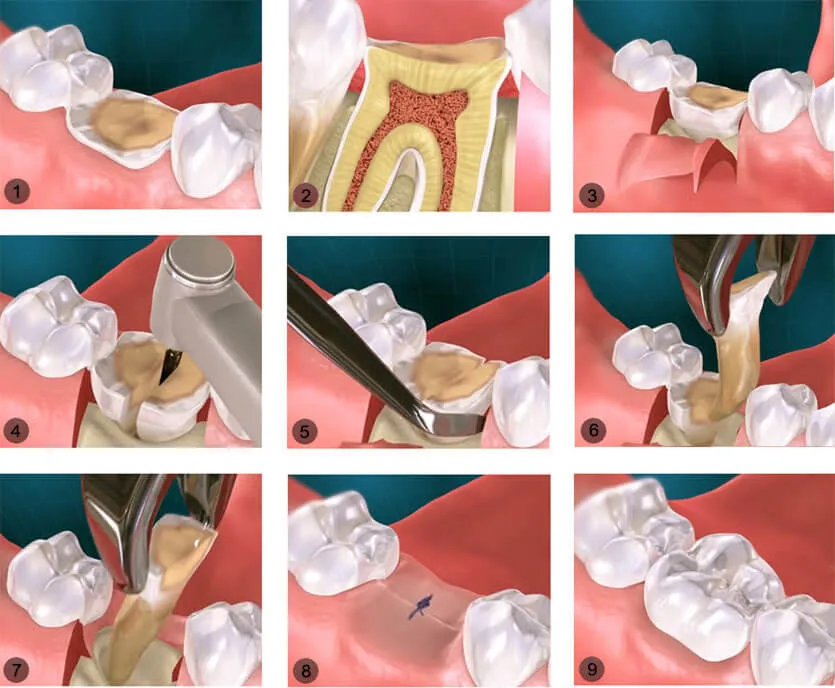
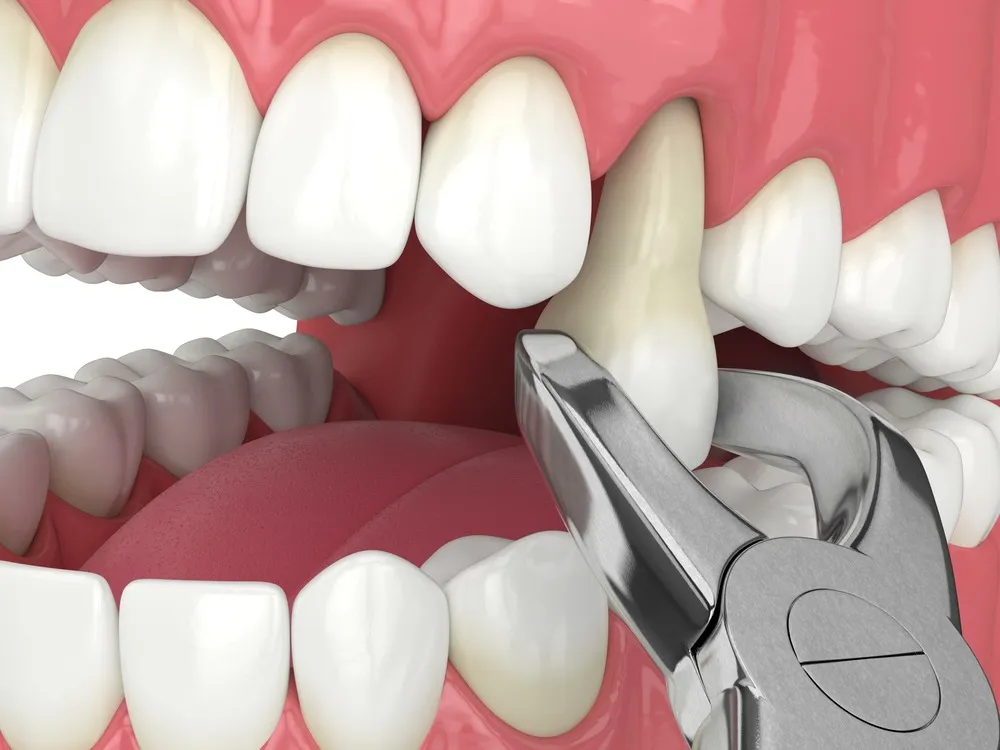
Once the area is fully numb, the dentist begins the extraction. For a simple extraction, special tools called elevators and forceps are used to gently loosen and remove the tooth. You’ll feel slight pressure but no pain. If the tooth is impacted or broken, a small surgical incision may be made in your gum. The dentist might remove the tooth in sections to minimize tissue damage.
Thailand’s modern dental clinics use advanced sterilization techniques and the latest tools to ensure safety and comfort. Many tourists are surprised by how quick and smooth the process is – often done in less than 20 minutes for a simple extraction.
### 6. Post-Extraction Care and Recovery
After removal, the dentist places a piece of sterile gauze over the socket and asks you to bite down to stop bleeding. You’ll rest for a bit before heading back to your hotel. Your dentist will give clear post-care instructions in English. Common advice includes:
- Keep gentle pressure on the gauze for at least 30 minutes.
- Avoid rinsing your mouth or drinking through a straw for the first 24 hours.
- Stick to soft food like congee, yogurt, or fruit smoothies.
- Take any prescribed medication, such as painkillers or antibiotics, as directed.
- Use ice packs if there is mild swelling.
Most people recover comfortably within three to five days. You might be asked to return for a short follow-up appointment, especially if stitches were used.
### 7. Combining Dental Care with a Holiday
One of the highlights of dental tourism in Thailand is being able to relax while recovering. It’s common to see patients smiling with a cold coconut drink on a Phuket beach just a day after their extraction. Many visitors plan a short stay to rest and enjoy Thai hospitality – gentle massages, fresh food, and a warm climate that makes recovery feel like part of the vacation.
### 8. Tips for Tourists
- **Choose a reputable clinic:** Look for clinics with international certifications or partnerships.
- **Check communication:** Make sure the dentist and staff can communicate in English.
- **Plan your trip timing:** Avoid scheduling a tooth extraction right before island-hopping or adventure activities.
- **Keep travel insurance:** Some travel medical plans cover dental emergencies, so check before your trip.
### 9. Why Tourists Trust Thai Dentists
Thailand’s dental reputation comes from a mix of friendly culture and world-class training. Dentists are usually educated in top Thai universities or abroad, and clinics use technologies equivalent to those in developed countries. Hygiene standards are high, and the overall service experience feels attentive and personalized – something tourists appreciate deeply.
### Final Thoughts
Having a tooth extracted abroad might sound intimidating, but in Thailand, it’s often a smooth and surprisingly pleasant experience. The combination of professional care, cost savings, and warm hospitality makes the process stress-free. Whether you’re in Bangkok or by the beaches of Phuket, you’ll find that Thai dental clinics are well-equipped to provide safe, efficient, and caring service. With the right preparation, you can leave Thailand not only with great memories but also with a healthier, brighter smile.