When Should You Consider Thailand Tooth Extraction Instead of Local Treatment
When Should You Consider Thailand Tooth Extraction Instead of Local Treatment
**When Should You Consider Thailand Tooth Extraction Instead of Local Treatment**
Dental care in Thailand has earned a strong reputation over the years, attracting both locals and international patients who appreciate the balance between affordability and high-quality treatment. Whether you live in Bangkok, Chiang Mai, or Phuket, you’ve probably noticed that most dental clinics offer an impressive range of services – from routine cleanings to advanced cosmetic and restorative procedures. But when it comes to a problematic tooth, one question often arises: should you try to save it or consider a tooth extraction in Thailand?
Making this decision isn’t always easy. Many people naturally want to keep their natural teeth for as long as possible. However, there are certain cases where removing a tooth might actually be the most beneficial option for your overall dental health. Understanding when extraction is the right move can help you make an informed and confident choice with your Thai dentist.
---
### 1. When Decay or Damage Is Too Extensive
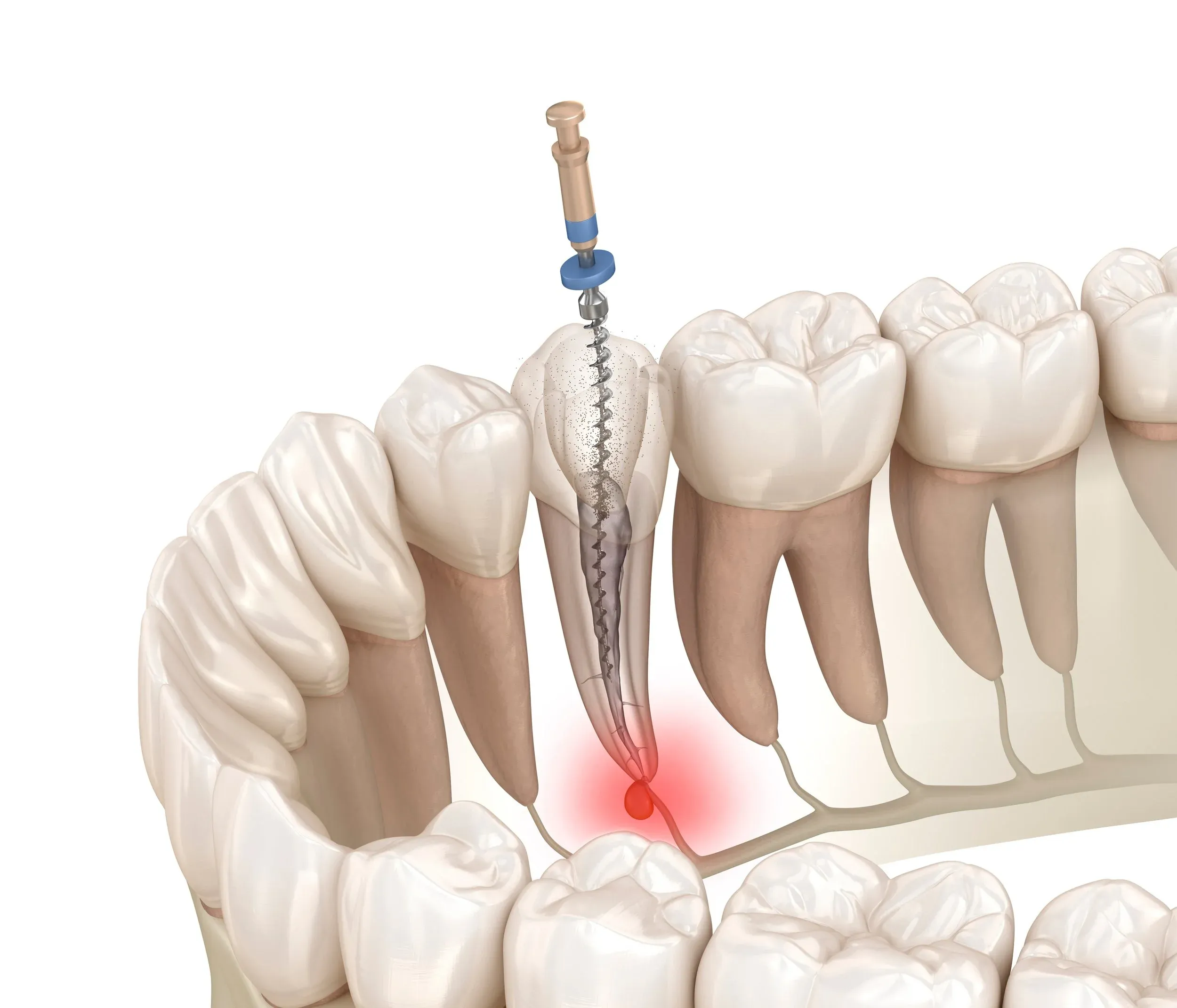
Dental decay is one of the most common reasons for tooth extraction. In many cases, a filling, crown, or root canal can preserve the natural tooth. But if decay has reached the point where the structure cant be repaired or supported safely, your dentist may suggest removal.
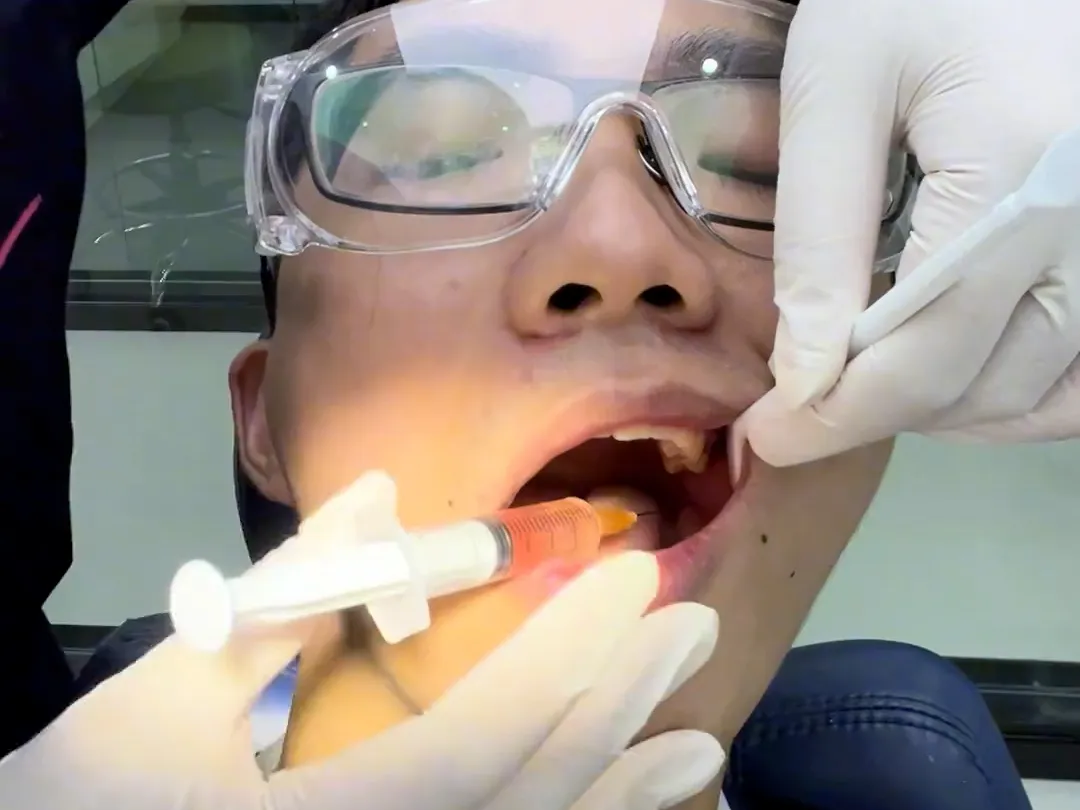
In Thailand, dentists are known for their conservative approach – they prefer saving teeth whenever possible. However, when an infection threatens the surrounding teeth or gums, extraction becomes the most practical option to prevent further complications. Modern Thai dental clinics typically use pain-free techniques and digital imaging to evaluate whether extraction or local restoration is best.
---
### 2. Severe Infection or Abscess That Refuses to Heal
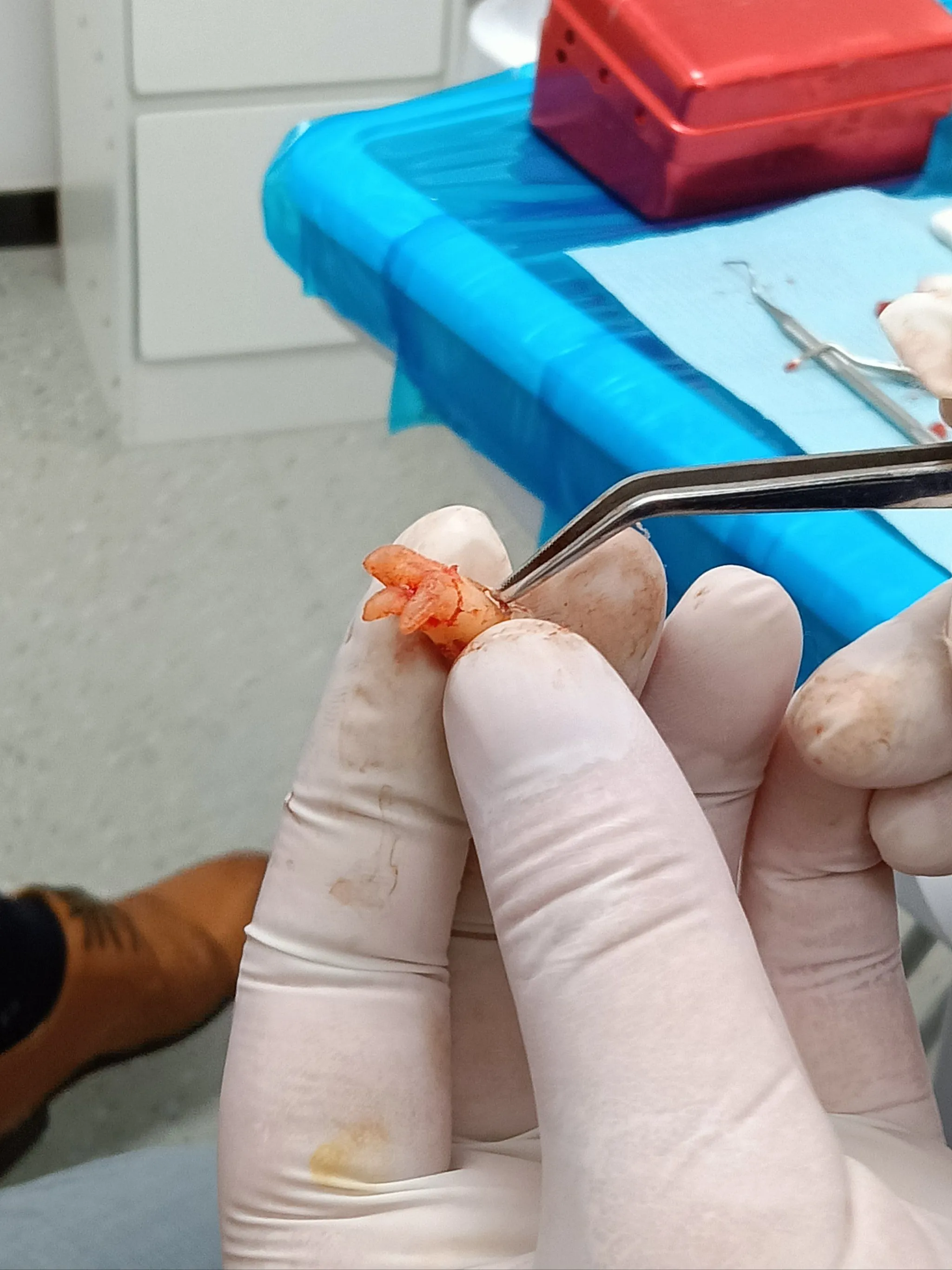
If you’ve ever dealt with a tooth abscess, you know how painful it can be. It’s a serious infection that spreads from the tooth’s root to surrounding tissues, sometimes even causing swelling and fever. Normally, a root canal or antibiotics can treat it successfully. But in cases where the infection keeps returning or cannot be treated completely, tooth removal may be necessary to stop the problem at its source.
Thailand’s dental standards emphasize comfort and cleanliness. Clinics are equipped to perform extractions under precise conditions, with sterilized tools and local anesthesia that minimizes discomfort. So, if you’re visiting a Thai dentist and they suggest extraction, you can feel confident that the recommendation is based on long-term health benefits, not just short-term relief.
---
### 3. Advanced Gum Disease or Bone Loss
Periodontal disease is another reason why tooth extraction might be inevitable. When gum disease progresses, it damages the bone and tissues that support the tooth, eventually making it loose or unstable. In these cases, keeping the tooth may worsen inflammation and affect the surrounding teeth.
Thai dental professionals usually take a staged approach – treating the gums first with deep cleaning (scaling and root planing) before deciding if extraction is truly required. But when the bone loss has reached a critical stage, removing the tooth can help preserve the integrity of your mouth and make future treatments, such as dental implants, more effective.
---
### 4. Impacted or Overcrowded Teeth
Impacted wisdom teeth are
a common issue in Thailand, especially among younger adults. When these teeth fail to erupt properly, they can press against neighbouring teeth, leading to pain, infection, or misalignment. In such cases, extraction is not only beneficial but often necessary to avoid long-term dental problems.
Additionally, some people have overcrowded teeth due to small jawbones or genetic factors. If you’re planning orthodontic treatment – like braces – your dentist might recommend removing one or two teeth to create space for proper alignment. Thai orthodontists and oral surgeons often work together in these scenarios to ensure the best outcome.
---
### 5. Preparation for Dental Implants or Dentures
Sometimes, extraction is part of a larger treatment plan. If a tooth cannot be saved and you’re considering dental implants or dentures, removing it allows your dentist to start fresh. Thailand’s dental implant specialists are particularly skilled at combining extractions with immediate implant placement when appropriate, saving time and reducing healing periods.
The approach focuses on long-term functionality and aesthetics. Thai dental clinics often use 3D scanning tools to plan these procedures precisely, ensuring the extraction site heals properly before implant integration.
---
### 6. When Cost and Convenience Make a Difference
One reason patients from abroad come to Thailand for dental care is cost efficiency. Even for locals, some treatments like root canal therapy or complex restorations can be significantly more expensive than a simple extraction. If a tooth has a minimal chance of survival, opting for removal might be a more economical and practical choice.
Thailand’s dentistry combines affordability with top-tier expertise. Clinics in Bangkok, Pattaya, and Phuket offer transparent pricing and consultation services, helping patients weigh their options clearly before making a final decision. So, if you’re balancing cost, comfort, and practicality, a consultation in a well-reviewed Thai clinic can help you decide wisely.
---
### 7. When Quick Relief Is a Priority
In emergency situations – like sudden pain during a holiday or when a tooth breaks unexpectedly – extraction might be the quickest path to relief. Many Thai dental clinics operate extended hours and even provide emergency services. If saving the tooth isn’t feasible immediately, your dentist can perform a gentle extraction, then discuss restorative options later, once you’re comfortable.
---
### Conclusion: Making the Right Choice in Thailand
Tooth extraction isn’t always the first choice, but sometimes it’s the healthiest and most logical step. In Thailand, you’ll find dentists who aim to preserve teeth whenever possible while offering modern, painless extraction techniques when necessary. Whether you’re tackling advanced decay, gum disease, or impacted wisdom teeth, your local Thai dentist can guide you through the process with care and professionalism.
Remember, every dental case is unique. The key is professional evaluation and honest communication. If you’re unsure whether you should go for extraction or local treatment, book a consultation with a certified Thai dental clinic. With their patient-centered approach, advanced equipment, and reasonable pricing, you can trust that the final decision will serve your long-term oral health and overall comfort.