What Are Common Questions About Thailand Tooth Extraction
What Are Common Questions About Thailand Tooth Extraction
**What Are Common Questions About Thailand Tooth Extraction**
Tooth extraction is a fairly routine dental procedure, but when you are planning to have it done in Thailand, there are often a few questions that patients—locals and visitors alike—tend to ask. Whether it’s a simple removal or a more complex surgical extraction, understanding the basics before your appointment can ease anxiety and help you make informed decisions. Here, we’ll address some of the most common questions about tooth extraction in Thailand so you can feel prepared and confident.
---
### 1. Why would I need tooth extraction in Thailand?
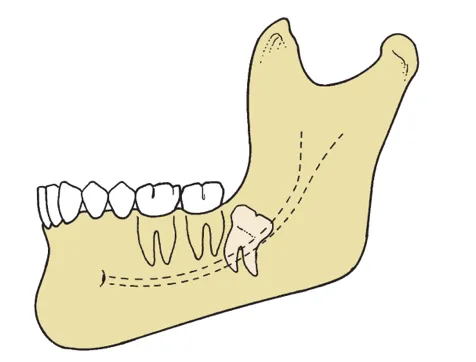
In Thailand, dentists recommend extraction for several reasons. The most common ones include severe tooth decay that cannot be restored, advanced gum disease, overcrowding (especially before orthodontic treatment), or impacted wisdom teeth. Sometimes, patients opt for removal because a damaged tooth causes persistent pain or infection. Dentists here typically try to save the tooth first, but when the risks outweigh the benefits, extraction becomes the recommended option.
---
### 2. How much does a tooth extraction cost in Thailand?
Prices vary depending on the clinic, city, and complexity of the extraction. In Bangkok, Chiang Mai, and Phuket, simple extractions can start from around 800–1,500 THB, while surgical removals—such as impacted wisdom teeth—may cost between 2,000–8,000 THB. Many clinics display their price lists openly, and some even offer package deals for foreigners. It’s worth noting that dental care in Thailand is generally more affordable than in many Western countries, while still maintaining high professional standards.
---
### 3. Is the extraction painful?
This is one of the most common concerns. Thai dentists are well-trained in using local anesthesia to numb the area, so you generally won’t feel pain during the procedure itself. You may feel some pressure or hear sounds that can be unsettling, but actual pain is minimal. After the anesthesia wears off, there can be mild soreness or swelling for a few days, but this is usually manageable with pain medication as prescribed by your dentist.
---
### 4. How should I prepare before the procedure?
Before tooth extraction in Thailand, patients are often advised to eat a light meal, avoid alcohol, and inform the dentist about any medical conditions or medications they are taking. If you have high blood pressure, diabetes, or allergies, the dentist may take additional precautions. Clinics usually conduct a quick evaluation and may request dental X-rays to see the tooth’s position and surrounding bone structure, ensuring a more precise and safe extraction.
---
### 5. What happens during the appointment?
The process usually begins with an examination and explanation of the procedure. Thai dentists are quite attentive and often reassure patients, especially those who are anxious. After administering anesthesia, a simple extraction involves loosening the tooth and removing it with forceps. Surgical extractions—such as when the tooth is below the gum line—require a small incision and possibly removal of bone around the tooth. Most procedures take less tha
n an hour, though more complicated cases can take longer.
---
### 6. Are there post-extraction care tips unique to Thailand?
While general dental care guidelines are universal, in Thailand dentists often remind patients to avoid spicy food for at least 24–48 hours after extraction, since spicy dishes can irritate the wound. They also recommend steering clear of sticky rice or other foods that could lodge in the socket. Common advice includes biting gently on gauze to stop bleeding, rinsing your mouth only after 24 hours with warm salt water, and avoiding smoking, as it can slow healing.
---
### 7. How soon can I resume normal activities?
Most people can return to normal daily routines within a day or two after a simple extraction. However, if you had a surgical procedure, you may need to rest more and avoid heavy physical activity for several days. In Thailand, many dental clinics will give you a follow-up appointment to check healing, especially if you are a foreign patient on a tight travel schedule.
---
### 8. Is it safe to get tooth extraction in Thailand as a tourist?
Absolutely, provided you choose a reputable clinic. Many dental facilities in major Thai cities cater to both locals and international patients, offering modern equipment and English-speaking staff. Thailand’s dental professionals are known for their skill and hospitality. For tourists, scheduling ahead is best, since popular clinics can fill up quickly. It’s also wise to allow a day or two in your itinerary after extraction for recovery.
---
### 9. Will I need antibiotics after extraction?
Dentists in Thailand prescribe antibiotics only when necessary, such as if there’s a high risk of infection or if the extraction was particularly complex. Over-prescribing is avoided, but painkillers and anti-inflammatory medications are commonly provided. Always follow your dentist’s instructions closely and complete any prescribed course.
---
### 10. Can I request sedation instead of local anesthesia?
Some clinics in Thailand offer sedation dentistry, especially for patients who are extremely anxious or undergoing multiple extractions. However, this requires advance arrangements and typically comes at a higher cost. Most routine extractions are done with local anesthesia, which is safe and effective for the majority of patients.
---
### Final Thoughts
Tooth extraction in Thailand is generally straightforward and safe, thanks to skilled dentists, modern facilities, and clear patient communication. By knowing the answers to these common questions, you can approach your appointment with confidence and realistic expectations. Whether you live in Thailand or are visiting for dental tourism, being informed about the process—from preparation to aftercare—will help ensure a smooth experience and quick recovery.
If you’re planning dental care in Thailand, remember that a healthy smile starts with professional advice. Always consult with a qualified dentist, ask questions openly, and follow post-extraction instructions closely. In the end, the combination of Thai hospitality and modern dental techniques often makes even a tooth extraction feel less intimidating.