Thailand Tooth Extraction Care for Patients With Urgent Dental Needs
Thailand Tooth Extraction Care for Patients With Urgent Dental Needs
**Thailand Tooth Extraction Care for Patients With Urgent Dental Needs**
When it comes to dental health, tooth extraction is sometimes unavoidable—especially for those experiencing intense pain, severe infection, or trauma. In Thailand, urgent dental services have become increasingly accessible, making it easier for patients to receive prompt care when they need it most. However, understanding the procedure, aftercare, and cultural nuances of seeking dental help in Thailand can make the entire process smoother and less stressful.
### Why Urgent Tooth Extraction May Be Necessary
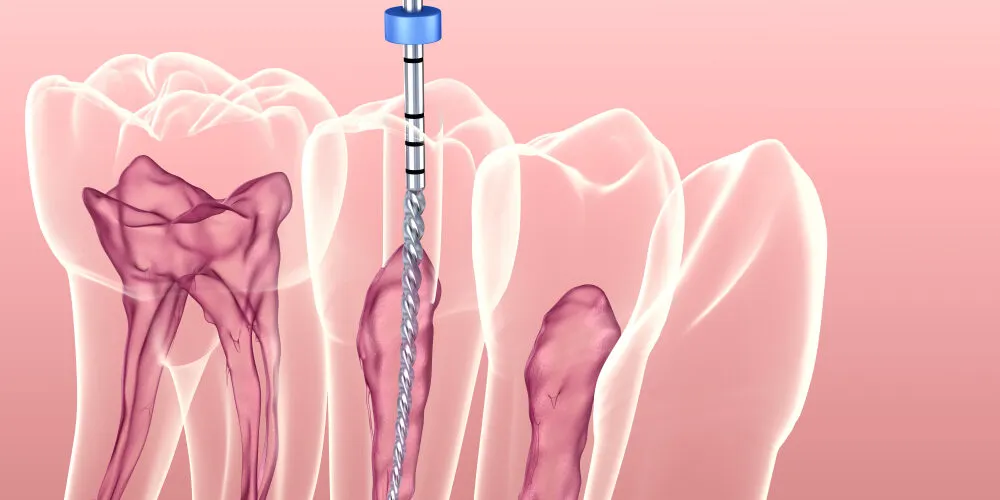
A tooth extraction is often recommended when the tooth is beyond repair. Common reasons include:
- **Severe decay** that has destroyed most of the tooth structure.
- **Advanced gum disease** leading to loose teeth.
- **Infection** that cannot be treated with antibiotics alone.
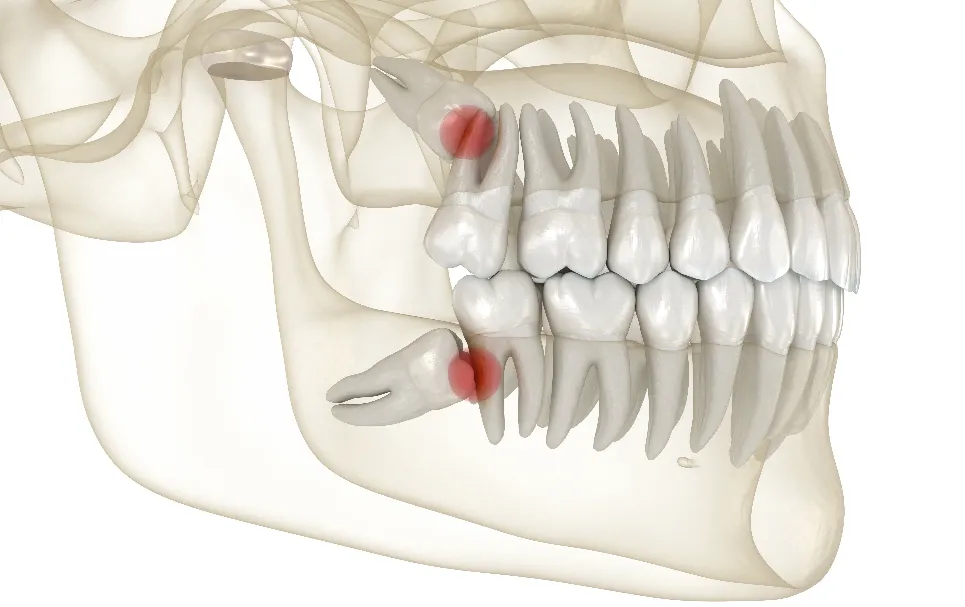
- **Impacted wisdom teeth** causing swelling and pain.
- **Trauma or accident** leading to damage beyond restoration.
In Thailand, dentists will usually try to save teeth whenever possible, but when urgent extraction is necessary, clinics prioritize fast relief to prevent complications.
### Urgent Dental Care in Thailand – What to Expect
Whether you visit a private clinic in Bangkok, a provincial hospital, or a dental school clinic, urgent cases are given priority. If you walk into a clinic with noticeable swelling or severe pain, staff will ask about your symptoms and perform an examination, often including an X-ray to determine the exact cause.
Thailand’s dental professionals are generally warm and approachable, which helps calm nervous patients. They will explain the procedure in clear terms, sometimes switching between English and Thai if you are a foreigner. In cities like Chiang Mai, Phuket, and Pattaya—popular among expats—many clinics have English-speaking dentists experienced in handling overseas patients.
### Preparing for Tooth Extraction
If you have time before your urgent appointment, here are a few tips that can make the procedure easier:
- **Bring your medical history** and a list of medications you are taking.
- **Avoid eating right before** if you suspect general anesthesia may be needed.
- **Arrange transportation** as you may feel weak afterward.
- **Prepare payment** as private clinics may request upfront fees, while government hospitals charge a small amount.
### The Procedure
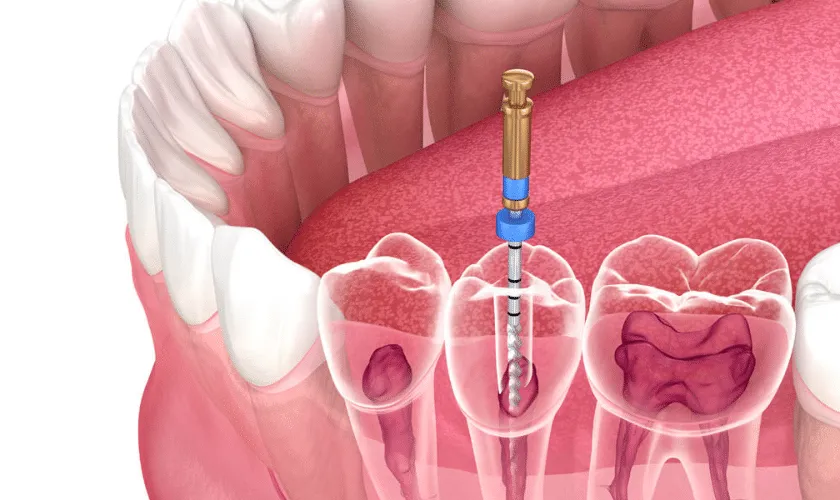
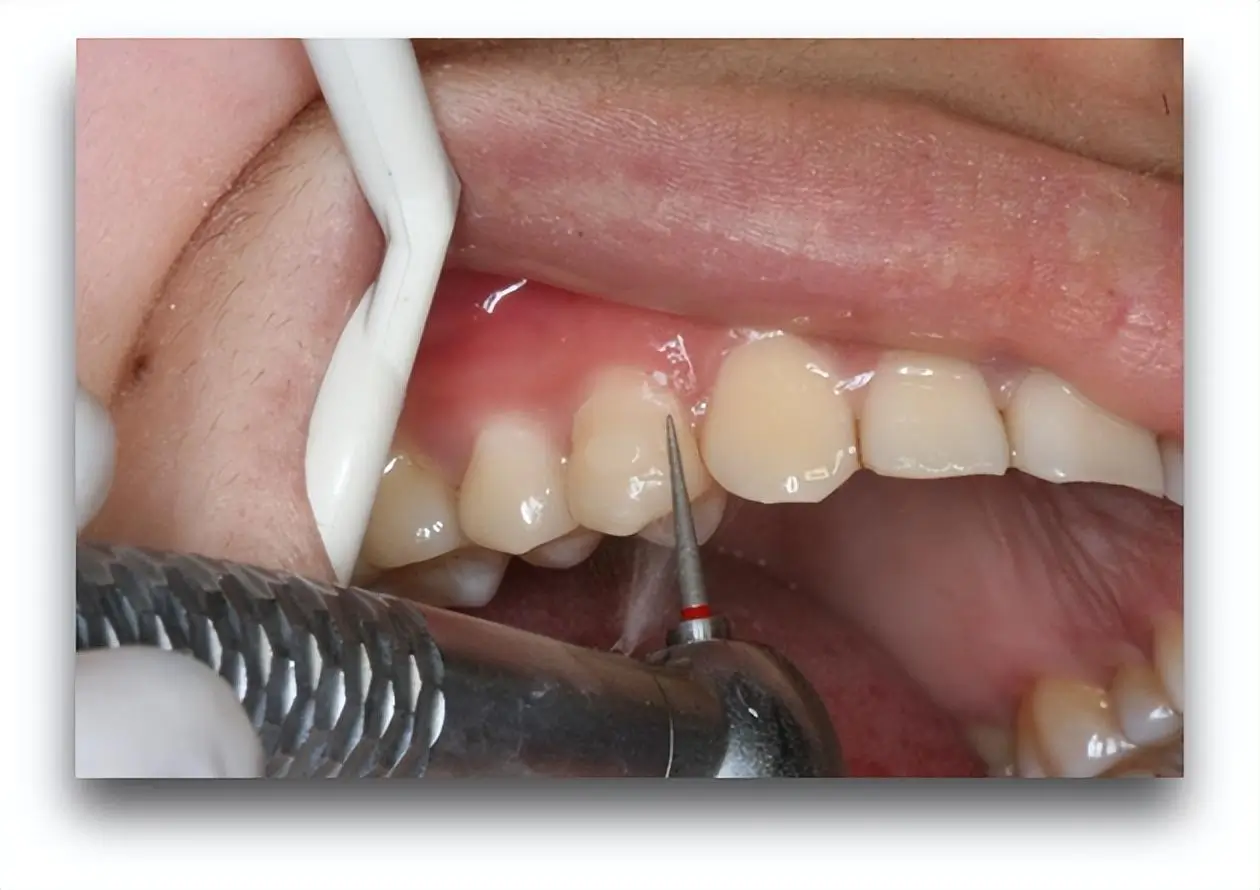
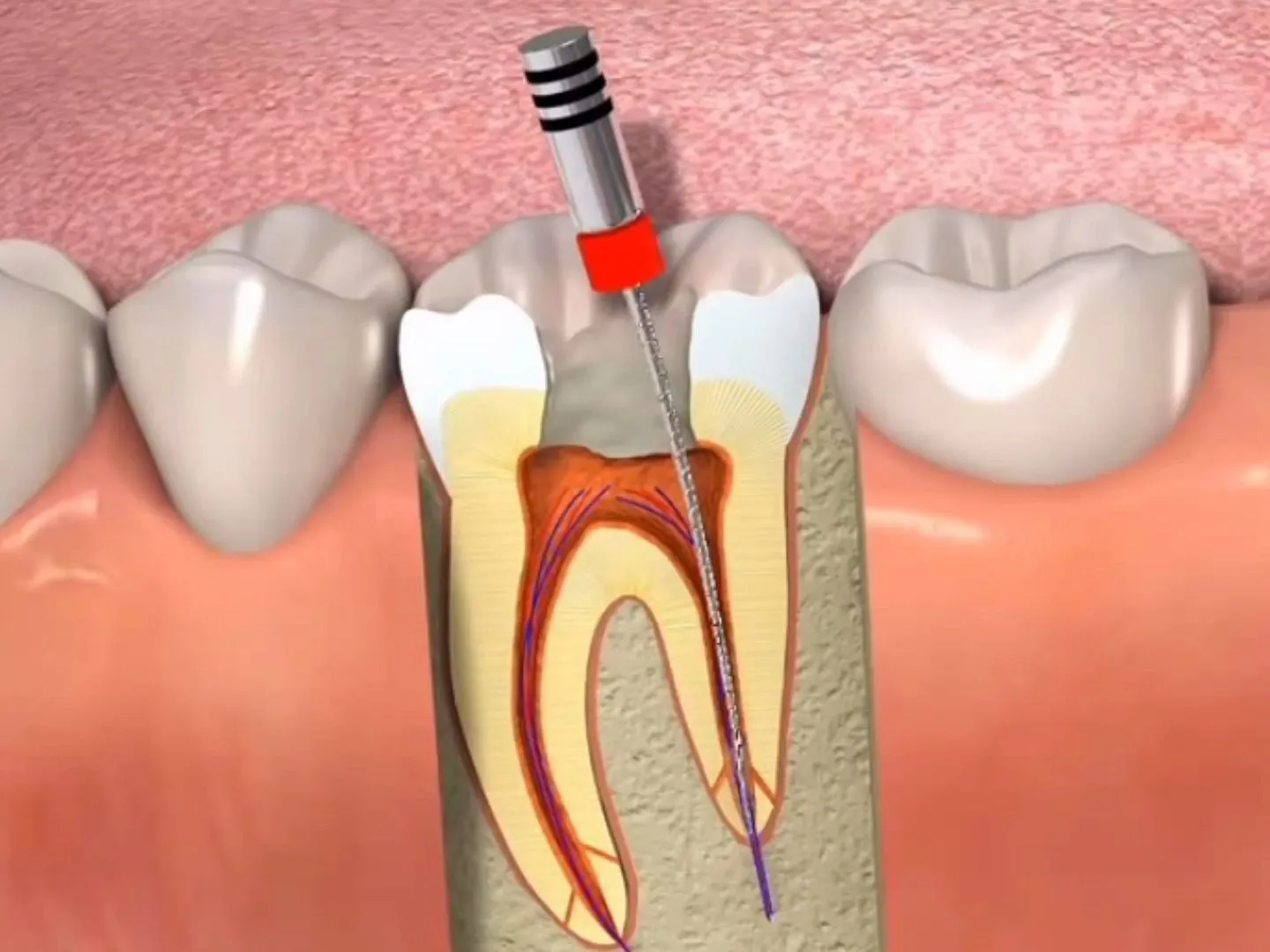
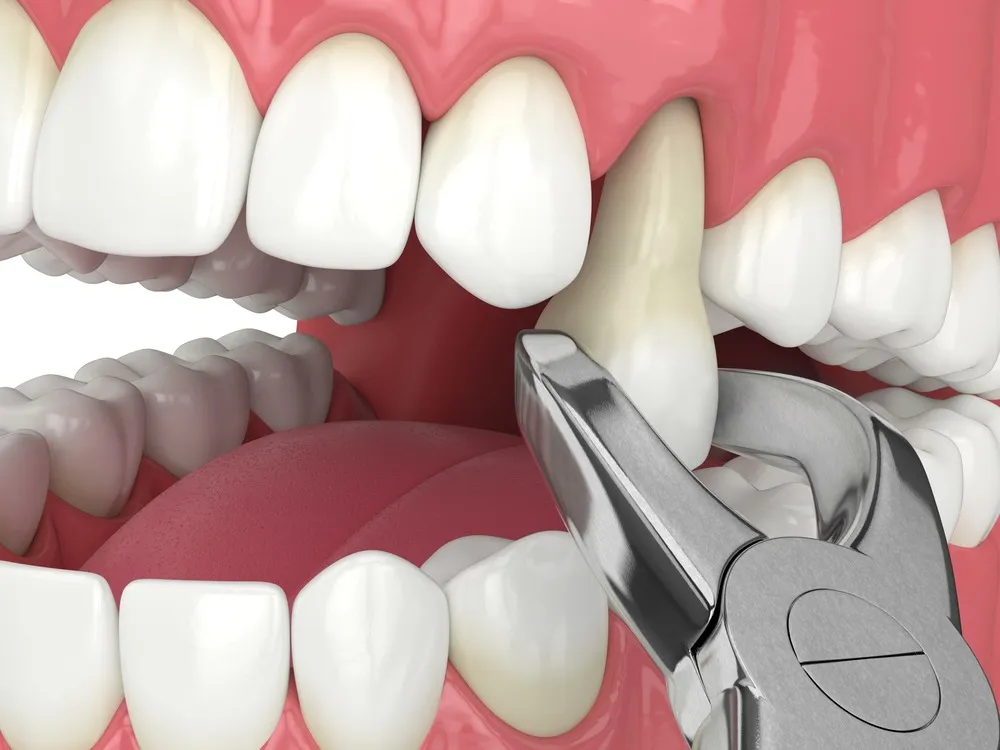
In most cases, tooth extraction in Thailand is a straightforward process. Local anesthesia is used to numb the area, and you will feel pressure but not pain. For more complicated extractions, such as impacted wisdom teeth, the dentist may make a small incision and remove the tooth in sections.
Dentists in Thailand tend to adopt a gentle approach, focusing on patient comfort. You might even hear them say in Thai, “เจ็บนิดเดียว” (“just a little pain”), to reassure you during the process.
### Aftercare Tips for Recovery
Proper aftercare is essential to avoid infection and promote healing. Thai dentists will typically give both written and
verbal instructions after the extraction, emphasizing the following:
1. **Bite gently on gauze** for at least 30 minutes to stop bleeding.
2. **Avoid rinsing your mouth** for the first 24 hours.
3. **Skip hot food and drinks** for a day, and opt for soft foods like congee (โจ๊ก).
4. **Refrain from smoking** as it delays healing.
5. **Use prescribed painkillers or antibiotics** exactly as directed.
6. **Rinse gently with warm salt water** after the first day to keep the area clean.
In Thailand’s humid climate, infections can progress quickly, so you should watch for signs such as increased swelling, pus, or persistent pain, and return to the clinic promptly if symptoms worsen.
### Cultural Considerations in Dental Visits
In Thai culture, politeness is key. Greet the dental staff with a friendly “Sawasdee ka” or “Sawasdee krub” depending on your gender. Showing respect creates positive rapport and may even encourage extra gentle care.
Many Thais also view traditional herbal remedies as complementary, such as using clove oil for tooth pain. While these can be helpful for mild discomfort, they are not substitutes for professional treatment when serious symptoms arise.
### Costs and Accessibility
One reason Thailand is popular for dental care—even among foreigners—is its competitive pricing. Urgent tooth extraction in a government hospital can cost as little as 500–1,000 THB, while private clinics may range from 2,000 THB upward depending on complexity. Dental tourism packages in major cities often include extractions as part of broader treatment plans.
For locals, the Universal Coverage Scheme allows affordable access for urgent extractions in public facilities. For expats and tourists, insurance may cover part of the cost, but it’s best to confirm with the clinic beforehand.
### Preventing Future Urgent Extractions
While emergencies cannot always be avoided, regular dental check-ups help catch problems early. In Thailand, it is common for people to visit the dentist once a year, though every six months is recommended for optimal oral health. Practicing good hygiene with daily brushing and flossing, and limiting sugary snacks like Thai desserts, can reduce the risk of severe decay.
Also, if you notice symptoms like intermittent tooth pain, swelling of the gums, or discomfort when chewing, address them immediately. Small issues can escalate quickly in Thailand’s warm environment, and timely treatment can save your tooth and prevent the need for extraction.
### Final Thoughts
Urgent tooth extraction in Thailand is handled with professionalism, compassion, and efficiency. Whether you are a local resident or a foreign visitor, you can expect a patient-centered approach and clear aftercare instructions. By understanding the process and following recovery guidelines, you can manage your dental emergency without unnecessary complications.
Remember: in Thailand, dentists are there to help you smile again—so seek help early, stay calm, and follow their advice for a swift and safe recovery.
---