Thailand Tooth Extraction Treatment for Managing Tooth Infection Pain
Thailand Tooth Extraction Treatment for Managing Tooth Infection Pain
**Thailand Tooth Extraction Treatment for Managing Tooth Infection Pain**
Tooth infection pain is one of those discomforts that can quickly turn from a mild annoyance into an unbearable experience. In Thailand, many people face this issue due to factors like untreated cavities, gum disease, or cracked teeth. When the infection reaches the root or surrounding tissues, it can cause intense pain, swelling, and even fever. Fortunately, **tooth extraction treatment in Thailand** is a reliable solution for managing such pain, provided it is done under professional dental care.
### Understanding Tooth Infection and Its Symptoms
Tooth infections usually begin when bacteria enter the pulp—the innermost part of the tooth containing nerves and blood vessels. This can happen through a deep cavity, cracked enamel, or gum disease. Common signs include persistent throbbing pain, sensitivity to hot or cold, swelling around the jaw, and sometimes pus drainage from the gums. Many Thai patients describe the sensation as a “toothache that doesn’t stop, even after taking painkillers.” If left untreated, the infection can spread to nearby teeth or even into the bloodstream, which becomes a more serious health issue.
### Why Tooth Extraction May Be Necessary
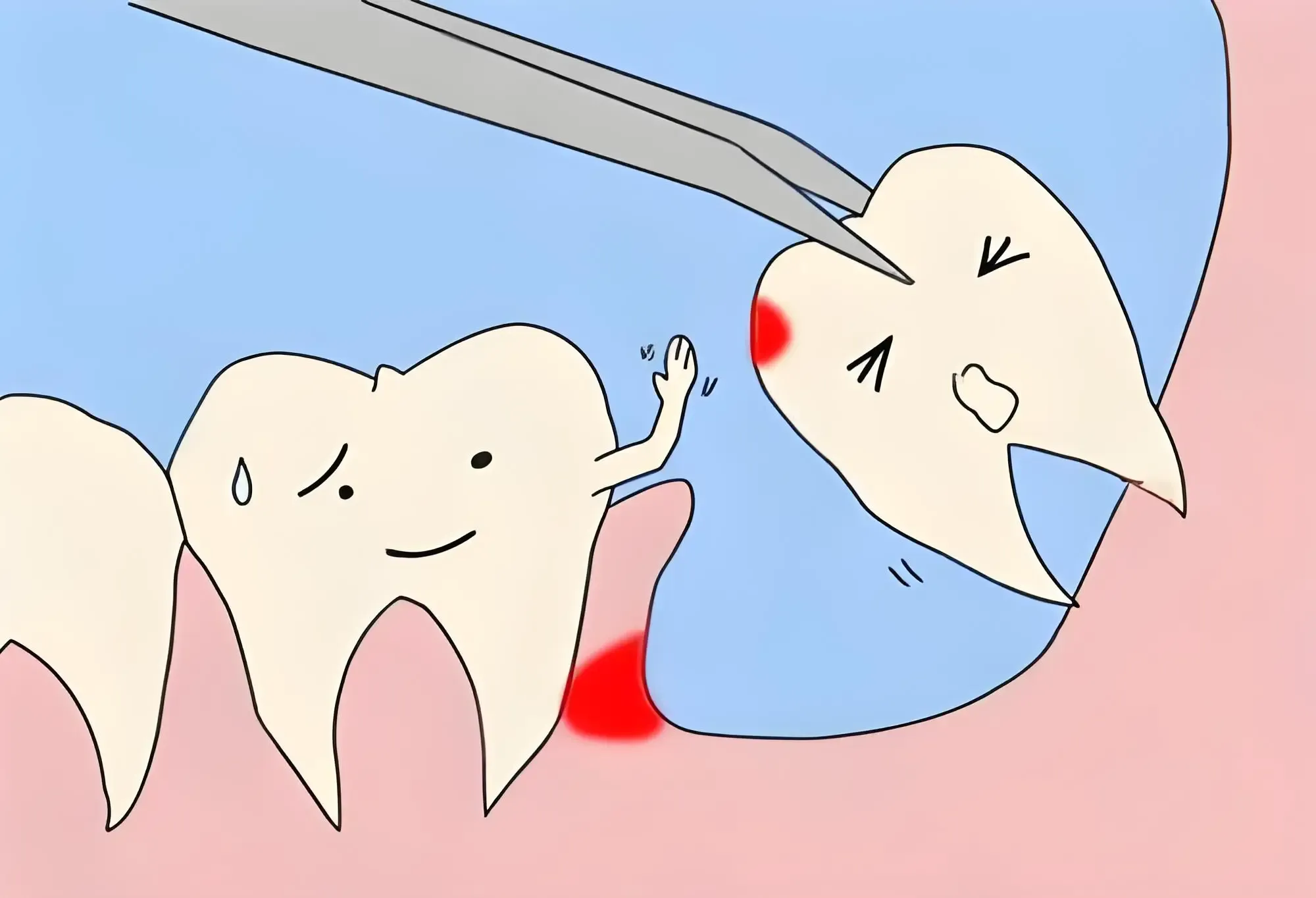
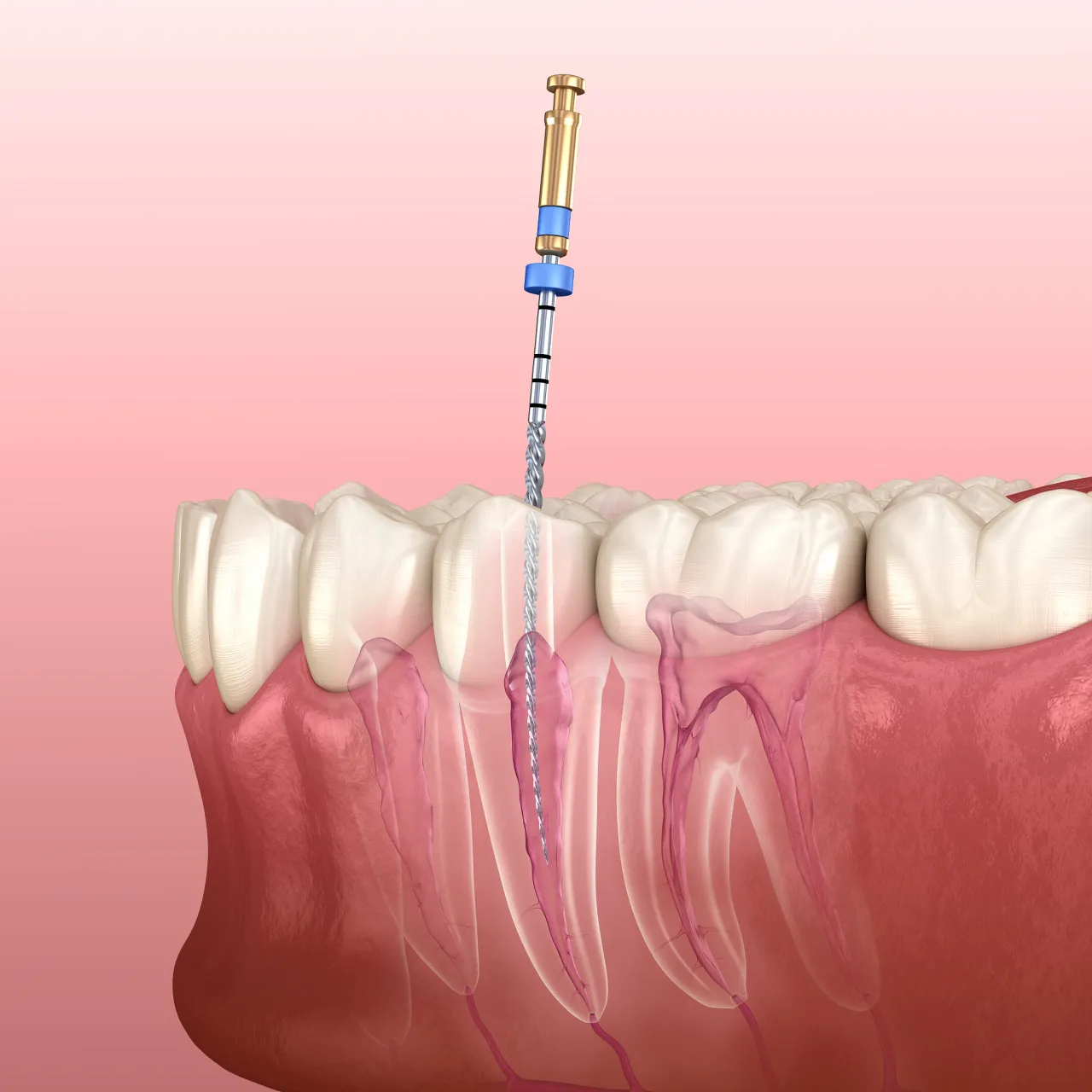
Although dentists in Thailand always try to save the natural tooth first—through root canal treatments or antibiotics—sometimes the infection is too severe for preservation. In such cases, **tooth extraction** becomes the best way to remove the infection source and stop further complications.
An infected tooth that cannot be restored often causes recurring pain and swelling. By removing it, dentists eliminate the root of the infection and allow the surrounding bone and gum to heal. Prompt extraction also helps prevent more expensive dental treatments later on.
### The Tooth Extraction Procedure in Thailand
In Thailand, dental clinics—from those in Bangkok to Chiang Mai and Phuket—follow international standards for safety and hygiene. Most extractions are done under local anesthesia, ensuring patients feel comfortable during the procedure. Here’s how the process usually goes:
1. **Initial Check-Up and X-Ray:**
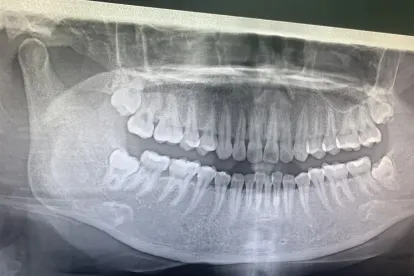
The dentist will first conduct a detailed examination along with an X-ray to determine the exact condition of the infected tooth and the surrounding bone.
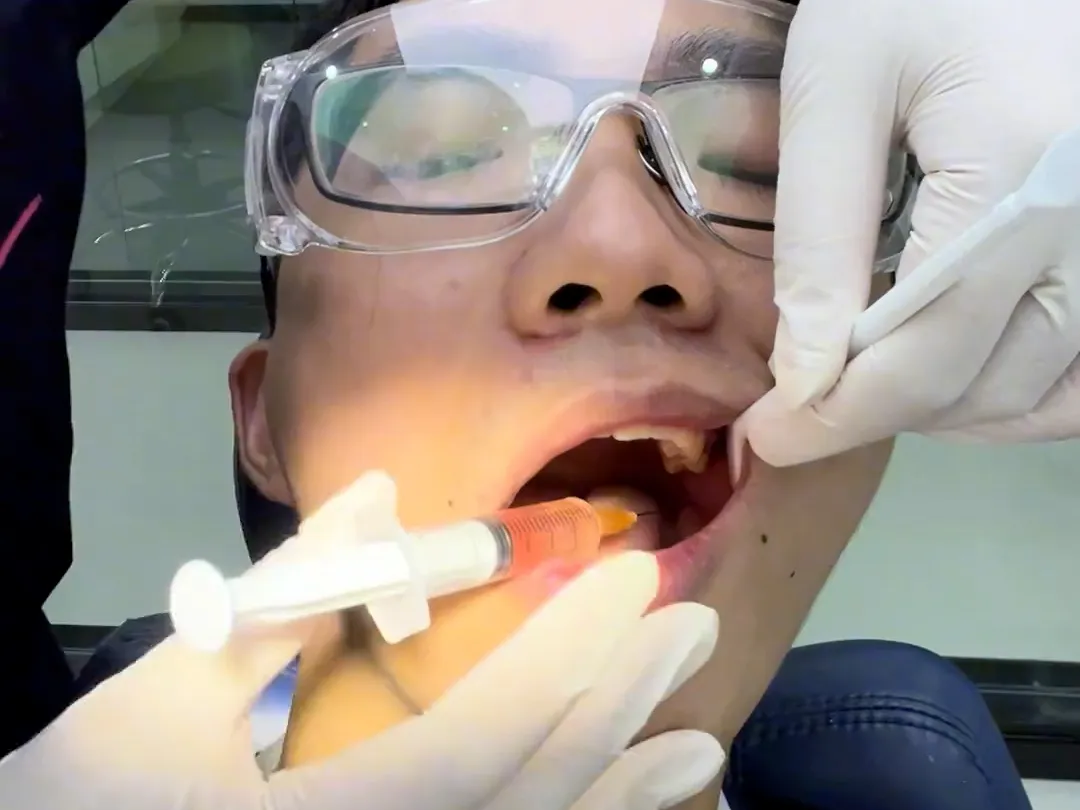
2. **Local Anesthesia:**
A numbing agent is carefully administered so patients feel minimal or no pain while the tooth is being removed.
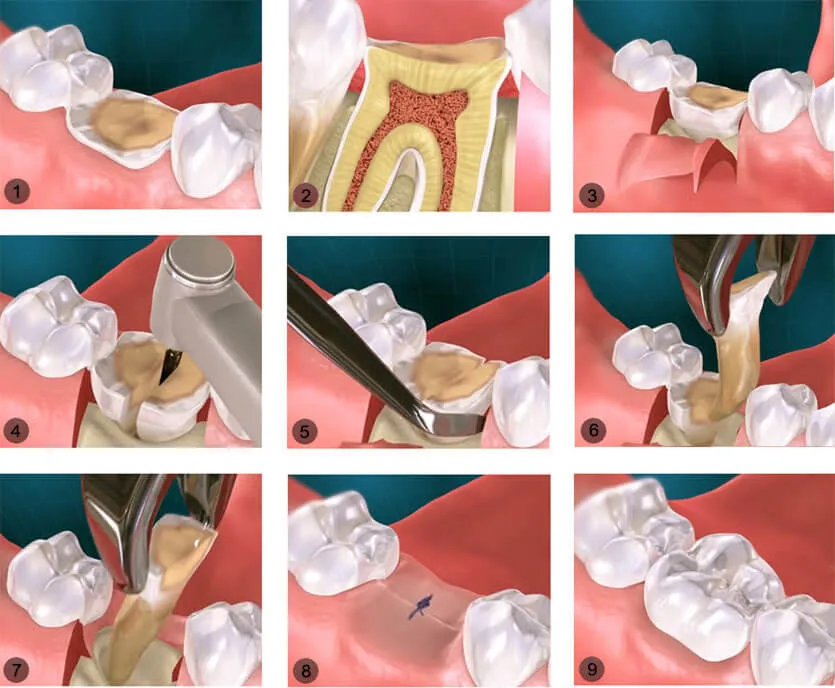
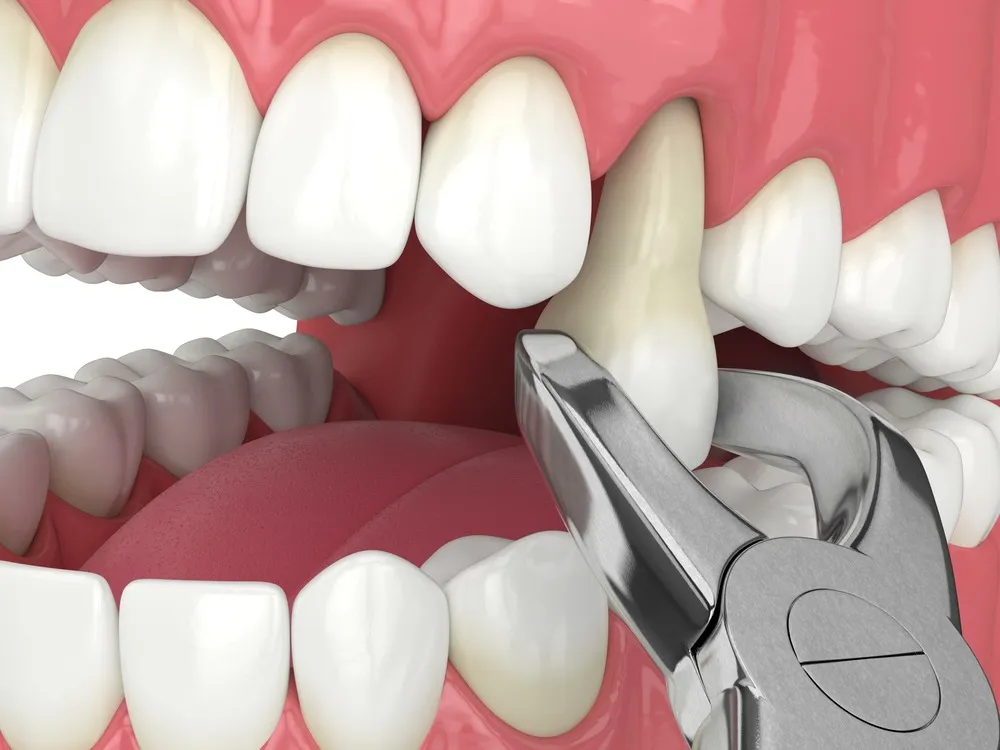
3. **Extraction Process:**
Depending on whether it’s a simple or surgical extraction, the dentist gently loosens the tooth using specialized instruments before removing it. For more complicated cases, a small incision may be made in the gum.
4. **Post-Extraction Care:**
Once the tooth is extracted, a blood clot forms in the socket to aid healing. Dentists provide clear aftercare instructions—such as avoiding smoking, drinking through a straw, or chewing on that side for a few days.
Many Thai dentists emphasize gentle care and a friendly environment to help patients feel relaxed. Clinics in Thailand often combine professional expertise with warm hospitality, making the experience less intimidating, even for first-time patients.
### Managing
Pain and Recovery After Extraction
After tooth extraction, it’s normal to feel mild pain or swelling for a day or two. Thai dentists usually recommend over-the-counter pain relief, cold compresses, and saltwater rinses to speed up recovery. The key is to keep the extraction area clean and follow the dentist’s instructions closely.
For severe infections, antibiotics may also be prescribed to fully clear the bacteria. Most patients notice significant pain relief within 24 to 48 hours after the extraction, which can feel like a tremendous relief after days of discomfort.
### Cost of Tooth Extraction in Thailand
One of the reasons Thailand is a popular destination for dental care is its affordability. Tooth extraction costs can vary depending on the complexity of the case and the clinic’s location, but prices generally range between **THB 800 to THB 3,000** for standard extractions. Surgical extractions or wisdom tooth removals may cost slightly more. Compared to many Western countries, the cost in Thailand remains highly competitive without compromising quality.
Many clinics also provide transparent pricing and English-speaking staff, making it easy for both Thai locals and foreign residents to understand the treatment process and fees.
### Preventing Future Tooth Infections
Prevention is always better than cure. Good oral hygiene habits—such as regular tooth brushing with fluoride toothpaste, flossing daily, and visiting the dentist twice a year—can significantly reduce the risk of infection. In Thailand’s tropical climate, where sweet and sticky snacks are common, paying extra attention to oral care is especially important.
Drinking plenty of water, avoiding excessive sugary drinks, and addressing dental problems early can save patients from future pain and costly procedures. Many Thai dental professionals encourage early intervention; a small cavity today can become a painful infection tomorrow if ignored.
### The Growing Reputation of Thai Dental Care
Thailand’s dental tourism industry is renowned across Asia for its high standards and modern facilities. From Bangkok’s advanced dental hospitals to Phuket’s boutique dental centers, patients can access world-class services at reasonable prices. Thai dentists are known for their gentle hands, attention to detail, and commitment to patient comfort.
Whether you’re a local resident or an expat living in Thailand, you can feel confident knowing that reliable tooth extraction and infection management services are readily available throughout the country.
### Final Thoughts
Tooth infection pain can disrupt daily life, but with the right care, recovery is quick and smooth. **Tooth extraction treatment in Thailand** offers a safe, effective, and affordable way to relieve infection-related pain and restore oral health. By choosing a reputable clinic and following professional advice, patients can not only eliminate pain but also prevent future dental problems.
Taking proactive steps—routine dental check-ups, good oral hygiene, and timely treatment—ensures that your smile stays healthy, bright, and pain-free. In Thailand, where smiles are considered a reflection of happiness, keeping your teeth in good shape is definitely worth every effort.