Thailand Tooth Extraction Care for Patients With Severe Tooth Problems Overseas
Thailand Tooth Extraction Care for Patients With Severe Tooth Problems Overseas
**Thailand Tooth Extraction Care for Patients With Severe Tooth Problems Overseas**
For many international patients, Thailand has become one of the top destinations for dental care, especially for those facing severe tooth problems that require extraction. Known for its modern clinics, experienced dentists, and warm hospitality, the country offers high-quality treatment at a fraction of the cost found in many Western nations. But while affordability and expertise are big reasons to choose Thailand, proper aftercare is just as important as the extraction itself—especially for patients traveling from overseas.
In this guide, we’ll walk through what foreign patients can expect when having a tooth extraction in Thailand, how to prepare before treatment, and the essential steps for smooth recovery after the procedure.
---
### Why Choose Thailand for Tooth Extraction?
Thailand’s dental industry has grown rapidly over the past two decades, particularly in Bangkok, Chiang Mai, and Phuket. Patients often find:
- **Internationally trained dentists** who can communicate fluently in English.
- **Advanced dental technology** similar to that used in high-end clinics in Europe or the United States.
- **More affordable prices** without compromising on quality.
- **Friendly service and patient-centred care** that makes overseas treatment less stressful.
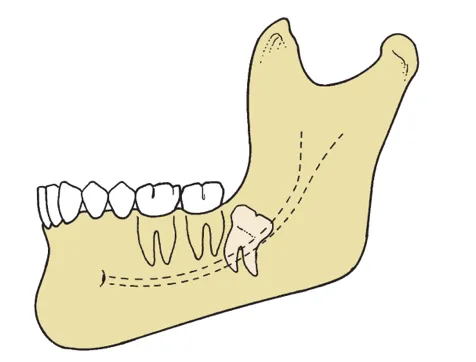
For those with severe dental infections, advanced decay, or impacted wisdom teeth, extraction can be urgent. Thailand’s dental clinics can often accommodate appointments within days, which is helpful for travelers on tight schedules.
---
### Before Your Tooth Extraction
If you are planning to have a tooth removed during your stay in Thailand, preparation is key. Here are a few tips to make the process smoother:
1. **Share your dental history** – Bring X-rays or reports from your dentist back home if possible. This helps your Thai dentist understand your condition faster.
2. **Plan enough recovery time** – Avoid booking your return flight immediately after the procedure. A few extra days in Thailand will allow for follow-up checks.
3. **Understand the costs upfront** – Clinics in Thailand are transparent about pricing. Make sure you receive a detailed treatment plan before proceeding.
4. **Check your travel insurance** – Some insurance policies cover emergency dental care overseas, which can help manage unexpected expenses.
---
### The Tooth Extraction Process in Thailand
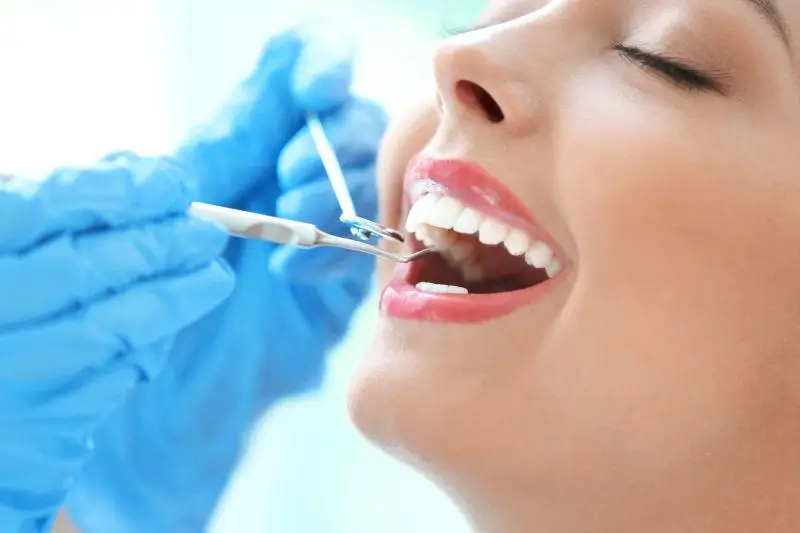
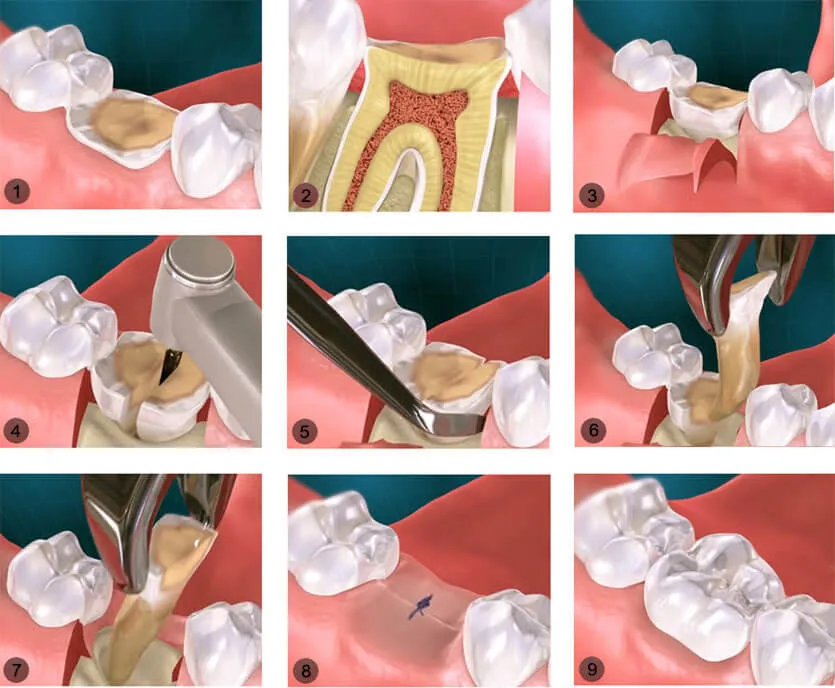
When you arrive at the clinic, you can expect a friendly welcome and a short consultation before the procedure. The dentist will explain your treatment, possible risks, and pain management options such as local anesthesia. For complex cases, sedation may be available.
Most extractions in Thailand are done quickly and with minimal discomfort. Dentists typically use gentle techniques to reduce trauma to the surrounding tissue, which helps speed up healing. After the tooth is removed, you’ll receive clear aftercare instructions—often in both English and Thai—to ensure you know exactly how to manage your recovery.
---
### Immediate Aftercare Tips
Following proper aftercare is vital, especially if you’ll be flying internationally soon after the ex
traction. Here are the common recommendations Thai dentists give patients:
- **Bite on the gauze** for at least 30–45 minutes to control initial bleeding.
- **Avoid rinsing or spitting forcefully** in the first 24 hours to prevent disturbing the blood clot.
- **Apply a cold compress** on the cheek to reduce swelling during the first few hours.
- **Limit chewing on the affected side** and stick to soft foods like congee, mashed potatoes, or banana smoothies.
- **Stay hydrated** but skip hot drinks and alcohol for the first day.
---
### Common Thai-Style Comfort Foods for Recovery
One of the advantages of recovering in Thailand is the variety of soft, healing-friendly foods available almost everywhere. You can try:
- **Jok** – Thai-style rice porridge, gentle on the mouth and easy to digest.
- **Khao Tom** – A mild boiled rice soup, often served with fish or chicken.
- **Fresh coconut water** – Naturally hydrating and soothing for recovery.
These foods are convenient for overseas patients staying in hotels near dental clinics.
---
### What to Watch Out For
While complications are rare, it’s important to monitor your healing progress:
- **Prolonged bleeding** beyond the first 24 hours.
- **Intense swelling or severe pain** that increases instead of decreasing after two days.
- **Signs of infection** such as fever, foul taste, or pus at the extraction site.
If you notice any of these, contact your Thai dentist immediately. Most clinics are quick to arrange follow-up visits, and many are open until late evening, which can be a big relief for travelers.
---
### Flying After Tooth Extraction
For overseas patients, air travel after tooth extraction requires special consideration. The cabin pressure does not usually affect the extraction site directly, but it’s best to wait at least 24–48 hours after a simple extraction, and even longer if surgical removal was involved. Always confirm with your dentist before planning your flight to avoid discomfort during your journey home.
---
### Post-Treatment Communication from Abroad
One thing that makes Thai dental clinics stand out is their willingness to keep in touch with patients after they return home. Many clinics offer email or messaging follow-ups, so you can send photos or updates if any concerns arise. This continued care gives peace of mind, knowing professional advice is just a message away—even across borders.
---
### Final Thoughts
Thailand offers more than just beautiful beaches and cultural attractions—it’s also a leading destination for safe, professional tooth extraction for severe dental problems. With skilled dentists, modern facilities, and a welcoming environment, overseas patients can be confident they’re receiving excellent care.
However, success doesn’t stop when you leave the dentist’s chair. Proper aftercare, mindful eating, and staying alert to any unusual symptoms are key to a smooth recovery, especially for those traveling internationally. By preparing well, following your dentist’s instructions closely, and allowing enough time for rest, you can return home not only with your dental problem solved but also with a positive memory of your treatment in the Land of Smiles.