Thailand Tooth Extraction Care for Patients Experiencing Dental Emergencies Abroad
Thailand Tooth Extraction Care for Patients Experiencing Dental Emergencies Abroad
**Thailand Tooth Extraction Care for Patients Experiencing Dental Emergencies Abroad**
When travelling abroad, no one expects a sudden toothache or an emergency dental situation to ruin their trip. Yet for many visitors in Thailand, dental problems such as cracked teeth, infections, or severe pain can happen unexpectedly. Understanding how tooth extraction care works in Thailand can help travellers feel more confident and safe when dealing with such situations far from home.
**Dental Emergencies in Thailand: What Visitors Should Know**
Thailand is known worldwide for its excellent dental care and affordable prices. Whether you are in Bangkok, Chiang Mai, Phuket, or Pattaya, finding a qualified dentist is not difficult. Many dental clinics cater to foreigners, with English-speaking staff and modern equipment. In emergency situations—such as unbearable tooth pain, broken teeth due to accident, or swelling caused by infection—most clinics can accommodate walk-in patients or same-day appointments.
It’s common practice in Thailand to visit a private dental clinic rather than a hospital for minor tooth problems, since clinics tend to offer faster service and specialised care. However, if the emergency involves facial injuries or severe bleeding, seeking hospital care is advised.
**When Tooth Extraction Becomes Necessary**
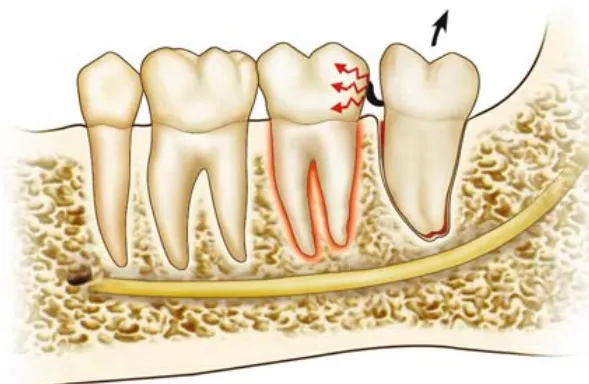
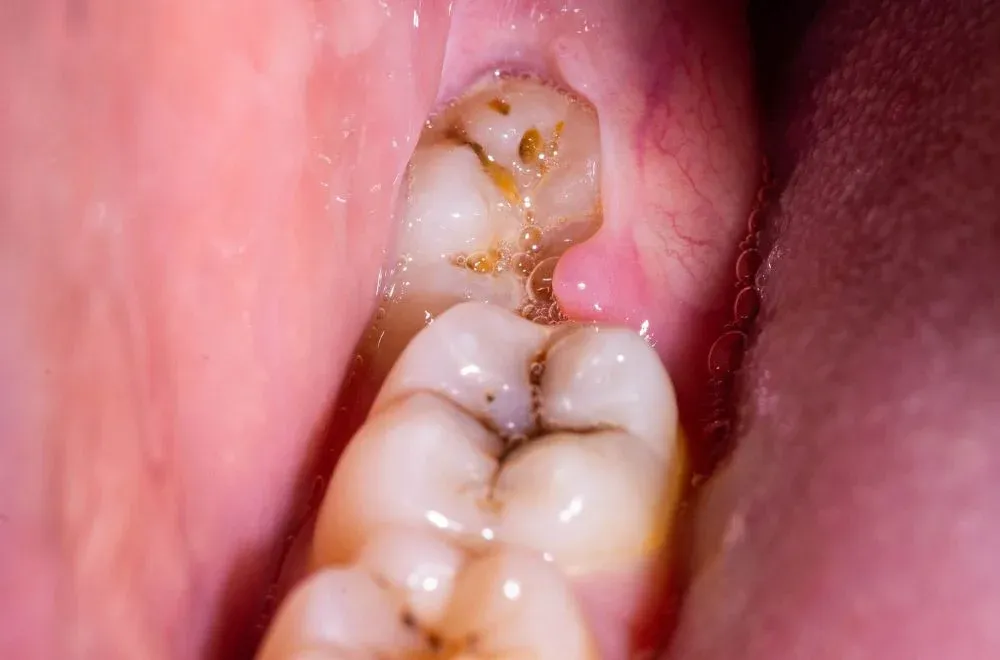
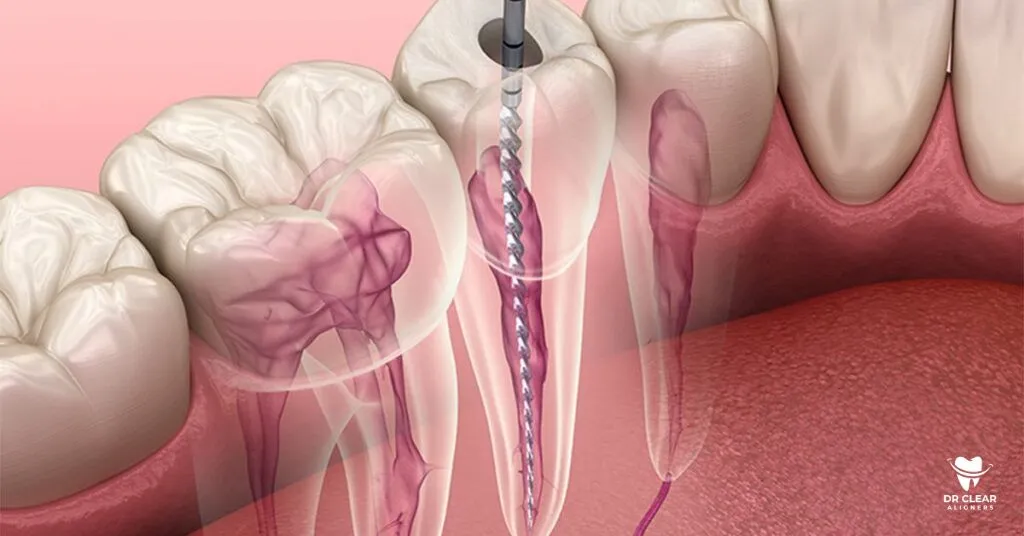
In many cases, Thai dentists will try to preserve your natural tooth with treatments such as fillings, root canal therapy, or antibiotics. Extraction is typically recommended only when the tooth can no longer be saved, such as in cases of severe decay, abscess formation, or trauma.
Patients are usually encouraged to discuss all possible options before agreeing to an extraction. Dental professionals in Thailand emphasize gentle communication—explaining what will happen step by step, ensuring the patient feels comfortable and informed before beginning the procedure.
**Preparation and Procedure**
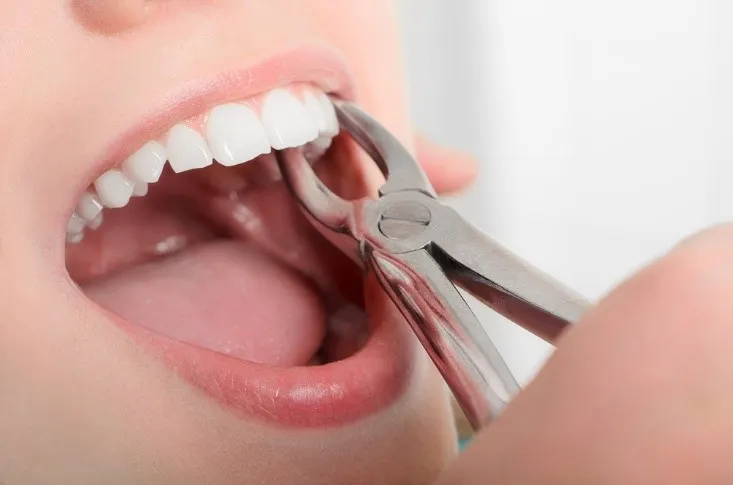
Before performing a tooth extraction, the dentist will examine your condition using X-rays. They will check the surrounding bone and nerves to plan the safest approach. Local anaesthesia is used to numb the area, and most patients feel only pressure, not pain.
For foreigners, Thai dentists often explain the process clearly in English, using simple terms. You might hear phrases such as “no pain, just pressure” or “bite on the cotton for 30 minutes after.” This patient-friendly approach makes the experience less stressful, especially for travellers facing the procedure in an unfamiliar environment.
**Aftercare Tips Every Traveller Should Follow**
Proper aftercare plays a major role in healing and comfort. Dentists usually provide clear instructions on what to do after an extraction. It is important to follow them closely, as ignoring these guidelines can lead to infection or delayed recovery.
Here are the most common post-extraction care tips in Thailand:
1. **Bite firmly on a gauze pad** for 30–60 minutes after the procedure to stop bleeding. Replace the gauze if it becomes soaked, but use gentle pressure.
2. **Avoid rinsing or spitting forcefully**
for the first 24 hours to protect the blood clot forming in the socket.
3. **Take medication as prescribed.** Thai dentists often provide painkillers or antibiotics. Always follow the dosage and timing carefully.
4. **Refrain from smoking or drinking alcohol** during the healing period, as these activities can delay recovery.
5. **Eat soft foods** such as soup, porridge, or rice congee, which are commonly recommended by Thai dentists for comfort.
6. **Keep the mouth clean** by brushing gently around the extraction area and rinsing with warm salt water after the first day.
If swelling or severe pain continues beyond two or three days, returning to the clinic for a follow-up is recommended. Thai dental practices usually offer free or low-cost follow-up visits to ensure proper healing.
**Costs and Insurance Considerations**
One of the greatest advantages of receiving dental care in Thailand is affordability. Compared with Western countries, tooth extraction fees in Thailand are significantly lower. Prices can vary depending on complexity—for example, a simple extraction may cost between 500–1,000 THB, while a surgical extraction may range around 2,000–5,000 THB.
For travellers with international health insurance, many clinics in popular tourist areas are familiar with filing claims or issuing receipts for reimbursement. It’s wise to confirm your coverage with your insurance provider before the procedure.
**Finding the Right Dental Clinic**
In Thailand, the quality of dental care is generally high, but its still best to choose a reputable clinic. Look for clinics certified by the Dental Council of Thailand or those affiliated with well-known hospitals. Online reviews, hotel recommendations, and embassy listings are also helpful sources.
Most established clinics have English-speaking dentists who have received training internationally, often in the UK, Australia, or the U.S. This makes communication easy and ensures a professional standard of care.
**How Thai Culture Supports Health and Healing**
A unique aspect of dental care in Thailand is the gentle, caring approach of Thai practitioners. Many patients notice how calm and reassuring the atmosphere in Thai clinics feels. Staff often greet you with a polite “Sawadee ka” or “Sawadee krub,” creating a warm environment that eases anxiety. After the procedure, they may offer friendly advice on what local foods are best to help healing—such as khao tom (soft rice soup) or clear broth.
**Final Thoughts**
Experiencing a dental emergency abroad can be daunting, but Thailand offers reliable, affordable, and compassionate care for patients in need of tooth extraction. By choosing a reputable clinic, following aftercare instructions diligently, and maintaining good oral hygiene, travellers can recover smoothly and comfortably even while far from home.
Thailand’s combination of professional dental expertise, modern facilities, and friendly hospitality makes it one of the most trusted destinations for dental treatment in Southeast Asia. So if you ever face a dental emergency here, rest assured—you are in safe hands.