Thailand Tooth Extraction Options for Managing Severe Tooth Decay
Thailand Tooth Extraction Options for Managing Severe Tooth Decay
**Thailand Tooth Extraction Options for Managing Severe Tooth Decay**
Tooth decay can sneak up on anyone, especially in a country like Thailand, where sweet drinks, spicy street food, and convenient snacks are part of everyday life. For many Thais and expats living here, managing dental problems early on can make all the difference between saving a tooth and needing an extraction. But when tooth decay becomes too severe, removal may be the only safe and practical solution. Understanding your options for tooth extraction in Thailand can help you make the best decision for both your oral health and your wallet.
### Why Tooth Extraction May Be Necessary
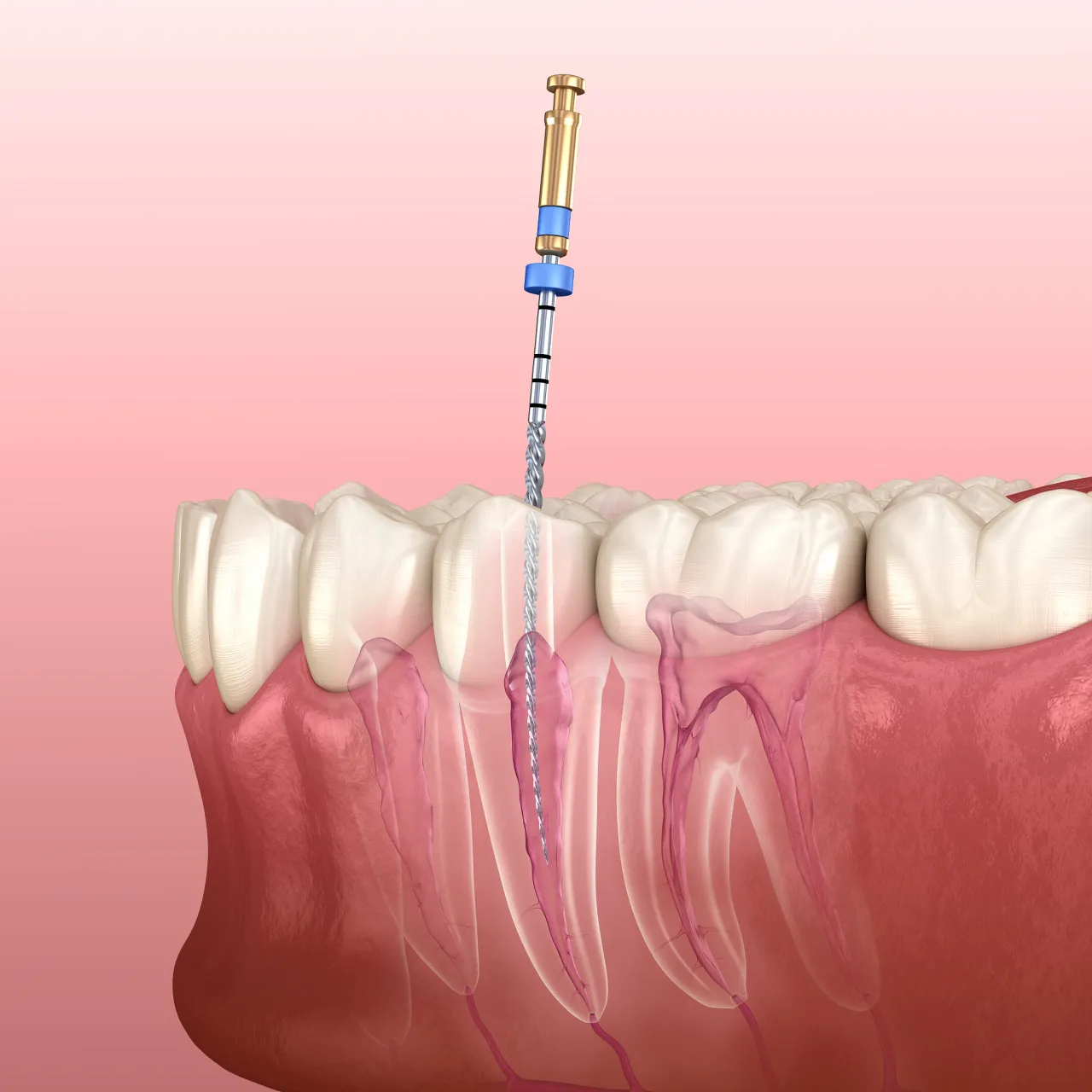
Tooth extraction is usually the last resort after other treatments, such as fillings or root canal therapy, have failed or are no longer viable. When decay spreads deeply into the pulp or when infection damages the bone supporting the tooth, extraction becomes the most effective way to relieve pain and prevent further complications. In Thailand, dentists often recommend extraction when the infection poses a risk of spreading to nearby teeth or the jawbone.
It’s normal for patients to feel anxious about losing a tooth, but modern dentistry in Thailand has evolved significantly. Today’s dental clinics, both in Bangkok and provincial cities like Chiang Mai, Pattaya, and Phuket, use advanced anesthesia, gentle techniques, and updated technology to make the extraction procedure quick and comfortable.
### Common Tooth Extraction Options Available in Thailand
There are generally two main types of extractions offered in Thai dental clinics: simple extraction and surgical extraction.
**1. Simple Extraction**
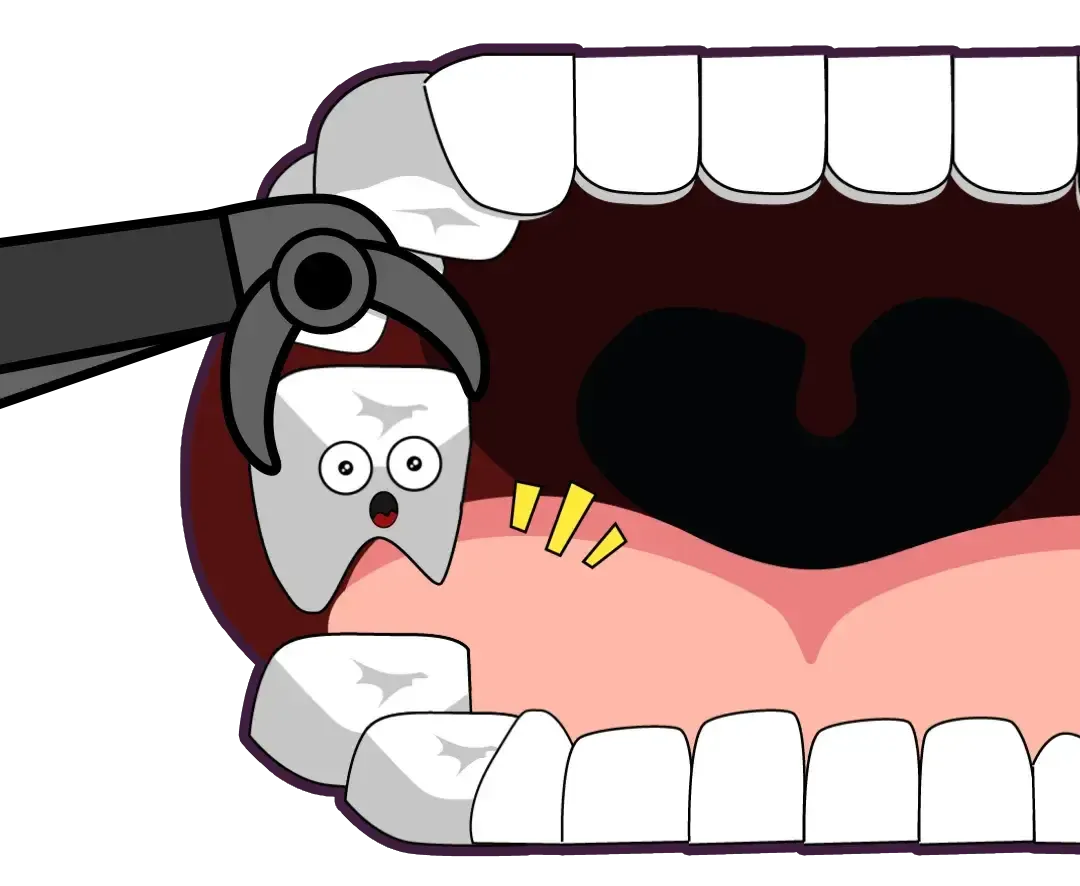
A simple extraction is done when the tooth is visible above the gum line. The dentist will loosen the tooth using a dental instrument called an elevator and then remove it with forceps. This method is typically used for teeth that are already mobile or heavily decayed but not broken below the gum. Many general dental clinics in Thailand perform simple extractions quickly, sometimes within 20–30 minutes, depending on the tooth’s condition.
**2. Surgical Extraction**
For impacted, broken, or severely decayed teeth, especially wisdom teeth, a surgical extraction might be necessary. This procedure involves making a small incision in the gum to access the tooth and, in some cases, removing bone tissue around it. While it sounds complicated, surgical extractions are carried out safely in Thai clinics by experienced oral surgeons, often under local anesthesia. Patients who prefer added comfort can opt for sedation dentistry, which is available in many private clinics in Bangkok and major tourist hubs.
### What to Expect During the Procedure
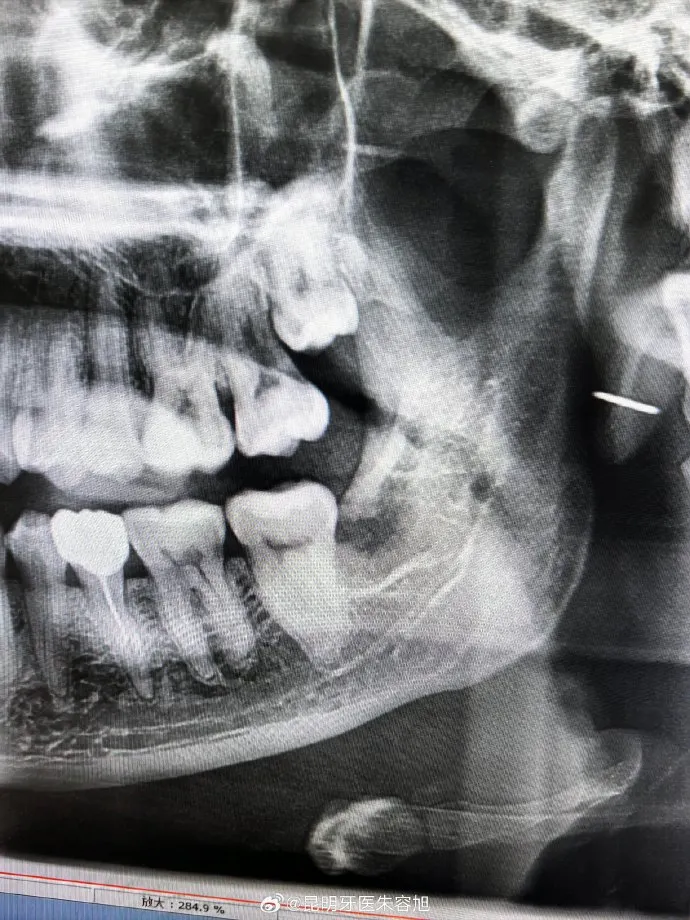
Before the extraction, your dentist will take an X-ray to determine the best approach. In most Thai dental clinics, digital X-rays are standard practice, minimizing radiation exposure and allowing precise planning. Patients are guided through the entire process, and communication is usually clear, even in clinics catering to foreigners.
During the extraction, you will receive a local anesthetic injection to numb the area. The dentist then gently
loosens and removes the tooth, followed by cleaning and disinfecting the socket to reduce infection risk. You might feel pressure during the procedure but no pain. In surgical extractions, stitches may be placed, which are usually removed after one week.
### Recovery and Aftercare Tips
Post-extraction care plays a crucial role in healing. Thai dentists typically provide detailed instructions that include the following key points:
- Avoid touching the wound or rinsing your mouth vigorously for the first 24 hours.
- Eat soft Thai foods like rice porridge (jok) or boiled vegetables for a few days.
- Skip spicy, hot, or crunchy meals that could irritate the wound.
- Refrain from smoking or drinking alcohol, as they can slow down recovery.
- Use a mild saline rinse after 24–48 hours to keep the site clean.
Most people recover fully within a week, though healing time can vary depending on the complexity of the extraction.
### Replacing a Missing Tooth
Losing a tooth doesn’t mean you have to live with a gap. In fact, leaving the space empty can lead to shifting teeth and bite problems later. Dental clinics in Thailand offer several replacement options, including dental implants, bridges, and partial dentures.
**Dental Implants** are becoming increasingly popular in Thailand due to their long-term durability and natural appearance. Although they require a higher upfront cost, many patients find them worthwhile investments.
**Dental Bridges** are a more affordable and faster alternative. They involve placing crowns on the teeth adjacent to the gap.
**Partial Dentures** are the most budget-friendly and can be easily removed for cleaning, making them a practical choice for patients seeking short-term solutions.
### Costs of Tooth Extraction in Thailand
One of the biggest advantages of dental care in Thailand is its affordability compared to Western countries. A simple extraction typically costs between 800 to 1,500 baht, while surgical extractions can range from 2,000 to 4,000 baht, depending on complexity. Private hospitals and international dental chains may charge slightly more, but they often include extra comfort and language support for foreign patients.
### Choosing the Right Dental Clinic
Thailand’s dental industry is well-regulated, and most urban clinics maintain international hygiene and safety standards. When choosing a clinic, check for licensed dentists, transparent pricing, and positive patient reviews. Clinics in Bangkok, Chiang Mai, and Phuket often have English-speaking staff and modern equipment, making them popular among both local residents and dental tourists.
### Final Thoughts
Managing severe tooth decay can be stressful, but with Thailand’s advanced dental care and affordable treatment options, you can restore your oral health with confidence. Whether you need a straightforward extraction or a more complex surgical procedure, Thai dental clinics provide convenient, professional, and patient-centered services. After treatment, maintaining good oral hygiene and regular dental check-ups will go a long way in preventing future problems—and ensuring that bright Thai smile lasts for years to come.