Thailand Tooth Extraction Process Explained for Overseas Patients
Thailand Tooth Extraction Process Explained for Overseas Patients
**Thailand Tooth Extraction Process Explained for Overseas Patients**
For many international visitors, Thailand has become a popular destination not only for its tropical beaches and delicious street food, but also for professional and affordable dental care. Among the many treatments offered, tooth extraction is one of the most frequently performed procedures. Whether it’s for a wisdom tooth, a broken tooth, or preparation for an implant, understanding the tooth extraction process in Thailand can help overseas patients feel more confident and at ease before their appointment.
### Why Overseas Patients Choose Thailand for Tooth Extraction
Thailand’s dental industry is world-renowned for combining quality care with friendly service. Clinics in Bangkok, Chiang Mai, Phuket, and other major cities are equipped with advanced technology and staffed by English-speaking dentists who have often trained or gained experience overseas. The reasonable cost compared to Western countries also makes Thailand an attractive choice. Many expats and dental tourists appreciate the transparent pricing and the emphasis on patient comfort — values deeply rooted in Thai hospitality culture.
For example, extracting a wisdom tooth in Thailand usually costs only a fraction of what patients pay in the United States, Australia, or Europe. On top of that, clinics often schedule appointments quickly and make every effort to minimize waiting time.
### Consultation and Examination
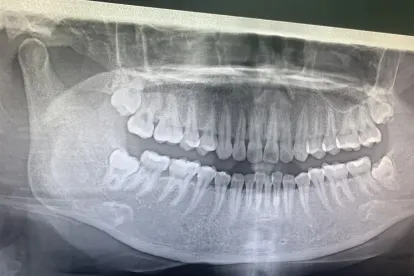
The process begins with a consultation. Most clinics allow patients to book online before flying in or simply walk in for an initial check-up. During this visit, the dentist will review your dental history, conduct an oral examination, and may take an X-ray to see the tooth’s position and roots.
Thai dentists take time to explain each step clearly, using easy-to-understand English. You can expect a calm, reassuring atmosphere — something Thai clinics are known for. If you need multiple extractions or other treatments, the dentist will create a personalized treatment plan and give you a cost estimate right away, with no hidden charges.
### Preparing for the Extraction
Before the extraction day, patients are usually advised to avoid heavy meals or alcoholic drinks. If sedation is required, the dental clinic may ask you to fast for a few hours beforehand. You should also inform the dentist about any medication, allergies, or medical conditions you have. Many clinics in Thailand follow strict international infection control standards, so you can be sure instruments and equipment are fully sterilized.
Most Thai dentists are very gentle and patient, often chatting with you to make sure you feel comfortable before beginning the procedure. It’s not unusual to hear a friendly “mai tong glua na” (no need to be nervous) before the treatment starts.
### The Tooth Extraction Procedure
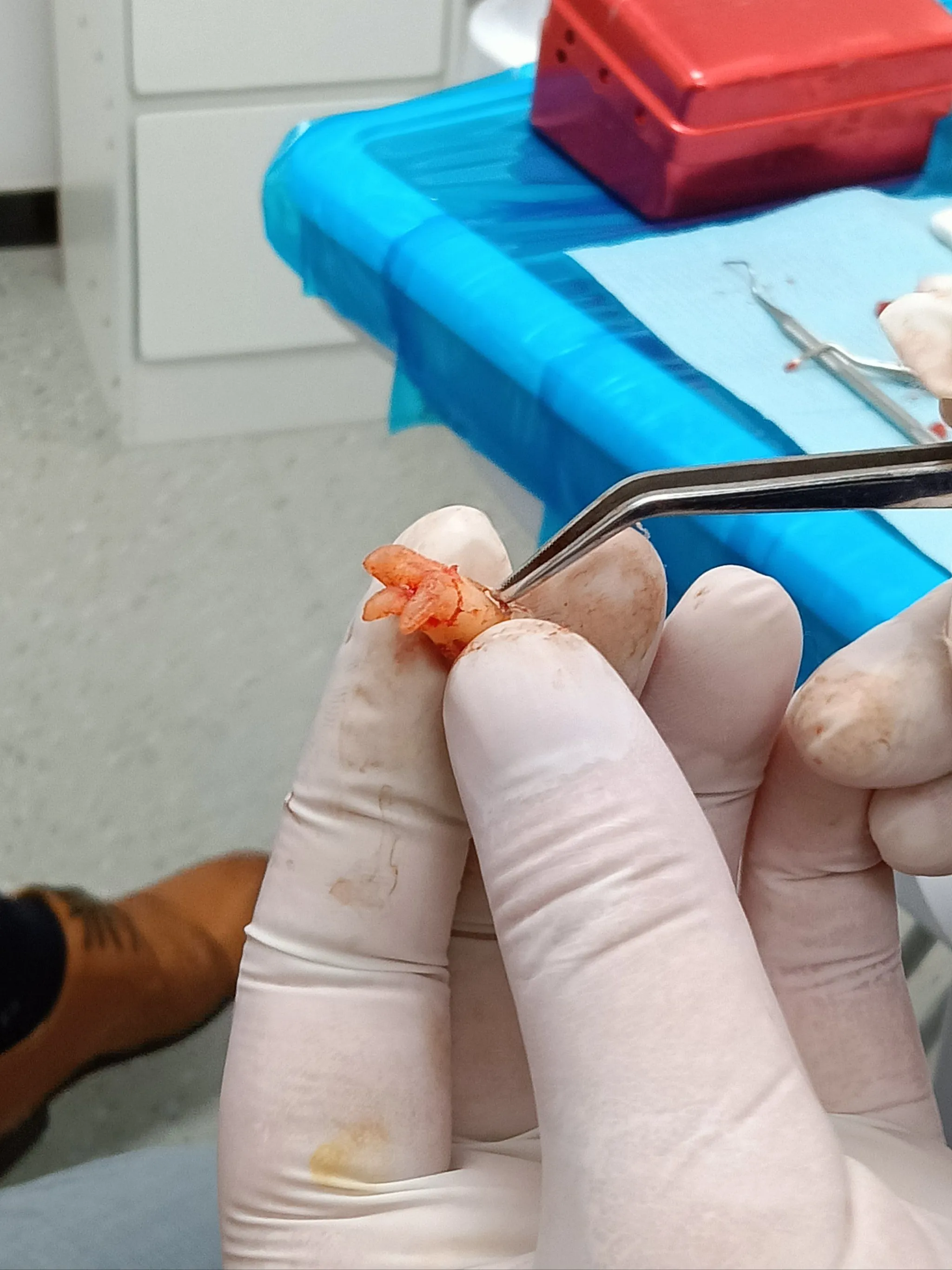
A simple extraction normally takes less than 30 minutes. The dentist first applies a local an
esthetic to numb the area completely. You may feel a slight pinch from the injection, but no pain during the actual extraction. Once numb, the dentist will gently loosen the tooth and remove it. Patients sometimes hear a bit of pressure or cracking sound, which is perfectly normal.
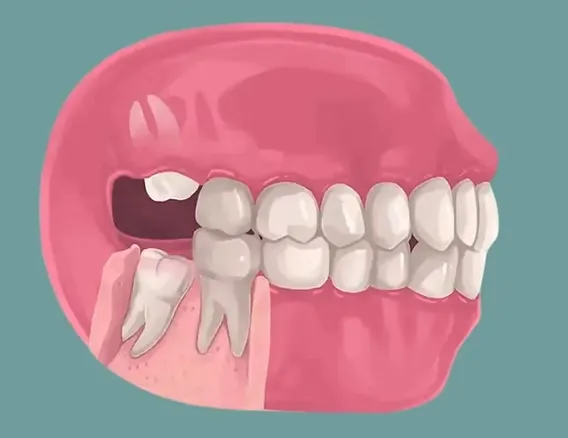
For a more complex case — for example, an impacted wisdom tooth or a tooth broken below the gum line — a surgical extraction may be necessary. In this case, the dentist (or oral surgeon) will make a small incision in the gum before removing the tooth in pieces. These procedures are also done under local anesthesia, and some clinics offer intravenous sedation if you prefer to be more relaxed.
Throughout the procedure, the dental team continuously checks on your comfort level. They explain what’s happening step by step, ensuring no surprises.
### Aftercare and Recovery
Once the tooth is removed, the dentist will place sterile gauze over the extraction site to help the blood clot. You’ll be asked to bite down gently for about 30 minutes. It’s normal to experience slight swelling or mild discomfort after the anesthesia wears off, but Thai dentists will prescribe pain relievers or antibiotics if needed.
Important aftercare tips include:
- Avoid rinsing, spitting, or drinking through a straw for the first 24 hours.
- Eat only soft foods such as porridge, soup, or yogurt.
- Keep the area clean by brushing gently around the extraction site.
- Use a saltwater rinse (as advised by your dentist) after the first day.
- Do not smoke or drink alcohol for a few days, as this can delay healing.
Most patients recover within three to five days. If you had a surgical extraction, your dentist might schedule a follow-up appointment to remove any stitches and check that the healing process is going well.
### Planning Your Dental Trip in Thailand
Overseas patients often combine dental appointments with travel plans, enjoying a relaxing holiday while receiving high-quality care. Leading dental clinics are often located near shopping malls, skytrain stations, or beachfront areas, making it convenient to balance treatments and leisure.
If you’re coming from abroad, it’s recommended to:
- Book your dental appointment in advance.
- Allow at least a few days after extraction before flying home.
- Choose a clinic with good reviews, clear credentials, and English-speaking staff.
- Bring medical records or X-rays from your home dentist, if available.
### Final Thoughts
Getting a tooth extraction in Thailand is a safe, affordable, and comfortable experience when done at a reputable clinic. The combination of skilled dentists, advanced equipment, and genuine Thai hospitality creates an environment that puts patients at ease. For overseas visitors seeking professional dental care while enjoying the Land of Smiles, Thailand continues to shine as one of the best global destinations for dental treatments — where your comfort, safety, and satisfaction truly come first.