Thailand Teeth Whitening Treatment for Removing Coffee and Tea Stains
Thailand Teeth Whitening Treatment for Removing Coffee and Tea Stains
Thailand Teeth Whitening Treatment for Removing Coffee and Tea Stains
If your day starts with iced coffee from the corner cart or a sweet cha yen on the way to BTS, you’re not alone. Coffee and tea are part of everyday life in Thailand, but they can leave their mark on your smile over time. The good news is that teeth whitening in Thailand is safe, effective, and more affordable than in many Western countries. Whether you’re a local, an expat, or visiting for dental tourism, there are reliable options to lift those coffee and tea stains and bring back a bright, confident Thai smile.
Why coffee and tea cause stains
Coffee and tea contain tannins and pigments that cling to the thin biofilm on your teeth. Over time, these compounds seep into the tiny pores of your enamel, causing surface (extrinsic) discoloration. If the staining sits for long enough, it can settle deeper and become harder to clean with normal brushing. The result is a yellow or brownish tint that doesn’t match how you feel inside—sabai sabai but not so bright on the outside. Whitening treatments target these pigments safely, breaking them down so light reflects better and your teeth look whiter.
Professional whitening options in Thailand
You’ll find modern dental clinics from Sukhumvit and Silom in Bangkok to Nimmanhaemin in Chiang Mai and Patong in Phuket, many with English-speaking dentists and international sterilization standards. The most common whitening choices are:
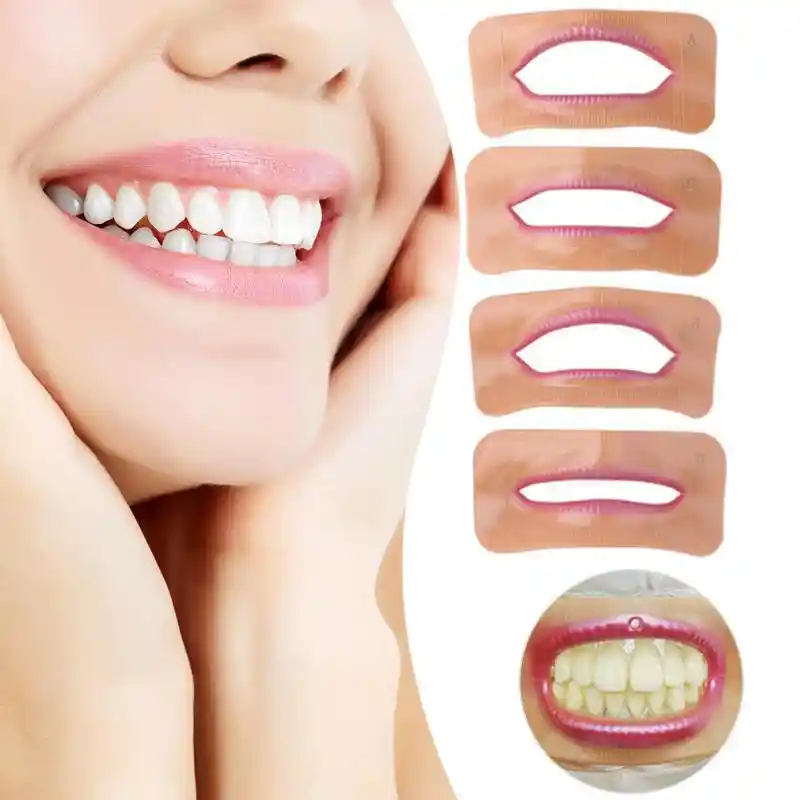
- In-clinic whitening (sometimes called laser or LED whitening): After a quick scaling and polishing to remove plaque and surface stain, your dentist records your current shade, protects your gums, and applies a professional-strength whitening gel, usually hydrogen peroxide. A special light may be used to speed up the reaction. In about 45–90 minutes, you can see a noticeable change, often several shades brighter. This is a great “one-and-done” option if you want fast results before a trip or special event.
- Custom take-home trays: Your dentist makes clear trays fitted to your teeth and provides a gentler whitening gel, often carbamide peroxide. You wear the trays for a set time each day—some people prefer overnight—for 1–2 weeks. This method is flexible, budget-friendly, and good for topping up results over time.
- Combination approach: Many clinics offer an in-clinic session followed by a take-home kit. You get the immediate wow of the clinic treatment plus the control to maintain your shade for months.
For very heavy staining or internal discoloration that doesn’t respond to whitening, your dentist may suggest microabrasion, bonding, or veneers. But for typical coffee and tea stains, bleaching works very well.
What to expect during treatment
A proper consultation comes first. The dentist checks your gums and teeth, makes sure there’s no decay or gum inflammation, and discusses your shade goals. If you have sensitive teeth, they may recommend a desensitizing toothpaste beforehand. During in-clinic whitening, you’ll lie back, put on protective eyewear, and relax while the gel does its work in several short rounds. You may feel a bit of tingling or “zingers,” but many people find it very manageable—no worries, not scary at all.
Common questions answered
- Will whitening damage enamel? When performed by a licensed dentist using approved products, whitening does not damage healthy
enamel. The gel temporarily opens the enamel’s pores to release stains and then your saliva re-mineralizes the surface.
- How long do results last? Typically 6–12 months for coffee and tea drinkers, depending on your habits and oral hygiene. With good care and occasional top-ups, results can last longer.
- What about fillings, veneers, or crowns? Whitening gels do not change the color of artificial materials. Your dentist will explain how to balance shades if you have restorations.
- Is sensitivity normal? Mild sensitivity for 24–48 hours is common. It settles down quickly with the right aftercare.
Keeping your smile bright after whitening
First 48 hours:
- Stick to a “white diet.” Avoid strong colors like black coffee, cha yen, red wine, dark curries, soy sauce, and beetroot.
- Skip tobacco and betel nut.
- Choose room-temperature or cool drinks and go easy on the ice right after treatment to minimize sensitivity.
Ongoing habits:
- Rinse with water after coffee or tea, especially if you love café boran or milk tea during the day.
- Use a straw for iced drinks to reduce contact with front teeth.
- Brush twice a day with a fluoride toothpaste; consider a whitening or stain-control toothpaste a few times a week (don’t overdo abrasives).
- Floss daily and schedule scaling and polishing every 6 months.
- Keep your custom trays for easy touch-ups every 6–12 months, as advised by your dentist.
Choosing the right clinic in Thailand
- Location and convenience: Many clinics are near BTS or MRT, or tucked inside a soi close to malls and offices. Evening and weekend hours are common.
- Credentials and communication: Look for licensed dentists, clear explanations in English or Thai, and before-and-after photos of real patients.
- Technology and materials: Ask about the whitening system used, gel strength, and whether a desensitizing protocol is included.
- Transparent pricing and promotions: Thailand is known for good value. Clinics often have packages that include cleaning plus whitening, or bundle a take-home kit for maintenance.
Cost and value
While prices vary by city and clinic, teeth whitening in Thailand is generally very competitive compared to Western countries. You’re paying for professional care, medical-grade materials, and a comfortable experience—not just the shade change. If you’re an expat or traveler, this can be a smart time to combine a beach holiday or a Bangkok food tour with a smile upgrade—same same but different, but definitely brighter.
Small lifestyle tweaks for coffee and tea lovers
- Choose lighter roasts or add a splash of milk to reduce staining potential.
- Try cold brew, which can be less acidic and gentler on enamel.
- Keep a reusable straw in your bag for iced drinks.
- Use a desensitizing toothpaste with potassium nitrate if sensitivity pops up.
- Don’t brush immediately after acidic drinks; rinse first and wait 20–30 minutes before brushing to protect enamel.
The bottom line
If coffee and tea are part of your Thai routine, you don’t have to say goodbye to them to keep a bright smile. Professional teeth whitening in Thailand is safe, efficient, and tailored to your lifestyle. With the right clinic, sensible aftercare, and a few “smart sipping” habits, you can enjoy your daily caffeine fix and still flash a confident, camera-ready grin. Mai pen rai—your smile can be as sunny as a Bangkok morning.