Thailand Root Canal Infection Risks – How Clinics Prevent Issues
**Thailand Root Canal Infection Risks – How Clinics Prevent Issues**
For many people living in or visiting Thailand, getting dental treatment here is both convenient and affordable. Modern dental clinics in Bangkok, Chiang Mai, Phuket, and other popular areas are known for their skilled dentists and advanced equipment. Root canal treatments, in particular, are a common procedure to save a damaged tooth. However, as with any dental work, one concern patients often have is the risk of a root canal infection. Understanding these risks – and knowing how Thai dental clinics work to prevent them – can help you feel more confident before booking your appointment.
### Why Root Canal Treatment Is Needed
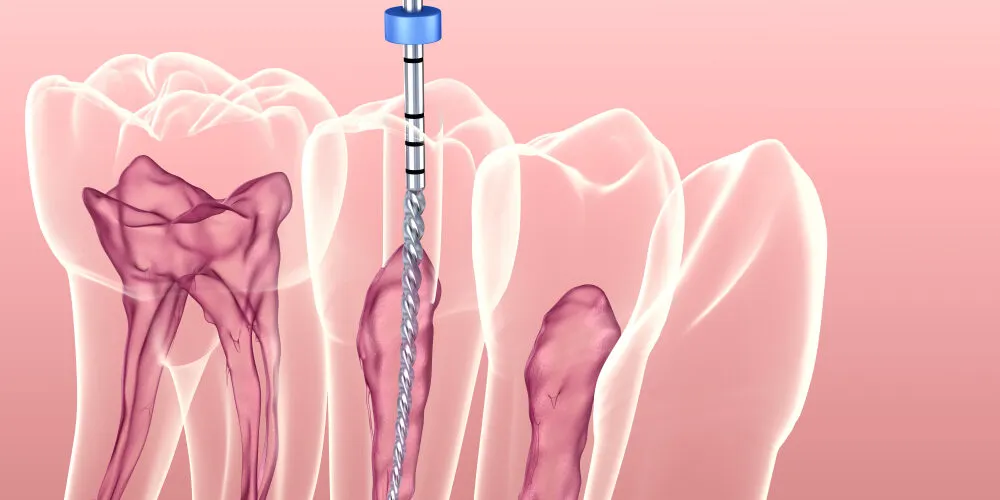
A root canal becomes necessary when the soft tissue inside your tooth, known as the pulp, becomes inflamed or infected. This can happen due to deep decay, repeated dental procedures on the same tooth, cracks, or injury. Without treatment, the infection can spread, leading to pain, swelling, and possibly tooth loss. In Thailand, root canal procedures are performed by general dentists or endodontists – specialists who focus on treating the inside of teeth.
### Understanding the Risks of Infection
Just like in other countries, root canal infections in Thailand can arise from a few common causes:
1. **Incomplete Removal of Bacteria** – If all the infected pulp tissue is not thoroughly cleaned out, bacteria can remain and cause problems later.
2. **Complex Root Canal Shapes** – Some teeth have intricate root structures, making it harder to clean all areas effectively.
3. **Contamination During Treatment** – If the treatment area is not isolated properly, saliva or other contaminants may enter the tooth canal.
4. **Poor-Quality Restoration** – A crown or filling that does not fully seal the tooth can allow bacteria to re-enter.
While these risks exist, they are relatively low in reputable Thai clinics thanks to strict hygiene protocols.
### How Thai Clinics Minimize Infection Risks
Thailand’s private dental sector is highly competitive. Clinics strive to meet international standards not just to attract local patients, but also to serve the growing number of dental tourists. Here are some ways they prevent root canal infections:
#### 1. Advanced Diagnostic Tools
Before starting a root canal, dentists in Thailand commonly use digital X-rays or 3D CBCT scans. These imaging tools allow them to see the complete root structure and detect any hidden canals, reducing the chance of missed infection areas.
#### 2. Strict Sterilization Procedures
Most modern Thai clinics follow rigorous sterilization techniques. Dental instruments are cleaned using autoclaves – high-pressure steam devices that kill all bacteria and viruses. Surfaces, gloves, and masks are changed regularly, and disposable items are used wherever possible. This attention to detail helps avoid cross-contamination.
#### 3. Rubber Dam Isolation
A rubber dam is a small sheet placed over the tooth during treatment. It isolates the tooth from the mouth environment so that saliva and bacteria cannot interfere with the procedure. Thai dentists trained in international methods often use this routinely, making the process safer and more comfortable.
#### 4. Use of Modern Cleaning Technology
Many clinics employ rotary files and ultrasonic tools to clean out the canals more efficiently. Combined with disinfecting solutions, these methods ensure thorough removal of infected tissue.
#### 5. Skilled Restoration Work
After cleaning the tooth, proper sealing is crucial. In Thailand, it’s common for dentists to place a temporary filling and later add a permanent crown or filling. This extra step ensures the tooth is protected against future bacterial entry.
#### 6. Follow-Up Appointments
Thai dental professionals value aftercare. Patients are often invited back for follow-up visits to monitor healing and detect any early signs of infection.
### Why Patients Choose Thailand for Root Canal Treatments
While affordability is a big attraction, many patients also value the warm, friendly approach of Thai dental staff. It’s common for clinics to offer flexible appointment times, English-speaking dentists, and a welcoming environment. Combined with high hygiene standards, this makes Thailand a safe choice for root canal procedures.
### Tips for Reducing Your Own Risk
Even with excellent dental care, you play a role in keeping your root canal healthy. Here’s what you can do:
- **Follow your dentist’s instructions** on taking antibiotics or pain relief if prescribed.
- **Maintain good oral hygiene** by brushing and flossing regularly.
- **Avoid chewing hard foods** on the treated tooth until it’s fully restored.
- **Report any discomfort** such as swelling, pain, or unusual sensitivity after treatment.
By staying proactive, you help ensure your root canal remains infection-free.
### The Bottom Line
Root canal infections are a concern everywhere, but in Thailand, modern clinics use advanced technology, international sterilization standards, and careful treatment planning to significantly minimize the risks. Whether you live here or are visiting for dental tourism, choosing a reputable clinic with experienced dentists is essential. With the right combination of professional skill and patient care, root canal treatment in Thailand can be a safe, effective way to preserve your smile.
If you’re considering dental work during your time in Thailand, take the time to research clinics, read reviews, and book an initial consultation. Understanding both the procedure and the preventive measures taken will help you feel at ease – and that’s the first step towards healthy, worry-free teeth.