Who Should Avoid Root Canal Treatment in Thailand – Medical Tips
**Who Should Avoid Root Canal Treatment in Thailand – Medical Tips**
When it comes to dental care in Thailand, root canal treatment is one of the most common procedures offered by clinics across Bangkok, Chiang Mai, Phuket, and other popular cities. It’s a reliable method to save a tooth that has been badly decayed or infected. However, not everyone is an ideal candidate for this type of dental work. Understanding who may need to avoid root canal treatment can help you make better decisions for your oral health, especially if you’re considering visiting a dentist in Thailand.
This guide shares medical insights and practical tips so you can know when a root canal may not be the best option, and what alternatives might suit you better.
---
### **What is Root Canal Treatment?**
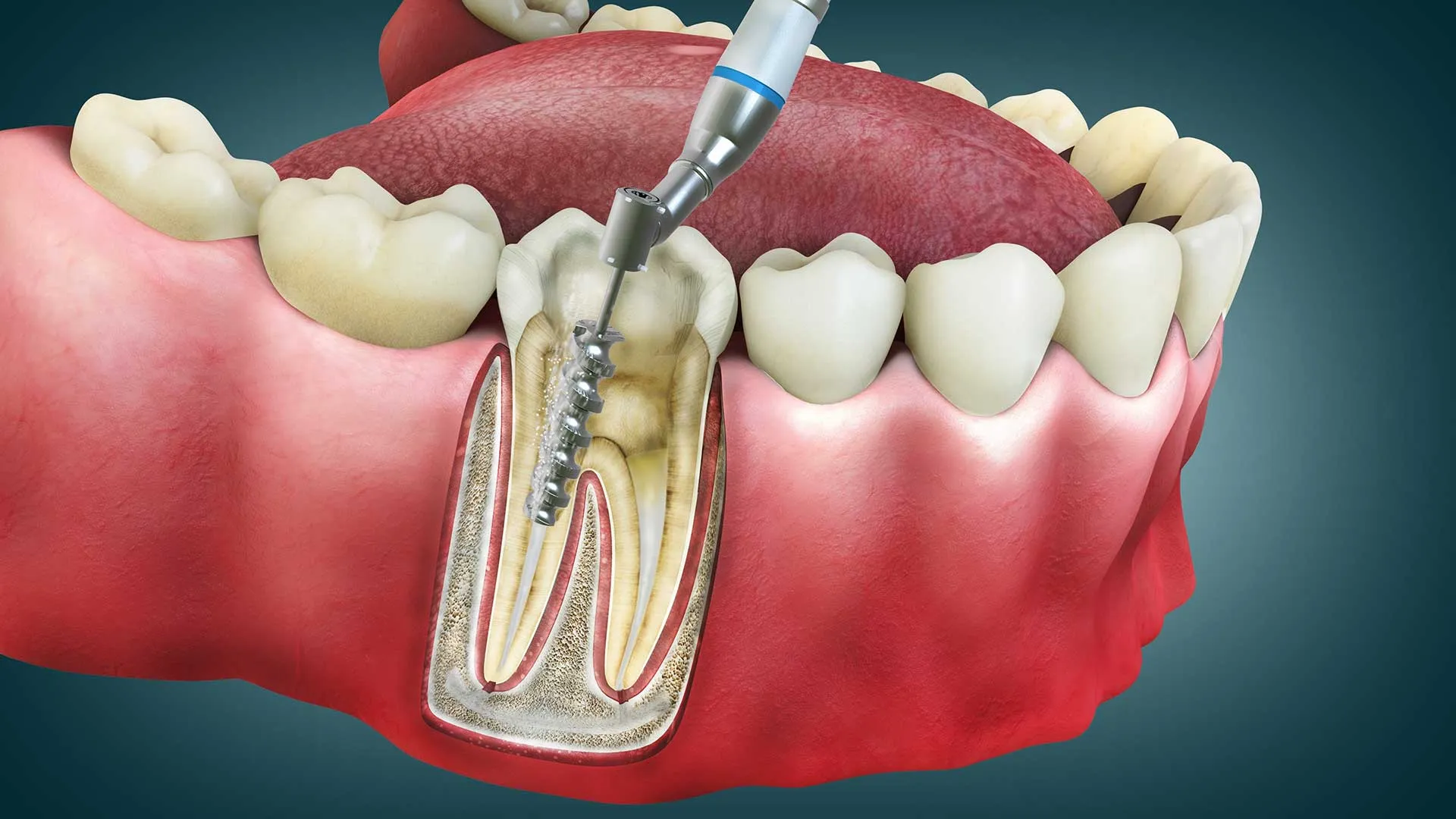
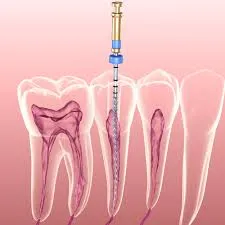
In simple terms, a root canal involves cleaning out the infected pulp inside your tooth, disinfecting the space, and sealing it to prevent further damage. Thai dentists often use advanced equipment and pain-control methods to make the procedure as comfortable as possible. It’s a solution that can save your natural tooth rather than removing it altogether.
However, even though root canal therapy is effective, there are specific situations where it might not be recommended.
---
### **When to Avoid Root Canal Treatment**
#### **1. Advanced Tooth Damage**
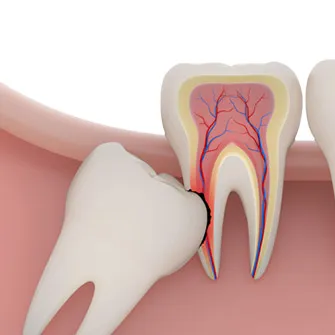
If your tooth is so damaged that the remaining structure is too weak to hold a crown or filling, a root canal may not be worth the effort. Many dental experts in Thailand will suggest extraction in such cases, followed by a dental implant or bridge. This can provide a more durable and functional solution.
#### **2. Severe Gum Disease**
Periodontal disease is quite common worldwide, and Thailand is no exception. If your gums and supporting bone are badly affected, performing a root canal might not help because the root structure cannot be supported properly. In these cases, treating the gum disease first or opting for a different restoration method is often the recommended path.
#### **3. Poor Overall Health Condition**
Patients with certain medical conditions, such as uncontrolled diabetes, severe heart problems, or compromised immune systems, may be advised to delay or avoid root canal treatment. Infections can spread more easily in such situations, and healing might be slower. Thai dentists typically request a medical history before proceeding to ensure safety.
#### **4. Allergy to Materials**
Although rare, some patients may be allergic to materials used in dental procedures such as latex, certain metals, or acrylics. If you have a known allergy, discuss it with your dentist in Thailand before starting treatment. Avoiding a root canal might be safer if a suitable substitute material is not available.
#### **5. Difficulty Accessing the Tooth**
Certain teeth, especially upper molars, can be tricky to access due to positioning or bone structure. In such cases, some dentists may suggest alternative treatments rather than attempting a complex root canal that carries a higher risk of failure.
---
### **Alternative Options in Thailand**
If a root canal isn’t suitable for you, several alternatives are available in Thailand’s dental clinics:
- **Tooth Extraction and Implant:** Removing the damaged tooth and replacing it with a titanium implant is a popular choice in Thailand.
- **Dental Bridge:** If implants are not possible, bridges can effectively fill the gap.
- **Partial Denture:** This is a more affordable option for patients with multiple missing teeth.
- **Pulp Capping:** In less severe cases, protecting the pulp and allowing healing might work instead of a full root canal.
Discuss each option with your dentist to understand the long-term benefits and costs.
---
### **Things to Know Before Visiting a Dentist in Thailand**
- **Cost Transparency:** Dental treatment in Thailand is known for being more affordable compared to Western countries. However, prices vary depending on location, clinic reputation, and treatment complexity. Always request a clear cost breakdown.
- **Language Considerations:** Many Thai dentists in major cities speak English, but it’s still good to confirm to avoid misunderstandings.
- **Sterilization Standards:** Reputable clinics in Bangkok, Pattaya, and Phuket follow international sterilization standards. Still, always check for certifications and hygiene practices.
- **Treatment Duration:** A root canal usually takes one or two visits. If you’re a tourist, plan enough time to complete the whole procedure or opt for an alternative treatment that fits your travel schedule.
---
### **Practical Medical Tips**
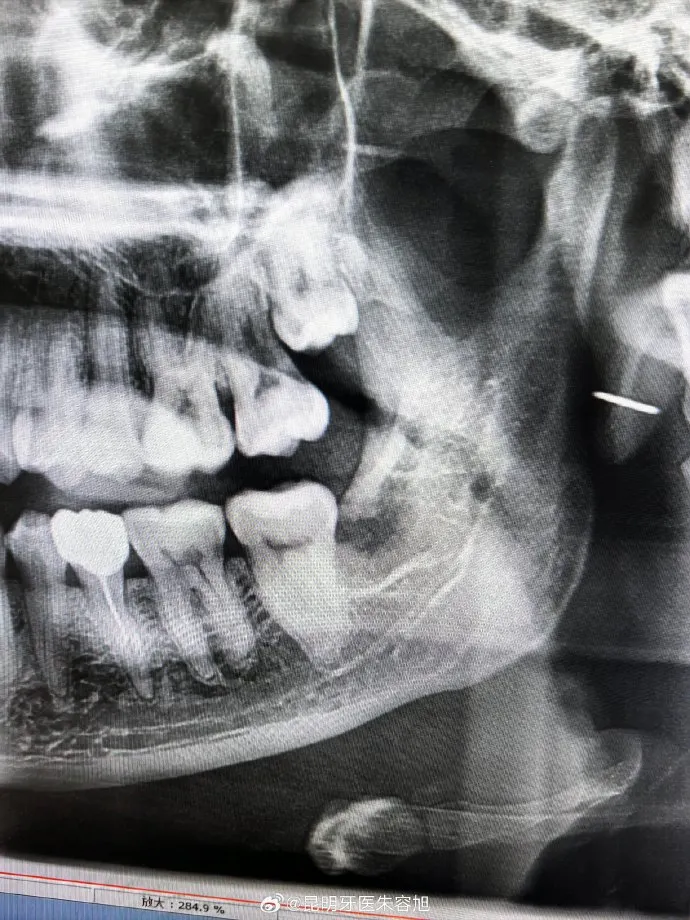
1. **Get a Full Dental Examination:** Before deciding on root canal treatment, ask for X-rays and a full oral screening to confirm if the tooth can be saved.
2. **Discuss Health History:** Be open with your dentist about medical conditions or medications. This helps them ensure the treatment is safe.
3. **Consider Long-Term Dental Health:** Sometimes removing a severely damaged tooth can be better for your future oral health than trying to save it.
4. **Maintain Good Oral Hygiene:** Whether you get a root canal or an alternative treatment, brushing twice a day, flossing, and regular check-ups at the dentist will reduce the risk of more problems.
5. **Be Realistic About Outcomes:** Even with advanced techniques available in Thailand, not every tooth can be saved. Your dentist’s goal is to protect your overall health, not just a single tooth.
---
### **Conclusion**
While root canal treatment is a valuable procedure in modern dentistry and widely available in Thailand, it’s not suitable for everyone. People with extreme tooth damage, advanced gum disease, or certain medical conditions may be better off choosing alternative dental solutions.
Thailand’s dental clinics are well-equipped to evaluate your oral health and offer options that suit your needs, lifestyle, and budget. The key is to have an open discussion with a qualified dentist, understand the pros and cons, and always prioritize your long-term health over short-term fixes.
Whether you’re living in Bangkok or visiting Chiang Mai for a dental holiday, knowing who should avoid root canal treatment will save you time, money, and unnecessary discomfort – helping you smile with confidence for years to come.