Thailand Root Canal Success Rate – What the Data Shows
Thailand Root Canal Success Rate – What the Data Shows
**Thailand Root Canal Success Rate – What the Data Shows**
When it comes to saving a damaged or infected tooth, root canal treatment has long been the go-to procedure worldwide. In Thailand, dental care has earned a strong reputation both among locals and international patients, thanks to skilled dentists, modern clinics, and competitive pricing. But beyond the cost and convenience, many people want to know: *How successful are root canal treatments in Thailand?* Let’s look at what the data reveals, and what you should consider before making a decision.
---
### Understanding Root Canal Treatment
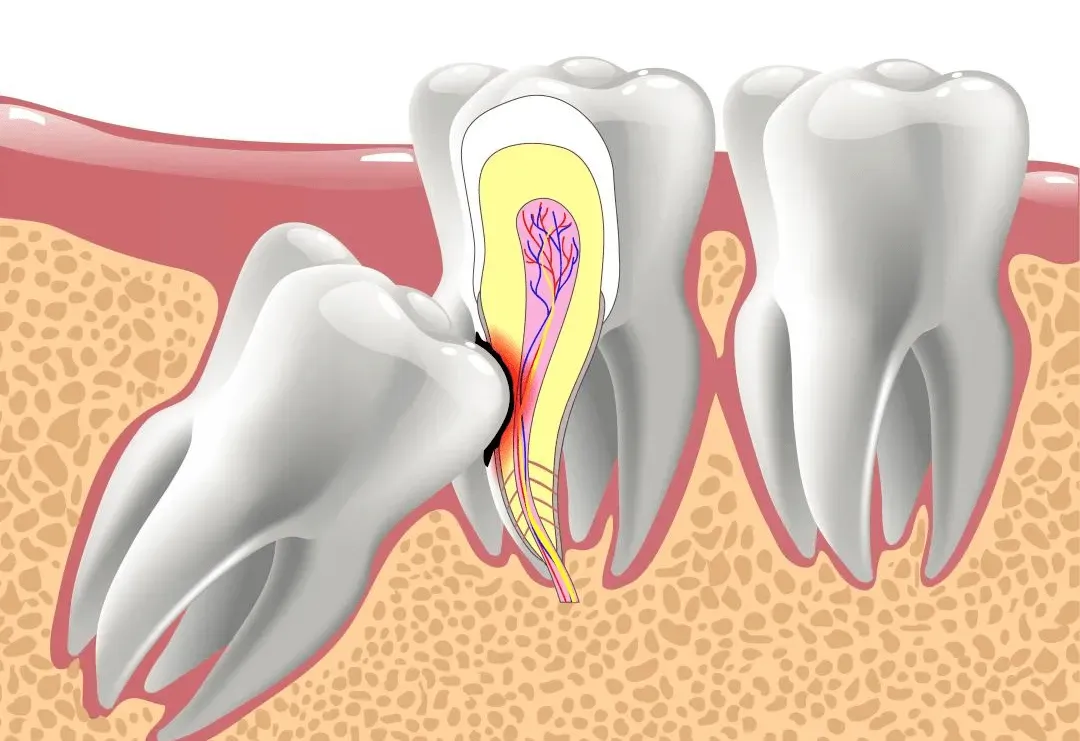
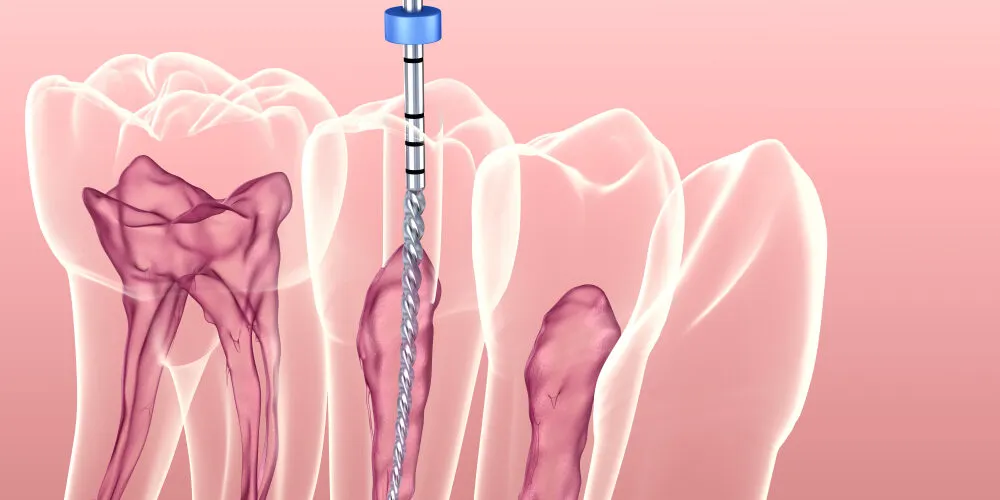
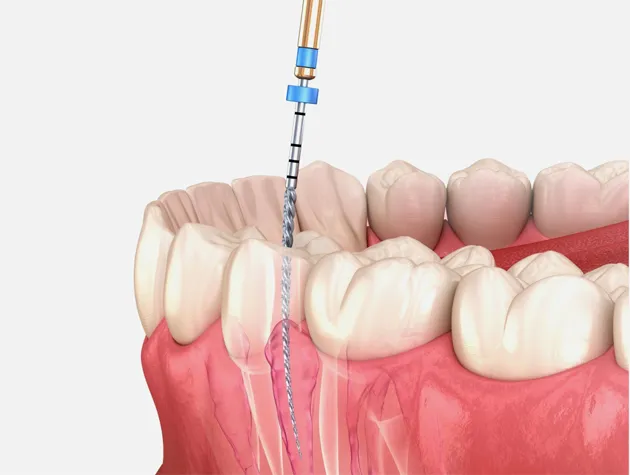
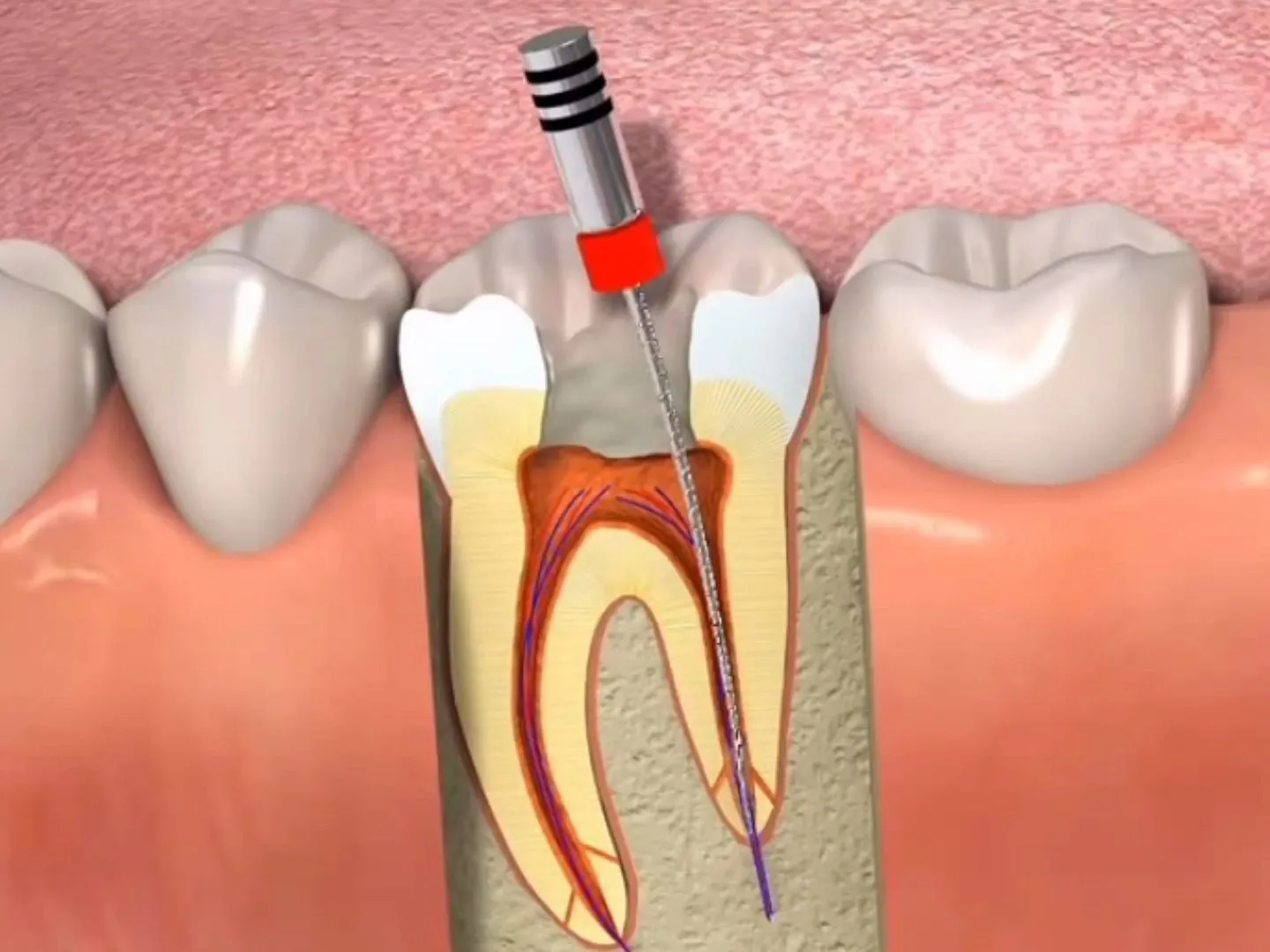
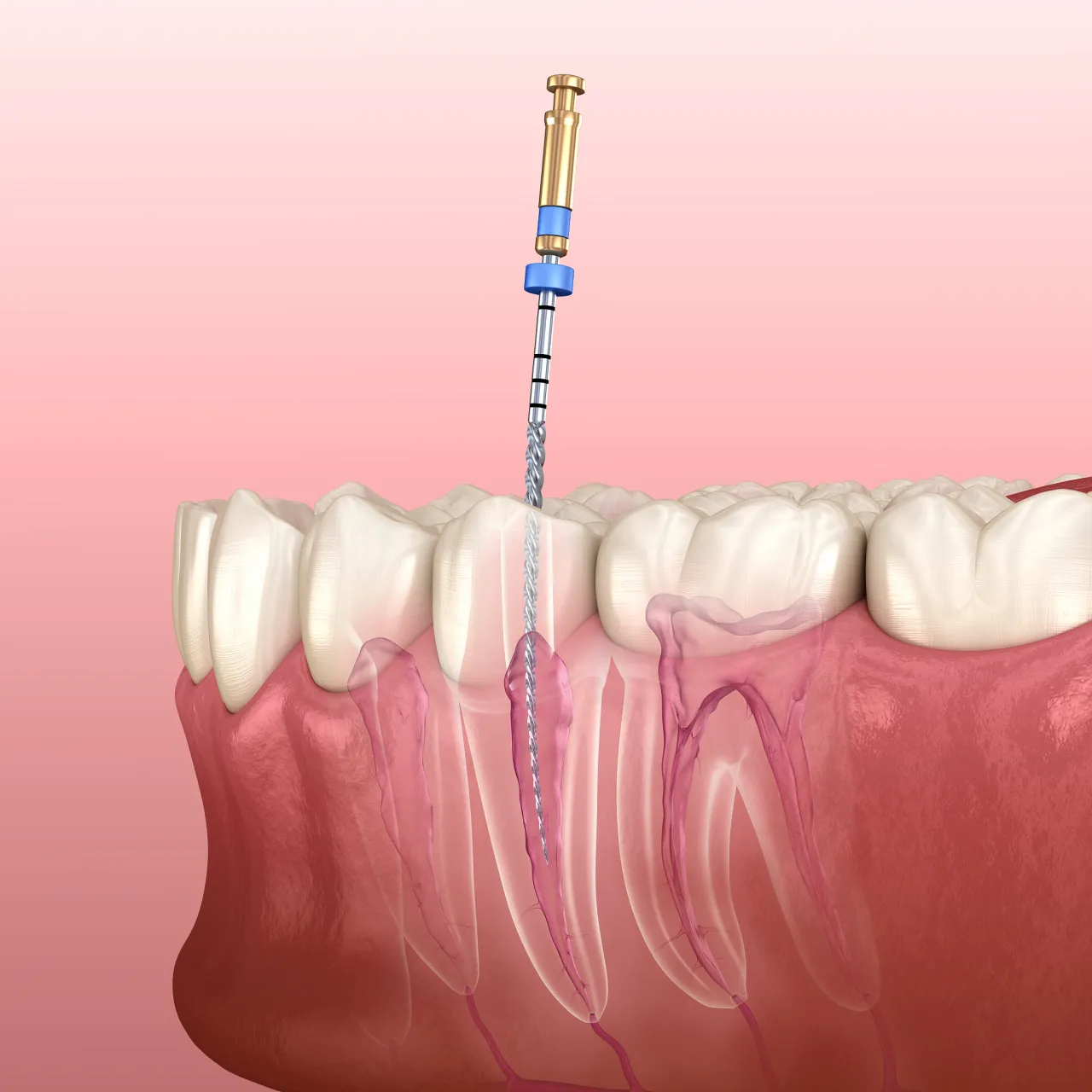
A root canal is performed when the inside of a tooth — the pulp — becomes infected or inflamed due to deep decay, repeated dental work, or an injury. The dentist removes the affected tissue, cleans the canal, and seals it to prevent reinfection. In Thailand, this procedure is generally carried out using modern dental equipment, often with digital X-rays and rotary instruments, to increase precision and efficiency.
The idea of a root canal often brings to mind discomfort, but advances in local anaesthesia and improved techniques mean most patients experience minimal pain. In Thai dental clinics, it’s common for patients to hear dentists explain procedures in a friendly, reassuring manner, sometimes mixing English with Thai phrases to help foreigners feel at ease.
---
### Success Rate Statistics in Thailand
Globally, the average success rate of root canal therapy ranges between 85% and 95%, depending on multiple factors. In Thailand, data from university dental faculties and private clinic records fall well within this benchmark. In fact, certain high-end clinics in Bangkok, Chiang Mai, and Phuket report success rates at the upper end of the global range — around 90–95% — especially when follow-up care instructions are closely followed.
Thai dentists often attribute these strong outcomes to:
1. **Advanced training** – Many specialists in endodontics (root canal experts) have undergone training abroad, in countries like Australia, Japan, or the USA, bringing back international best practices.
2. **Use of modern tools** – Rotary nickel-titanium instruments, surgical microscopes, and advanced irrigation systems help achieve thorough cleaning and shaping of canals.
3. **Rigorous infection control** – Thai clinics typically comply with strict sterilisation protocols, monitored by government or international accreditation bodies.
It’s worth noting that the success rate is not simply a number — it depends heavily on patient cooperation, the complexity of the dental case, and the timeliness of treatment.
---
### Factors That Influence Success
Just as in any country, the outcome of a root canal in Thailand can be affected by several factors:
- **Stage of infection**: A tooth treated early after symptoms appear has a higher chance of success than one left unattended for months.
- **Number and shape of canals**: Some teeth, such as molars, have complex canal systems that require more skill to treat effectively.
- **Post-treatment restoration**: Placing a crown after root canal therapy helps protect the tooth and greatly increases longevity.
- **Patient follow-up*
*: Regular check-ups ensure any post-procedure issues are spotted early.
In Thai dental culture, there’s a strong emphasis on “preventive check-ups” rather than only fixing problems when pain becomes severe. This preventive mindset also contributes to better long-term results.
---
### Why Patients Choose Thailand
Thailand’s dental tourism sector is one of the largest in Southeast Asia. Patients from nearby ASEAN countries, Australia, and Europe often visit for both the holiday and healthcare benefits. Attractive factors include:
- **Lower costs**: Root canal treatment can be significantly more affordable than in Western countries, without compromising on quality.
- **High-quality care**: Many clinics hold ISO certification or are affiliated with international dental bodies.
- **Comfortable environment**: Clinics often present a spa-like atmosphere with warm service, making the experience less stressful.
A common phrase among locals is *“Mai pen rai”* — meaning “It’s okay” or “Don’t worry.” This relaxed, reassuring attitude often extends into the dental experience, especially for anxious patients.
---
### Combining Treatment With Your Stay
For dental tourists, timing is important. A root canal may require one to three visits depending on the complexity. In Bangkok or Chiang Mai, it’s common for clinics to arrange appointments around sightseeing plans. However, dentists usually advise avoiding extra stress or long trips immediately after the procedure to allow healing.
Some visitors plan their treatment during the cooler season between November and February when the weather is pleasant, making recovery and sightseeing more enjoyable.
---
### Tips to Ensure the Best Outcome in Thailand
If you’re considering a root canal in Thailand, here are some practical points to remember:
1. **Check dentist credentials** – Look for endodontists or general dentists with experience specifically in root canal therapy.
2. **Confirm technology availability** – Ask about the tools they use, such as dental microscopes or ultrasonics for cleaning canals.
3. **Follow aftercare instructions strictly** – This may include avoiding chewing on the treated tooth until the crown is placed.
4. **Plan sufficient time** – Ensure you’re not rushing appointments due to travel schedules.
5. **Keep communication clear** – If English is not the dentist’s first language, clarify each step so you feel confident and informed.
---
### Final Thoughts
Thailand’s root canal success rate stands competitively alongside global standards, often matching or exceeding those in higher-cost countries. The combination of skilled professionals, modern technology, and a patient-friendly culture makes it an appealing option for locals and foreigners alike.
As with all dental procedures, individual results vary, but with proper research, timely action, and adherence to post-treatment care, the chances of a lasting, pain-free result are high.
In short, the data shows what many former patients already know — having a root canal in Thailand is not only affordable and accessible, but also supported by impressive success rates that make it a trusted choice for preserving your natural smile.