Thailand Root Canal Retreatments – When Is It Needed
Thailand Root Canal Retreatments – When Is It Needed
**Thailand Root Canal Retreatments – When Is It Needed**
When it comes to dental care, Thailand has built an impressive reputation for combining professional skill with warm hospitality. Many people visit clinics across Bangkok, Chiang Mai, and Phuket not only for regular check-ups but also for advanced dental treatments. One of the more specialised procedures offered here is root canal retreatment. But what exactly is it, and when might you need it?
### Understanding What Root Canal Retreatment Is
A root canal retreatment is a second attempt to save a tooth that has already undergone a root canal procedure in the past, but for some reason, has not healed as expected. In Thailand, skilled endodontists — dentists who specialise in treating the inside of the tooth — carry out this procedure using modern equipment and techniques.
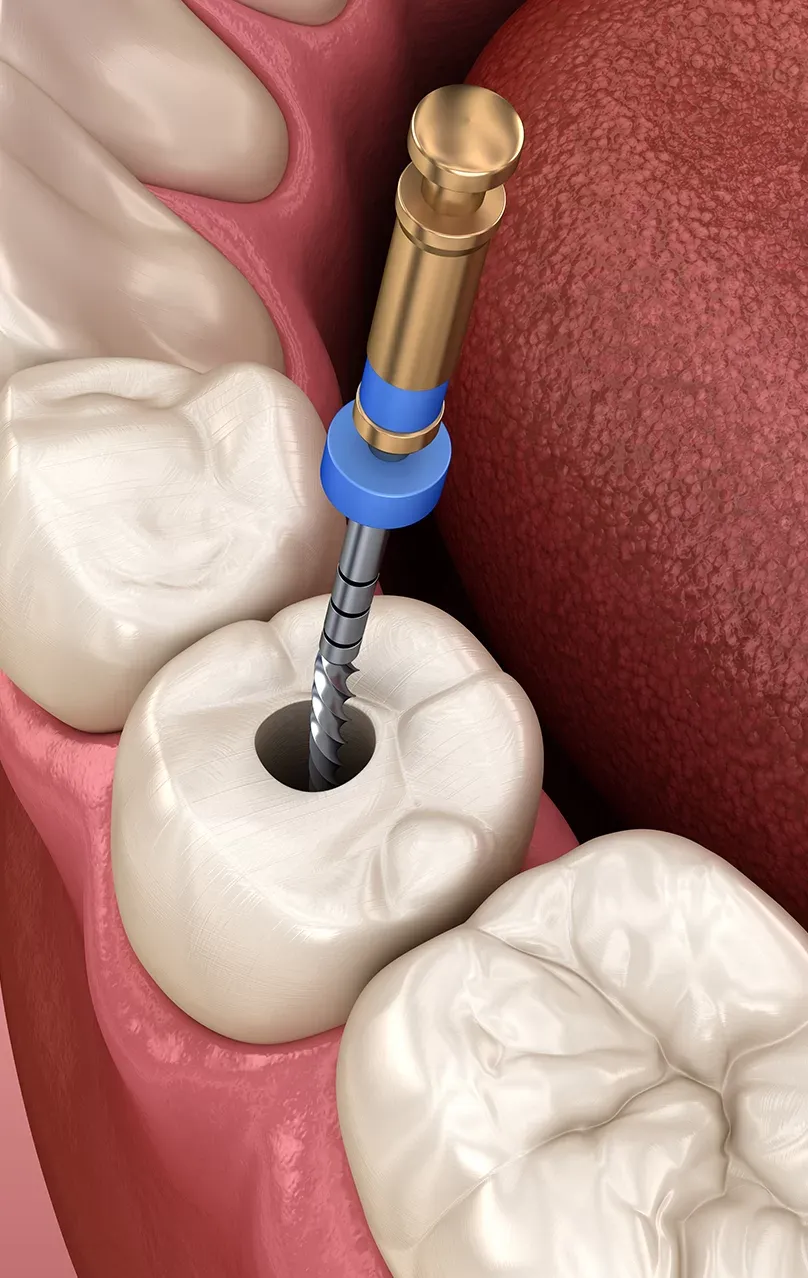
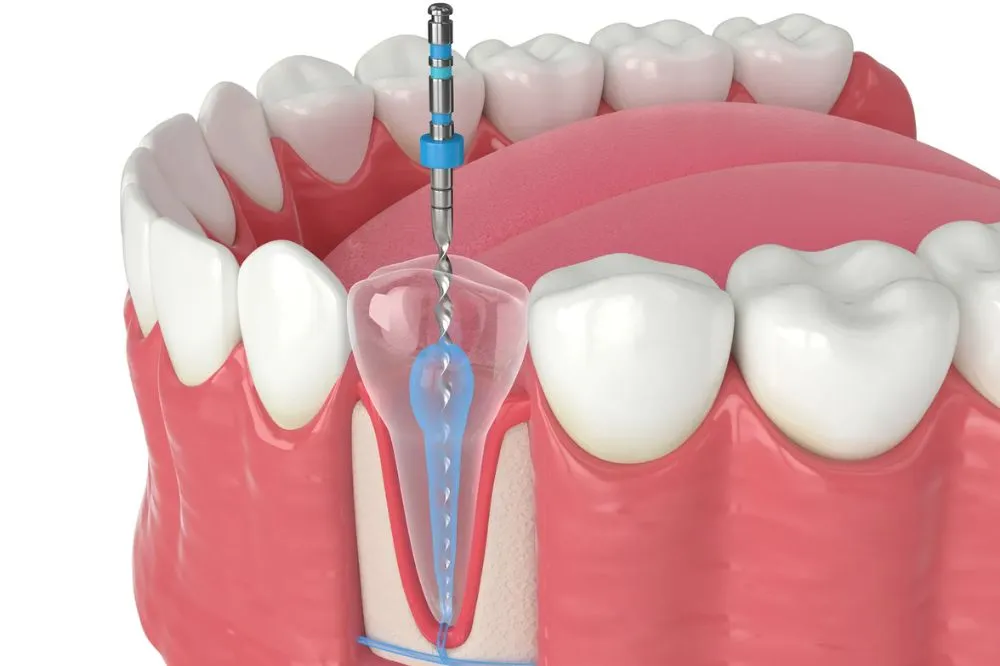
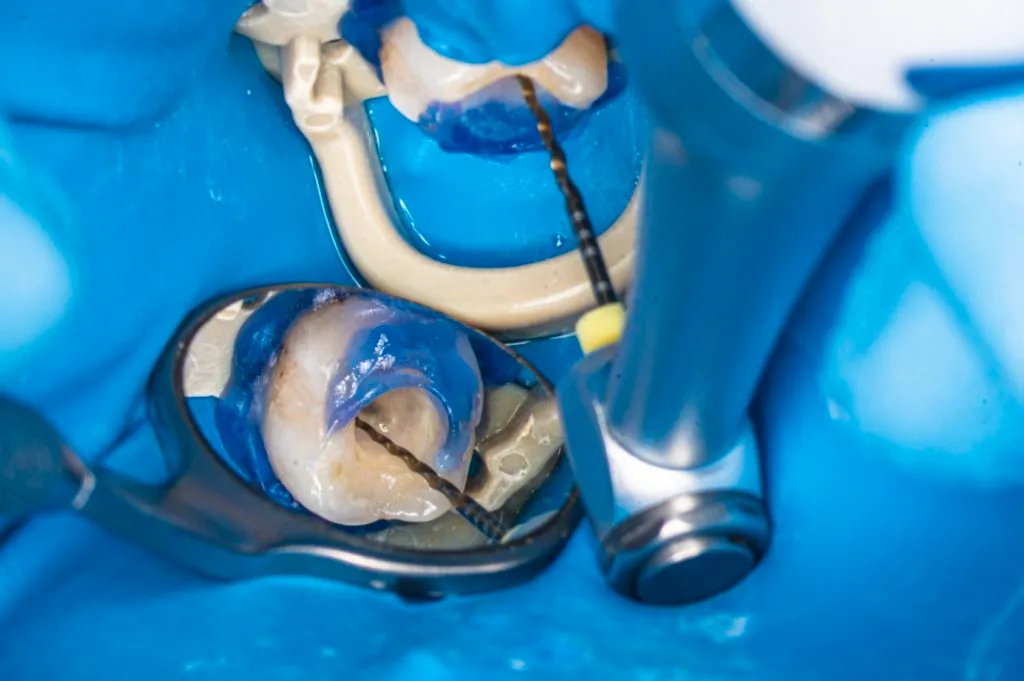
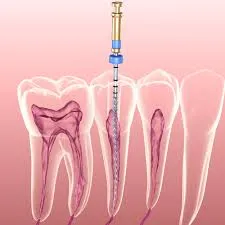
Essentially, during a retreatment, the dentist will reopen the tooth, carefully remove previous filling material, clean the canal again, and address any hidden or persistent infection. Then they will seal the tooth to protect it from further problems.
### Why Might Your First Root Canal Fail?
Root canals are highly successful overall, but no medical or dental procedure is guaranteed to work perfectly every time. In Thai clinics, patients are often informed about the potential reasons for failure, which can include:
- **Remaining Infection**: Sometimes bacteria remain in tiny unreachable areas inside the tooth, even after treatment. Over time, these can trigger pain or swelling.
- **Complex Tooth Anatomy**: Molars and premolars, for example, can have very complex root structures. A small canal could have been missed during the first procedure.
- **New Decay**: If the tooth’s protective crown or filling wears down or cracks, bacteria may find their way back inside and cause fresh infection.
- **Loose or Damaged Restoration**: Any damage to the crown or filling can compromise the seal, allowing contaminants to re-enter.
- **Time and Wear**: Even a well-treated tooth can face new problems years later simply due to normal wear and tear.
### Signs You Might Need Root Canal Retreatment
Thai dentists often emphasise that listening to your body is important. Here are common signs that suggest it may be time to revisit your dentist for a retreatment:
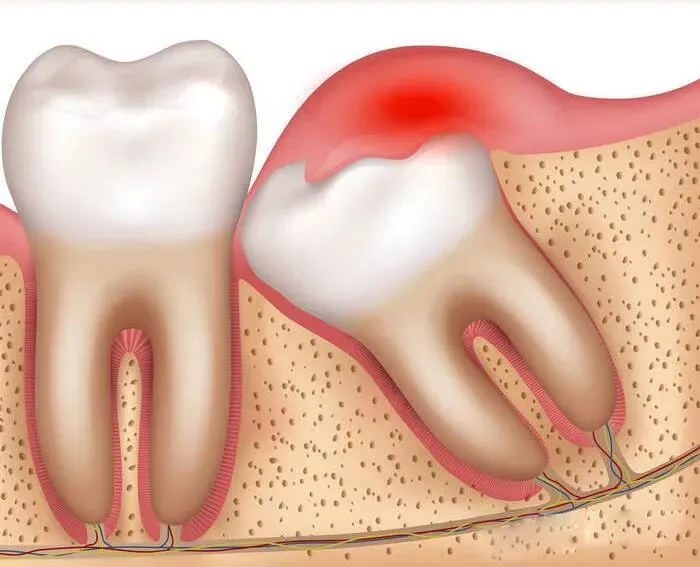
- Persistent pain in the tooth or surrounding gums
- Swelling around the tooth, jaw, or face
- Sensitivity when chewing or biting
- A small pimple-like bump on the gum near the tooth
- Darkening or discoloration of the tooth
It’s worth noting that some of these symptoms might be subtle. Even minor discomfort that lingers should not be ignored.
### The Retreatment Process in Thailand
Visiting a Thai dental clinic for retreatment often follows a straightforward, patient-friendly process:
1. **Consultation & Examination**
The dentist will review your dental history and perform a thorough examination. This usually includes X-rays to check the tooth’s current condition.
2. **Discus
sion of Options**
In Thailand, dentists are known for explaining treatment options clearly, including risks, costs, and alternatives such as extraction or implants.
3. **Procedure Day**
Using local anaesthesia, the dentist will gently access the tooth, remove old material, and clean the canals more thoroughly. Advanced clinics may use dental microscopes for better precision.
4. **Sealing & Restoration**
Once the tooth is disinfected, the canals will be resealed. A new crown or filling is placed to protect the tooth and restore function.
5. **Follow-up Care**
Many Thai clinics schedule follow-ups to ensure proper healing and comfort.
### Benefits of Doing Root Canal Retreatment in Thailand
Thailand’s dental tourism industry has grown significantly, and there are clear reasons why retreatments here are appealing:
- **Highly Skilled Specialists**: Many endodontists have trained internationally and keep up with the latest standards.
- **Modern Facilities**: Dental clinics in cities like Bangkok and Phuket often have cutting-edge equipment for precise work.
- **Value for Money**: Treatment costs are often more affordable compared to many Western countries, even when factoring in travel expenses.
- **Comfort-Oriented Service**: Thai hospitality shines through in dental care, with staff aiming to keep you comfortable throughout your experience.
### Is Retreatment Always the Best Choice?
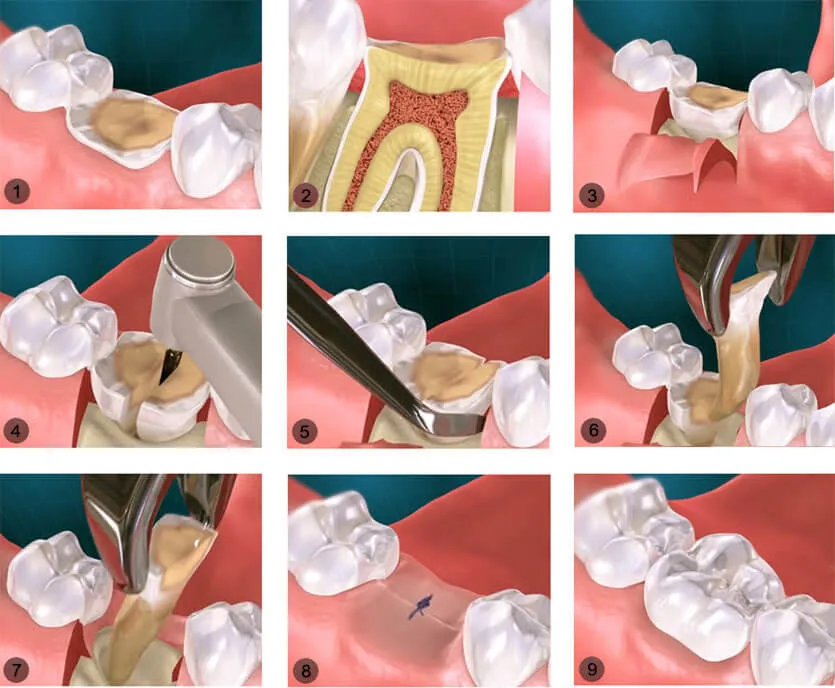
Not always. In some cases, the tooth may be too damaged or the surrounding bone too compromised to make retreatment viable. Your dentist may advise extraction followed by options like a dental implant or bridge. In Thailand, you’ll find specialists who can manage all these alternatives in the same clinic, making the transition smooth.
### Preventing the Need for Retreatment
While retreatments are effective, prevention is still preferable. Good oral hygiene, regular dental visits, and prompt attention to cracked crowns or fillings can extend the life of your dental work. In Thailand, routine check-ups every six months are common practice, helping catch issues early before they become bigger problems.
### Final Thoughts
Root canal retreatment in Thailand is not only a highly professional procedure but also an accessible one for locals and visitors alike. Whether you are in Bangkok for work or enjoying a holiday in Chiang Mai, it’s reassuring to know that expert dental help is close at hand if a treated tooth starts causing trouble.
If you notice recurring pain, swelling, or changes around a tooth that has had a root canal before, don’t wait for it to worsen. Book a consultation with a trusted Thai dentist to discuss your options. The sooner you address the issue, the greater the chances of saving your tooth and restoring your smile with minimal discomfort.
Healthy teeth make life in Thailand — from enjoying hot tom yum soup to biting into fresh tropical fruit — feel a lot brighter. So take care of them today, and they’ll take care of you for many years to come.