Is a Root Canal Safe During Pregnancy in Thailand
Is a Root Canal Safe During Pregnancy in Thailand
**Is a Root Canal Safe During Pregnancy in Thailand**
Pregnancy is a joyful and life-changing time, but for many mothers-to-be in Thailand, it also comes with unexpected health challenges — and dental issues are no exception. Tooth pain can be surprisingly common during pregnancy, and sometimes, a root canal is the best solution to prevent further complications. But many expectant mothers ask the same question: *Is a root canal safe during pregnancy in Thailand?*
The short answer is yes, in most cases it can be safe, but there are important factors to consider to ensure both mother and baby are protected. Let’s explore the details, from safety concerns to practical tips, so you can make an informed decision that suits your health needs while expecting.
---
### Why Dental Problems May Appear During Pregnancy
Changes in hormone levels during pregnancy can affect the gums and teeth in several ways. Increased progesterone and estrogen can cause gum sensitivity, making it easier for plaque to cause inflammation. Many women report swollen or bleeding gums, and others develop cavities more quickly due to changes in diet, morning sickness, or simply difficulty in maintaining their usual oral hygiene routines.
In Thailand, spicy and sweet foods are common in daily meals, and cravings during pregnancy can lead to more frequent snacking. This can increase the risk of tooth decay. If decay spreads deep into the tooth, it can reach the pulp, causing persistent pain or infection — at this point, a root canal treatment may be necessary.
---
### What Exactly Is a Root Canal?
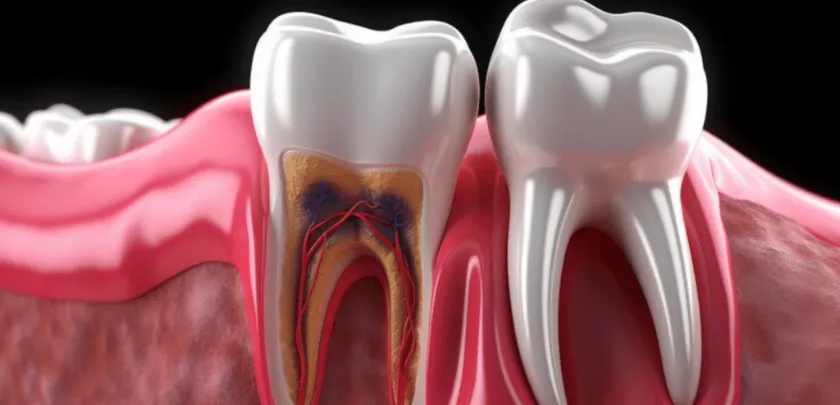
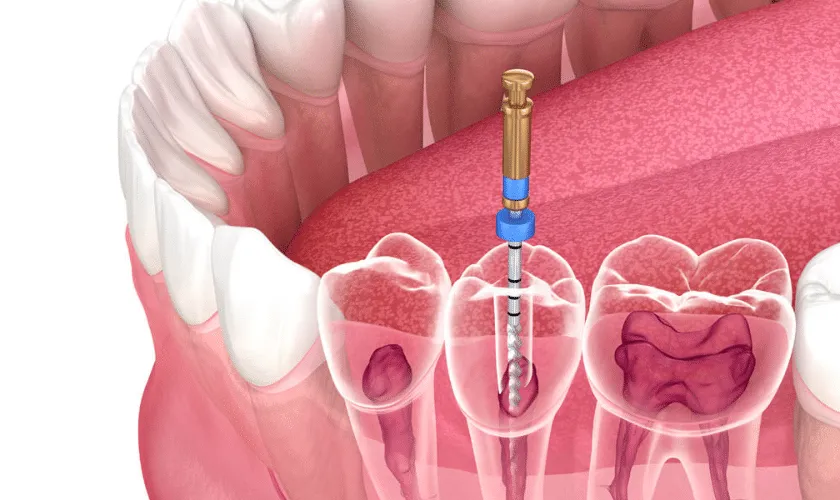
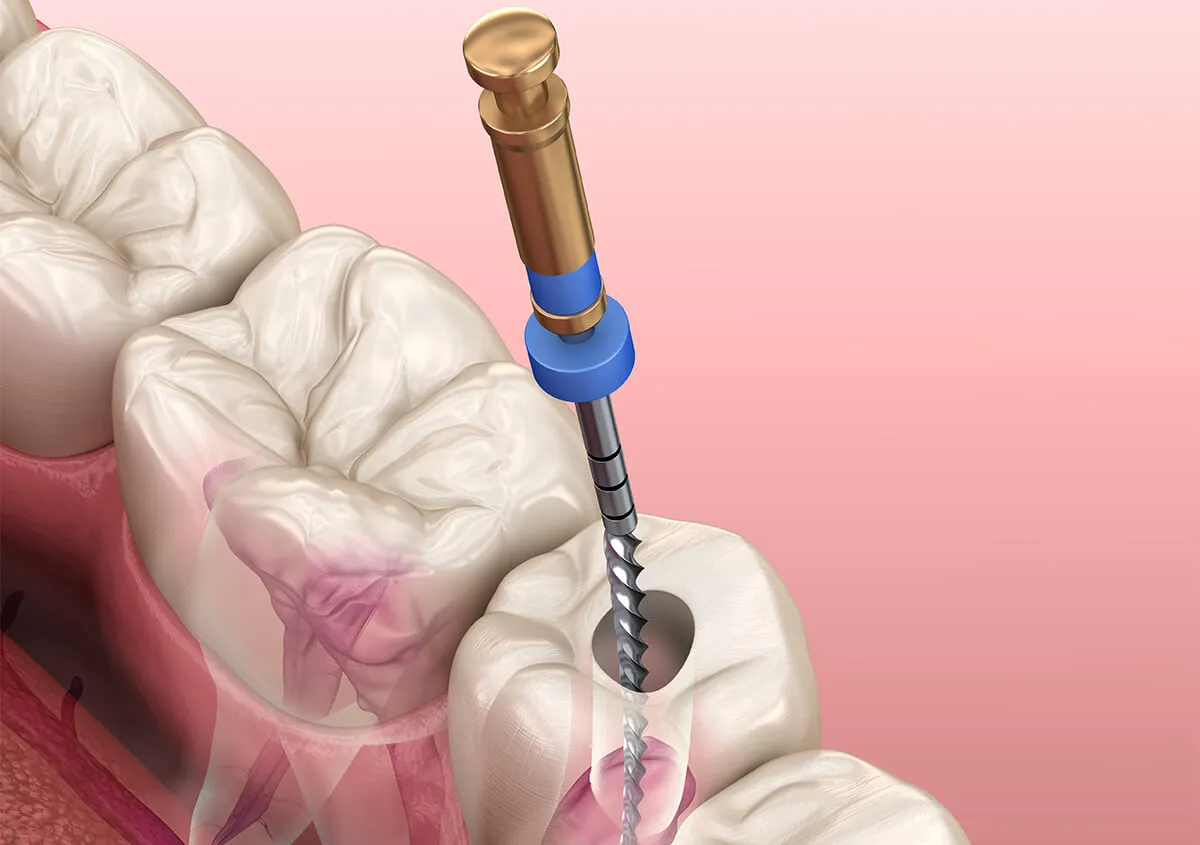
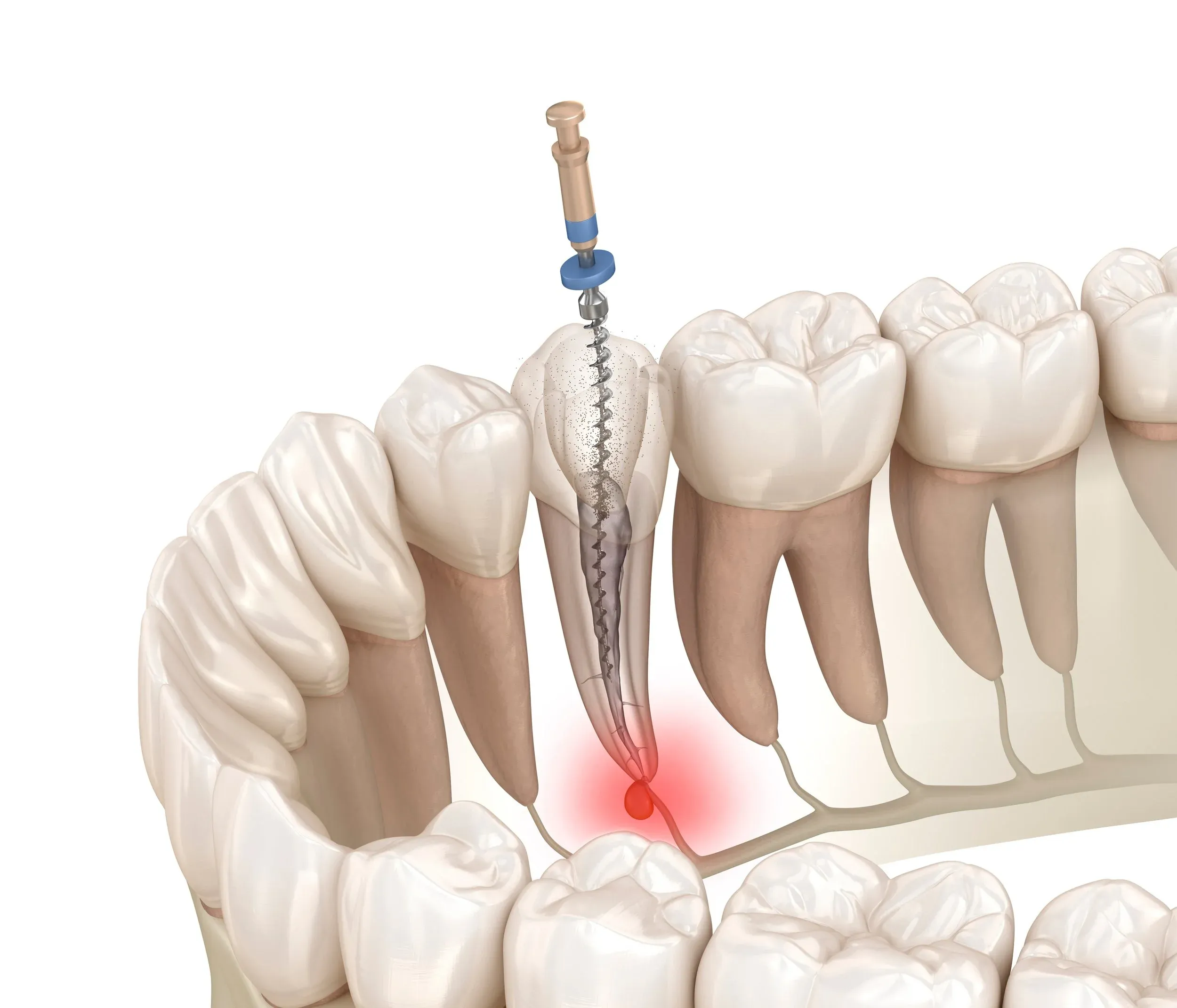
A root canal is a dental procedure used to treat painful or infected teeth by removing the damaged pulp inside the tooth. This prevents the spread of infection and saves the tooth from extraction. In Thailand, many modern dental clinics, especially in Bangkok, Chiang Mai, and Phuket, use advanced equipment to make the procedure quick and comfortable, often completed in one or two sessions.
---
### Is It Safe During Pregnancy?
Globally, dental experts, including those in Thailand, generally agree that necessary dental procedures can be performed safely during pregnancy — especially if they help prevent infection. Here are some key points for expectant mothers:
1. **Second Trimester Is Ideal**
The best time for non-emergency dental treatment is usually between the 13th and 24th week of pregnancy. This is when morning sickness often subsides, and you can lie back more comfortably during the procedure.
2. **Local Anaesthesia Is Generally Safe**
Dentists in Thailand typically use local anaesthesia like lidocaine, which is considered safe during pregnancy when used in proper doses. It’s important to inform your dentist that you are pregnant so they can adjust any medication accordingly.
3. **Avoid or Adapt X-rays**
Root canals often require dental X-rays to see the tooth’s structure. In Thailand, clinics follow safety protocols, such as using lead aprons to shield
your abdomen, but many dentists will try to minimise or postpone X-rays unless they are essential.
4. **Managing Stress and Comfort**
Dental clinics in Thailand often offer a calm environment, with gentle communication to help reduce anxiety. Comfort is key during pregnancy, so breaks during the procedure can be requested.
---
### The Risks of Delaying Treatment
Some mothers hesitate to get a root canal during pregnancy, hoping to wait until after the baby is born. However, untreated infections can spread to other parts of the body and may cause more serious health risks, including fever or complications that could affect the pregnancy.
In Thailand’s humid climate, infections can progress quickly if left untreated. By addressing the problem early, you can avoid emergency situations and keep both your oral health and overall well-being stable.
---
### Choosing the Right Dental Clinic in Thailand
Thailand offers a wide range of dental care options, from local neighbourhood dentists to internationally accredited clinics catering to expats and locals alike. When selecting a clinic during pregnancy:
- **Look for experienced dentists** who have handled pregnant patients before.
- **Ask about pregnancy-safe protocols**, such as protective measures for X-rays.
- **Check reviews** for patient comfort and communication skills — feeling at ease matters even more when you’re expecting.
- **Consider location and accessibility** so you avoid long travel times, especially in Bangkok traffic.
---
### Home Care Tips to Prevent Further Issues
While professional dental treatment is essential for serious issues, everyday habits can make a big difference in preventing future dental problems during pregnancy. In Thailand, where hot and sweet drinks like Thai tea and iced coffee are popular, it’s especially important to:
- Rinse your mouth after sugary drinks or snacks.
- Brush teeth twice a day with fluoride toothpaste.
- Floss daily to remove food particles between teeth.
- Drink plenty of water to keep your mouth hydrated and wash away bacteria.
---
### Final Thoughts
In Thailand, a root canal during pregnancy is often safe and can be an important step in protecting both maternal and fetal health when dental infection occurs. The key is to choose the right timing, rely on an experienced dentist, and ensure all safety measures are followed.
If you experience persistent tooth pain while pregnant, don’t ignore it. Scheduling a consultation at a trusted clinic will give you clear answers and peace of mind. Good dental care is a form of self-care — and keeping your smile healthy is part of keeping yourself and your baby healthy too.
---
By understanding the facts and working closely with knowledgeable dental professionals in Thailand, you can make confident decisions about your oral health during pregnancy. A root canal may sound intimidating, but with the right approach, it can be a safe and positive step for your well-being.