How Thailand Dentists Ensure Root Canal Sterility
How Thailand Dentists Ensure Root Canal Sterility
**How Thailand Dentists Ensure Root Canal Sterility**
When you hear the words “root canal,” it’s natural to think about precision dentistry and advanced care. In Thailand, dentists take this treatment seriously, not only for pain relief but also for the prevention of future infections. One of the most important factors in a successful root canal is sterility — keeping harmful bacteria out of the tooth during and after the procedure. Thai dental professionals follow strict steps to make sure every stage is hygienic, safe, and comfortable for patients.
**Understanding Why Sterility Matters in Root Canals**
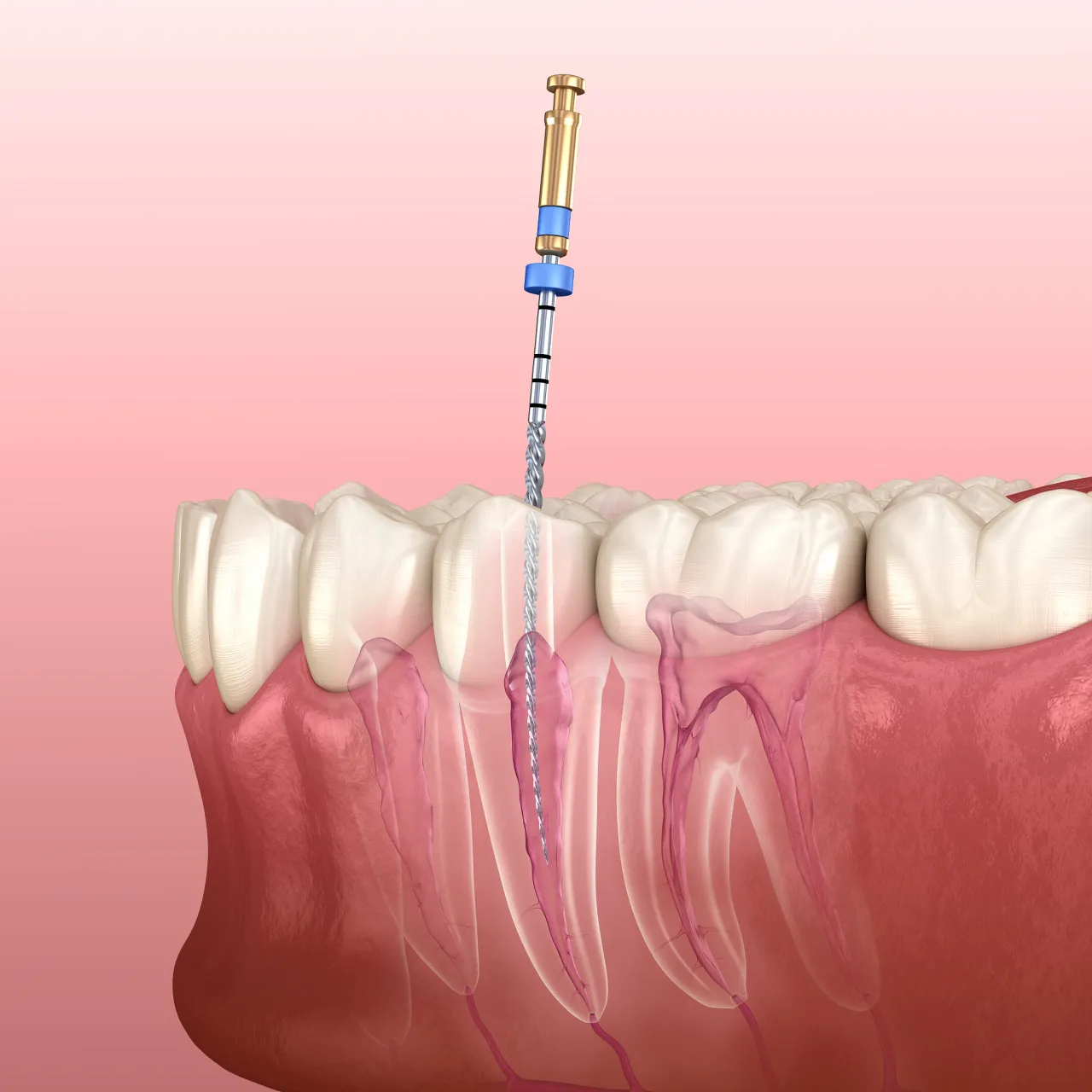
A root canal involves removing infected or dead tissue from the tooth’s inner pulp and cleaning the canal space before sealing it. Without proper sterilization, bacteria could remain, leading to reinfection, tooth damage, or even spreading to other areas of the mouth. Thailand’s dental standards emphasize infection prevention both for patient safety and long-term treatment success.
**Pre-Treatment Sterilization Measures**
Before the procedure begins, Thai dentists prepare the treatment room with a complete set of sterilized tools. Autoclaving is the most common method — this uses high-pressure steam to kill bacteria, viruses, and fungi on dental instruments. Disposable items like gloves, face masks, and protective gowns are used for one patient only, ensuring no risk of cross-contamination. The dental chair and surrounding surfaces are disinfected with medical-grade solutions between appointments.
Dentists in Thailand also focus on pre-treatment patient care. A quick rinse with an antibacterial mouthwash is often recommended before the procedure to reduce oral bacteria levels. Patients are reassured about the steps being taken to ensure cleanliness, which builds confidence and helps them relax.
**Modern Equipment and Techniques**
Thailand’s dental clinics, especially in major cities like Bangkok, Chiang Mai, and Phuket, invest in advanced root canal tools. Rotary instruments, digital apex locators, and precision drills are maintained in meticulous condition. Many clinics have dedicated sterilization rooms where staff follow carefully monitored cleaning protocols.
Rubber dams are commonly used during root canals to isolate the affected tooth. This barrier keeps saliva, which contains bacteria, away from the working area. It also improves dentist visibility, so they can focus fully on removing infection without contamination.
**Step-by-Step Sterile Procedure**
Once the dentist begins, every movement is guided by clinical hygiene.
1. **Isolation** – The rubber dam is placed, and the tooth area is cleaned with antiseptic solutions.
2. **Access and Removal** – Infected pulp is removed using sterilized tools, with each instrument changed or cleaned as necessary.
3. **Irrigation** – The canal is flushed with antimicrobial solutions such as sodium hypochlorite or chlorhexidine, eliminating microscopic bacteria.
4. **Drying and Filling*
* – The cleaned canal is dried with sterile points before being filled with biocompatible materials.
5. **Final Sterilization Touches** – The tooth is sealed, and the surrounding area is disinfected before removing the rubber dam.
**Quality Control and International Standards**
Many dentists in Thailand train abroad or work in clinics that follow international dental standards, such as those set by the American Dental Association (ADA) or the World Dental Federation (FDI). This means sterilization protocols are not only thorough but also align with recognized best practices worldwide.
Thai dental teams often use documented checklists during every root canal. These records include equipment sterilization logs, patient preparation steps, and post-treatment disinfection procedures. In high-end clinics catering to both local and international patients, transparency is important — some even allow patients to observe parts of the sterilization process for reassurance.
**Post-Treatment Care for Ongoing Sterility**
Sterility doesn’t stop once the root canal is finished. Patients are given clear aftercare instructions to protect the tooth while healing. These may include guidance on oral hygiene, avoiding certain foods for a short period, and returning for follow-up visits. Antibiotics might be prescribed when there’s a higher infection risk, and Thai dentists monitor recovery closely to catch any signs of reinfection early.
**The Comfort Factor: Patient-Friendly Dentistry**
Thai dentists combine clinical precision with a warm, hospitable approach. Many patients in Thailand remark on the relaxed atmosphere, soothing explanations, and gentle manner of treatment. This is important because a calm patient is less likely to move suddenly, which helps maintain a sterile environment during delicate procedures like root canals.
**Why Thailand is a Top Choice for Dental Care**
Thailand’s reputation as a dental tourism destination is built on affordability, modern facilities, and skilled professionals. In root canal treatments, the commitment to sterility is a major reason international patients feel confident choosing Thai clinics. The integration of world-class sterilization equipment, rigorous cleaning routines, and patient-friendly care makes Thailand’s dental services stand out.
**Conclusion**
Sterility in root canal treatments is not just a technical step — it’s the foundation of successful dental care. In Thailand, dentists follow strict sterilization protocols, use modern isolation tools like rubber dams, and maintain detailed quality control records. By combining advanced techniques with a friendly approach, they ensure patients receive safe, comfortable, and long-lasting treatment results.
Whether you’re a local resident or visiting Thailand for dental care, you can expect root canal procedures here to be handled with the highest standard of hygiene and professionalism, ensuring both your smile and your health remain in excellent condition.