How Thai Endodontists Remove Old Fillings Safely
How Thai Endodontists Remove Old Fillings Safely
**How Thai Endodontists Remove Old Fillings Safely**
In Thailand, dental care has advanced tremendously over the past decade, with many clinics in Bangkok, Chiang Mai, Phuket, and other cities offering world-class endodontic treatments. One of the more delicate procedures that Thai endodontists regularly handle is the removal of old fillings. This step is often necessary before performing a root canal retreatment, placing a crown, or addressing tooth decay that has occurred beneath an existing filling. Understanding how local specialists perform this procedure safely can help patients feel more confident when visiting the dentist.
---
**Why Old Fillings Sometimes Need to Be Removed**
Fillings, whether amalgam (silver) or composite (tooth-colored), can last for many years, but they are not permanent. In Thailand’s warm and humid climate, lifestyle factors such as frequent consumption of sweet iced tea, sticky desserts, or cold drinks can gradually affect dental restorations. Over time, fillings may crack, loosen, or allow bacteria to seep into tiny gaps, leading to secondary decay.
Old fillings can also discolour or become worn from frequent chewing of tougher Thai foods like grilled meats or crunchy snacks. When this happens, endodontists recommend a thorough evaluation to determine if replacing the filling or proceeding with a different treatment is necessary.
---
**Initial Examination and Patient Consultation**
Thai endodontists place a strong emphasis on patient comfort and clear communication. Before touching the old filling, the dentist will first perform a comprehensive dental check-up. This usually includes:
- **Visual inspection** using magnification loupes or microscopes to detect cracks or decay.
- **Dental X-rays**, which are standard in many Thai clinics, to assess the tooth structure beneath the filling.
- **Patient discussion**, where the dentist explains the findings in plain language, sometimes mixing English with Thai terms to make it easier for local residents and expatriates alike to understand.
During this consultation, the dentist will also ask about any pain, sensitivity to hot or cold drinks, or past dental work, ensuring they choose the safest approach to remove the old filling.
---
**Step-by-Step: How Thai Endodontists Remove Old Fillings**
1. **Numbing the Area**
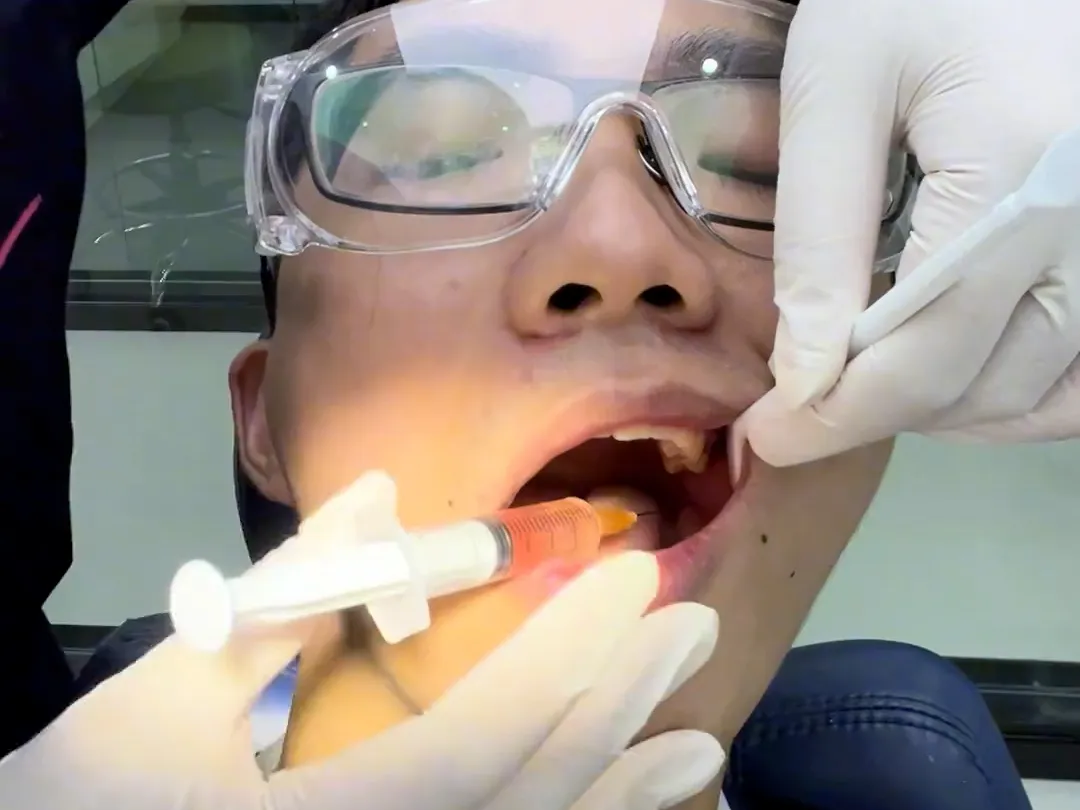
Comfort is a priority in Thai dentistry. A local anesthetic is applied so the patient feels no pain during the procedure. Many clinics use gentle injection techniques, sometimes applying a numbing gel first to reduce any discomfort.
2. **Isolation of the Tooth**
To keep the area clean and prevent contamination, a rubber dam is often placed over the tooth. This sheet acts as a barrier, keeping saliva away and ensuring a dry working field — essential for precise removal and safe new filling placement.
3. **Gentle Drilling with High-Precision Tools**
Modern clinics in Thailand often use advanced dental handpieces. The dentist carefully drills away the old filling material, layer by layer, using water spray to prevent the tooth from overheating. This cautious approach preserves as much of the natural tooth as possible.
4. **Removing Amalgam Safely**
If the old filling is made of amalgam, special care is taken to control mercury vapor. Many Thai dental specialists follow safety p
rotocols such as using high-volume suction, water cooling, and proper waste disposal, ensuring both the patient and the environment are protected.
5. **Cleaning and Disinfecting the Cavity**
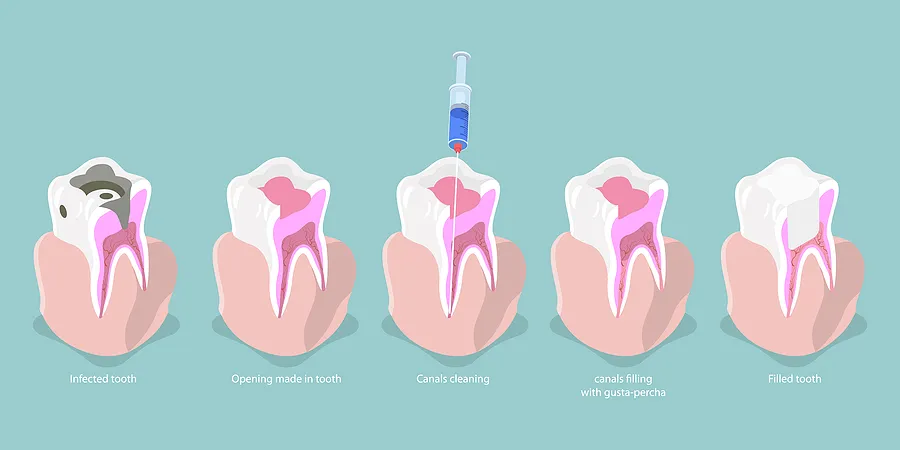
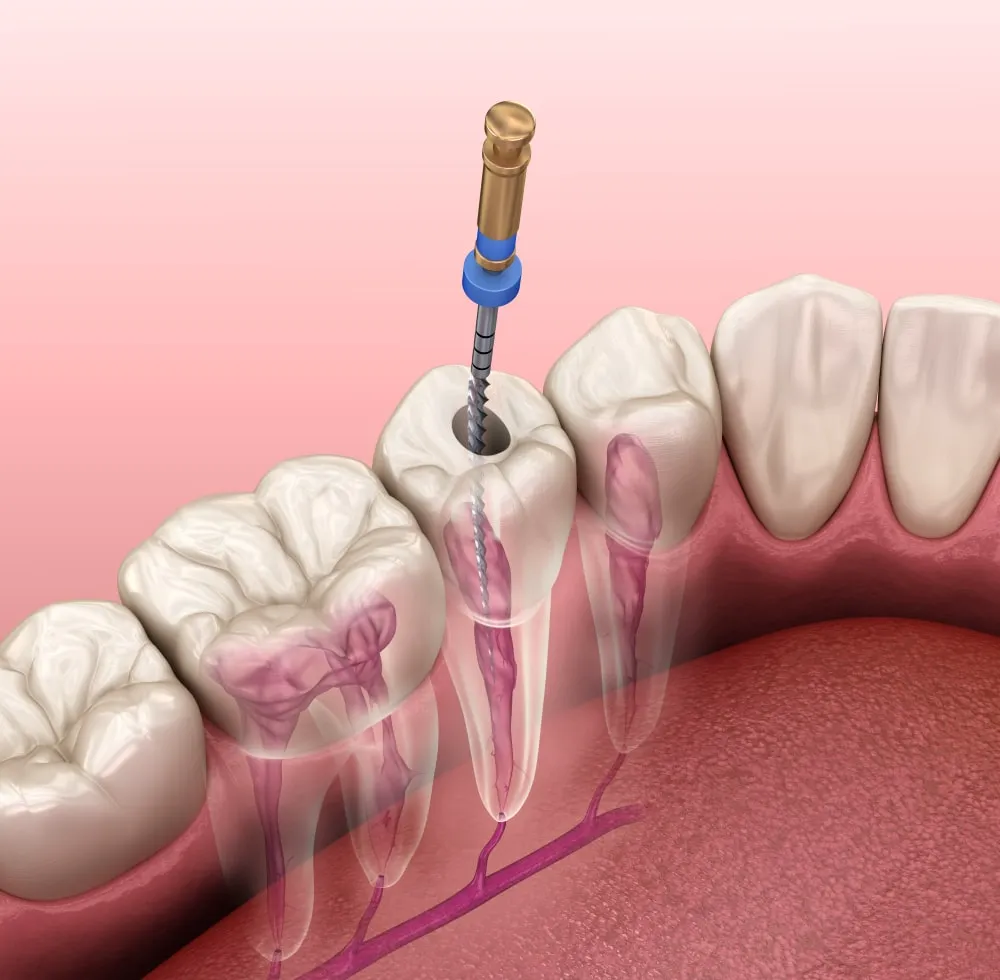
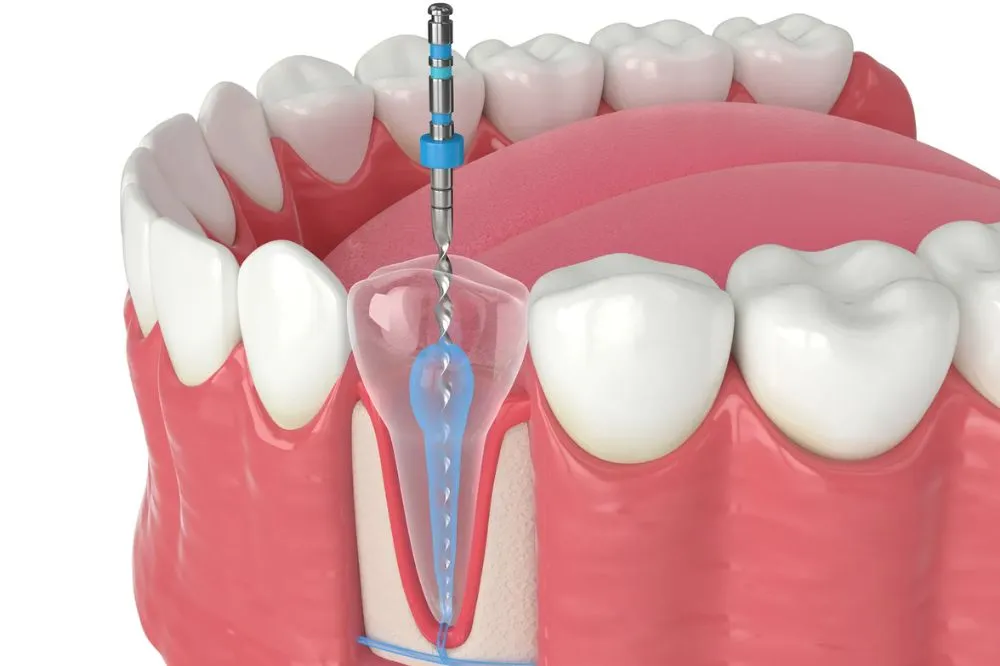
Once the old material is gone, the cavity is thoroughly cleaned. Antibacterial solutions help remove any traces of decay and prepare the tooth for the new restoration or for root canal retreatment if required.
6. **Evaluating the Tooth Structure**
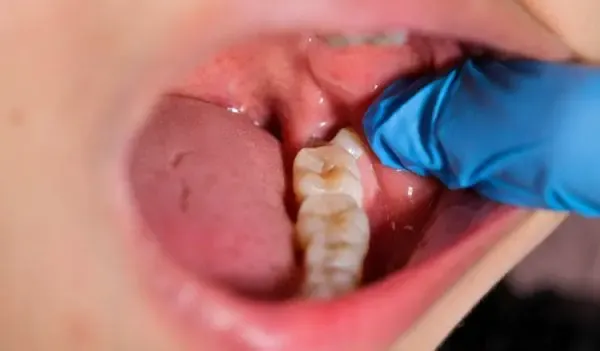
After clearing the filling, the dentist checks for cracks, deep decay, or pulp inflammation. Depending on the findings, they may proceed to refill the tooth, prepare it for a crown, or start endodontic treatment.
---
**Safety Measures Followed in Thai Dental Clinics**
Thailand’s dental tourism reputation is built on strict hygiene standards. Most clinics follow international infection control guidelines, using autoclaved instruments and disposable items wherever possible. Dentists and assistants wear gloves, masks, and face shields, and patients can often observe these measures directly, which builds trust.
Additionally, many Thai endodontists invest in training abroad and use imported dental materials from Japan, Europe, or the US, ensuring both quality and safety. This is why patients — locals and foreigners alike — often compliment Thai dental care for matching or exceeding the standards they experience at home.
---
**Recovery and Aftercare**
After old fillings are removed and the tooth is restored, some mild sensitivity to hot, cold, or pressure can be normal for a few days. Thai dentists typically recommend:
- Avoiding very hot or icy drinks immediately after treatment.
- Chewing on the opposite side until the tooth feels normal again.
- Returning for a follow-up if discomfort persists.
For patients who are visiting Thailand for dental tourism, clinics usually provide written aftercare instructions in English and Thai. Some even offer follow-up consultations via video call if the patient travels back to their home country.
---
**Why Visit an Endodontist and Not a General Dentist?**
In Thailand, general dentists can handle many routine fillings, but endodontists have advanced training in treating the inside of the tooth and managing complex cases. When removing an old filling that covers deep decay or is linked to previous root canal work, their expertise ensures the process is done with maximum precision and minimal risk.
Endodontists also tend to have specialized tools — like dental microscopes — that help them spot fine cracks or hidden decay that might otherwise be missed.
---
**Final Thoughts**
Having an old filling removed might sound intimidating, but in the hands of a skilled Thai endodontist, the procedure is safe, efficient, and often more comfortable than expected. With their focus on gentle care, modern techniques, and a friendly approach to patient communication, Thai dental specialists ensure the process protects your tooth and sets the stage for a healthier smile.
Whether you are a local resident or visiting Thailand for dental care, understanding how old fillings are removed — and the safety protocols used — can help you make informed choices about your oral health. By combining technical skill with the hallmark Thai touch of hospitality, endodontists here deliver results that make patients smile with confidence.