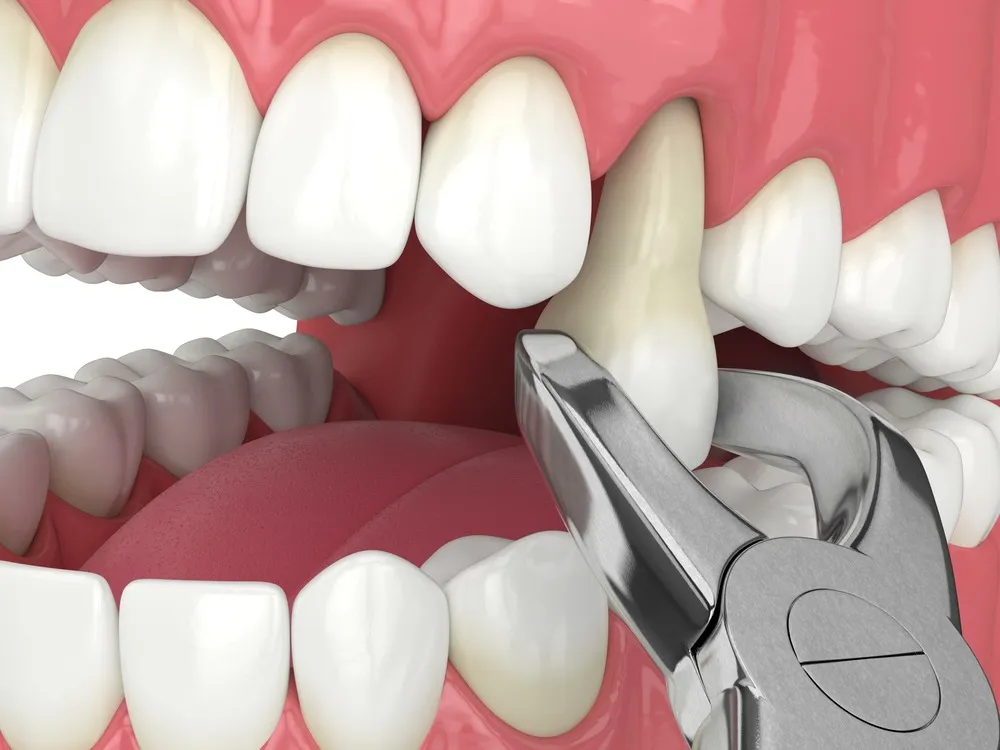
Thailand Root Canal for Wisdom Teeth
Thailand Root Canal for Wisdom Teeth
**Thailand Root Canal for Wisdom Teeth: What You Need to Know**
When it comes to dental care in Thailand, root canal treatments are widely known for saving natural teeth from extraction. But when wisdom teeth come into the picture, things can get a bit tricky. Many people wonder whether a root canal for wisdom teeth is even possible, and if so, whether it’s the right choice. In Thailand, dental practices combine modern technology with friendly local service, so patients often feel comfortable asking these types of questions. Let’s explore the main points you should understand before considering a root canal for your wisdom tooth in Thailand.
---
### Understanding Wisdom Teeth in the Thai Context
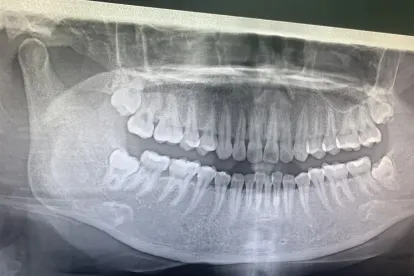
Wisdom teeth, also called “third molars,” usually appear between the ages of 17 and 25. In Thailand, dental patients often refer to them casually as *ฟันกรามซี่ที่สาม* (third molar teeth). These teeth are located at the very back of your mouth, which can make them harder to clean and maintain.
Common problems with wisdom teeth in Thailand include:
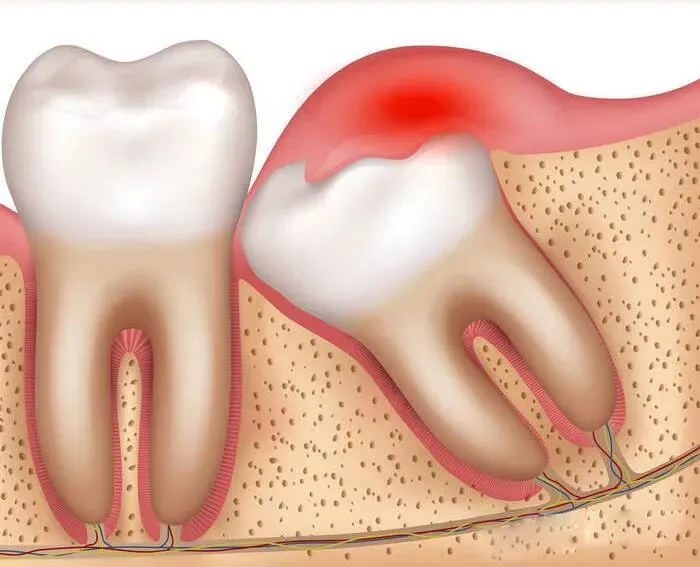
- **Impaction** – when the tooth doesn’t fully erupt because it’s blocked by gum tissue or another tooth.
- **Decay** – due to difficulty reaching the tooth with a toothbrush.
- **Gum inflammation** – especially in warm, humid climates where oral bacteria grow quickly.
Because of their position and vulnerability, wisdom teeth often require special attention from dentists. In most cases, if a wisdom tooth becomes badly damaged or infected, extraction is recommended. However, in certain situations, a root canal may still be an option.
---
### Can Wisdom Teeth Get a Root Canal in Thailand?
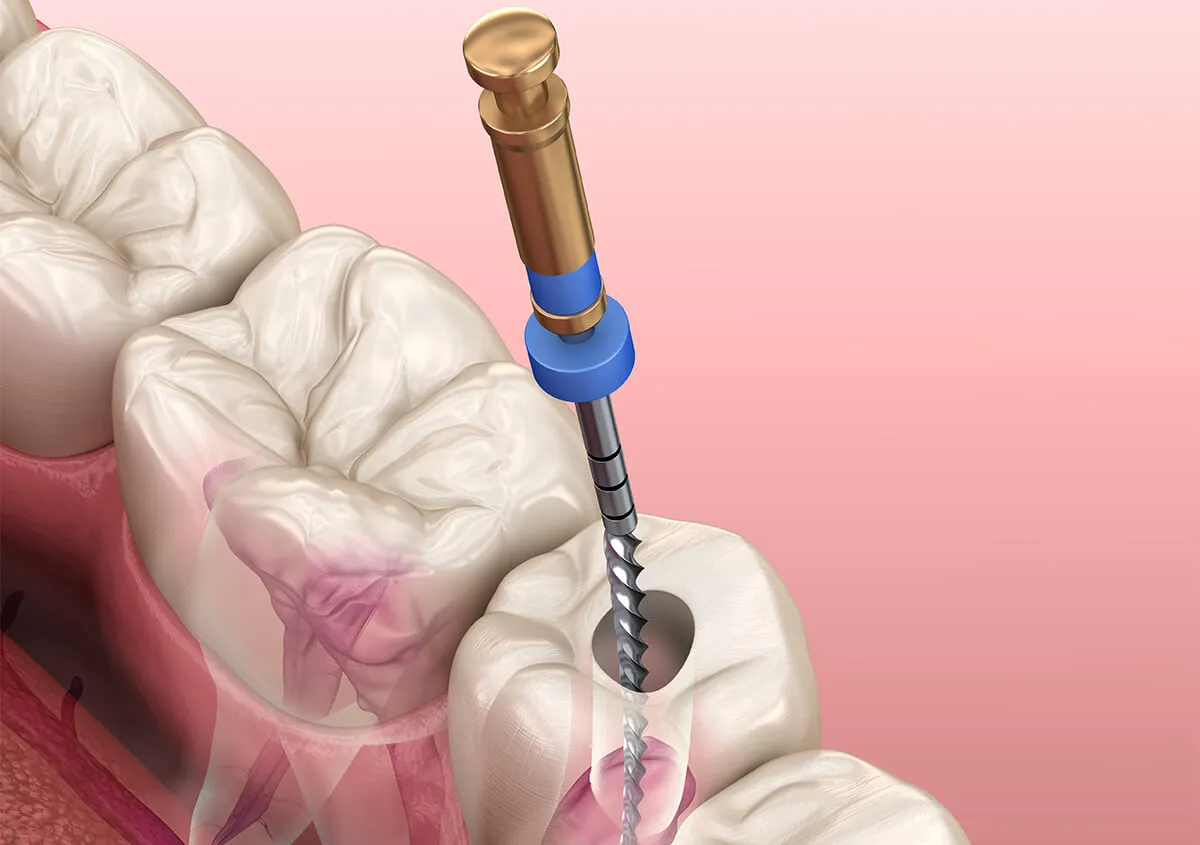
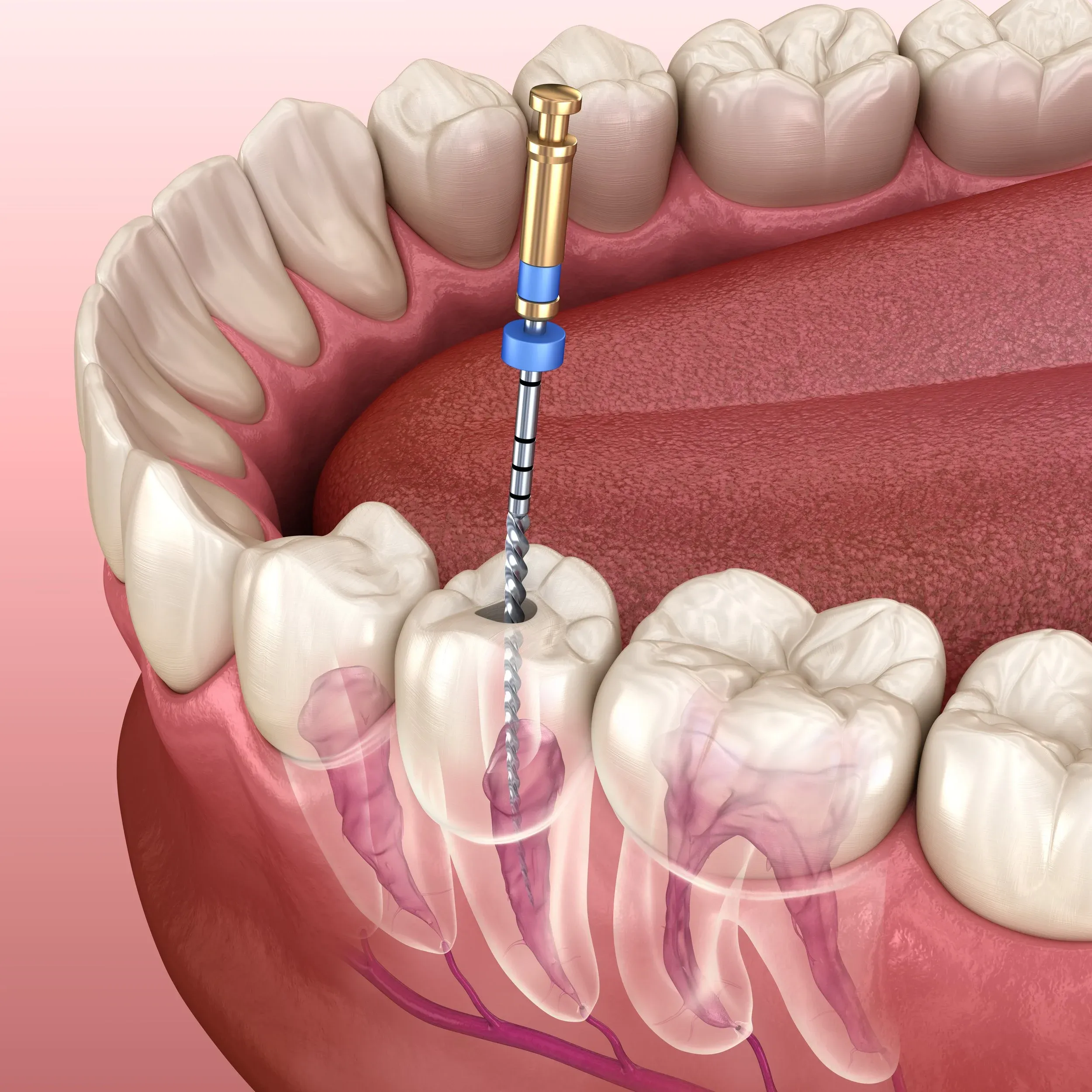
Yes, it’s technically possible. A root canal procedure involves removing infected pulp from inside the tooth, cleaning the root canals, and sealing them to prevent further infection. But here’s the catch—wisdom teeth have more complex roots compared to other teeth, making the procedure more challenging.
In Thailand, dentists will typically assess:
- **Position of the tooth** – Is it accessible for treatment?
- **Root structure** – Are the roots straight, curved, or fused together?
- **Overall oral health** – Is the surrounding gum healthy enough to support keeping the tooth?
If the wisdom tooth is easy to reach, properly aligned, and plays a functional role in chewing, a root canal may be considered instead of extraction. This is more common in patients who prefer to keep all their natural teeth or who have medical conditions that make extractions riskier.
---
### Thai Dental Approach and Technology
Thailand’s dental industry is well regarded throughout Asia and among international visitors. Clinics in Bangkok, Chiang Mai, Phuket, and Pattaya are equipped with advanced tools such as digital X-rays, rotary endodontic instruments, and dental microscopes. The friendly atmosphere and “mai pen rai” (no worries) attitude often ease patient anxiety.
The root canal process for a wisdom tooth in Thailand usually follows these steps:
1. **Examination and Imaging** – The dentist uses X-rays or 3D scans to study the tooth’s shape and infection spread.
2. **Anaesthesia** – Local anesthesia ensures you don’t feel pain during the procedure.
3. **Access Opening** – A small hole is made to access the infected pulp.
4. **Cleaning and Shaping** – Special files clean the inside of the canals thoroughly.
5. **Filling and
Sealing** – A biocompatible material seals the canals.
6. **Restoration** – Often, the wisdom tooth will be capped or filled to restore function.
Due to the complexity of wisdom tooth roots, Thai dentists often take extra time and use high-quality materials to ensure longevity.
---
### Cost and Value in Thailand
One reason Thailand attracts dental tourists is affordability without compromising quality. Root canal treatment for wisdom teeth here is generally cheaper than in Western countries. Prices vary depending on the location and clinic reputation, but they can range from 6,000 to 12,000 THB for a single tooth, which may or may not include crown placement.
For local Thai patients, dental insurance sometimes covers part of the cost. For foreigners, many clinics offer package deals, especially in tourist-friendly cities. English-speaking staff are common, making communication easy when discussing treatment plans.
---
### Choosing the Right Dental Clinic
If you’re considering a root canal for your wisdom tooth in Thailand, take time to select the right clinic. Look for:
- **Dentists with endodontic specialization** – They are experts in root canal work.
- **Modern equipment** – Essential for accuracy and comfort.
- **Transparent pricing** – Avoid surprises by confirming costs upfront.
- **Patient reviews** – Many Thai clinics have online testimonials in English and Thai.
Popular dental hubs like Sukhumvit in Bangkok or Nimmanhaemin in Chiang Mai offer many reputable clinics that cater to both locals and visitors.
---
### Pros and Cons of Root Canal for Wisdom Teeth
**Pros**
- Preserves natural tooth structure.
- Avoids surgical extraction and its recovery time.
- Maintains bite alignment if the tooth is functional.
**Cons**
- Technically challenging due to location and root shape.
- Higher cost than extraction in some cases.
- Possible risk of reinfection if oral hygiene isn’t maintained.
In Thailand, dentists will usually recommend extraction if the wisdom tooth isn’t serving a functional purpose or has severe structural problems.
---
### Recovery and Aftercare in Thailand
After a root canal, your dentist may advise resting for the day and avoiding chewing on the treated side for a short period. Thai clinics often send patients home with clear, bilingual instructions. Rinsing with warm salted water (a tip familiar to many Thai households) can help keep gums healthy, and regular follow-up visits ensure the tooth remains strong.
Maintaining oral hygiene is vital—especially in Thailand’s tropical climate, where bacterial growth can be rapid. Brush twice a day, floss carefully, and avoid overly sticky or sugary foods that can stress the treated tooth.
---
### Conclusion
A root canal for wisdom teeth in Thailand isn’t the most common route, but for certain cases it makes complete sense. With skilled dentists, advanced technology, and patient-friendly service, Thailand offers quality care whether you choose extraction or a more conservative root canal approach. If you’re experiencing pain or swelling in your wisdom tooth, schedule a consultation with a trusted Thai dentist—you’ll get advice that balances traditional dental wisdom with modern solutions.
Healthy teeth are worth keeping, and in Thailand, you can expect treatment that combines professional skill with the warmth and care Thai people are known for.