Thailand Root Canal Risks and Complications
Thailand Root Canal Risks and Complications
**Thailand Root Canal Risks and Complications**
If you are living in Thailand or planning dental treatment here, root canal therapy can be an effective way to save a damaged or infected tooth. It’s a common procedure performed by dentists and endodontists across Bangkok, Chiang Mai, Pattaya, and other cities. While most root canal treatments in Thailand are successful, like any medical procedure, there are possible risks and complications you should understand before making a decision. Being informed will help you feel more confident about your treatment and know how to care for your tooth afterward.
---
### Understanding Root Canal Treatment in Thailand
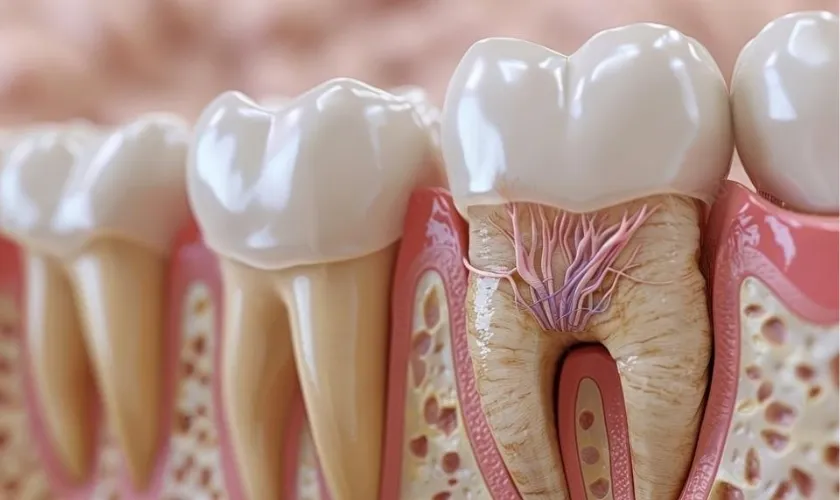
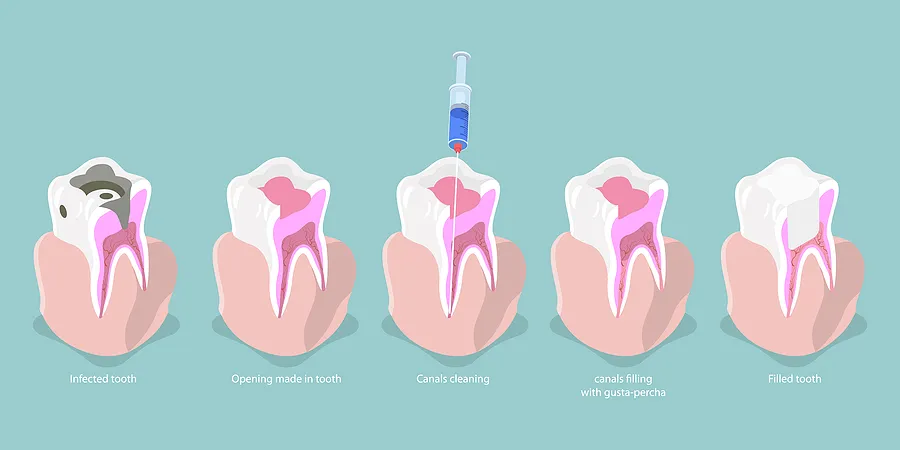
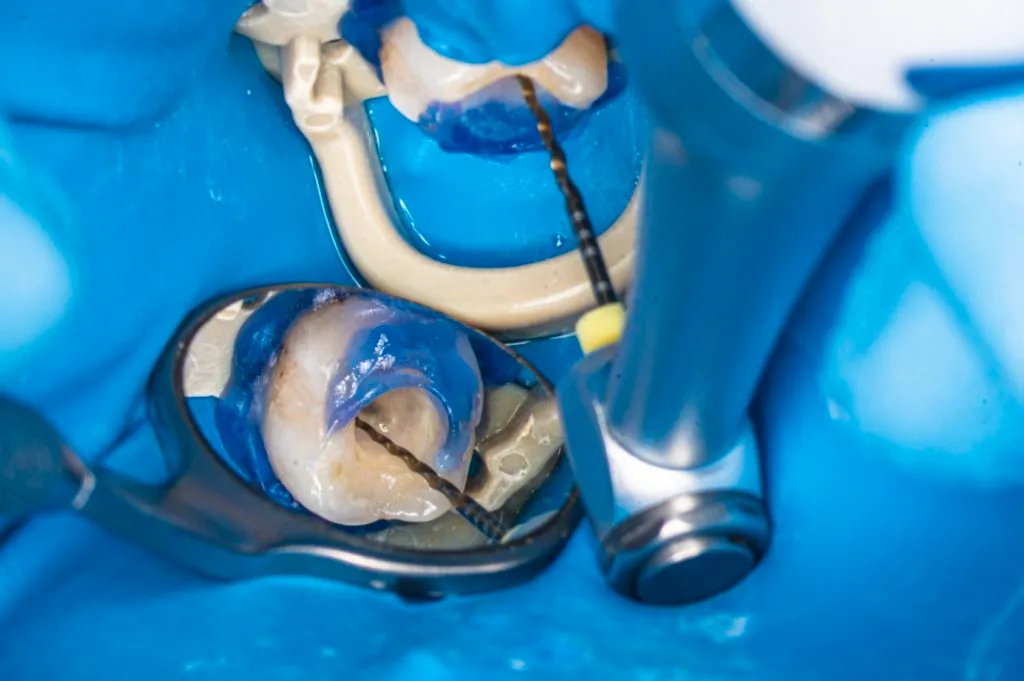
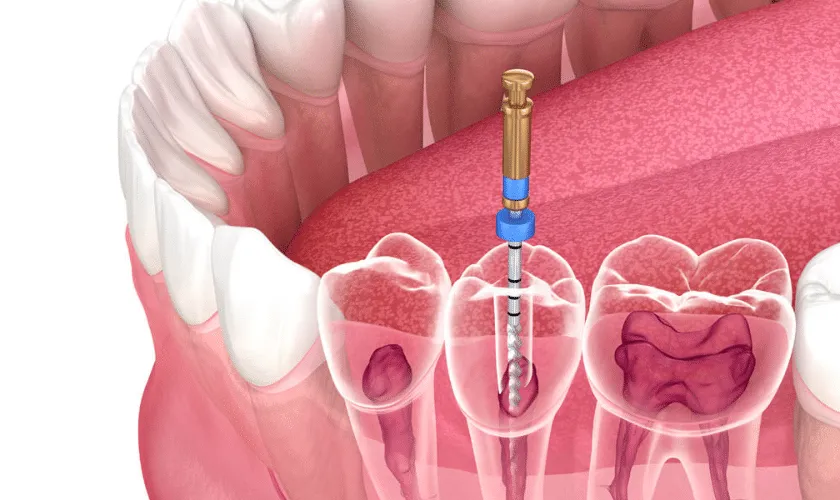
A root canal involves removing the infected or inflamed pulp inside a tooth. In Thailand, modern clinics use advanced equipment such as digital X-rays and rotary instruments to make the process faster and more comfortable. After cleaning and disinfecting the root canal space, the dentist fills and seals it to prevent future infection. In many cases, a crown is placed to protect the tooth’s structure.
This treatment can relieve severe toothache, prevent extraction, and restore normal chewing. However, knowing the possible risks is just as important as understanding the benefits.
---
### Common Risks of Root Canal Therapy
1. **Persistent Pain or Sensitivity**
Most patients notice a significant reduction in pain after the procedure, but in some cases, discomfort can remain for days or even weeks. This might be due to inflammation in surrounding tissues, an incomplete cleaning of infected material, or injury to nearby nerves.
2. **Incomplete Removal of Infection**
Human teeth can have complex root systems, sometimes with unexpected extra canals. If one canal is missed or bacteria remains inside, the infection can return. This is why many patients in Thailand choose an experienced endodontist who has access to dental microscopes for a more precise treatment.
3. **Tooth Fracture**
A tooth that has undergone root canal treatment becomes more fragile, especially if a crown is not placed promptly. Biting down on hard Thai snacks like crispy dried squid or deep-fried pork skin could lead to cracking. Dentists usually recommend a strong crown to prevent such damage.
4. **Instrument Breakage**
Dental files used during root canal therapy are thin and delicate. On rare occasions, an instrument can break inside the canal. While skilled dentists can often remove or bypass the broken fragment, it can complicate the procedure.
5. **Reaction to Medications or Materials**
Some patients may be allergic to local anaesthetic agents or to certain filling materials. In Thailand, clinics will usually ask about your medical history in advance, so it’s important to mention any allergies.
---
### Less Common but Serious Complications
1. **Reinfection**
If bacteria manage to re-enter the tooth through a small gap in the filling or crown, the infection can return weeks or months later. In such cases, retreatment might be needed.
2. **Swelling and Abscess Formation**
Even after a root canal, residual infection can sometimes cause swelling or abscess, which c
ould affect surrounding bone or cause facial puffiness – something you definitely don’t want while on holiday or during working days in Thailand’s humid climate.
3. **Nerve Damage**
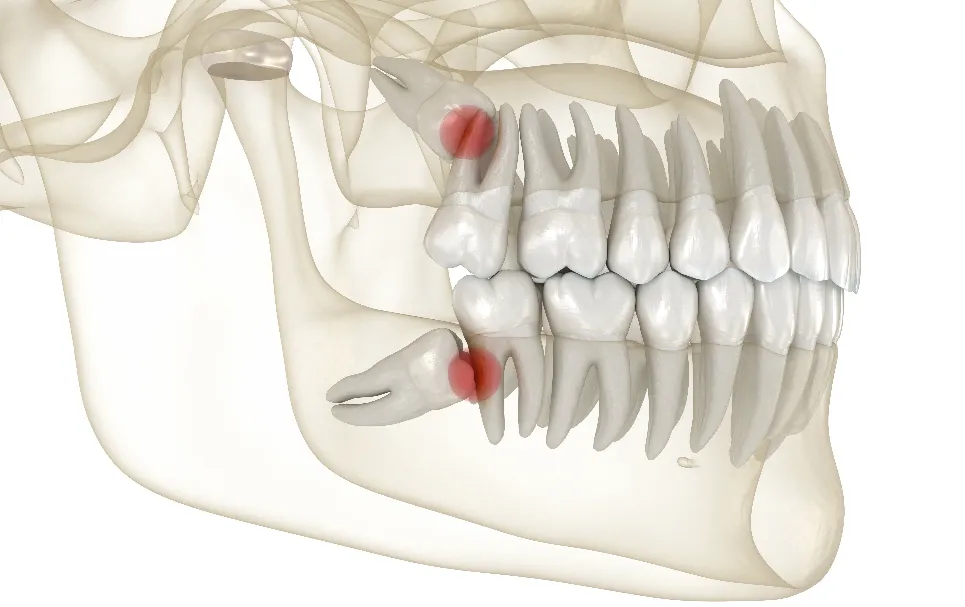
Rarely, a root canal can cause temporary or permanent nerve injury, particularly in lower molars close to the mandibular nerve. This might result in tingling or numbness in the tongue or lip.
4. **Sinus Problems**
For upper molars, the roots are near the sinuses. If infection or treatment extends into this area, sinus discomfort may occur.
---
### How to Reduce Your Risk in Thailand
- **Choose an Experienced Dentist**
In Thailand, many dental clinics in Bangkok, Phuket, and Hua Hin are known for high standards and English-speaking staff. Look for a dentist with specialist training in endodontics. This often means more accurate diagnosis and a smoother procedure.
- **Get a Proper Crown**
Protect your treated tooth by getting a well-fitted crown soon after the procedure, especially if you enjoy chewing crunchy Thai street food.
- **Follow Aftercare Instructions**
Your dentist may advise avoiding hot, spicy food for a few days, as it can increase sensitivity. Keep up with prescribed antibiotics or pain relief medication, and maintain good oral hygiene with gentle brushing around the treated area.
- **Attend Follow-Up Appointments**
Even if your tooth feels fine, a check-up allows the dentist to confirm the success of treatment and catch any early signs of trouble.
---
### Cost and Expectations in Thailand
Root canal costs in Thailand vary widely depending on the clinic location and the complexity of the tooth. Generally, you can expect to pay less than in many Western countries, but prices are higher in private clinics catering to international patients. Transparency about fees is normal here, so don’t hesitate to ask for a written estimate before starting treatment.
Most patients are pleasantly surprised by the blend of modern dental technology and Thai hospitality. Still, it’s wise to balance cost with quality, especially when dealing with delicate procedures like root canals.
---
### When to Seek Immediate Help After a Root Canal
After the treatment, mild soreness is normal. However, you should visit a dentist quickly if you notice:
- Increasing pain or swelling after several days
- Fever or general malaise
- Difficulty chewing on the treated tooth
- Drainage of pus or foul taste in the mouth
Ignoring these warning signs can lead to more complicated issues and even tooth loss.
---
### Final Thoughts
Root canal treatment in Thailand is generally safe, effective, and affordable, but understanding the potential risks and complications allows you to make an informed choice. By selecting an experienced dentist, following post-treatment advice, and paying attention to any unusual symptoms, you can protect your oral health for years to come.
In short, be aware of the possible problems, but don’t be fearful—most patients walk away pain-free, ready to enjoy their favourite Thai dishes without wincing. With proper care, your treated tooth can remain strong and functional long after your appointment.