Thailand Root Canal for Severe Sensitivity

Thailand Root Canal for Severe Sensitivity
**Thailand Root Canal for Severe Sensitivity**
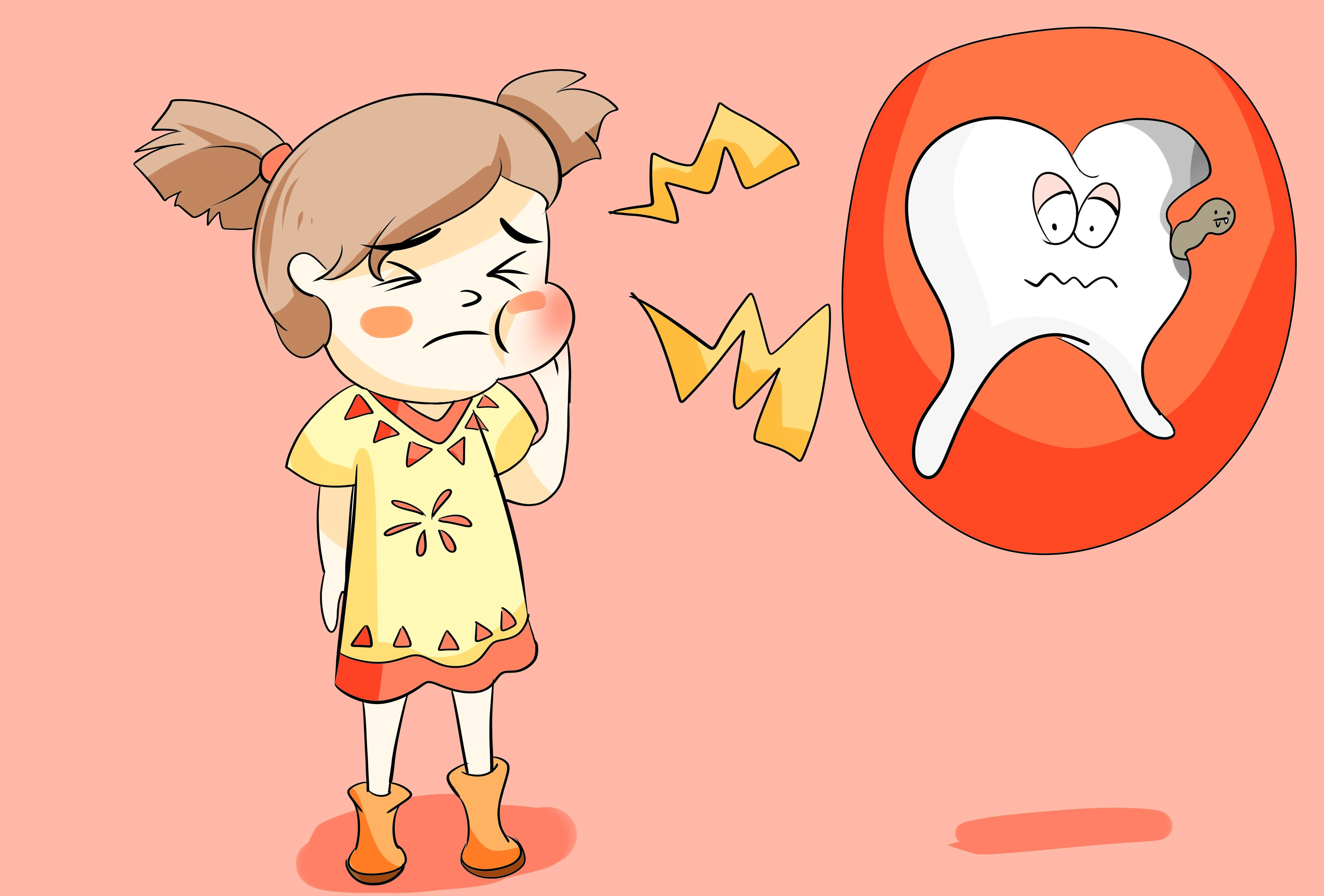
If you’ve ever winced while sipping an iced Thai tea or felt a sharp twinge when enjoying a bowl of hot tom yum, you know how disruptive tooth sensitivity can be. While mild sensitivity often comes from minor enamel wear or gum recession, severe sensitivity might point to a deeper dental issue — one that can’t be fixed with over-the-counter toothpaste alone. In Thailand, one of the most effective solutions for severe tooth sensitivity caused by nerve inflammation or damage is a root canal treatment.
### Understanding Severe Tooth Sensitivity
Before diving into treatments, it’s important to know why teeth become extra sensitive. In many cases, sensitivity happens when the protective enamel wears down, exposing the inner dentin. However, if the sensitivity is severe and persists even without any hot, cold, sweet, or acidic triggers, the problem may involve the tooth’s pulp — the soft tissue inside containing nerves and blood vessels.
Some common causes of severe sensitivity in Thailand include:
- Long-term tooth decay that reaches the pulp
- Cracks or fractures in the tooth from chewing hard foods, like crispy pork or hard candies
- Repeated dental procedures on the same tooth
- Trauma from accidents, especially in sports or motorbike incidents
When the pulp becomes infected or inflamed, the discomfort can move beyond mild sensitivity into strong, lingering pain, sometimes spreading to the jaw. This is when dentists often recommend a root canal.
### What is a Root Canal?
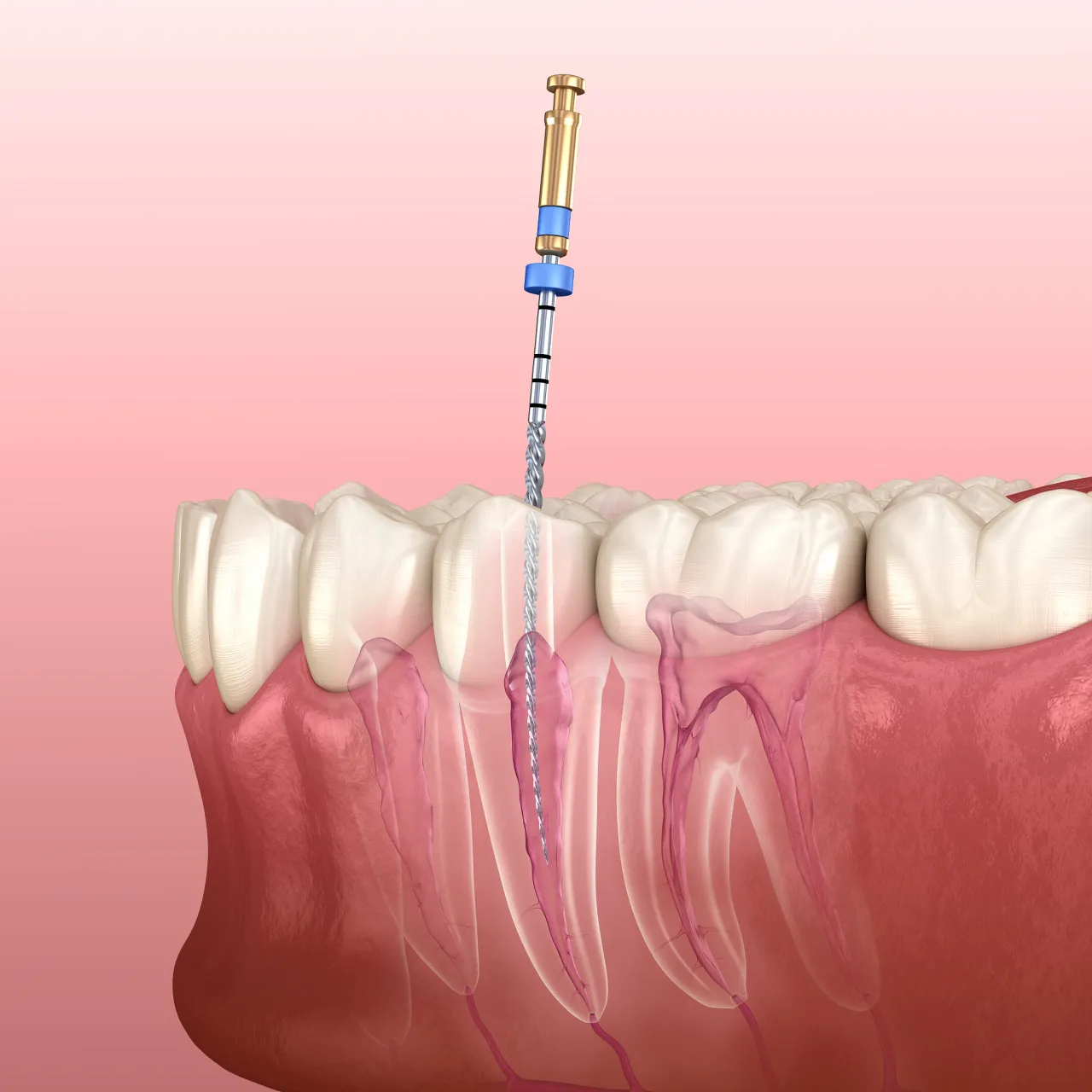
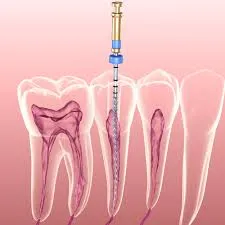
A root canal is a dental procedure designed to remove the damaged or infected pulp inside the tooth. Contrary to common fear, it’s a routine treatment that saves natural teeth rather than extracting them. In Thai dental clinics, the process usually involves:
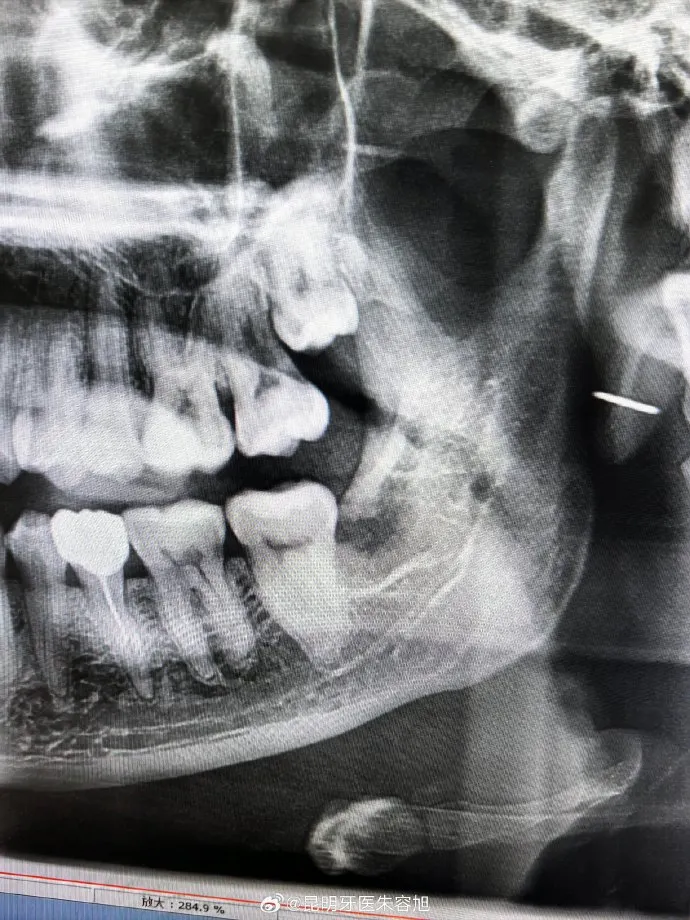
1. **Diagnosis and X-ray** – Your dentist will examine the tooth and take an X-ray to confirm infection or inflammation.
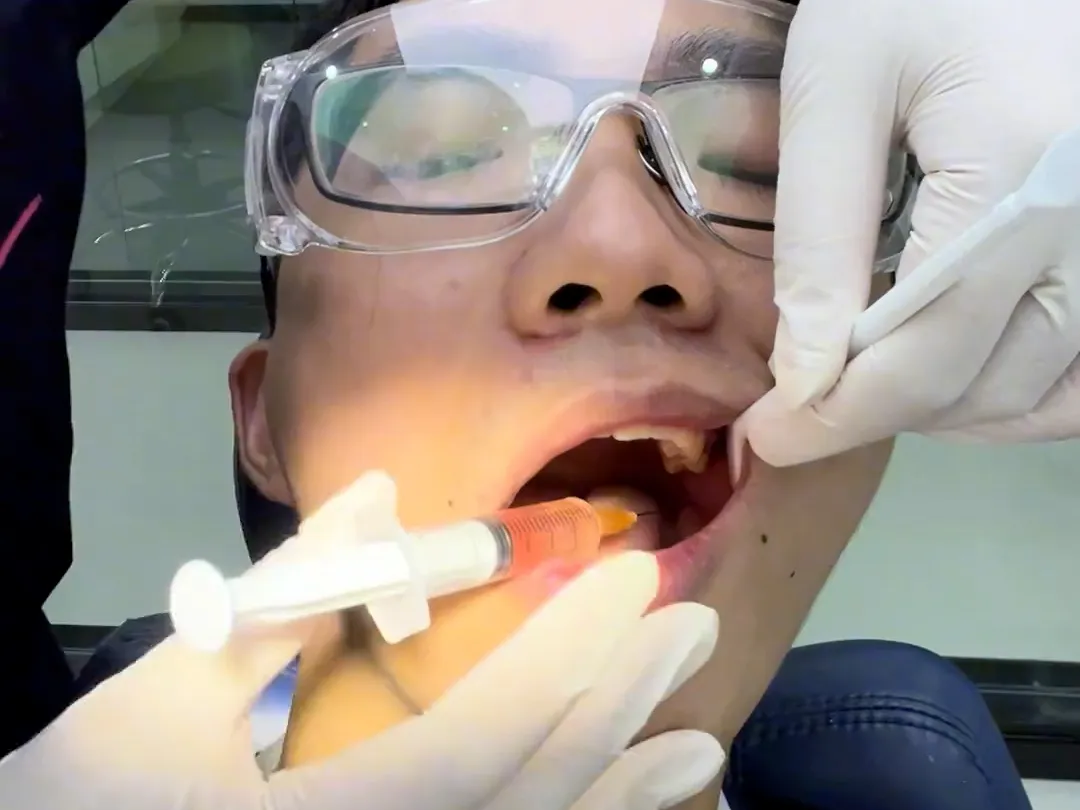
2. **Local anaesthesia** – The area around the tooth is numbed to ensure comfort during the procedure.
3. **Pulp removal and cleaning** – The dentist removes the infected pulp and thoroughly cleans the inside of the tooth.
4. **Filling and sealing** – The empty space is filled with a protective material, and the tooth is sealed to prevent further infection.
5. **Crown placement** – In most cases, a crown is placed over the treated tooth to restore full strength and function.
### Why Choose Root Canal Treatment in Thailand?
Thailand has built a strong reputation for high-quality dental care at reasonable costs. Many locals and international patients seek treatment here for several reasons:
- **Experienced dentists** – Thai dental schools produce skilled professionals who are familiar with the latest techniques.
- **Modern technology** – Clinics in Bangkok, Chiang Mai, and Phuket often use advanced imaging and sterilisation equipment
that meet international standards.
- **Affordable rates** – Even with top-tier care, root canal costs in Thailand are generally lower than in Western countries.
- **Comfort-driven approach** – Thai dentists understand patient concerns and often take extra steps to make the experience stress-free.
### Signs You May Need a Root Canal
It’s tempting to ignore tooth discomfort, but waiting too long can make treatment harder. If you experience any of these symptoms, it’s worth booking a dental check-up right away:
- Constant or severe toothache that doesn’t fade
- Sharp pain when biting or chewing
- Swelling in gums around the affected tooth
- Darkening of the tooth compared to others
- Prolonged sensitivity to hot or cold
Ignoring these signs can lead to more serious problems, including abscess formation or tooth loss.
### Aftercare in Thai Style
After a root canal in Thailand, recovery is generally smooth, but following your dentist’s advice is crucial. You may be told to avoid very hard or sticky foods for a few days — that means holding off on sticky rice desserts or chewing ice cubes. Pain or tenderness usually fades within days, but if discomfort persists, schedule a follow-up visit.
Many Thai dental clinics also have friendly staff who check in on your progress by phone or messaging apps, ensuring you feel supported even after leaving the chair.
### Preventing Future Sensitivity
While root canals can save your tooth, prevention is better than cure. To reduce the risk of severe sensitivity:
- Brush twice daily with fluoride toothpaste
- Use a soft-bristled toothbrush to avoid gum damage
- Floss every day to remove plaque between teeth
- Visit the dentist regularly for check-ups and professional cleaning
- Limit very acidic or sugary foods, like sodas or sweet iced drinks
- Wear a mouthguard when playing contact sports
In Thailand, where tasty street food is abundant, it’s easy to indulge in snacks that can challenge your teeth. Moderation, combined with good oral hygiene, will help your smile stay strong.
### Final Thoughts
Severe tooth sensitivity can quickly disrupt your daily life, from enjoying Thai coffee in the morning to sharing spicy som tam at night. A root canal treatment is often the best option when that sensitivity stems from pulp infection or nerve damage.
Choosing a reputable dental clinic in Thailand means gaining access to skilled professionals, modern facilities, and a warm, caring approach that makes even complex procedures manageable. If you recognise the warning signs and take action early, you can save your tooth and return to enjoying the flavours you love without wincing.
In short — don’t let pain push you away from your favourite Thai dishes. With effective, affordable root canal treatments readily available, relief and a healthy smile are within reach right here in Thailand.