Thailand Nerve Removal Treatment Explained
Thailand Nerve Removal Treatment Explained
**Thailand Nerve Removal Treatment Explained**
When it comes to dental care and oral health, Thailand has earned a strong reputation for combining advanced techniques with warm, friendly service. One treatment that often sparks curiosity among both locals and visitors is *nerve removal*, more formally known as a **root canal treatment**. This procedure is common for saving damaged teeth, relieving pain, and preserving natural smiles — important considerations whether you’re living in Bangkok, Chiang Mai, or simply visiting for dental tourism.
### Understanding Nerve Removal in Thailand
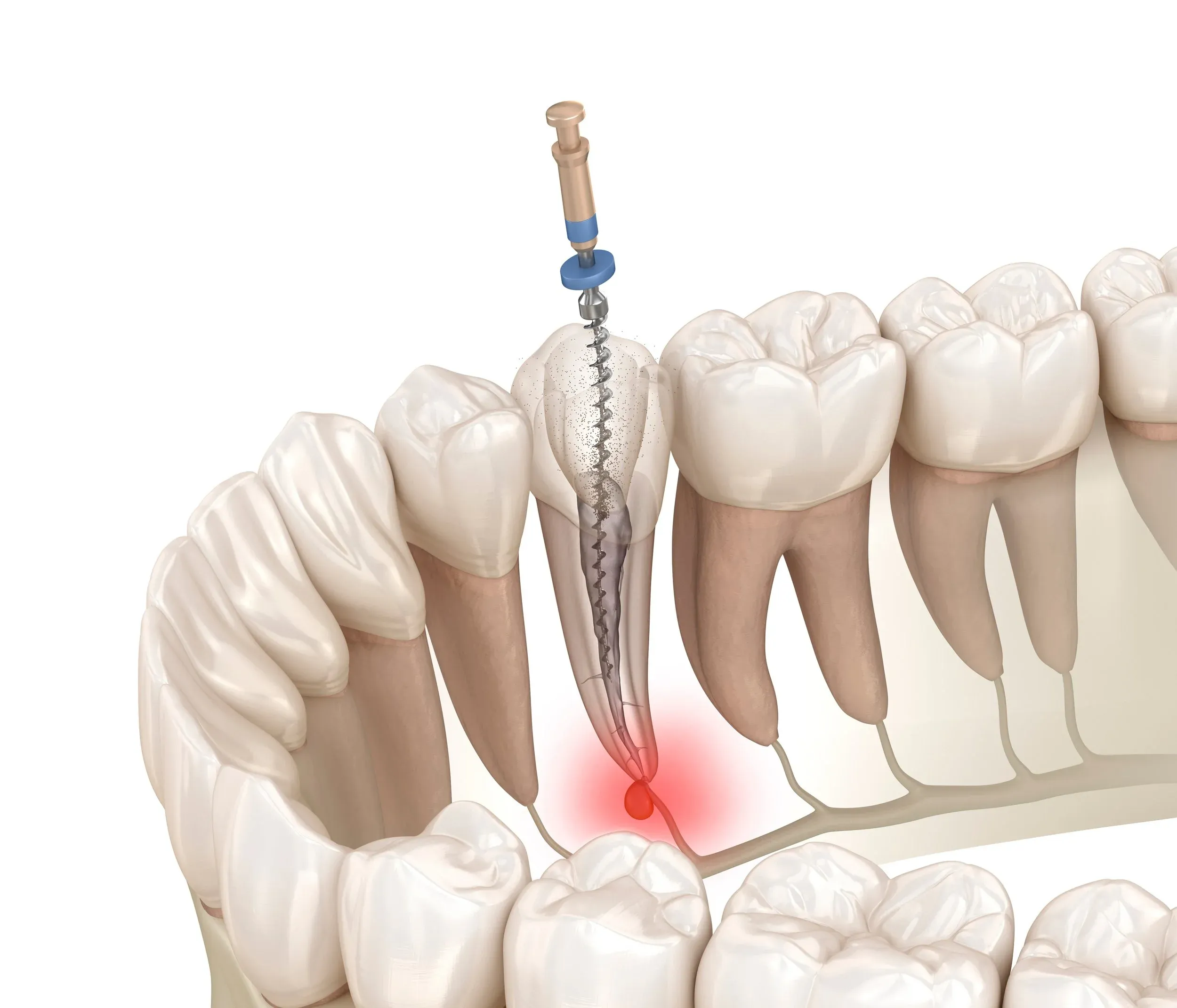
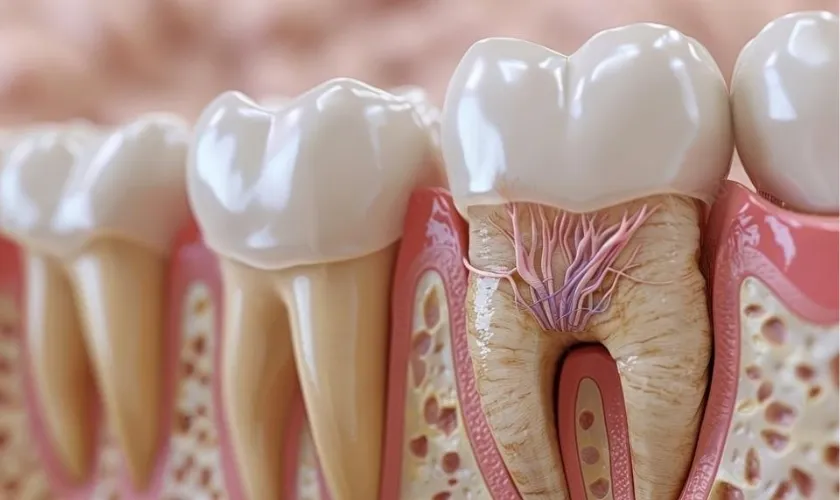
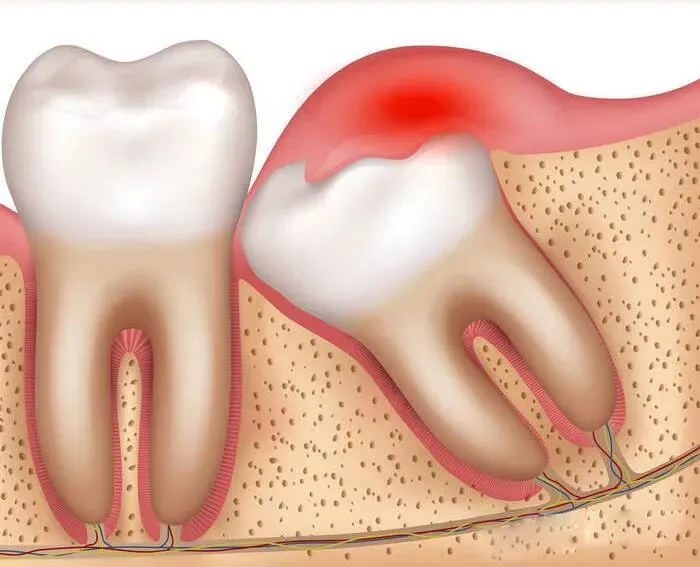
In Thailand, nerve removal refers to the process of taking out the damaged or infected dental pulp – basically the soft tissue inside the tooth where the nerve and blood vessels are located. When this pulp becomes infected due to decay, trauma, or cracks in the tooth, patients usually experience intense pain or sensitivity. In some cases, the pain might even radiate to the jaw or head, making everyday activities difficult.
Thai dentists often describe this treatment to patients in practical, easy-to-understand terms. You’ll hear phrases like *“เราจะรักษารากฟัน”* (we will treat the tooth root) used interchangeably with nerve removal, especially in public clinics and private practices. In essence, the dentist removes the damaged nerve tissue, cleans the canal thoroughly, and seals it to prevent further infection.
### Why Choose Thailand for Nerve Removal Treatment?
One major reason is the combination of expertise and affordability. Dental clinics in Thailand, both in large cities and provincial towns, are equipped with modern technology such as digital X-rays, rotary tools for precise cleaning, and high-grade sterilization standards. Many dentists have international training, ensuring they follow global best practices while tailoring care to suit the Thai patient experience – which often means more personal interaction and a gentle, reassuring approach.
Cost is another factor. Compared to dental services in Western countries, nerve removal in Thailand can be significantly more budget-friendly without compromising quality. This is why dental tourism is booming in places like Bangkok, Phuket, and Pattaya. Travelers can arrange their treatment alongside visits to temples, beaches, and local food spots, making the process more pleasant.
### The Step-by-Step Process in Thai Clinics
To help you understand what to expect, here’s a typical flow during a nerve removal procedure in Thailand:
1. **Consultation & Examination**
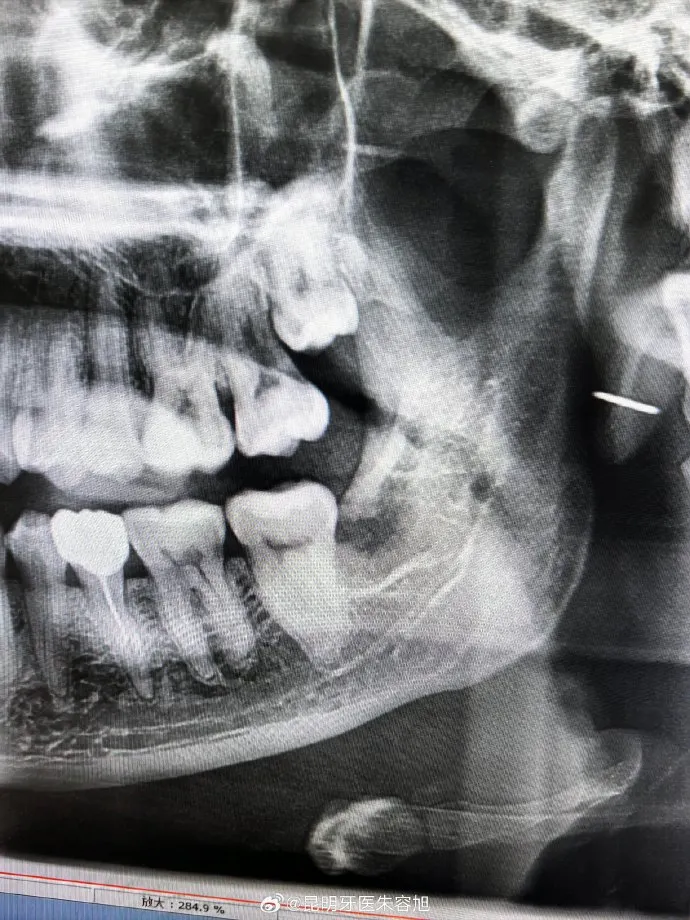
The dentist will ask about your symptoms and medical history. You’ll likely have an X-ray taken to assess the condition of the tooth and surrounding bone.
2. **Anesthesia**
Thai dentists are skilled at ensuring patients feel comfortable. Local anesthesia is used to numb the area, so you shouldn’t feel pain during the procedure.
3. **Pulp Removal**
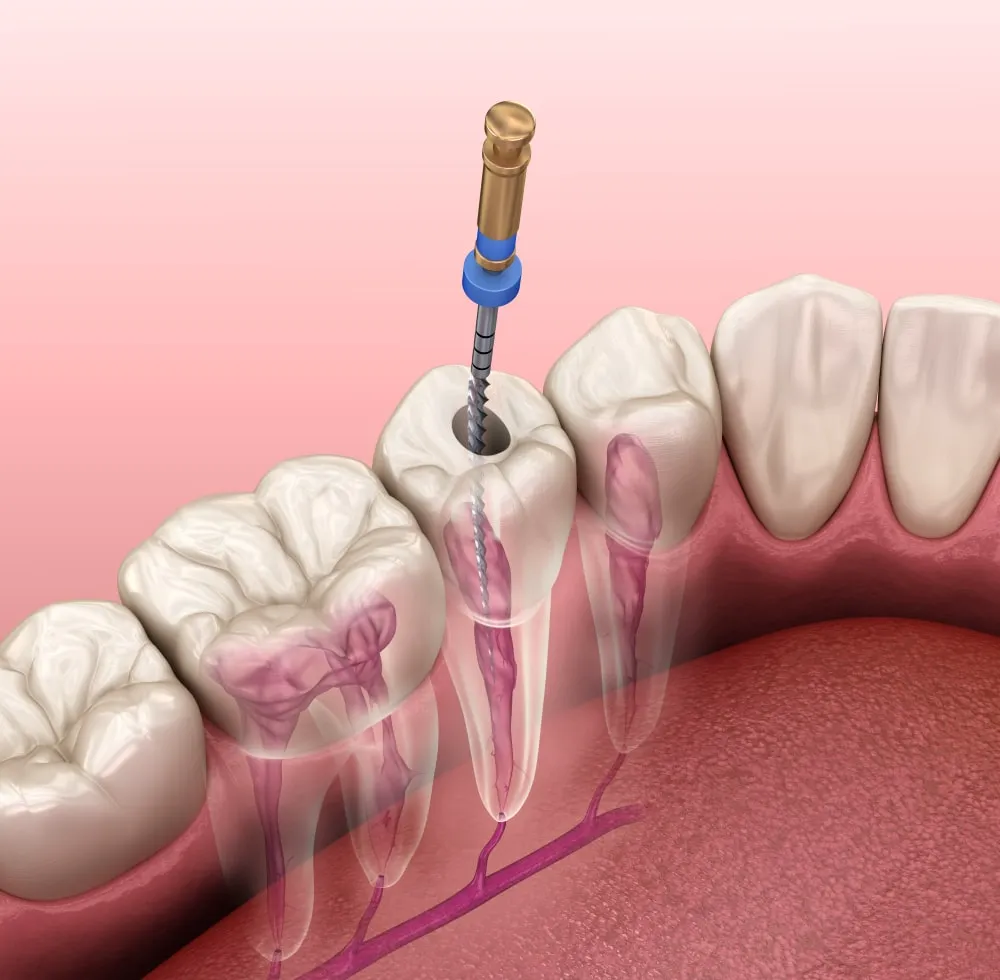
The dentist accesses the pulp chamber, removes the infected or damaged nerve tissue, and cleans the canals. Many Thai clinics use advanced rota
ry instruments to speed up this step.
4. **Disinfection & Shaping**
A special antibacterial solution is applied to ensure the tooth is free of infection. The canals are shaped to prepare for filling.
5. **Filling & Sealing**
The cleaned canals are filled with a biocompatible material, typically gutta-percha, and then sealed to prevent bacteria from re-entering.
6. **Restoration**
Because a tooth can become brittle after nerve removal, a crown or filling may be recommended to protect it.
### Recovery and Follow-Up Care
After nerve removal, Thai dentists often remind patients to avoid chewing hard foods on the treated tooth for a few days. It’s common to receive advice in a mix of Thai and English, making it accessible to both locals and foreigners. Mild soreness is normal, but if pain persists, follow-up visits are encouraged.
One cultural aspect in Thailand is the emphasis on continued relationships with your dentist. Patients are commonly invited back for regular check-ups, and many clinics follow up with friendly phone calls or LINE messages to ensure everything is healing well.
### Common Questions About Nerve Removal in Thailand
**Is it painful?**
With modern anesthesia techniques, nerve removal in Thailand is generally painless during the procedure. Some discomfort after treatment is expected, but it’s manageable and short-lived.
**How long does it take?**
Depending on the complexity, the treatment can take one to three visits. Thai dentists often try to complete it quickly, especially for international patients on tight travel schedules.
**Is it safe?**
Yes. Thailand’s reputable clinics follow strict hygiene protocols, with advanced sterilization equipment and quality control systems that meet international standards.
### Tips for Finding the Right Clinic
If you’re considering nerve removal in Thailand, look for clinics that:
- Have clear credentials and display the dentist’s qualifications.
- Offer transparent pricing without hidden charges.
- Communicate well in your preferred language.
- Use up-to-date equipment and sterilization processes.
Many patients start by searching online using keywords like “Root canal Bangkok” or “Dental nerve removal Chiang Mai” to check reviews and compare prices before making an appointment.
### Final Thoughts
Nerve removal treatment in Thailand is more than just a straightforward dental procedure — it’s an experience shaped by the country’s unique blend of skill, hospitality, and comfort. Patients benefit from globally recognized methods implemented with genuine Thai warmth. Whether you’re here for a quick holiday or living locally, you can trust that Thai dentists will work to ease your pain, restore your tooth, and help you keep your smile naturally beautiful for years to come.
Choosing nerve removal in Thailand means getting quality care you can rely on, often at a fraction of the cost found elsewhere, and walking away not only pain-free but feeling that you’ve been looked after by professionals who truly care.