Thailand ReRoot Canal Treatment Explained
Thailand ReRoot Canal Treatment Explained
**Thailand ReRoot Canal Treatment Explained**
If you’ve been living in Thailand for a while or are planning to visit for dental care, you might have heard the term “ReRoot Canal Treatment.” For many people, the word “root canal” already sounds intimidating, so when the word “re” is added, it can seem even more confusing. In truth, a ReRoot Canal Treatment is simply a repeat or corrective version of a root canal, done when the first one hasn’t worked as expected or when new problems have arisen in the same tooth. In this guide, we’ll break it down clearly, using real-life context from dental practices right here in Thailand.
---
### What is a ReRoot Canal Treatment?
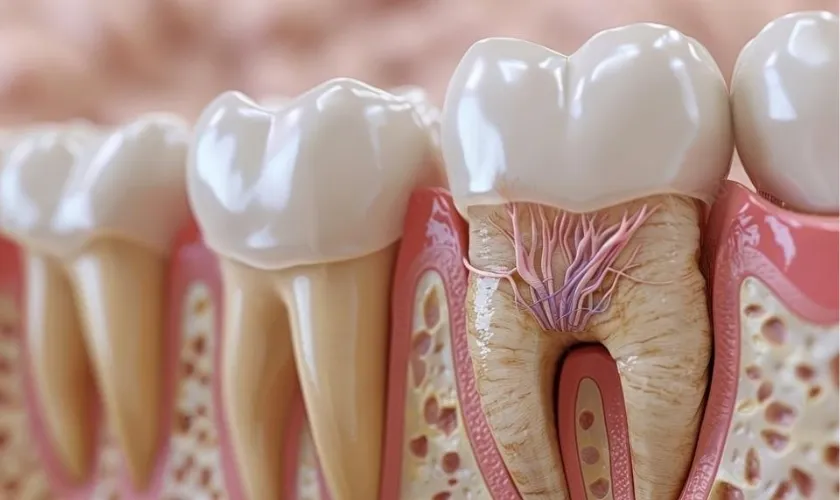
A standard root canal is performed to remove infected or damaged pulp inside a tooth. The goal is to stop pain, eliminate infection, and save the tooth so you can keep it in your mouth instead of resorting to extraction.
A **ReRoot Canal Treatment**—often called a “retreatment” by dentists—is carried out when the first root canal has failed. This might happen if:
- The tooth has developed a new infection.
- The filling or crown covering the tooth has broken down, allowing bacteria in again.
- A canal was missed during the initial procedure, leaving infection behind.
- The original filling material in the roots has degraded over time.
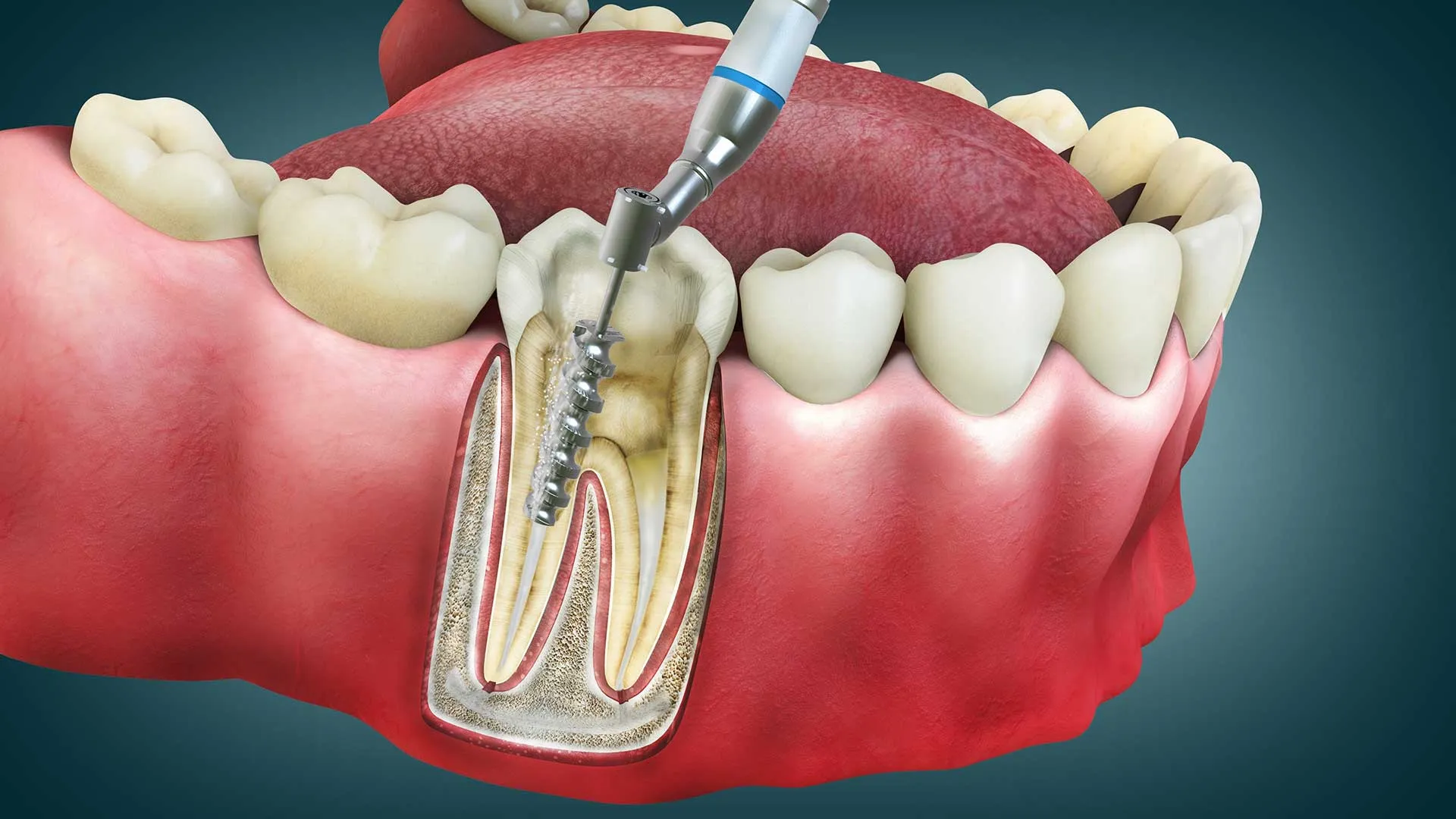
ReRoot Canal Treatment can be more complex than the first root canal because the dentist must carefully remove the original filling material from the canals, disinfect the area thoroughly, and ensure all spaces are properly sealed this time.
---
### Common Reasons People in Thailand Need Retreatment
Here in Thailand, dental clinics in Bangkok, Chiang Mai, Pattaya, and Phuket regularly see patients for retreatment. A few factors stand out:
1. **Delayed Follow-up** – After the first root canal, some patients skip regular check-ups. Without monitoring, small problems can grow into big infections.
2. **Chewing Habits** – Eating hard foods like crispy fried pork or biting ice cubes can crack dental crowns, which lets bacteria in.
3. **Tourist Dentistry** – Some visitors get root canals in their home country and then develop problems while travelling or living in Thailand. They end up seeking local care.
4. **Material Quality** – While high-quality materials are common in reputable Thai clinics, some budget treatments may use lower-grade fillings that fail faster.
---
### How ReRoot Canal Treatment Works in Thai Dental Clinics
Dentists in Thailand, especially in international-standard clinics, follow a structured approach for retreatment:
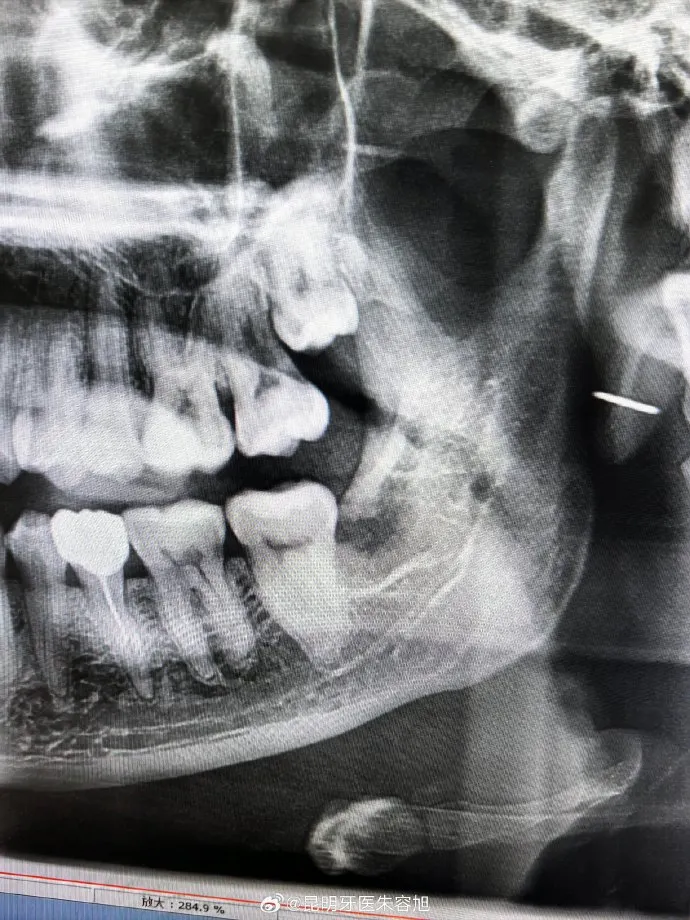
1. **Assessment & X-rays** – The dentist checks your tooth using digital X-rays to see the exact location of the infection or failed filling.
2. **Anaesthesia** – Just like with a regular root canal, local anaesthesia is given to ensure you feel no pain during the procedure.
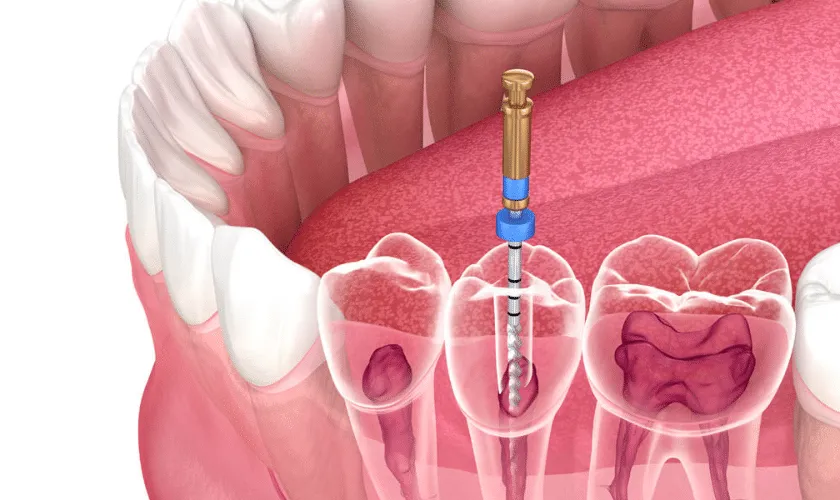
3. **Removal of Old Filling Material** – Using fine dental instruments, the dentist takes out the previous filling from inside the canals.
4. **Cleaning & Disinfection
** – This step is crucial. Powerful solutions and sometimes ultrasonic tools are used to remove all bacteria.
5. **New Filling** – The cleaned canals are refilled with new material that blocks bacteria from re-entering.
6. **Final Restoration** – A crown or filling is placed to protect the treated tooth.
---
### Benefits of Getting the Treatment in Thailand
Thailand has a strong reputation for dental tourism, and retreatment is one of the services offered to both locals and foreigners. Here’s why many people prefer having it done here:
- **Quality of Care** – Many clinics use advanced technology, such as digital X-rays and microscope-assisted procedures.
- **Affordable Cost** – Prices are often significantly lower than in Western countries, even for complex treatments.
- **Experienced Dentists** – Practitioners who handle both local and international patients are skilled in difficult retreatments.
- **Convenient Access** – Major cities have multiple clinics, often with English-speaking staff and flexible schedules.
---
### Recovery and Aftercare Tips
Whether you’re in Bangkok or a smaller Thai city, aftercare for a ReRoot Canal Treatment remains the same. Here are some common tips dentists give:
- **Avoid Hard Biting** – For the first few days, stick to soft foods like rice porridge or steamed fish.
- **Maintain Hygiene** – Brush twice daily and floss gently around the treated tooth.
- **Regular Check-ups** – Book reviews every 6–12 months, especially in the first two years after retreatment.
- **Watch for Symptoms** – If you feel lingering pain, swelling, or sensitivity, contact your dentist immediately.
---
### Is It Painful?
Many people worry that a ReRoot Canal will hurt more than the first one. In fact, most patients in Thailand report only mild discomfort thanks to effective local anaesthesia. Some tenderness in the tooth or jaw is normal for a few days, but severe pain is unusual and should be checked by the dentist.
---
### Preventing the Need for Retreatment
While dental problems can’t always be avoided, good habits reduce the risk:
- Get high-quality crowns or fillings after your first root canal.
- See a dentist for regular cleanings and X-rays.
- Avoid very hard or sticky foods that can damage dental work.
- Maintain excellent oral hygiene with fluoride toothpaste.
---
### Final Thoughts
A ReRoot Canal Treatment in Thailand may sound daunting at first, but it’s a very normal and effective procedure for saving a tooth that’s been treated before. Skilled Thai dentists, modern equipment, and reasonable costs make this option attractive for locals and visitors alike. With the right clinic and proper aftercare, many people enjoy lasting results and avoid losing a valuable tooth.
If you suspect your previous root canal isn’t holding up or you’ve developed new symptoms in the same tooth, don’t delay. Early action can prevent more serious complications—and in Thailand, you can expect professional care that balances quality and affordability.