Thailand Root Canal Success Rate Explained
Thailand Root Canal Success Rate Explained
**Thailand Root Canal Success Rate Explained**
If you’re living in Thailand or planning to visit for dental treatment, you might be curious about how successful root canal therapy is here. Many people often hear mixed stories — some say it’s an easy, straightforward procedure, while others worry about pain or complications afterward. Let’s break it down in a friendly, easy-to-understand way, so you know exactly what to expect from root canal treatment in Thailand and how the success rate stacks up.
---
**What Exactly Is a Root Canal?**
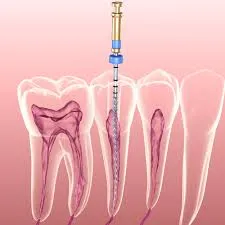
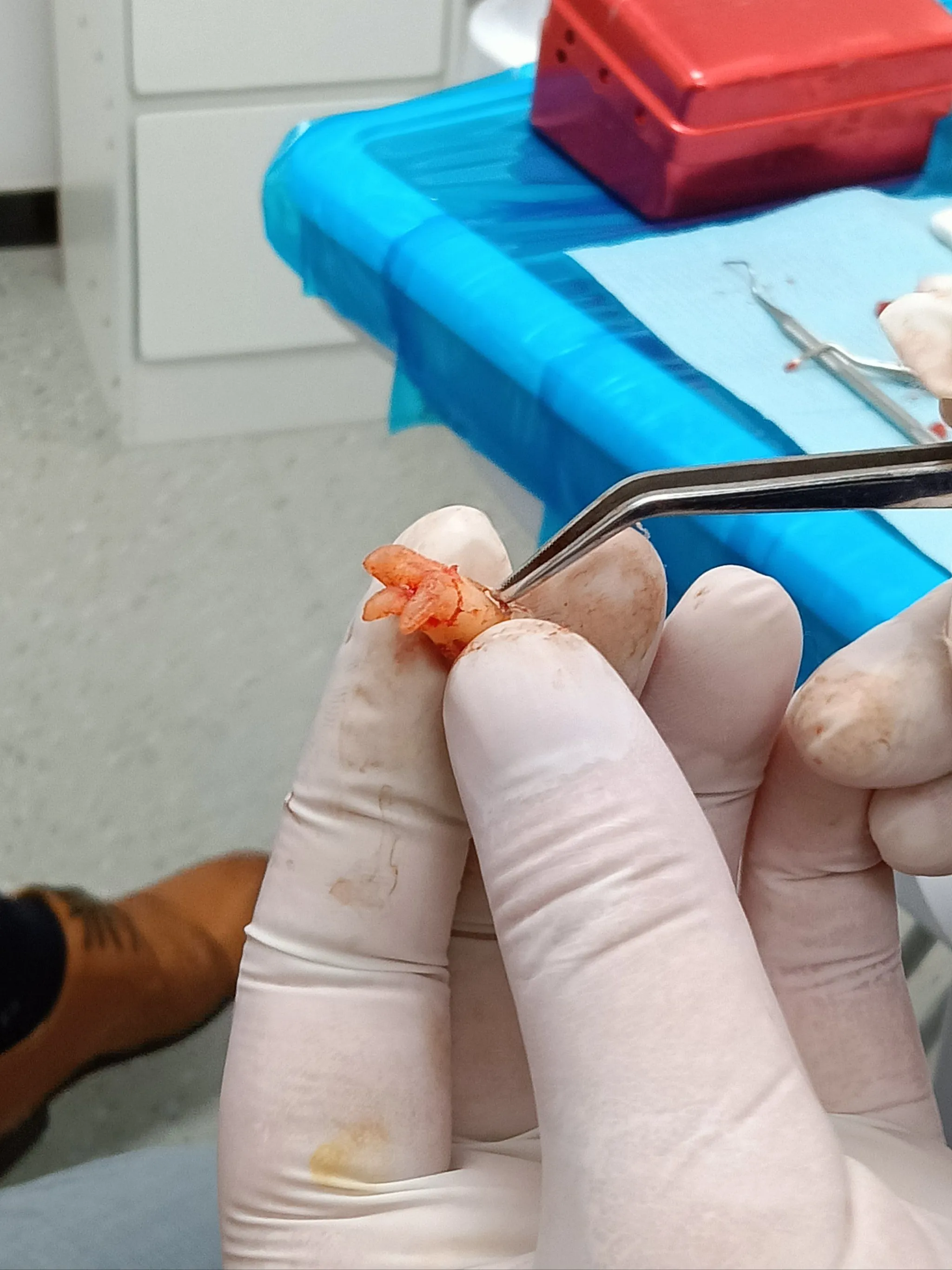
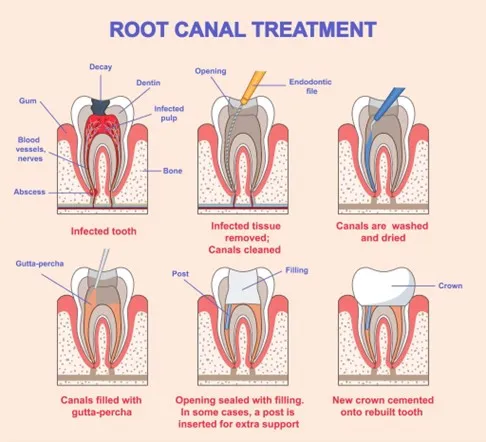
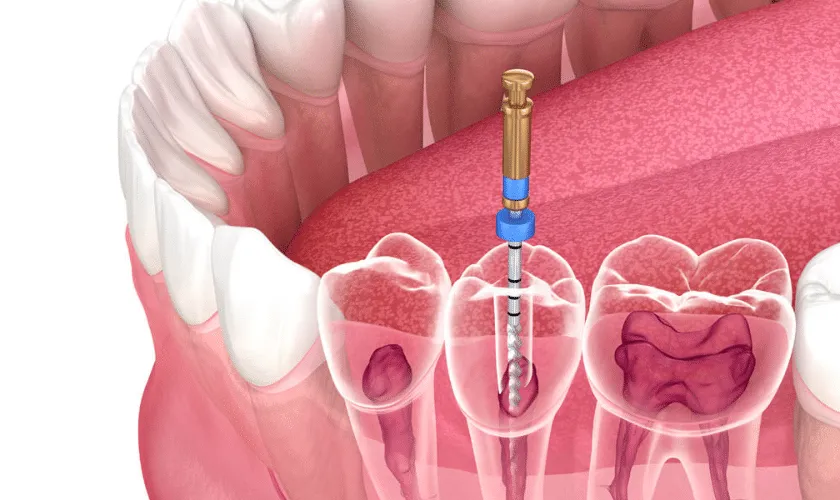
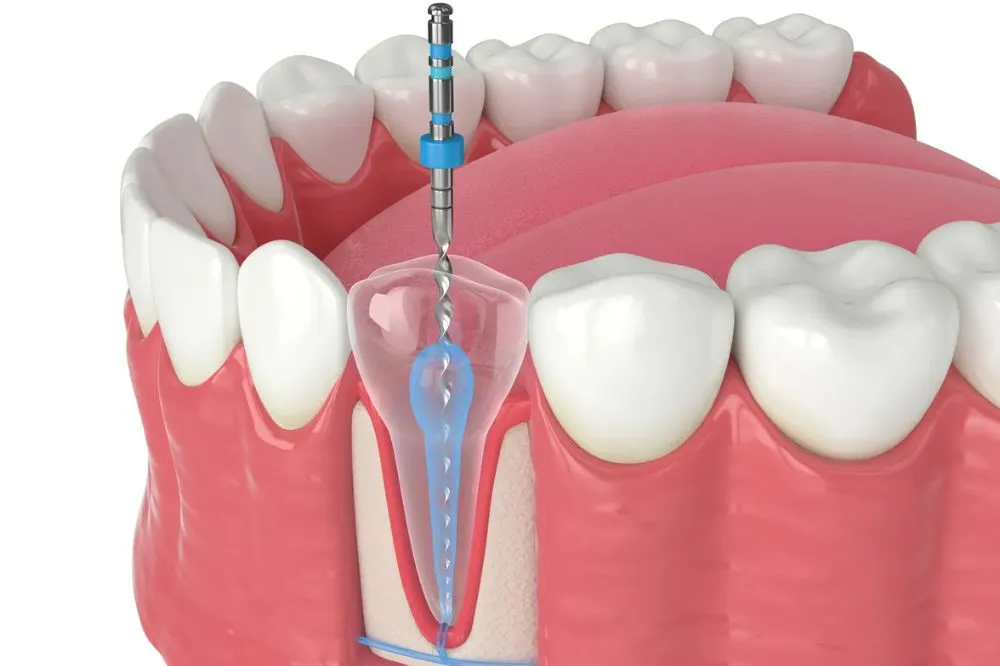
A root canal is a dental procedure used to treat infection or severe damage inside a tooth. Inside every tooth is a soft tissue called the pulp, which contains nerves and blood vessels. When the pulp becomes infected due to decay, cracks, or trauma, you may feel intense pain or even notice swelling. A root canal removes the damaged pulp, cleans the inner space, and seals it to prevent future infection.
In Thailand, dentists often explain it simply: “We save the tooth instead of pulling it out.” This sums up the main benefit — you keep your natural tooth instead of losing it and needing a replacement like a dental implant or bridge.
---
**Why Root Canal Success Rate Matters**
When you undergo this procedure, you want to know it will last. Success rate refers to how likely the treated tooth will remain healthy and functional for years after the root canal. Globally, the average success rate ranges from 85% to 97%, depending on the skill of the dentist and the patient’s oral hygiene afterward.
Thailand’s success rate is on the high end of that range, thanks to improved dental technology, experienced specialists, and better awareness about oral health. Many local clinics follow international standards, using advanced equipment like digital X-rays and rotary endodontic tools to increase precision and reduce discomfort.
---
**Factors Influencing Success Rate in Thailand**
Several factors contribute to the impressive success rate for root canal treatment in Thailand:
1. **Dentist Expertise** – Urban areas such as Bangkok, Chiang Mai, and Phuket have dental specialists who trained both locally and abroad. Many speak English well, making communication easy for expatriates and tourists.
2. **Technology and Equipment** – Modern dental clinics in Thailand often use microscopes and high-quality sealing materials, which improve accuracy and reduce the risk of reinfection.
3. **Patient’s Oral Hygiene** – After treatment, maintaining good oral care is crucial. Brushing twice daily, flossing, and avoiding excessive sugar help prevent new decay.
4. **Proper Restoration** – A root canal is only part of the treatment. After the procedure, a crown is often placed over the tooth to protect it. Skipping this step can lower the long-term success rate.
---
**Typical Patient Experience in Thailand**
Root canal treatment in Thailand usually takes one to three visits, depending on the tooth’s condition. For many patients, the experienc
e feels surprisingly smooth compared to their expectations.
Here’s what normally happens:
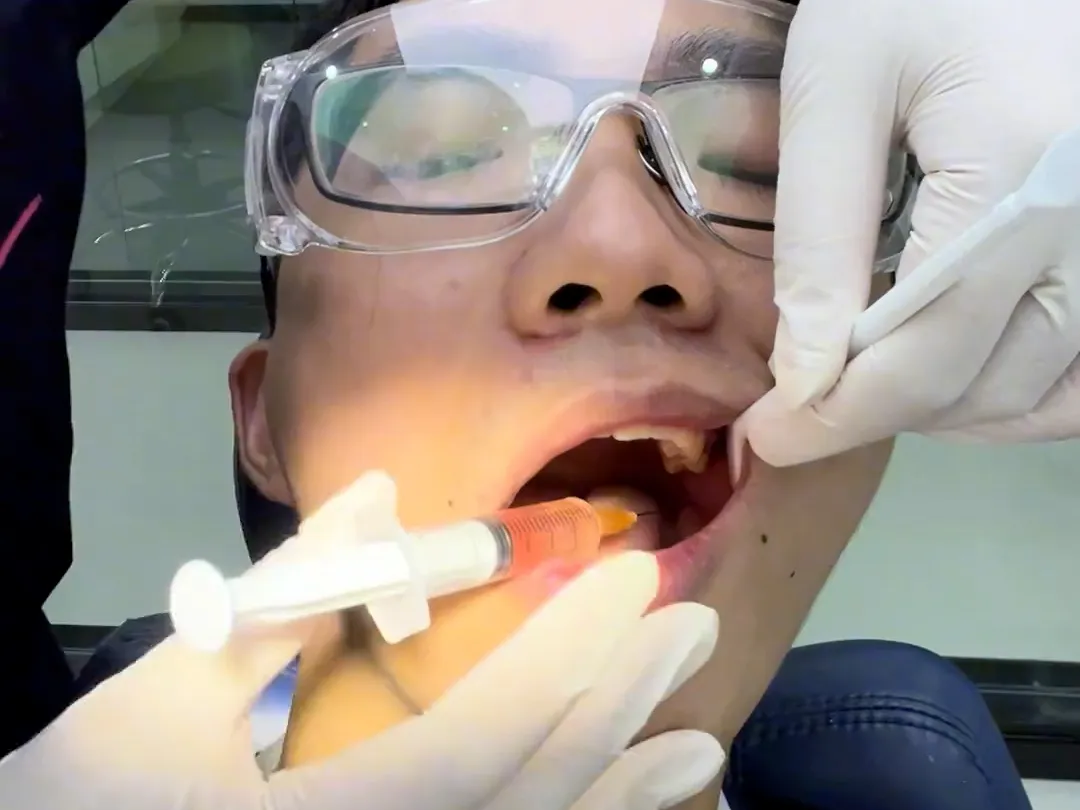
- **First Visit** – The dentist examines your tooth, takes an X-ray, and explains the procedure. Local anesthesia is given so you won’t feel pain. The infected pulp is removed, and the canals are cleaned.
- **Second Visit** – The dentist continues cleaning and shaping the canals if needed. Medication may be placed inside to ensure any remaining bacteria are eliminated.
- **Final Visit** – The canals are sealed, and a crown may be fitted to protect the tooth.
In most cases, patients can return to normal eating within a day, though they may be advised to avoid chewing on the treated side until the crown is placed.
---
**How Thailand Compares to Other Countries**
Dental tourists often ask: “Is a root canal in Thailand really as good as in my home country?” In many cases, yes — and sometimes even better, depending on where you are from.
Compared to countries with high dental costs, Thailand offers affordable root canal treatment without compromising quality. Some clinics cater specifically to international patients, which means more comfortable facilities, flexible scheduling, and multilingual staff.
The combination of reasonable cost and high success rate is one reason Thailand has become a dental tourism hub. For example, a root canal here might cost a fraction of the price in countries like Australia, Singapore, or the US, yet have comparable or higher success percentages.
---
**Tips to Boost Your Own Success Rate After Treatment**
Even with a skilled dentist, you play a big role in maintaining the health of your treated tooth. Here are some Thailand-style friendly reminders:
- **"Brush morning and night, don’t be lazy."** Consistent brushing with fluoride toothpaste helps prevent new decay.
- **"Don’t skip the crown."** This extra step is worth it to ensure the tooth doesn’t crack later.
- **Regular Check-ups** – Whether at a city clinic or your neighborhood dentist, schedule follow-ups every six months.
- **Watch What You Eat** – Avoid very hard foods like ice cubes or sticky sweets that can damage the restoration.
---
**The Bottom Line on Thailand’s Root Canal Success Rate**
Root canal therapy in Thailand is considered highly successful, with rates often matching or even exceeding global averages. The combination of qualified dentists, advanced technology, and strong patient care standards makes it a trusted choice not only for locals but also for visitors from abroad.
If you’ve been postponing treatment because of fear or uncertainty, knowing the high success rate in Thailand may help you make a confident decision. With proper aftercare, your treated tooth can last for many years and feel just like your natural teeth.
So, whether you’re sitting in Bangkok traffic thinking about your next dental check-up or planning a trip to Chiang Mai, rest assured that Thailand’s root canal success rate is something you can rely on — and smile about.