Thailand Root Canal 3-Step Cleaning Method
Thailand Root Canal 3-Step Cleaning Method
**Thailand Root Canal 3-Step Cleaning Method**
When people think about dental care in Thailand, they often picture friendly dentists, modern clinics, and affordable treatments. One procedure that has become increasingly popular here is the root canal. While many patients dread the idea, in Thailand, dentists have developed an approach that’s both efficient and comfortable – the 3-step cleaning method. This technique is designed to save your tooth, reduce pain, and keep treatment times as short as possible, making it ideal for anyone balancing busy schedules and budgets.
Root canal treatment is essential when the pulp inside your tooth becomes infected or damaged. Without proper care, this can lead to severe pain, swelling, and even tooth loss. The Thai 3-step cleaning method focuses on thorough disinfection while ensuring patients feel relaxed during the procedure. Understanding this process will help you feel more confident if your dentist recommends it.
---
**Step 1: Accurate Diagnosis and Pulp Removal**
The journey begins with a detailed check-up. Thai dentists often use advanced digital X-rays and intraoral cameras to see exactly what’s happening inside the tooth. This allows them to locate infection precisely and plan the treatment with minimal disruption to surrounding tissue.
Once the problem area is identified, the dentist carefully removes the infected pulp using fine dental instruments. Thai dental clinics place a strong emphasis on gentle handling – local anesthesia is administered to keep the patient comfortable throughout. This step is crucial because any leftover infected tissue can cause future problems. Here, precision is key, and many Thai dentists are known for their meticulous approach that balances speed with accuracy.
---
**Step 2: Deep Cleaning and Disinfection**
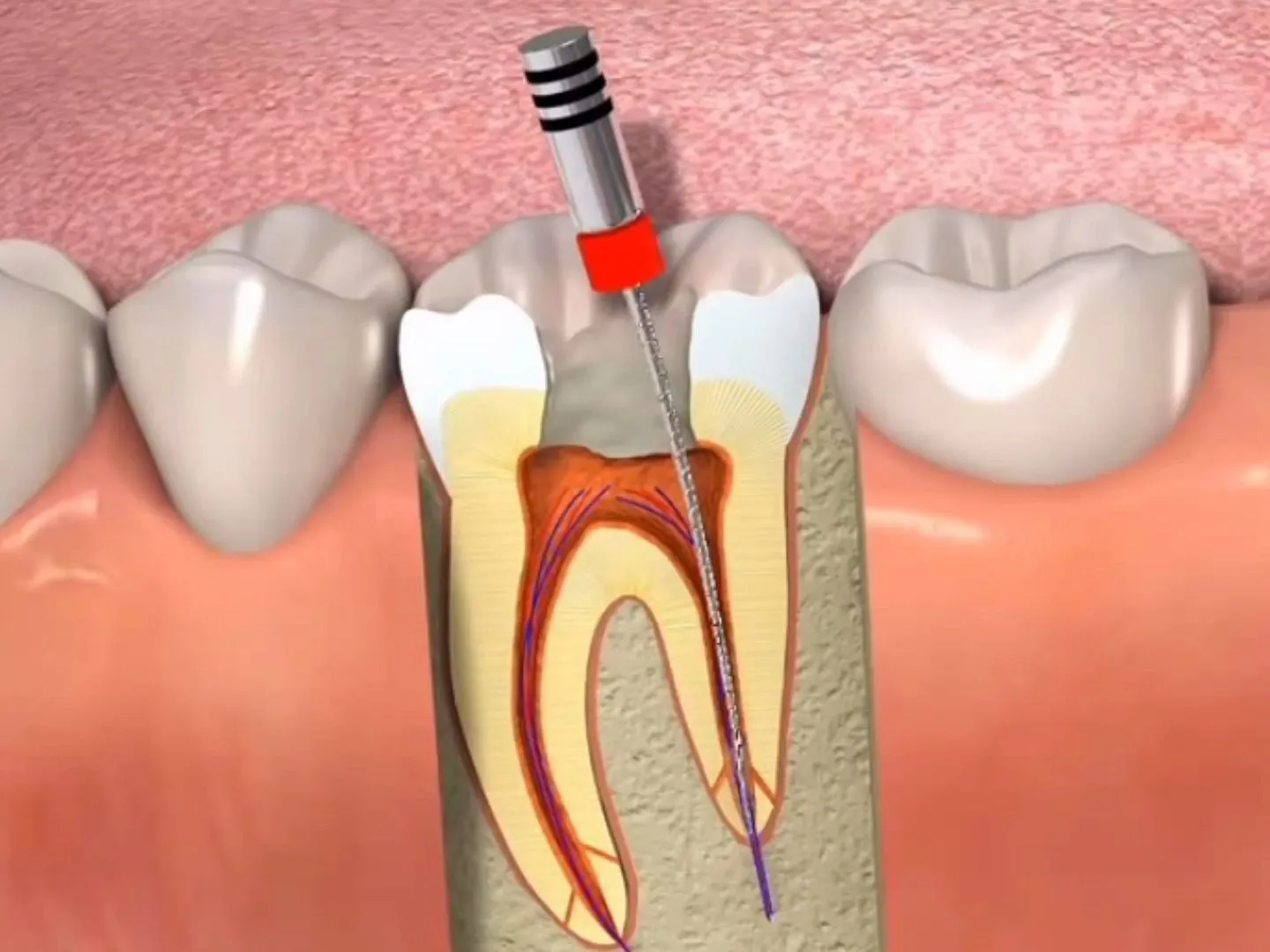
After the infected pulp is removed, the next phase is deep cleaning. In the Thai 3-step method, this isn’t just a quick rinse – it’s a multi-layered process that ensures the canal is completely free from bacteria. Dentists use special irrigating solutions, often sodium hypochlorite in carefully controlled doses, to flush out debris, dead tissue, and microorganisms.
An important feature of Thai dental practice is patient comfort during this stage. Clinics often explain each part of the process so patients can follow along without feeling anxious. For example, many dentists describe how the cleaning solution works, compare it to washing a small pipe, and reassure patients about the lack of pain. This communication makes the experience feel less clinical and more personal, which is something people appreciate when choosing dental services in Thailand.
---
**Step 3: Shaping, Sealing, and Restoration**
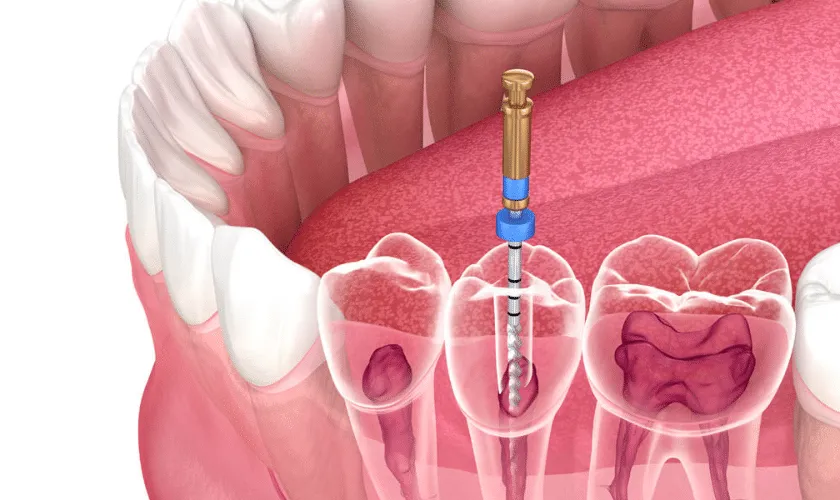
The final cleaning step involves shaping the root canal so that it can be perfectly sealed. Dentists use fine files to
smooth the canal walls, ensuring they are ready for filling. In Thailand, a common material for filling is gutta-percha – a biocompatible substance that keeps bacteria out and maintains the tooth’s stability.
Once sealed, attention turns to restoring the tooth. Depending on the damage, this might involve placing a crown, especially if the tooth has lost substantial structure. Thai dental clinics often offer attractive and durable crowns, ranging from porcelain to zirconia, allowing patients to choose the best match for their needs and budget. The restoration not only protects the treated tooth but also blends seamlessly with surrounding teeth, maintaining a natural look.
---
**Why the Thai 3-Step Cleaning Method Stands Out**
This approach isn’t just about medical precision – it’s also about patient experience. Many foreign visitors who undergo root canal treatment in Thailand are impressed by how streamlined the process feels. Appointments are well-organized, communication is friendly, and the technology is up-to-date. It’s common for clinics to complete the treatment within two to three visits, minimizing disruption to your daily life.
Moreover, prices in Thailand for root canal treatment are generally lower than in many Western countries, without compromising on quality. Combine that with the opportunity to enjoy Thailand’s scenic destinations before or after your dental work, and you can see why dental tourism here continues to grow.
---
**Tips for Aftercare Following a Thai Root Canal**
While the 3-step cleaning method is thorough, success depends on proper aftercare. Dentists in Thailand typically recommend:
1. **Avoiding hard foods** for a few days to protect the treated tooth.
2. **Maintaining oral hygiene** – gentle brushing and flossing to prevent reinfection.
3. **Attending follow-up appointments**, especially if your tooth needs a permanent crown.
4. **Listening to your body** – if you feel unusual pain or swelling, contact your dentist immediately.
The recovery process is usually smooth, and with proper care, a root canal-treated tooth can last for many years.
---
**Final Thoughts**
The Thailand root canal 3-step cleaning method offers a smart, patient-friendly approach to saving damaged teeth. It combines accurate diagnosis, deep cleaning, and quality restoration to ensure both health and comfort. Whether you’re a local resident or a visitor, Thai dental clinics are well-equipped to handle complex cases while keeping treatment gentle and efficient.
If you’ve been putting off a root canal due to fear or uncertainty, understanding this method can help you take the next step toward a healthy smile. In Thailand, dentistry isn’t just about treatment – it’s about providing care with a personal touch, making even complex procedures feel less intimidating and more reassuring.
---