Thailand Root Canal Stepwise Treatment
Thailand Root Canal Stepwise Treatment
**Thailand Root Canal Stepwise Treatment**
When you think of dental work in Thailand, you might picture gleaming clinics, friendly dentists, and affordable yet high-quality care. For people living here, as well as visitors, one of the more common dental procedures is the root canal. Whether it’s because of tooth decay, a cracked tooth, or lingering pain after an injury, root canals help save your natural teeth instead of removing them outright. In this article, we’ll walk through the step-by-step root canal treatment process in Thailand, so you know exactly what to expect from your first appointment until you leave the clinic smiling.
---
### Understanding the Need for a Root Canal
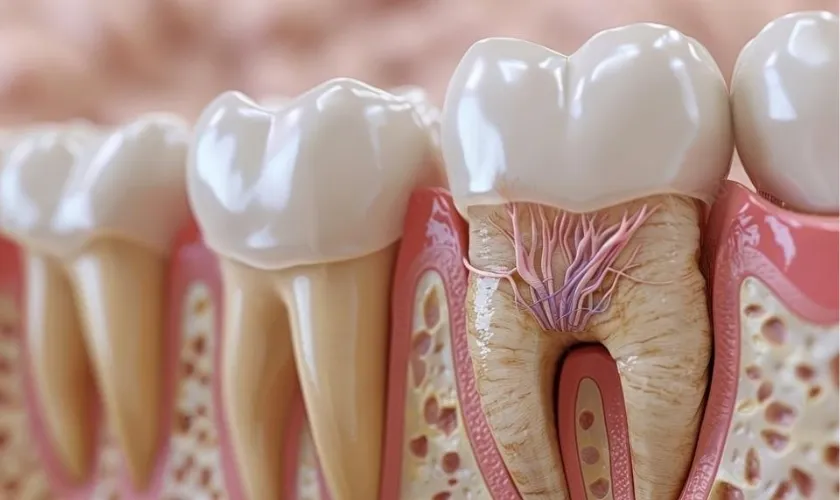
The main reason patients are referred for a root canal in Thailand is an infection or inflammation deep inside the tooth pulp. This part contains nerves and blood vessels. When bacteria reach this inner layer—often due to untreated cavities or trauma—it can lead to severe pain, swelling, or sensitivity to hot and cold.
Dentists here are trained to diagnose accurately using X-rays and modern equipment. You’ll often hear Thai dental professionals explain it simply: “We save the tooth from inside, so you won’t lose it.” This straightforward approach helps put patients at ease.
---
### Step 1: Initial Consultation and Diagnosis
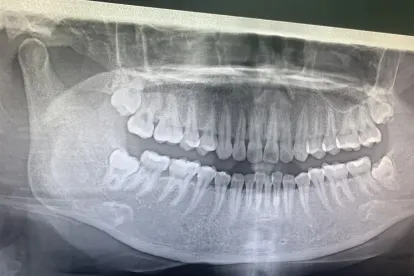
Your root canal journey begins with a consultation. In Thailand, many clinics allow same-day appointments if you’re in pain. The dentist will ask about your symptoms, medical history, and previous dental work. A small digital X-ray is taken to see exactly where the infection is and how far it has spread.
During this stage, your dentist may also check the surrounding gums and teeth to ensure there’s no additional problem. Thai clinics pride themselves on giving clear explanations—often showing you the X-ray on a screen and pointing out the affected area, so you’re part of the process.
---
### Step 2: Local Anaesthesia
Once the root canal is approved, the next step is numbing the tooth. Thai dentists typically use advanced local anaesthesia techniques to make sure you’re comfortable. You might feel a small pinch when the anaesthetic is applied, but soon the area will feel numb. It’s quite common for dentists here to check two or three times during the procedure to make sure you cannot feel pain before they proceed.
---
### Step 3: Opening the Tooth and Cleaning the Pulp Chamber
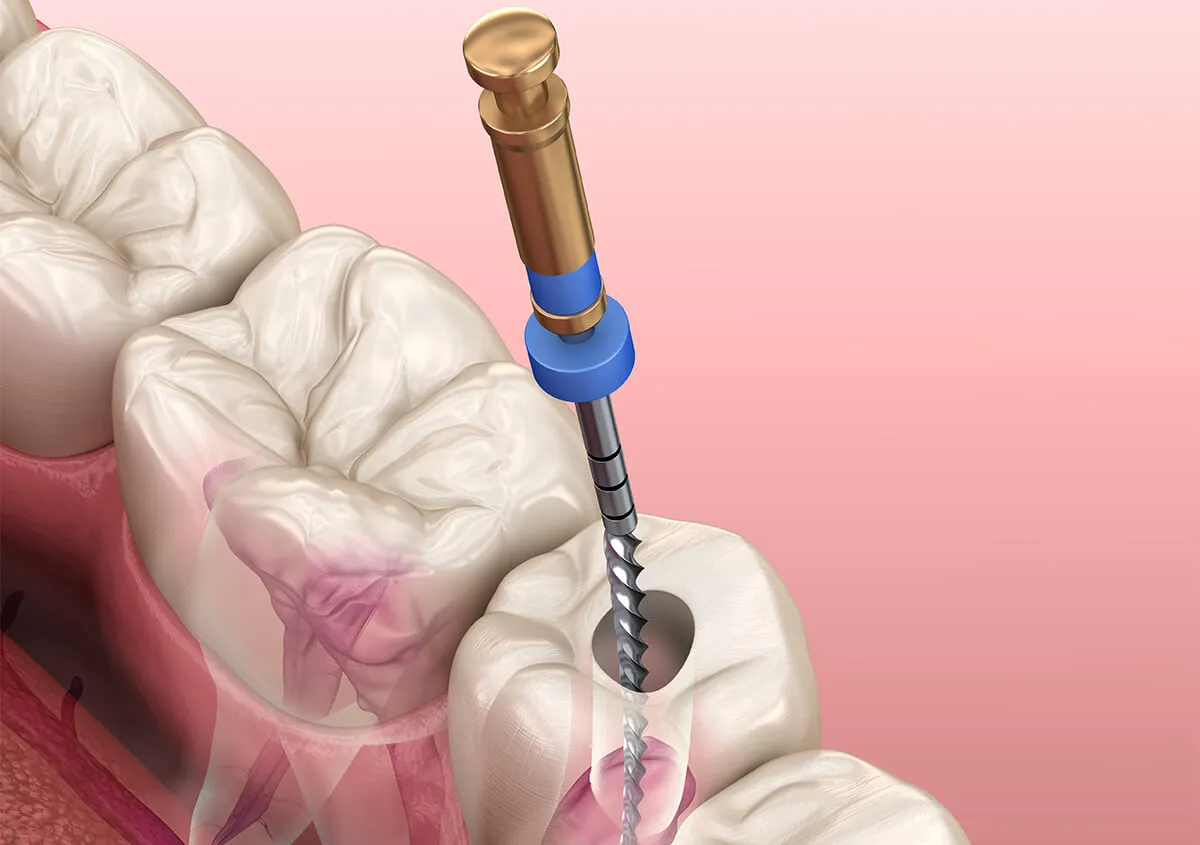
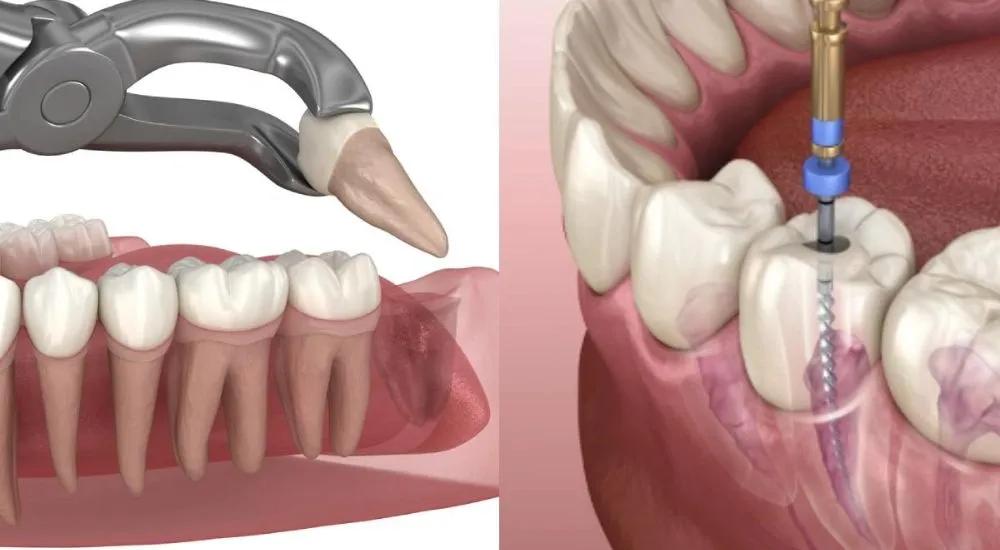
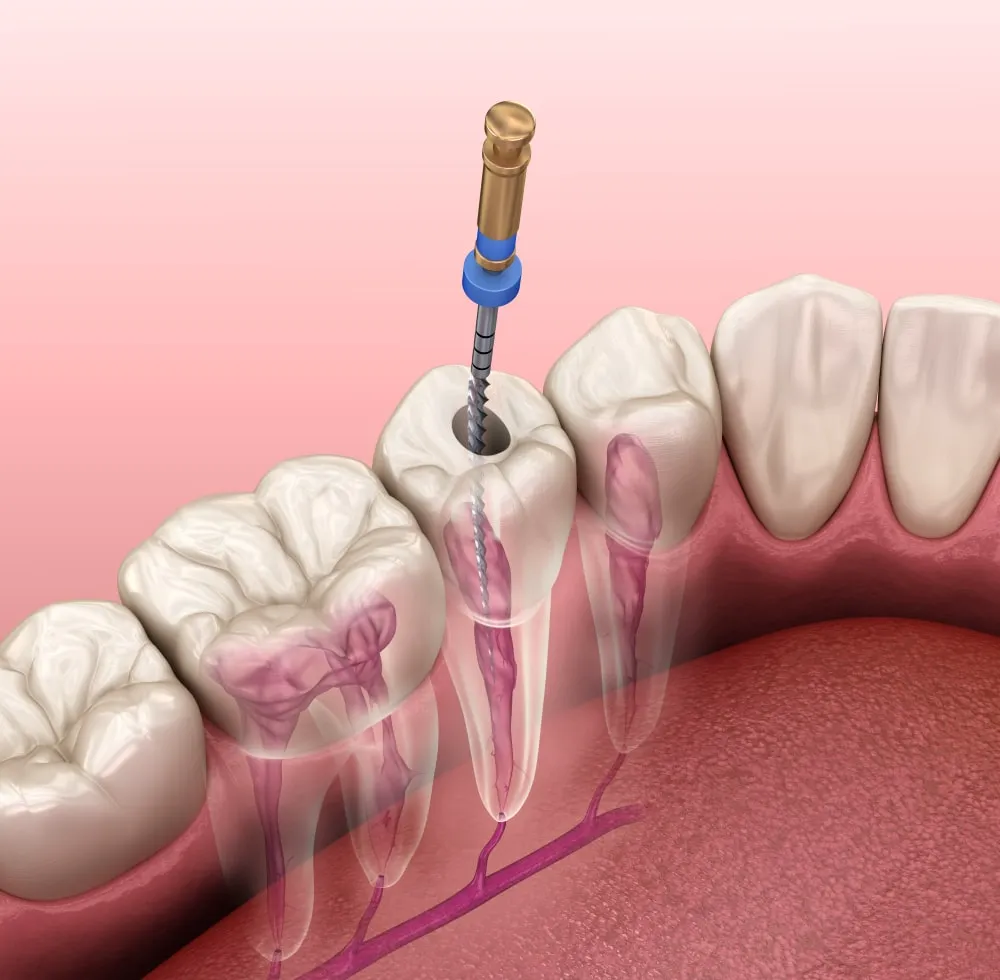
After the tooth is numb, the dentist will make a small opening on the crown (the top part of the tooth) to access the pulp chamber. Using fine, precise instruments, they remove the infected pulp tissue bit by bit. In Thailand, many clinics use rotary tools that make the process faster and smoother compared to manual files.
Throughout this step, the tooth is flushed with an antibacterial solution—often sodium hypochlorite—to wash away debris and reduce any remaining bacteria. Patients here often comment on how the dentist explains each step, saying things like “Now we are cleaning inside” or “This helps keep the bacteria away.”
---
### Step 4: Shaping and Disinfecting the Root Canals
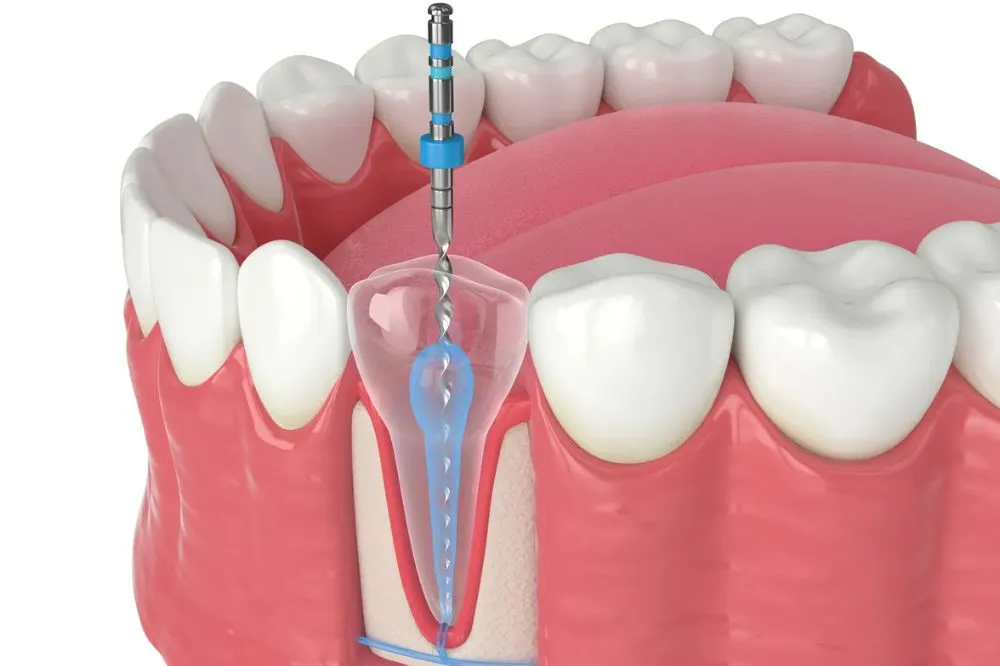
The canals inside the tooth are tiny and can be curved, so shaping them properly is crucial. Thai dentists often use modern equipment to ensure precise sha
ping while disinfecting at the same time. This step helps prepare the canals for the filling material.
In many clinics, the shaping process is combined with ultrasonic cleaning, which improves the removal of bacteria and debris. You may notice the dentist periodically stopping to check with an X-ray during treatment to confirm that all canals have been fully prepared.
---
### Step 5: Filling the Canals
Once the canals are clean and shaped, they’re filled with a special biocompatible material, usually gutta-percha. In Thailand, dentists take care to make sure the filling completely seals the canals, preventing reinfection. They may heat the material slightly to allow better adaptation inside the canals, which is a widely used technique here.
Sealing is one of the most important parts of the procedure, and your dentist will often show you a post-treatment X-ray so you can see the fully sealed canals. This step reassures patients that the infection has been addressed properly.
---
### Step 6: Temporary or Permanent Restoration
After filling, the tooth is either given a temporary filling or, if possible, a permanent restoration. In Thailand, dentists often advise placing a crown over a root canal-treated tooth because it restores strength and prevents future cracks. If you’re just visiting Thailand, they will coordinate the crown fitting within your available time, as clinics here are experienced with international patients on tight schedules.
---
### Step 7: Follow-Up Checks
A root canal in Thailand doesn’t end when you leave the clinic. Many dentists will schedule a follow-up to ensure the tooth is settling well and that there’s no lingering discomfort. This is especially important if you had significant infection or swelling before treatment.
Patients here appreciate the warm approach during follow-ups, with dentists often remembering details from your previous visit and asking about your daily comfort.
---
### Cost and Quality in Thailand
Root canal treatment costs in Thailand are generally more affordable than in many Western countries, without compromising quality. Prices vary depending on the tooth type—front teeth often require fewer canals than molars—and the complexity of the case. Clinics in Bangkok, Chiang Mai, and Phuket are known for international-standard facilities, while local Thai clinics also provide excellent care with a personal touch.
---
### Tips for Patients
- **Don’t delay treatment** – Infections can spread quickly.
- **Ask questions** – Thai dentists welcome patient curiosity.
- **Consider a crown** – It improves long-term durability.
- **Keep up with oral hygiene** – Brush, floss, and attend regular check-ups.
---
### Final Thoughts
Getting a root canal in Thailand is a straightforward process when you know what’s coming. From the moment you step into the clinic to the final restoration, Thai dental protocol focuses on comfort, clarity, and quality. The stepwise treatment not only removes pain but also preserves your natural tooth for years to come.
Whether you’re a local or just in the country for travel, Thailand’s blend of modern dental technology, caring professionals, and reasonable pricing makes it one of the most trusted places for root canal treatment in Asia.