Thailand Root Canal for Infected Nerve Tissue
Thailand Root Canal for Infected Nerve Tissue
**Thailand Root Canal for Infected Nerve Tissue**
If you’ve ever experienced a sharp, lingering toothache that just won’t go away, it could be more than just a cavity. In many cases, persistent pain is caused by infected nerve tissue inside the tooth — a problem that often requires a root canal procedure. In Thailand, root canal treatment has become a reliable and well-developed dental solution, combining professional expertise, modern technology, and affordable care. Understanding what a root canal is, why it’s needed, and how it’s performed in Thailand can help you feel more confident about seeking treatment.
---
**What Is a Root Canal and Why It’s Needed**
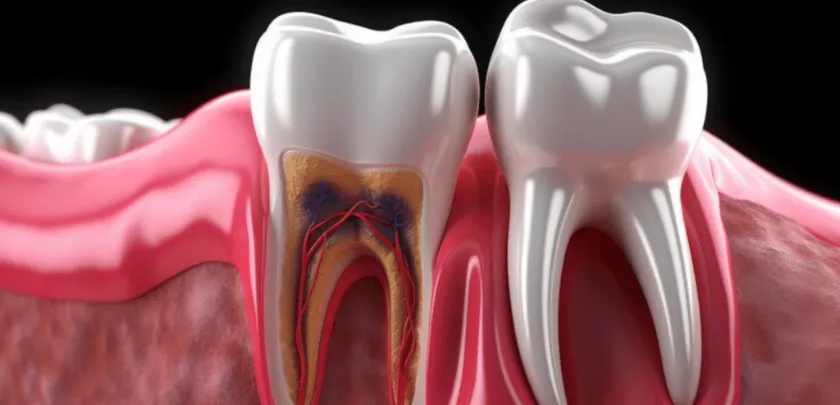
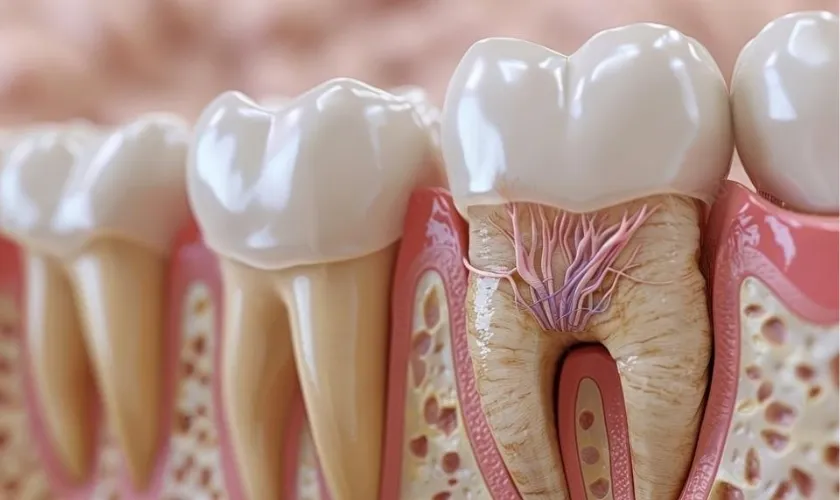
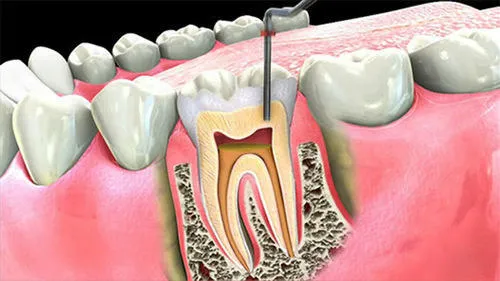
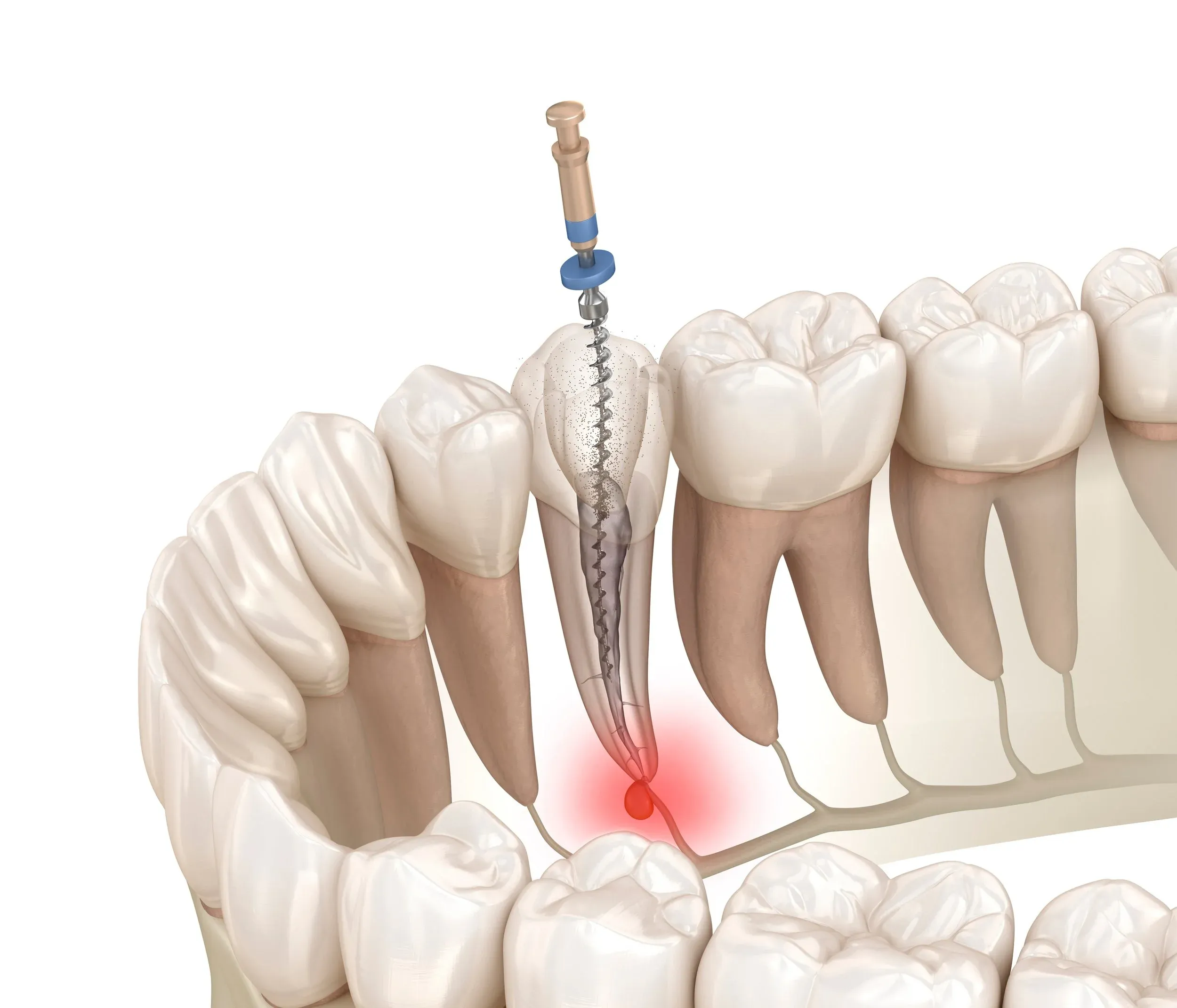
Inside every tooth, beneath the white enamel and hard dentin, there’s a soft core called the pulp. This pulp contains blood vessels, connective tissue, and nerves that help the tooth grow during its early stages. When bacteria enter the pulp due to deep decay, cracks, or trauma, the nerves can become infected or inflamed. This is often when you experience severe tooth pain, sensitivity to hot or cold, swelling, or even gum tenderness.
A root canal in Thailand is performed to remove the infected pulp, clean the inside of the tooth thoroughly, and seal it to prevent future infection. By doing so, dentists can save your natural tooth instead of resorting to extraction, which could cause complications later.
---
**Common Causes of Infected Nerve Tissue**
Patients in Thailand often come to dental clinics with nerve-related tooth pain caused by:
- **Deep tooth decay** that reaches the pulp layer.
- **Untreated cracks or chips** in teeth allowing bacteria inside.
- **Repeated dental procedures** on the same tooth, which may weaken its structure.
- **Dental trauma** from accidents or sports injuries.
When nerve tissue is infected, the body can’t heal it naturally. Without proper treatment, the infection may spread to surrounding areas of the jaw, leading to abscesses or systemic health issues.
---
**Why Choose Thailand for Root Canal Treatment**
Thailand has gained a strong reputation for dental care in Southeast Asia for several reasons:
1. **Highly trained dentists** – Many Thai dentists are internationally educated and follow global standards in dental procedures.
2. **Modern dental technology** – Clinics use advanced imaging, rotary instruments, and sterilization systems to ensure precise and safe treatment.
3. **Affordable yet high quality** – Dental services in Thailand are usually more budget-friendly than in many Western countries without compromising standards.
4. **Convenience for local and international patients** – Many clinics cater to English-speaking patients, with clear communication and transparent pricing.
---
**Step-by-Step Guide to a Typical Root Canal in Thailand**
Most root canal treatments here are done in one to three visits, depending on the severity of the infection and the tooth’s condition. Here’s what typically happens:
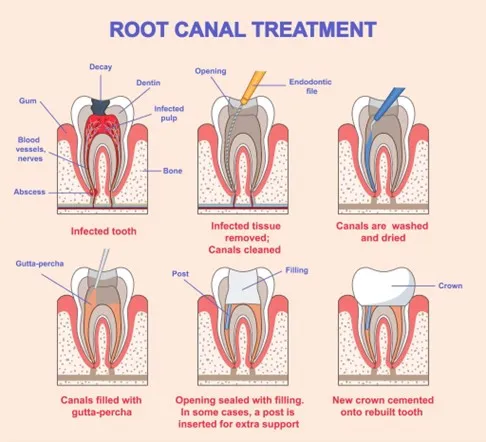
1. **Examination and Diagnosis**
Your dentist will perform an oral examination and possibly take X-rays to determine the exten
t of damage to the pulp.
2. **Local Anesthesia**
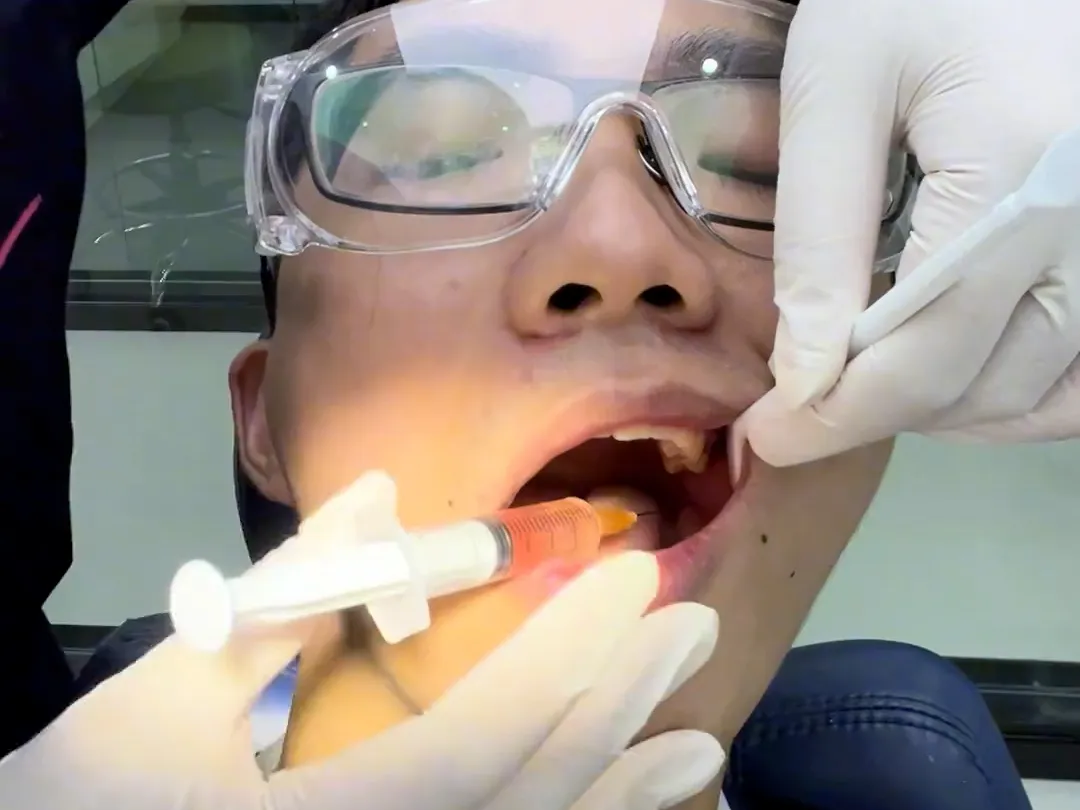
Before starting, the dentist numbs the affected tooth and surrounding tissues to ensure you’re comfortable and pain-free.
3. **Pulp Removal and Cleaning**
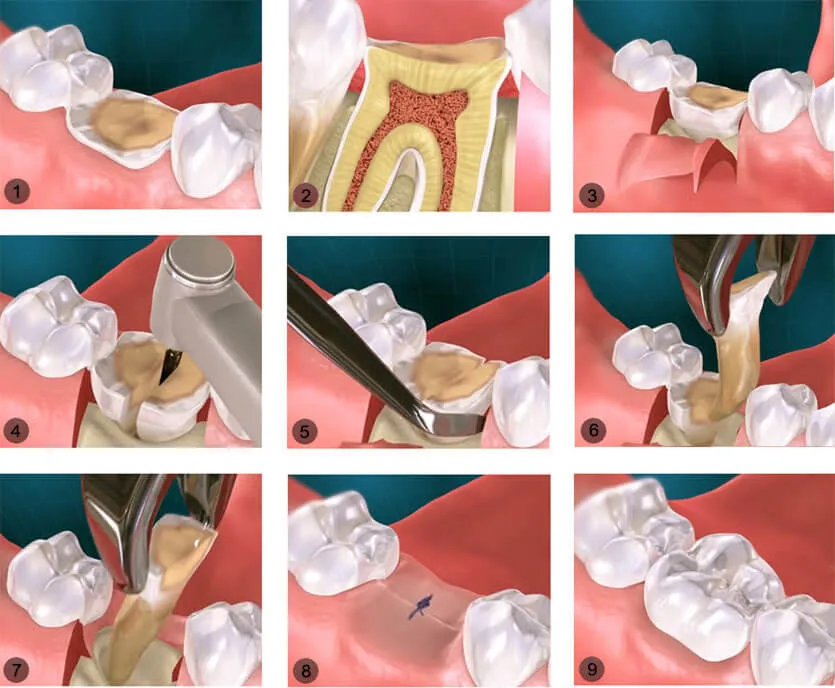
The dentist creates a small opening on the tooth’s surface and uses specialized tools to remove the infected nerve tissue. The inner canals of the tooth are cleaned and shaped for filling.
4. **Filling the Canals**
After cleaning, the space inside the tooth is filled with a biocompatible material such as gutta-percha, which helps prevent reinfection.
5. **Restoration**
Since a tooth after root canal can become more brittle, the dentist may recommend placing a crown to restore strength and natural function.
---
**Important Aftercare Tips**
After the procedure, Thai dentists usually advise the following to ensure proper healing:
- Avoid chewing on the treated tooth until the permanent crown is placed.
- Maintain good oral hygiene with brushing and flossing twice daily.
- Attend all follow-up visits to monitor progress.
- Report any unusual swelling or discomfort immediately.
Following these guidelines can help your root canal remain successful for many years.
---
**How to Find the Right Dentist in Thailand**
When looking for a clinic, check for:
- Proper licensing and certification.
- Clear communication in your preferred language.
- Modern equipment and sterilization procedures.
- Positive patient reviews and recommendations.
Dental hubs like Bangkok, Chiang Mai, Phuket, and Pattaya are well-known for skilled professionals who cater to both locals and international visitors.
---
**Cost Considerations**
The price for a root canal in Thailand varies based on the tooth’s location, complexity of the case, and the clinic itself. Front teeth tend to be less expensive than molars because they have fewer canals. Although costs can be significantly lower than in Europe or North America, the quality of care in Thailand is often on par with international standards.
---
**Prevention Is Always Better**
While root canal treatment can save a tooth, prevention is the best approach. Regular dental check-ups every six months, daily brushing and flossing, and addressing cavities early can help avoid nerve infections. If you notice persistent tooth sensitivity or swelling, visit a dentist right away — catching problems early can save you time, money, and discomfort.
---
**Final Thoughts**
Getting a root canal for infected nerve tissue may feel intimidating, but in Thailand, the process is smooth, well-managed, and relatively stress-free. With experienced dentists, advanced technology, and friendly service, you can expect excellent results without breaking the bank. Whether you’re a local resident or a visitor seeking dental care abroad, Thailand offers a solid combination of affordability and expertise for treating infected pulp and preserving your natural smile.
If you take action promptly and follow professional advice, your root canal experience in Thailand can be a positive step toward lasting oral health.