Thailand Root Canal Diagnosis Methods
Thailand Root Canal Diagnosis Methods
**Thailand Root Canal Diagnosis Methods**
When it comes to dental health, Thailand has earned a strong reputation for providing professional treatment with modern equipment and skilled dentists. Among the many dental procedures offered here, root canal treatment is quite common, especially for patients suffering from persistent tooth pain or infection. Before starting a root canal, however, accurate diagnosis is crucial. In Thailand, dentists follow systematic methods to determine whether a patient truly needs this procedure. Understanding these diagnostic steps can help patients feel more confident and prepared when visiting a local dental clinic.
---
### Understanding Root Canal Treatment in Thailand
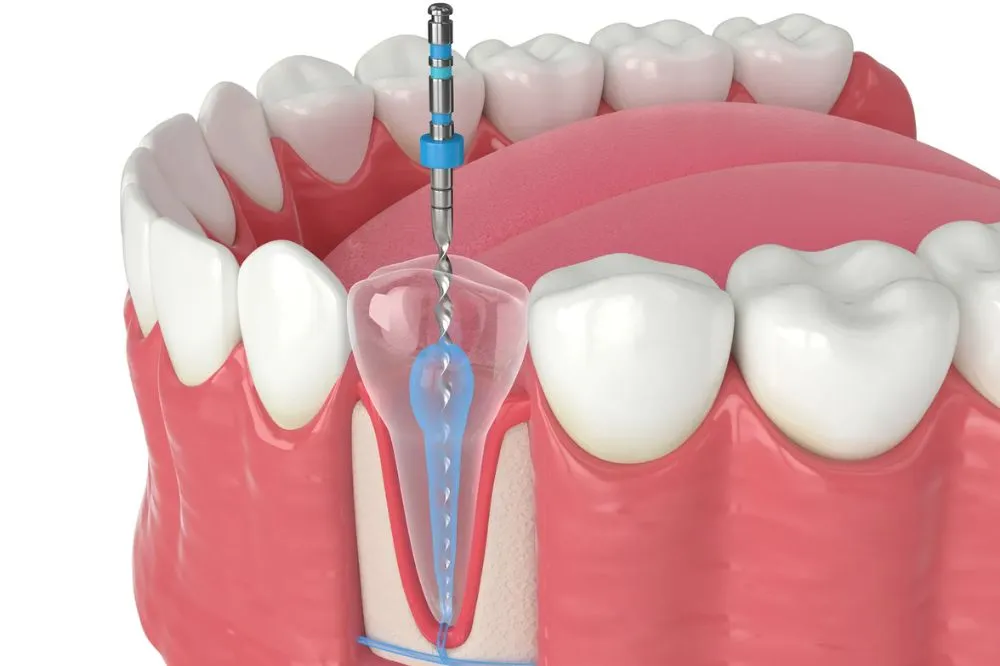
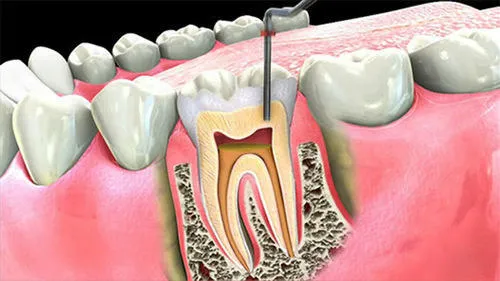
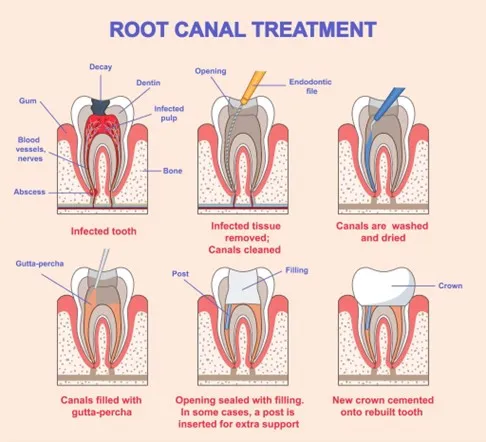
A root canal is a dental procedure aimed at removing infected or damaged pulp tissue from inside the tooth. Without proper treatment, the infection can spread, potentially leading to tooth loss or more serious complications. Across Thailand, both private dental clinics and hospital dental departments rely on detailed diagnostic techniques before performing this treatment. The process is designed to identify the root cause of tooth pain and ensure the patient receives the most suitable care.
---
### Initial Patient Consultation
Diagnosis in Thailand usually begins with a thorough consultation. Dentists take the time to listen to the patient’s symptoms, medical history, and lifestyle habits. For example, they may ask about the duration of pain, whether the tooth is sensitive to hot or cold foods, and if there is swelling around the gums. Since Thai dental professionals often prioritise personalised care, they will also discuss the patient’s daily routine, diet, and any history of teeth grinding or injury.
This conversation helps narrow down possible causes and gives the dentist an idea of whether the issue might involve the tooth’s pulp. It also allows patients to build trust with their dentist—a very important factor in Thailand, where many patients value friendly, approachable service.
---
### Clinical Examination
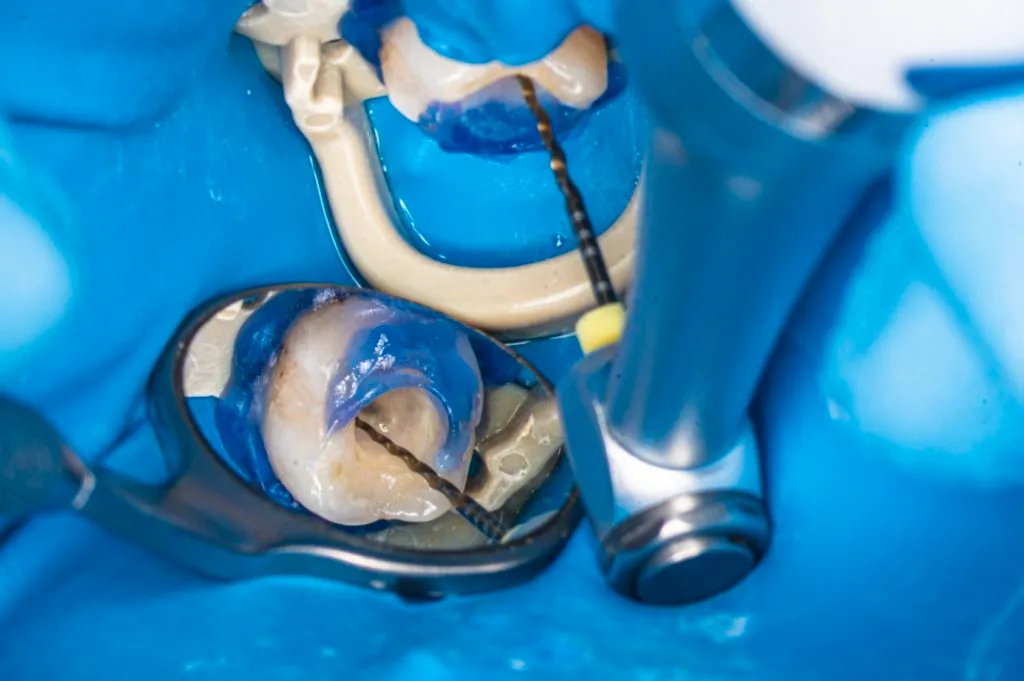
After the initial discussion, dentists move on to a physical examination of the mouth and teeth. They visually check for cavities, cracks, gum abnormalities, or signs of infection such as swelling or redness. In Thailand, dentists often use a dental mirror and bright LED lighting to clearly inspect every angle.
A common clinical test performed here is the “percussion test,” where the dentist gently taps the tooth to check for tenderness. They may also carry out a “palpation test” by pressing the surrounding gum tissue to detect swelling or discomfort. These simple but effective assessments give clues about the condition of the tooth’s inner structures.
---
### Pulp Vitality Testing
One of the key methods used in Thailand for root canal diagnosis is pulp vitality testing. This involves checking whether the tooth’s nerve tissue is alive and healthy. Dentists may apply a cold stimulus to see if the patient responds with pain or discomfort. Another method is the electric pulp test, where a mild electrical pulse is delivered to the tooth.
In local clinics, these tests are done carefully to ensure the patient feels minimal discomfort. If the tooth fails to respond or reacts abnormally, it could indicate
pulp damage or infection—a strong sign that a root canal might be necessary.
---
### Radiographic Examination (X-rays)
Dental X-rays are essential for confirming a diagnosis. In Thailand’s modern dental centres, digital X-ray technology is widely available, which produces sharp images with lower radiation exposure compared to traditional methods.
Through X-rays, dentists can see deep inside the tooth and surrounding bone, making it possible to identify decay, infection, or bone loss. They also help detect abscesses, which are common reasons for root canal treatment. Thai dentists often show patients the X-ray results during the consultation, explaining the condition in a clear and easy-to-understand manner.
---
### Advanced Imaging When Needed
For complex cases, some dental hospitals in Thailand use Cone Beam Computed Tomography (CBCT). This 3D imaging technology provides a detailed view of tooth anatomy, root canal shape, and surrounding structures. While CBCT is not needed for every patient, it is extremely useful in tricky diagnoses, such as root fractures or unusual root canal shapes.
---
### Common Signs That Lead to Root Canal Diagnosis
Dentists in Thailand typically consider root canal treatment when a patient shows one or more of the following symptoms:
- Persistent tooth pain that does not improve with normal pain relief
- Sensitivity to hot or cold lasting more than a few seconds
- Swelling of the gums or jaw near the affected tooth
- Discoloration or darkening of the tooth
- Visible decay extending deep into the tooth structure
- X-ray evidence of infection around the tooth root
By combining patient-reported symptoms with objective test results, Thai dental professionals ensure that root canals are recommended only when truly necessary.
---
### Patient-Centred Approach in Thailand
One unique aspect of dental diagnosis in Thailand is the emphasis on patient comfort and understanding. Dentists typically explain every step of the process, show visual evidence, and answer questions before beginning any treatment plan. Many clinics also provide multilingual consultations to assist international patients, which is a strong advantage for Thailand’s growing dental tourism industry.
---
### Preventive Advice After Diagnosis
If a root canal is needed, Thai dentists will also offer preventive guidance to minimise future problems. This can include better oral hygiene techniques, dietary adjustments, and scheduling regular check-ups. For some patients, catching a pulp problem early may even mean they avoid a root canal altogether.
---
### Final Thoughts
Root canal diagnosis in Thailand is a well-structured process, combining modern technology with personalised patient care. From detailed consultations and clinical tests to X-rays and advanced imaging, dentists here approach each case with precision. By understanding these diagnostic methods, patients can feel more at ease when visiting a Thai dental clinic, knowing their treatment decisions are based on careful examination and professional judgement.
For locals and visitors alike, Thailand’s dental industry continues to deliver high-quality care—making it a trusted choice for anyone seeking reliable root canal diagnosis and treatment.