Dental Implant Surgery Explained Step by Step
Dental Implant Surgery Explained Step by Step
**Dental Implant Surgery Explained Step by Step**
Dental implants have become one of the most popular solutions for replacing missing teeth, not only in Western countries but also in Thailand. People in Bangkok, Chiang Mai, and other Thai cities are turning to this modern treatment because it offers a long-lasting, natural-looking result. If you’re curious about how dental implant surgery actually works, here’s a friendly, easy-to-understand guide that takes you through each stage of the process.
---
### **What is a Dental Implant?**
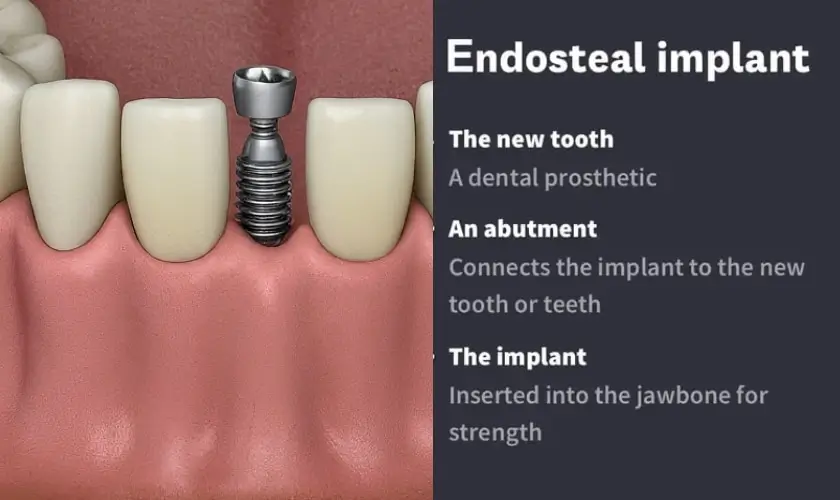
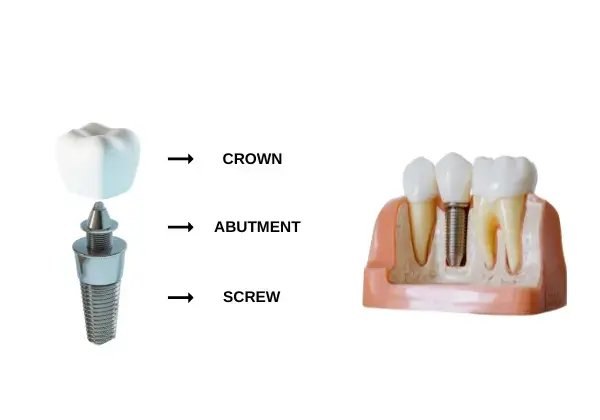
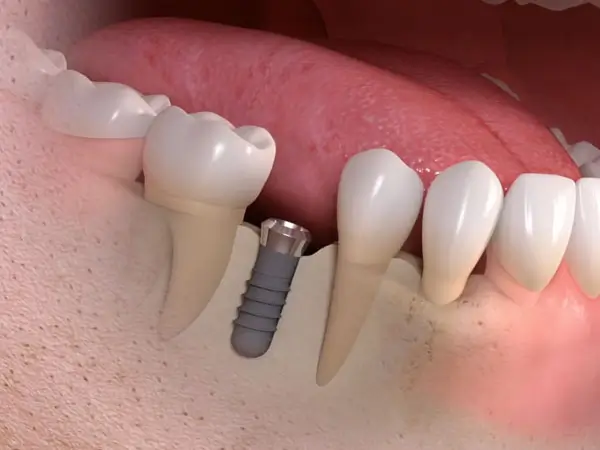
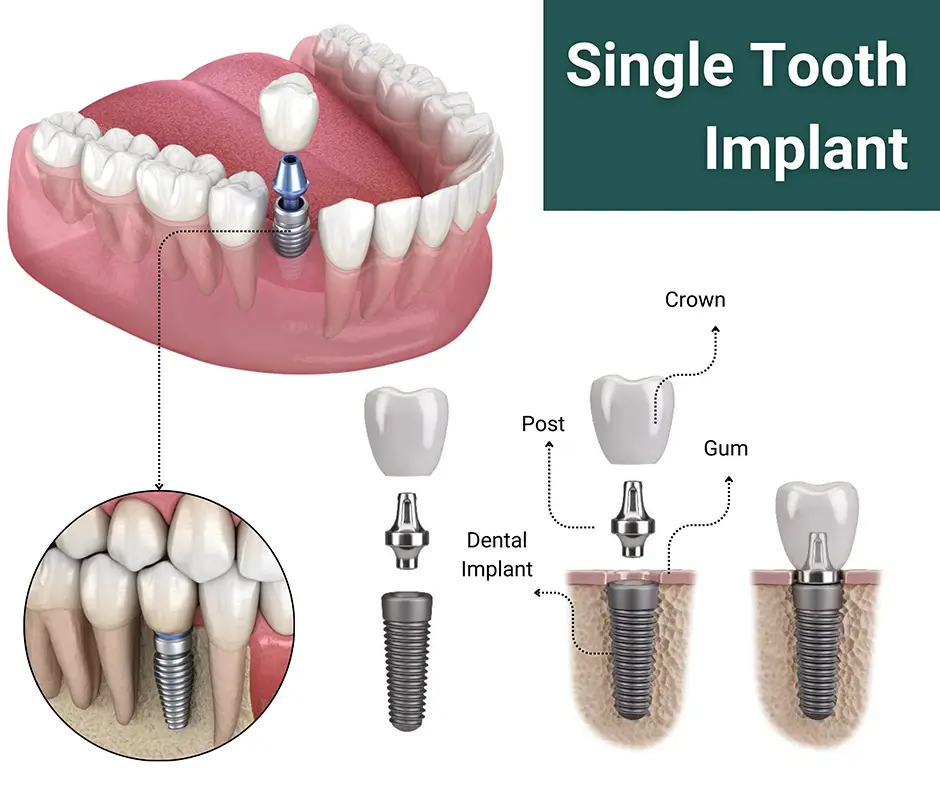
A dental implant is a small titanium post that acts like the root of a tooth. It’s inserted into your jawbone and serves as a base for a crown, bridge, or denture. Because titanium is biocompatible, it integrates with your bone — a process called *osseointegration* — giving you a secure and stable foundation for your new tooth.
In Thailand, implants are often recommended when you’ve lost a tooth due to decay, gum disease, or an accident, and want a replacement that feels just like your original tooth.
---
### **Step 1: Initial Consultation**
Your journey starts with an appointment at a dental clinic. Here, the dentist will check your oral health, take X-rays, and sometimes recommend a CT scan to assess bone density and structure. In Thai dental practice, this stage may also include a personal discussion about your lifestyle, budget, and aesthetic preferences.
A good clinic will explain all possible options and the timeline for treatment, so you have a clear picture before making a decision.
---
### **Step 2: Treatment Planning**
Once the dentist confirms that you’re a good candidate for an implant, they will design a treatment plan tailored to you. This plan considers:
- Number of implants needed
- Positioning of implants
- Type of artificial tooth or crown
- Any preparatory treatments, such as tooth extractions or bone grafting
In Thailand, many dental clinics use digital tools to create a 3D map of your mouth before surgery. This ensures more precise placement and helps you visualise the expected outcome.
---
### **Step 3: Preparatory Procedures (If Needed)**
Not all patients can have an implant right away. If your jawbone is too thin or soft, a bone graft might be necessary. This procedure adds bone material to strengthen the implant site. In some cases, if you still have a damaged tooth in the area, extraction will be performed first.
Thai dentists often use minimally invasive techniques to reduce recovery time, which is especially appreciated by patients who travel from other provinces or countries for treatment.
---
### **Step 4: Dental Implant Placement**
The actual implant surgery is usually done under local anaesthesia, so you’ll be awake but the area will be completely numb. Here’s how it generally goes:
1. The dentist prepares the gum and bone at the implant site.
2. A small hole is drilled into the jawbone.
3. The titanium post is inserted securely.
4. The gum tissue is closed over the implant
or left partially exposed depending on the healing approach.
If you’re in Thailand, clinics often emphasise patient comfort during the procedure, sometimes offering sedation options for those who feel anxious.
---
### **Step 5: Healing and Osseointegration**
After placement, the healing phase begins. This is when the bone naturally fuses with the titanium implant. It can take anywhere from three to six months, depending on your health and how fast your bone heals.
During this stage, regular check-ups are important. Thai dentists often provide clear guidelines on eating soft food, avoiding excessively hot or spicy meals, and maintaining good oral hygiene.
---
### **Step 6: Abutment Placement**
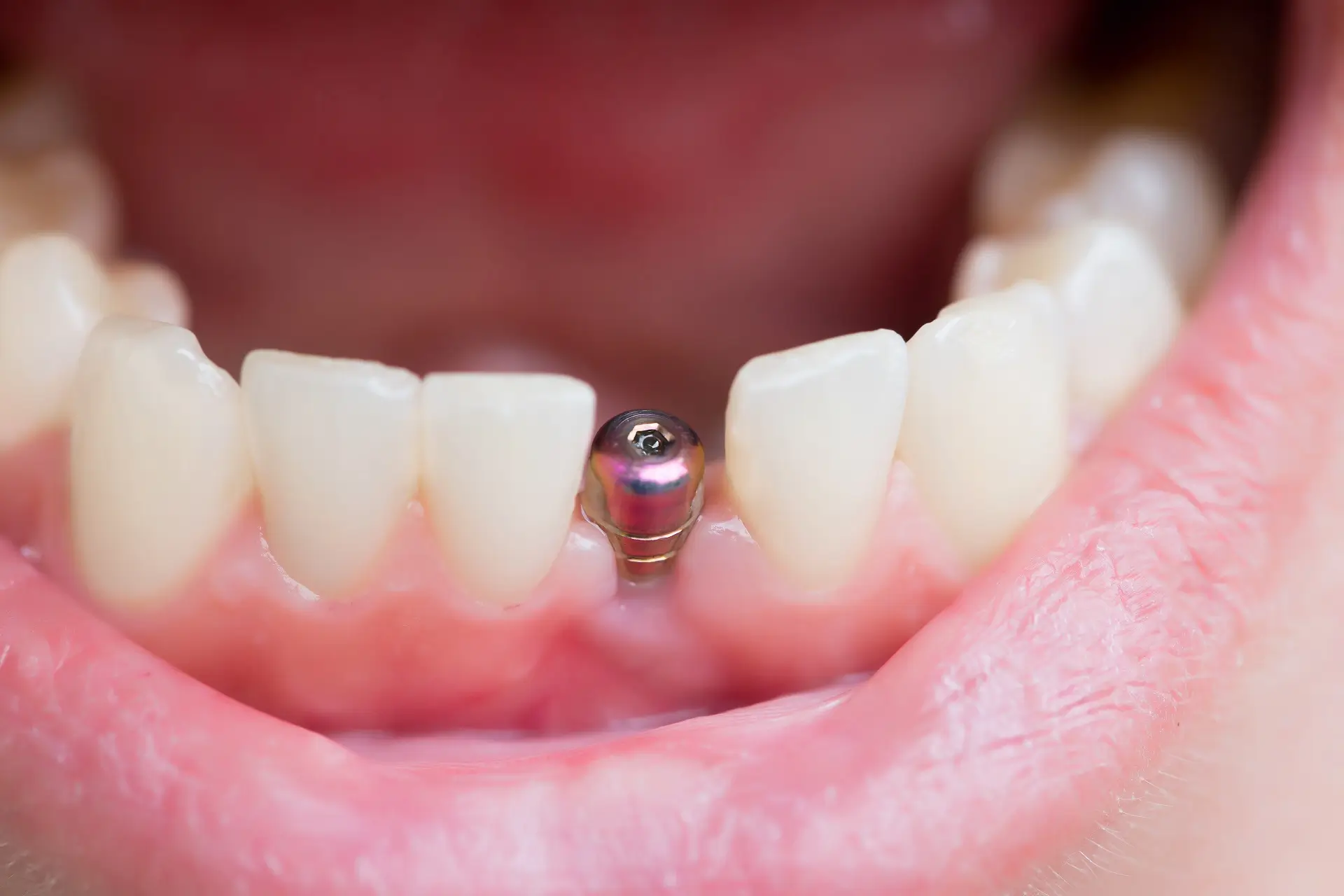
Once the implant is firmly anchored, the dentist attaches an abutment — a small connector that links the implant to the final prosthetic tooth. Sometimes this step can be done during the initial surgery, but more often it happens after the healing phase.
In Thai dental clinics, abutment placement is usually a quick procedure, with minimal discomfort, and patients can return to normal activities the same day.
---
### **Step 7: Fitting the Crown**
Finally, your custom-made crown, bridge, or denture is fitted. This is the exciting step where your smile is restored and you can eat, speak, and smile without worrying about gaps.
Thai dental clinics often work closely with local dental laboratories to craft crowns that match your natural teeth in colour and shape. Some even offer same-day crown manufacturing, which is convenient for patients with busy schedules.
---
### **Aftercare and Maintenance**
Dental implants can last for decades if cared for properly. Here are some aftercare tips commonly recommended in Thailand:
- Brush twice a day with fluoride toothpaste
- Use interdental brushes or floss to clean around the implant
- Attend regular dental check-ups every six months
- Avoid chewing very hard foods on the implant side during the first few weeks
- Quit smoking to promote healthy bone and gum tissue
---
### **Why Choose Dental Implants in Thailand?**
Thailand has earned a strong reputation for offering high-quality dental care at competitive prices. Many clinics meet international standards, and dentists are often trained both locally and abroad. For residents and visitors alike, dental implants here provide a combination of modern technology, skilled service, and warm hospitality.
---
**Final Thoughts**
Understanding the step-by-step process of dental implant surgery can help you feel confident when making this important decision. From consultation to crown placement, each stage is carefully planned to give you a natural-looking smile that lasts. Whether you’re living in Thailand or visiting for dental tourism, an implant can be a worthwhile investment in your health and appearance.
With the right preparation, skilled dentist, and proper aftercare, your new tooth will look and feel just like the real thing — helping you smile without hesitation.