Top Questions Patients Ask Before Getting Implants
Top Questions Patients Ask Before Getting Implants
**Top Questions Patients Ask Before Getting Implants**
In Thailand, dental implants have become a popular choice for people looking to restore their smiles and improve their confidence. Whether you live in Bangkok, Chiang Mai, or Phuket, chances are you know someone who has undergone the procedure. But before making the decision yourself, it’s normal to have plenty of questions. Choosing implants is an investment in both your health and appearance, so being fully informed helps you feel comfortable and prepared.
Below, we’ll discuss the top questions patients often ask before getting implants, along with clear answers that reflect the common concerns seen in clinics across Thailand.
---
**1. Are dental implants suitable for me?**
One of the first things patients want to know is whether implants are the right solution for their situation. In most cases, implants can replace one missing tooth, several teeth, or even an entire set. However, your dentist will first check the condition of your gums, jawbone, and overall health. For example, if you have enough healthy bone to support an implant, it’s usually a good sign. In Thailand, many dentists also perform bone grafting if needed, so even if your bone volume is low, you might still qualify.
It’s also important to consider lifestyle factors. Smokers may have a higher risk of complications, and patients with uncontrolled diabetes should discuss possible impacts on healing. The key is to have a thorough examination and openly share your medical history.
---
**2. How long does the process take?**
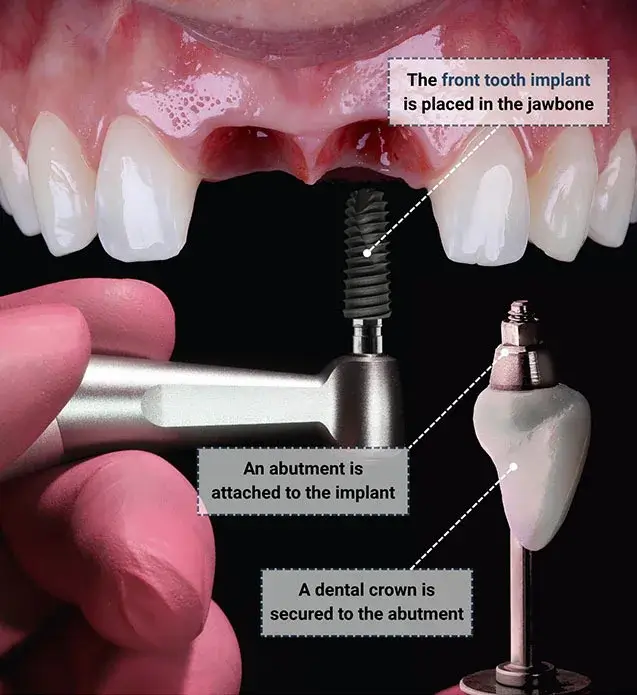
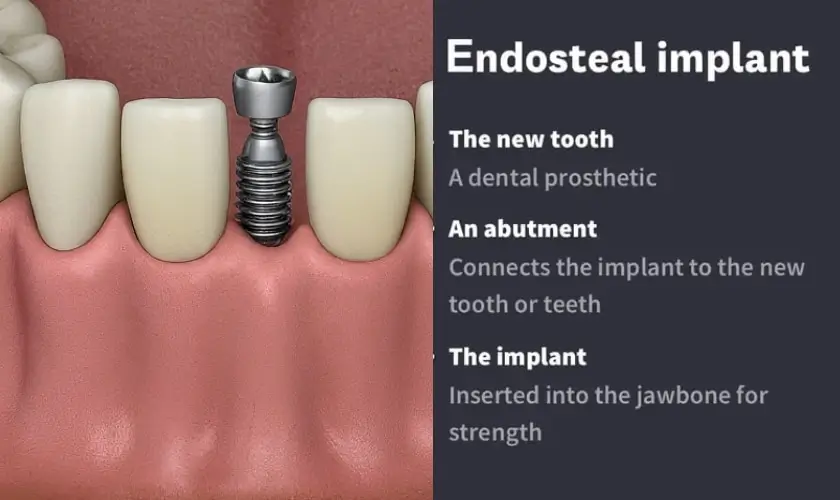
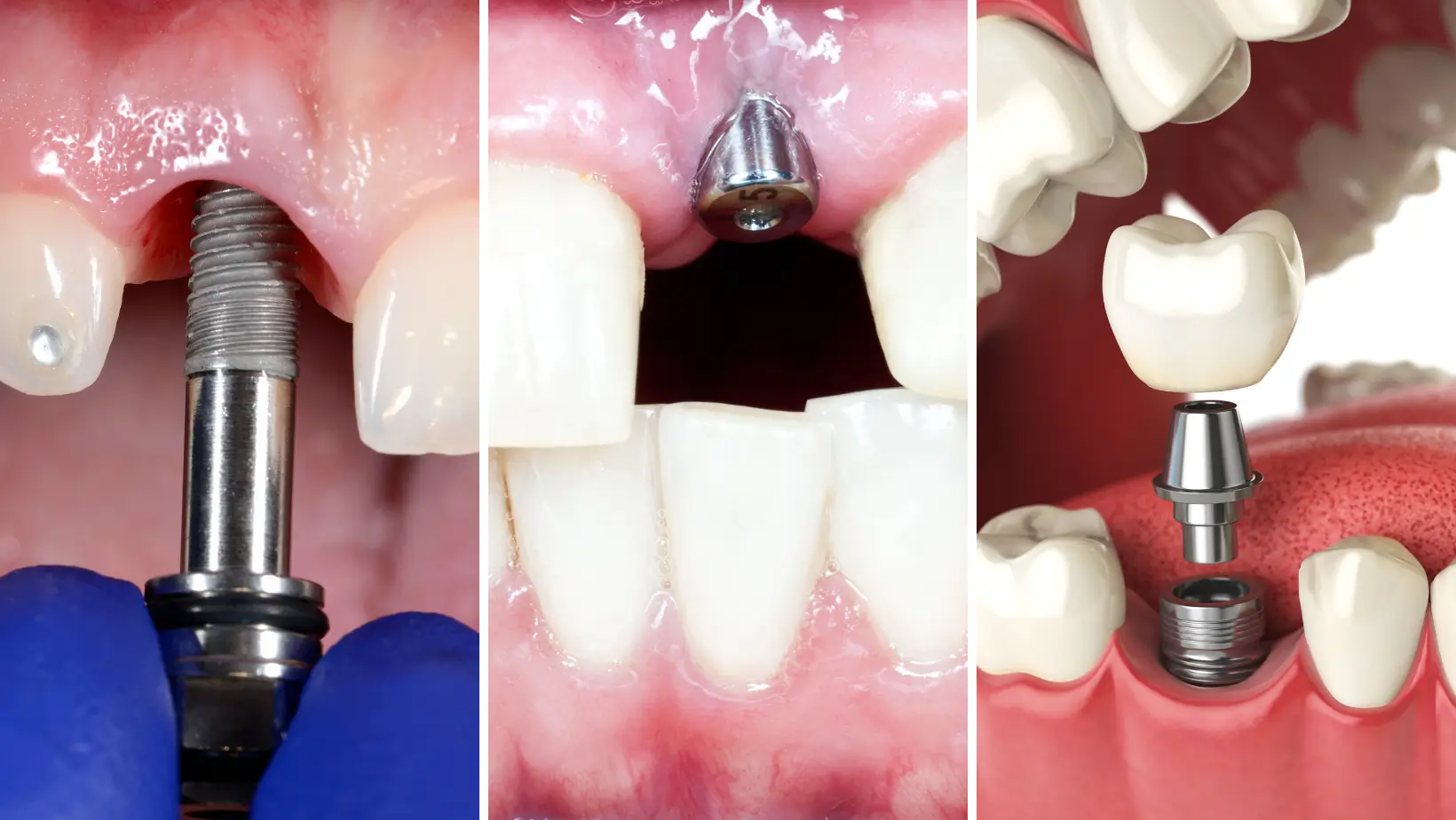
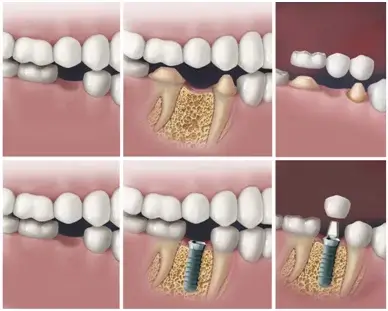
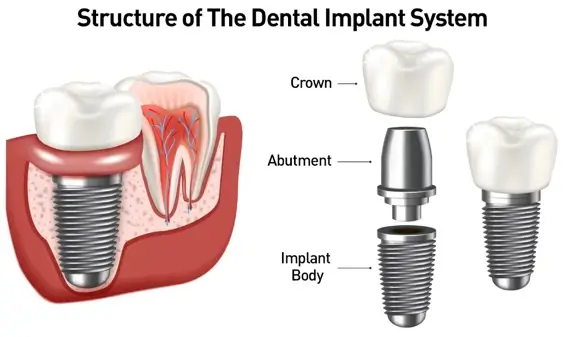
In Thailand, the timeline for getting implants varies depending on your treatment plan. Some patients can have immediate implants and temporary crowns in a single visit, while others might need several months between phases. A typical process includes placing the implant post, allowing time for the bone to fuse with it (called osseointegration), and then attaching the crown.
This healing period can range from three to six months, depending on individual factors. Your dentist may advise you to wait longer if bone grafting was performed. Patients often compare this process to planting a tree—the roots need time to grow before the visible part can flourish.
---
**3. Is the procedure painful?**
It’s natural to worry about discomfort, but most patients in Thailand describe the experience as more comfortable than expected. Local anesthesia ensures that you don’t feel pain during the procedure itself. Some clinics also offer sedation options for those who feel very nervous.
After surgery, mild soreness or swelling is common, much like after a tooth extraction. Your dentist will prescribe pain relief and give instructions for easing discomfort, such as rinsing with warm salt water. In most cases, patients return to their normal activities within a couple of days.
---
**4. How much do dental implants cost in Thailand?**
Prices vary depending on the clinic, location, materials, and complexity of your case. In Bangkok, for example, fees might be slightly higher than in smaller towns due to operating costs and specialist availability. On average, dental implants in Thailand cost significantly less than in countries like the US or Australia, which is why dental tourism is common here.
It’s important to ge
t a complete breakdown of costs upfront, including consultations, X-rays, surgery, and final crowns. Some patients focus only on the lowest price, but choosing a reputable clinic with experienced dentists is crucial for safety and long-term results.
---
**5. How long do implants last?**
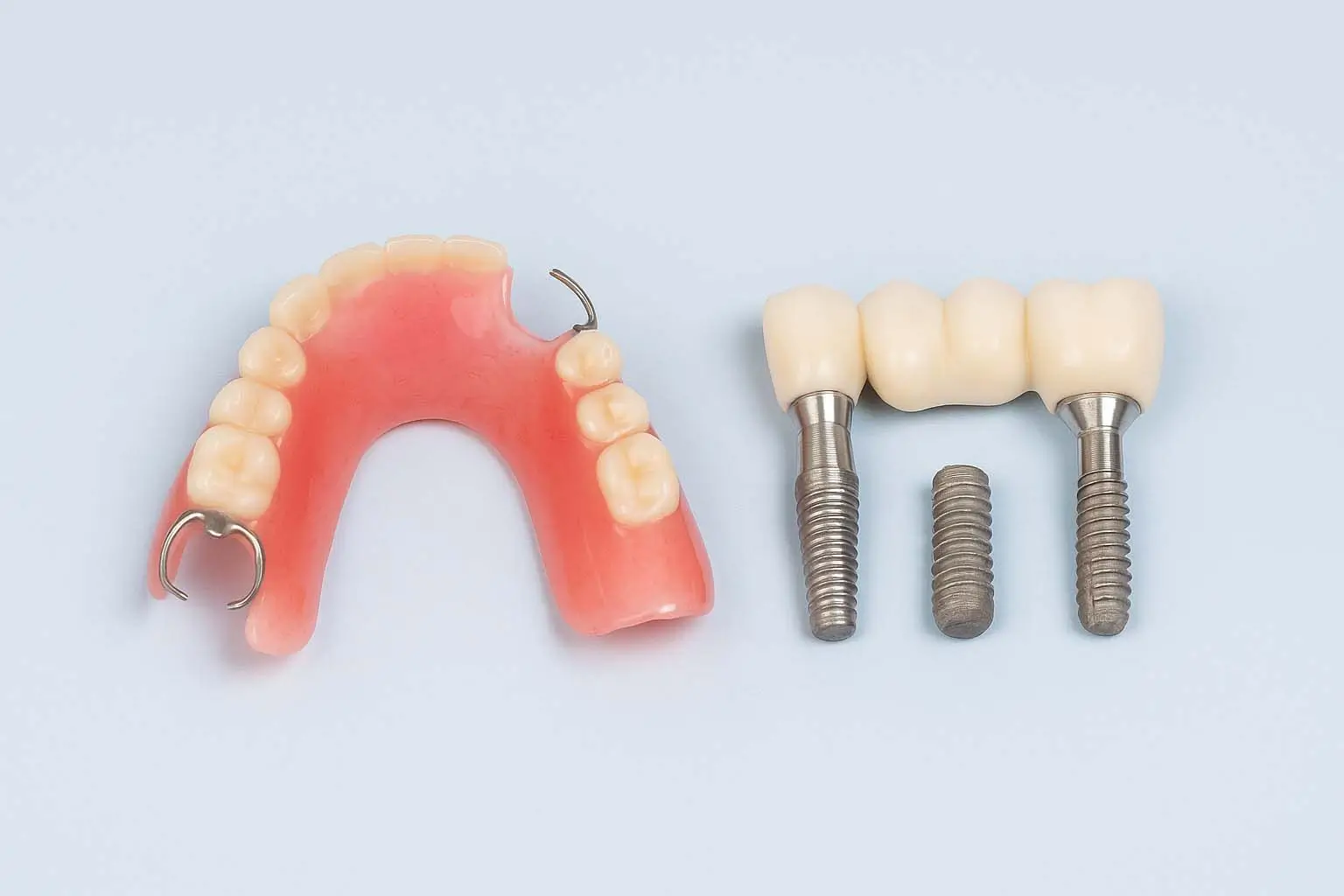
With proper care, dental implants can last decades. Unlike dentures, they’re fixed in place and function like natural teeth, making them less likely to require replacement. In Thailand, dentists often remind patients that maintenance is essential—daily brushing, flossing, and regular check-ups will protect your investment.
However, lifestyle choices play a role. Heavy smoking, poor oral hygiene, or untreated gum disease can shorten the lifespan of an implant. Think of it like caring for a luxury car: even the best model needs responsible upkeep to stay at its best.
---
**6. Are there any risks or complications?**
Every surgical procedure carries some risk. With implants, possible issues include infection, injury to surrounding teeth, or delayed healing. In rare cases, the implant may not fuse with the bone properly.
The good news is that in modern dental clinics in Thailand, these risks are minimized through advanced imaging, precise surgical planning, and strict hygiene standards. Your dentist will assess any specific risks you may face, such as existing health conditions, and will explain how to prevent problems during recovery.
---
**7. Will my implants look natural?**
For many patients, appearance is the biggest concern. Experienced dentists in Thailand are skilled at matching the size, shape, and color of your implant crown to blend with your surrounding teeth. Porcelain crowns are especially popular because they closely resemble natural enamel.
If you’re missing several teeth, your dentist may suggest a combination of implants and bridges to create a harmonious look. In the end, most patients are pleasantly surprised by how natural their new smile appears.
---
**8. Can I eat normally after getting implants?**
Once healing is complete, implants allow you to enjoy your favorite foods without worry. Crunchy fruits, grilled meats, and even sticky Thai desserts are possible again. However, during the initial healing phase, your dentist will recommend a soft-food diet—think rice porridge or steamed fish—to avoid putting pressure on the surgical site.
The ability to eat freely is one of the biggest benefits of implants compared to removable dentures, which can slip or cause discomfort when chewing harder foods.
---
**Conclusion**
Getting dental implants is a major step toward restoring both function and confidence in your smile. Patients in Thailand often ask similar questions before committing, and having clear, reliable answers allows you to make an informed decision. From suitability and costs to appearance and durability, understanding the full picture ensures you approach the process with peace of mind.
If you’re considering dental implants, choose a trusted clinic, discuss your needs openly with your dentist, and follow all post-treatment guidelines. With the right preparation and professional care, implants can be a long-lasting solution that feels comfortable, looks natural, and allows you to enjoy life without holding back your smile.