What Causes Implant Screw Loosening and How to Avoid It
What Causes Implant Screw Loosening and How to Avoid It
**What Causes Implant Screw Loosening and How to Avoid It**
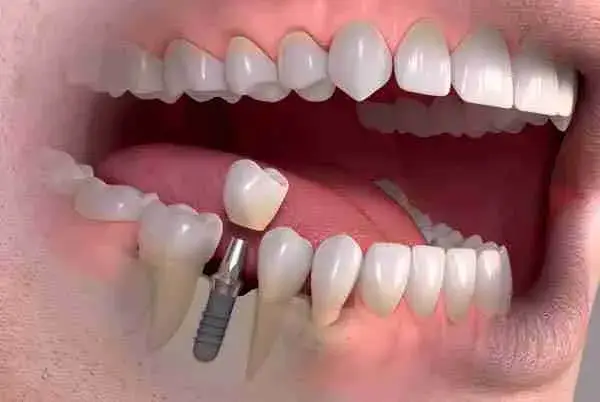
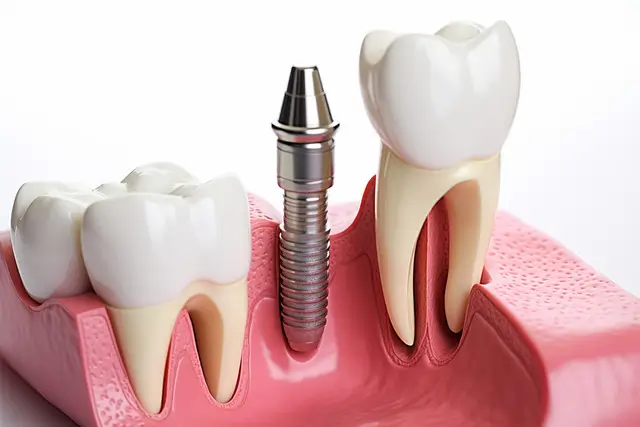
Dental implants have become one of the most popular and reliable solutions for replacing missing teeth in Thailand and around the world. Known for their natural look and long-lasting benefits, they offer comfort and functionality similar to real teeth. However, one problem that can occasionally arise is implant screw loosening. If not addressed quickly, this issue can lead to discomfort, difficulty in eating, and in rare cases, damage to the surrounding structures.
Understanding why screw loosening happens and how to prevent it is essential for anyone who already has dental implants or is considering getting them. Here’s a clear, practical guide to help you protect your smile.
---
### Common Causes of Implant Screw Loosening
**1. Improper Initial Tightening**
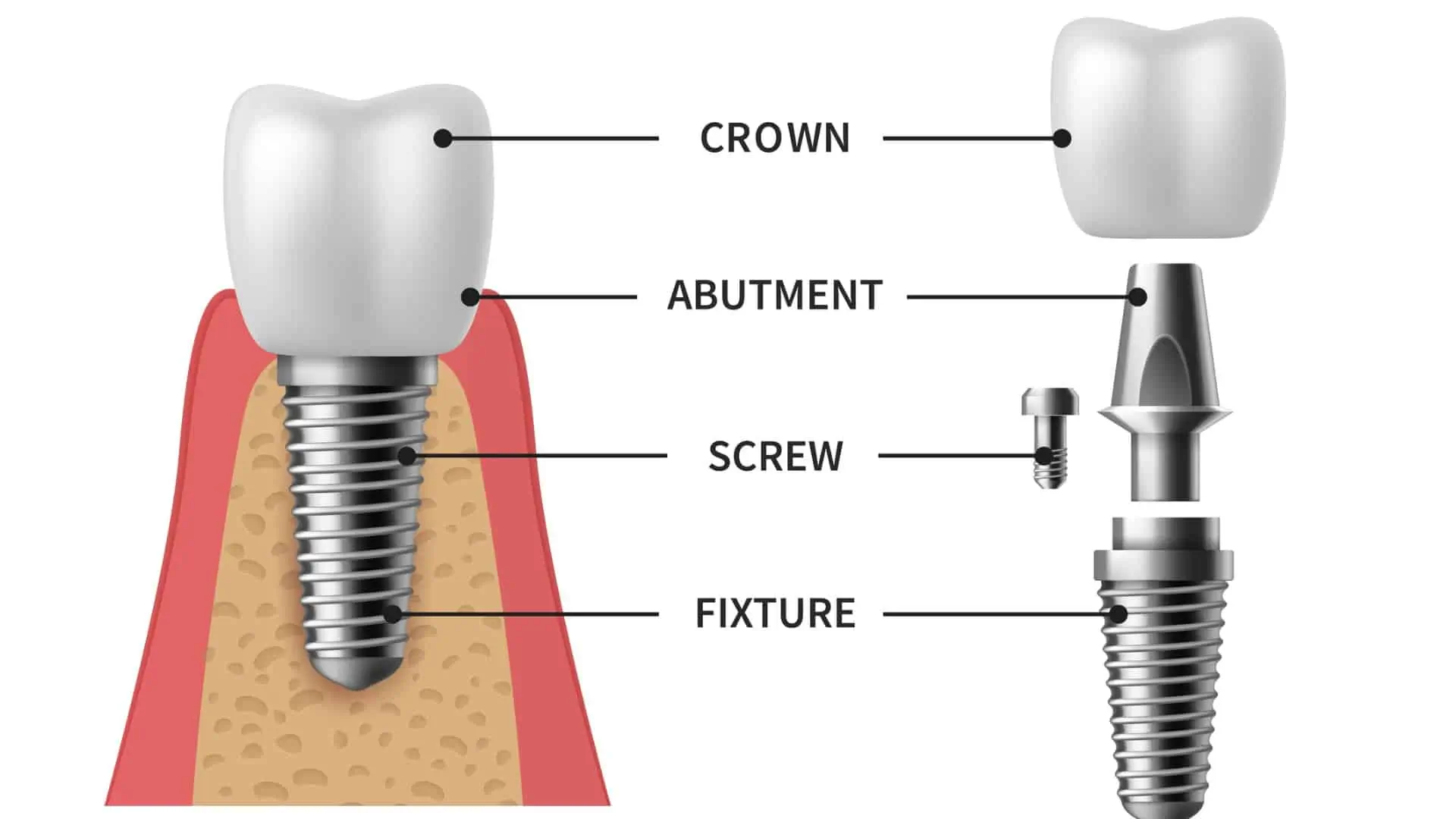
When the implant screw is placed, it must be tightened to a specific torque value recommended by the manufacturer. If this step is done incorrectly—for example, if it’s undertightened—the screw may gradually loosen over time. Likewise, overtightening can cause microdamage to the screw or threads, which also leads to instability.
**2. Bite Force and Chewing Habits**
In Thailand, our diets often include foods that require strong chewing, such as sticky rice, grilled meats, and crispy snacks. Frequent biting into hard or chewy food can put repeated stress on the implant. Over months or years, this force can cause subtle movements in the screw, eventually making it loose.
**3. Poor Implant Positioning**
If the implant is not placed at the correct angle or depth, the bite force may not distribute evenly. This uneven pressure can encourage the screw to rotate or shift slightly, leading to looseness. Accurate placement is especially important in areas with heavy chewing activity, like the molars.
**4. Wear and Tear Over Time**
Just like any device, dental implants are subject to gradual wear. The screw holds the crown or prosthetic firmly in place, but daily use over many years can slowly reduce its grip. This is more common in patients who have had their implants for a decade or more, and it often requires routine check-ups to catch early signs of loosening.
**5. Bruxism (Teeth Grinding)**
Teeth grinding is a common issue in Thailand, often linked to stress or certain sleeping patterns. The constant grinding motion exerts excessive side-to-side forces on implants, which can weaken the screw’s hold. Many people don’t realize they grind their teeth until a dentist notices wear patterns during a check-up.
---
### Signs That Your Implant Screw Might Be Loose
Knowing the warning signs early can prevent bigger problems later. Some common symptoms include:
- Slight movement or wobble in the crown when chewing
- Unusual clicking or metallic sounds near the implant
- Discomfort or pressure around the implant site
- Gaps appearing between the crown and gum line
If you notice any of these symptoms, it is important to visit your dentist promptly. Delay can result in damage to the implant structure or surrounding bone.
---
### How to Prevent Implant Screw Loosening
**1. Choose an Experienced Implant Dentist**
The skill and precision of your dentist play a big role in preventing screw loosening. In Thailand, there are many dental clinics offering implant services, but choosing one with a proven track record, proper equipment, and expertise in implant torque measurement is key.
**2. Attend Regular Dental Check-Ups**
It’s easy to forget about check-ups once your implant has settled in, but routine visits every six months allow your dentist to inspect and re-tighten the screw if necessary. Early adjustments can save you from more complicated repairs later.
**3. Mind Your Diet**
While you don’t need to give up your favourite Thai dishes, try to avoid biting directly on very hard foods with the implant side. For example, cut hard fruits into smaller pieces and chew them slowly. This simple habit reduces unnecessary strain on the screw.
**4. Address Teeth Grinding**
If you grind your teeth, especially at night, talk to your dentist about wearing a night guard. This device helps absorb pressure and keep the implant stable. In some cases, stress management techniques can also help reduce grinding.
**5. Maintain Good Oral Hygiene**
Healthy gums and bone structure are crucial for implant stability. Brush and floss daily, and use an interdental brush to clean around the implant. A clean environment keeps bacteria away and ensures the tissue around the implant remains strong.
---
### Why Prompt Action Matters
Some people think a loose screw is a minor issue they can wait to fix. However, delaying attention can cause the crown to detach completely, or worse, damage the internal threading of the implant. In severe cases, the entire implant may need replacement, which involves more cost and recovery time. By acting quickly, you protect both your investment and your oral health.
---
### Final Thoughts
Implant screw loosening is not uncommon, but it is preventable with proper care and attention. In Thailand, where food culture and lifestyle can put extra pressure on dental fixtures, understanding the causes and solutions can make all the difference. The key is to stay aware, practise good oral hygiene, and maintain a strong relationship with a trusted dentist.
A well-maintained dental implant can last for decades, allowing you to enjoy your favourite dishes and smile with confidence. If you suspect any issues, don’t wait—let your dentist help you keep that perfect fit.
---
Would you like me to also prepare a **meta description and keyword list** so this article ranks better in Google search results? That would make it fully SEO-ready.