What Causes Numbness After Dental Implant Surgery

What Causes Numbness After Dental Implant Surgery
**What Causes Numbness After Dental Implant Surgery**
Dental implant surgery has become one of the most preferred options in Thailand for replacing missing teeth. It is popular for its natural look, long-lasting strength, and ability to restore confidence in your smile. However, like any medical procedure, there are possible side effects, and one that sometimes concerns patients is numbness after surgery. While it can be alarming, understanding the reasons behind numbness will help ease your worries and guide you on what to do next.
### Understanding Numbness After Dental Implant Surgery
Numbness after dental implant surgery usually refers to a tingling, “pin-and-needle” sensation or a complete lack of feeling in your lips, gums, chin, or tongue. In many cases, this numbness is temporary and improves within days or weeks. Sometimes, it might take longer, and in rare cases, it can persist. The key to managing it is knowing the possible causes and seeking timely advice from your dentist or oral surgeon.
### 1. Nerve Irritation or Injury
One of the most common causes of numbness is irritation or injury to a nerve during surgery. The mouth contains several important nerves, and the inferior alveolar nerve, which runs through the lower jawbone, is especially significant. If a dental implant is placed close to this nerve, temporary swelling and pressure can affect sensation.
In Thailand, dentists usually take detailed CT scans before surgery to map the nerve location carefully. This reduces the risk of direct nerve contact. However, even with careful planning, minor nerve irritation can still happen due to individual anatomical differences.
**What to expect:**
If the nerve is only irritated, numbness tends to improve gradually as inflammation subsides. When the nerve is more seriously injured, recovery can take months.
### 2. Swelling and Inflammation
After any surgical procedure, the body responds with a healing process that involves swelling. This swelling can temporarily press on nerves in the jaw or face, leading to a numb or tingling sensation.
Thai dentists often recommend cold compresses and anti-inflammatory medications during the first 48 hours after implant placement to reduce swelling. Maintaining good post-surgery care, such as gentle rinsing with saline water, can also help minimise inflammation and promote a faster recovery.
**What to expect:**
In most cases, swelling-related numbness improves noticeably within a week or two as the tissues heal.
### 3. Local Anaesthesia Effects
Dental implant surgery typically involves local anaesthesia to numb the area being treated. In some cases, the anaesthesia effect lingers longer than expected. This is not unusual, especially when stronger anaesthetics are used for long procedures.
Patients in Thailand often describe this as “heavy lips” or “lazy tongue” after surgery. It usually resolves within a few hours, but individual metabolism and sensitivity to anaesthetic can prolong the feeling for a day or more.
**What to expect:**
Lingering numbness from anaesthesia is temporary and harmless, but you should still inform your dentist if it lasts beyond 24 hours.
### 4. Implant Position and Pressure
If the dental implant is placed close to certain nerve p
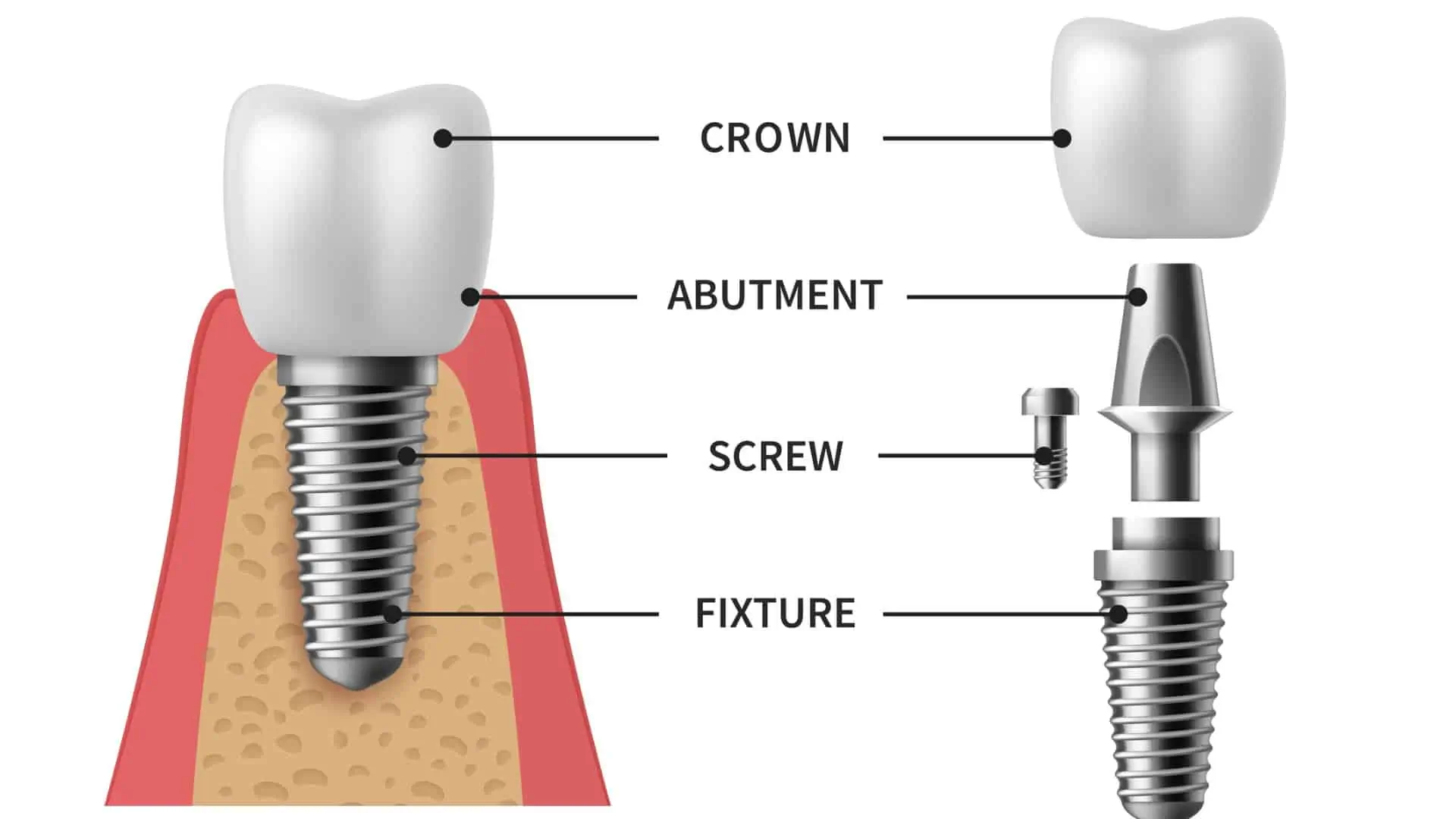
athways or if the pressure from the implant post affects surrounding tissues, you might experience numbness around the lips, chin, or gums. This pressure can come from the implant itself or from the healing cap attached to it.
Dentists in Thailand usually schedule follow-up visits within a week or two after surgery to check implant positioning and adjust anything that might be causing excessive pressure.
**What to expect:**
Relief can be immediate once the pressure is reduced, but full sensation recovery might still take time.
### 5. Bone Density and Surgical Technique
Jawbone density varies from person to person, and this influences how dental implants are placed. In cases where the bone is harder or softer than average, the surgical technique might require adjustments that slightly increase the risk of nerve contact.
In Thailand, where many people have traditional diets rich in fresh vegetables and rice, bone density is generally good, but variations still occur. Advanced techniques such as guided implant placement help minimise complications, though no method is completely risk-free.
### How to Manage and Monitor Numbness
If you experience numbness after dental implant surgery, here are practical steps recommended by dentists in Thailand:
- **Stay calm but attentive:** Mild numbness right after surgery is often temporary.
- **Track your symptoms:** Make note of when the numbness started, which areas are affected, and whether it is improving.
- **Follow post-operative care instructions:** Good oral hygiene and correct use of any prescribed medication help reduce inflammation faster.
- **Avoid biting hard foods:** Soft food diets, such as porridge or Thai congee, prevent unnecessary strain on healing tissues.
- **Schedule follow-up appointments:** Don’t skip them — your dentist can check healing progress and address concerns early.
### When to Seek Immediate Help
While temporary numbness is common, there are times when you should contact your dentist urgently:
- The numbness worsens instead of improving
- You experience severe pain along with the numbness
- You notice difficulty speaking, chewing, or swallowing
- There is visible swelling or infection
Prompt evaluation allows your dentist to take early action, which can improve the chances of full sensation recovery.
### Final Thoughts
Numbness after dental implant surgery can feel unsettling, but in many cases, it is a normal part of the healing process. In Thailand, dental professionals take great care to plan implant procedures using modern imaging techniques to avoid complications. Still, temporary numbness from nerve irritation, swelling, anaesthesia, or implant positioning can occur.
The important thing is not to ignore the symptoms. Follow your dentist’s guidance, keep up with scheduled check-ups, and maintain good overall oral health. With patience and proper care, most people regain full sensation, allowing them to fully enjoy the benefits of their new dental implants.
If you’re planning dental implant surgery, take time to choose a qualified and experienced dentist in Thailand. Ask questions, share your medical history, and understand the recovery process. That way, you’ll not only protect your smile but also your peace of mind.