Can You Replace a Failing Implant With a New One
Can You Replace a Failing Implant With a New One
**Can You Replace a Failing Implant With a New One?**
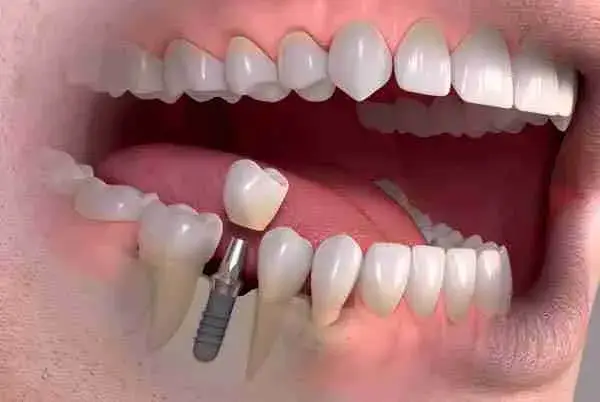
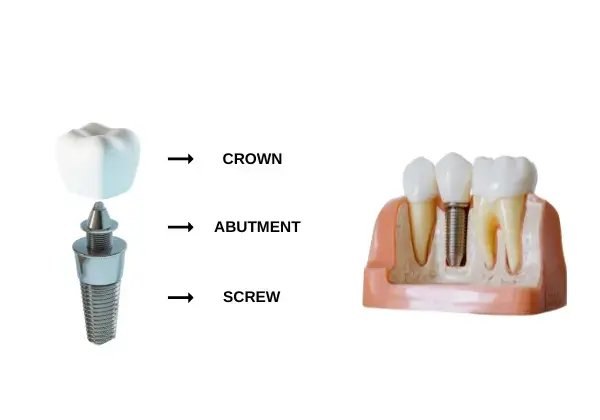
Dental implants have become one of the most popular solutions for missing teeth in Thailand. They’re often recommended because they look natural, feel stable, and can last for many years with proper care. But like any dental treatment, implants can have problems. Sometimes, an implant may fail due to infection, bone loss, or other complications. This brings up a common question: *Can you replace a failing implant with a new one?* The short answer is yes—often you can—but the process depends on the reason for the failure and the condition of your mouth. Let’s look at this in more detail.
---
### Understanding Why Implants Fail
Before talking about replacement, it’s important to understand why dental implants fail in the first place. In Thailand and elsewhere, common causes include:
- **Peri-implantitis** – A type of gum infection around the implant that can damage the supporting bone.
- **Poor osseointegration** – The implant doesn’t fuse properly with the jawbone, often due to insufficient bone density or health issues.
- **Excessive bite pressure** – Grinding or clenching your teeth can put too much force on the implant.
- **Lifestyle factors** – Smoking, uncontrolled diabetes, or poor oral hygiene can increase the risk of failure.
Your dentist will first diagnose the cause, because knowing why the implant failed will help decide if replacing it is possible.
---
### Immediate vs. Delayed Replacement
In some cases, if the surrounding bone is still healthy and infection-free, a failing implant can be removed and replaced immediately with a new one. This is more likely when the problem was due to mechanical stress or a damaged crown rather than a deep infection.
However, if there is bone loss or ongoing infection, a dentist in Thailand will usually recommend a delayed replacement. That means the failed implant is removed, the area is cleaned, and you may need bone grafting to rebuild the site. After the bone has healed—often 3–6 months—a new implant can be placed.
---
### Bone Grafting and Its Role
Bone health is a key factor in whether an implant can be replaced right away. The jawbone needs to be strong enough to support the new implant. If the previous implant failed because of bone loss, you might need a bone graft procedure.
In Thailand, bone grafting is done using either natural bone from your own body or synthetic graft materials. The treatment helps restore bone volume so the implant can anchor securely. While this adds time to the process, it greatly improves the chances of long-term success.
---
### Choosing the Right Type of Replacement
Replacing a failing implant isn’t always about using exactly the same type of implant as before. Your dentist might recommend:
- **A wider or longer implant** to reach better quality bone.
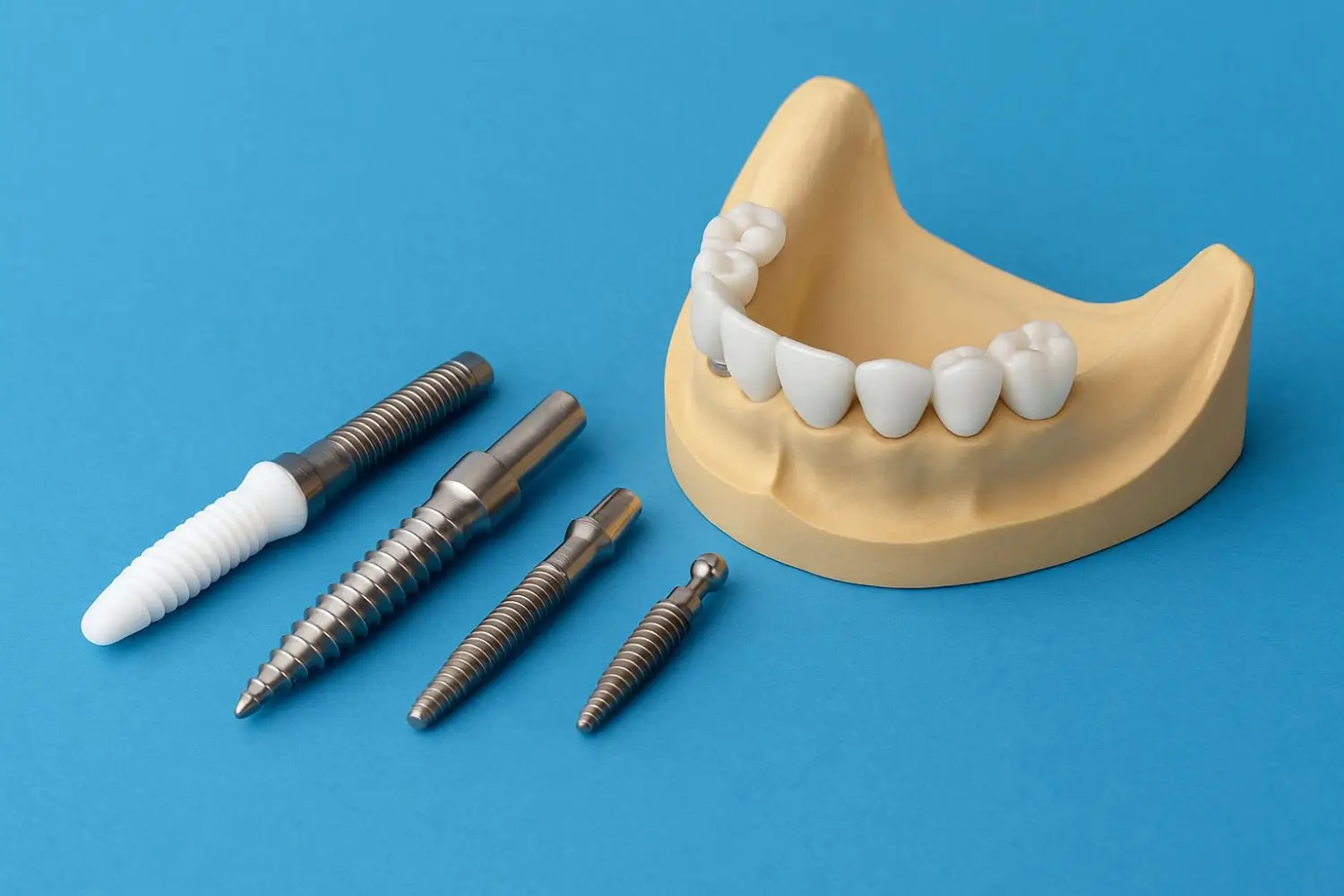
- **Alternative materials** such as zirconia for patients sensitive to titanium.
- **Different placement angles** for better stability.
Modern technology in Thai dental clinics, including 3D imaging and guided surgery, allows dentists to plan implant placement with precisi
on. This means that even if the first implant failed, a new one can be positioned in a way that avoids old problems.
---
### Recovery and Aftercare
Replacing a failed implant with a new one involves not only proper surgical technique but also careful aftercare. After the new implant is placed, your dentist will give you detailed instructions, which may include:
- Brushing and flossing gently around the area once allowed.
- Eating softer foods for the first few weeks.
- Coming in for regular check-ups to monitor healing.
- Avoiding smoking, which can slow recovery and increase risk of infection.
Following these guidelines is especially important if you have a history of implant issues.
---
### Preventing Future Failures
While replacing a failed implant is possible, prevention is always better. To reduce the chances of failure:
1. **Choose an experienced implant dentist** – In Thailand’s major cities like Bangkok and Chiang Mai, many clinics specialise in implant dentistry, offering advanced techniques and equipment.
2. **Maintain excellent oral hygiene** – Brush twice a day, floss daily, and use an antibacterial mouthwash.
3. **Manage underlying health conditions** – Keep diabetes under control and ensure you maintain overall health.
4. **Protect against teeth grinding** – Use a night guard if your dentist recommends it.
By following these steps, you can extend the life of your dental implant and avoid the discomfort and cost of needing a replacement.
---
### Costs and Considerations in Thailand
The cost of replacing a dental implant in Thailand can vary widely depending on the complexity of the case. Immediate replacement may be cheaper because it requires fewer surgical steps, while delayed replacement often involves bone grafting and multiple visits. Still, compared to many Western countries, implant dentistry in Thailand can be more affordable, which is why many people include it in their dental tourism plans.
It’s worth noting that quality matters more than price alone. Always choose a clinic with proper certification, modern facilities, and strong patient reviews. Saving a small amount by choosing a lower-cost provider can be risky if it leads to another implant failure later.
---
### Conclusion
Yes—you *can* replace a failing dental implant with a new one, but the method and timing depend on your individual situation. If the bone and gums around the failed implant are healthy, replacement can be quick. If infection or bone loss is present, you might need additional treatments like bone grafting before placing a new implant.
The key to success is careful diagnosis, skilled surgical work, and commitment to ongoing care. With the advanced dental technology available in Thailand today, replacing a failed implant is a realistic option—and with the right steps, your new implant can last for many years to come.
If you’re experiencing discomfort or suspect your dental implant might be failing, don’t wait too long. Consult a qualified implant dentist in Thailand to discuss your options, and take the first step towards restoring your smile and confidence.