Do Dental Implants Stop Bone Loss – What Experts Say
Do Dental Implants Stop Bone Loss – What Experts Say
**Do Dental Implants Stop Bone Loss – What Experts Say**
If you have ever lost a tooth, you might have heard that dental implants can help protect your jawbone from shrinking over time. In Thailand, this topic is now widely discussed in dental clinics and even among friends over coffee. Bone loss in the jaw is not only a matter of appearance – it can affect your overall oral health, chewing ability, and even the shape of your face. So, the big question is: do dental implants really stop bone loss? Let’s explore what experts say in a way that’s easy to understand.
---
### Why Bone Loss Happens After Losing a Tooth
When a tooth is lost due to decay, gum disease, or an accident, the bone that once supported that tooth starts to shrink. This process is called **resorption**. Imagine a muscle you stop using – it gradually becomes weaker. Your jawbone works the same way. Without the pressure and stimulation from chewing with that tooth, the bone beneath it begins to fade away bit by bit.
In Thailand, dentists often show patients X-ray images to explain how quickly bone loss can start. In fact, within the first year after tooth loss, up to 25% of the bone width can be lost, and this continues over time. That’s why many dental professionals encourage patients to consider replacement options promptly.
---
### How Dental Implants Work
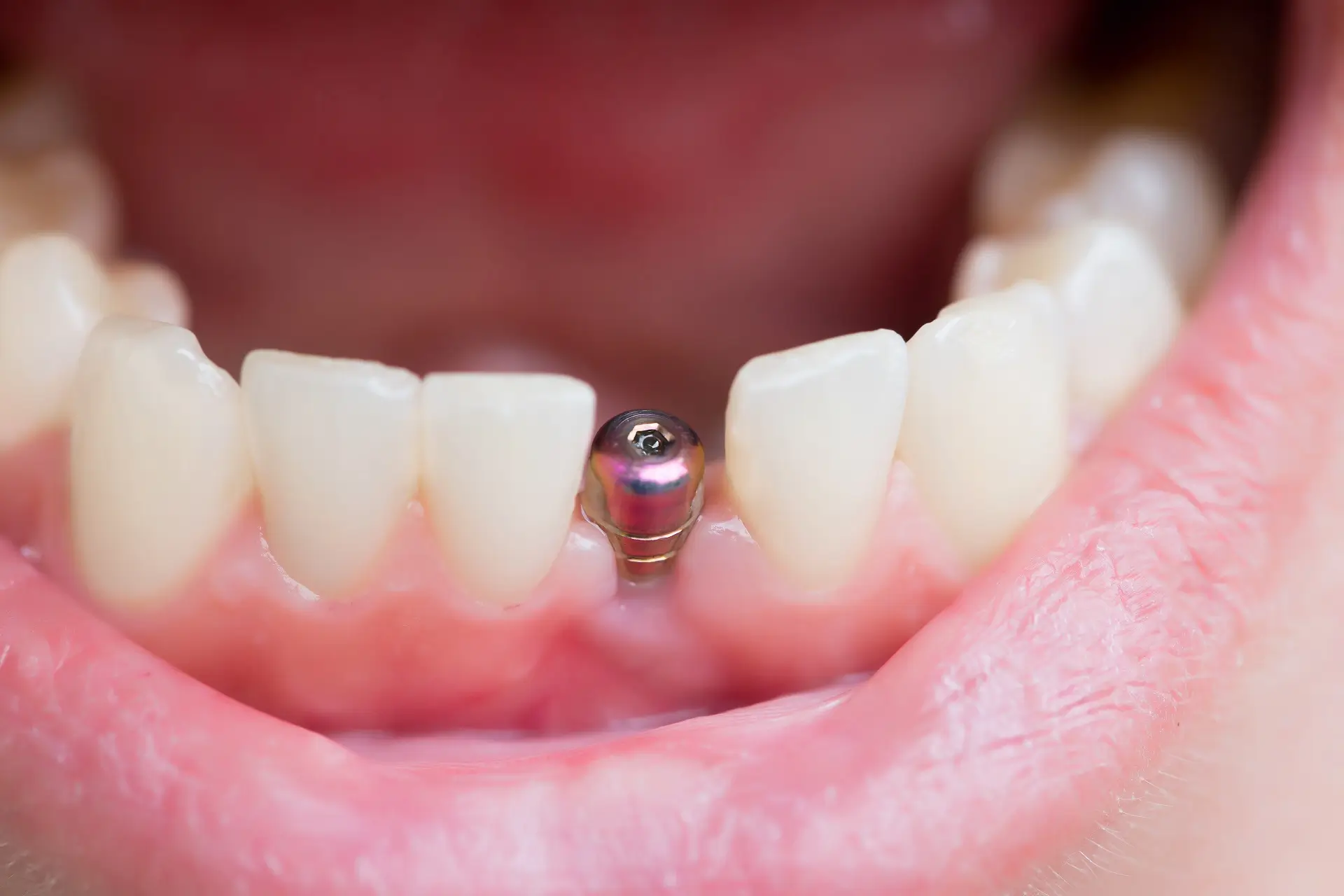
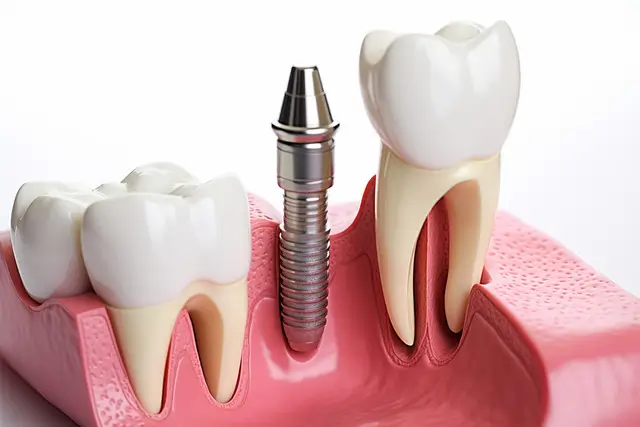
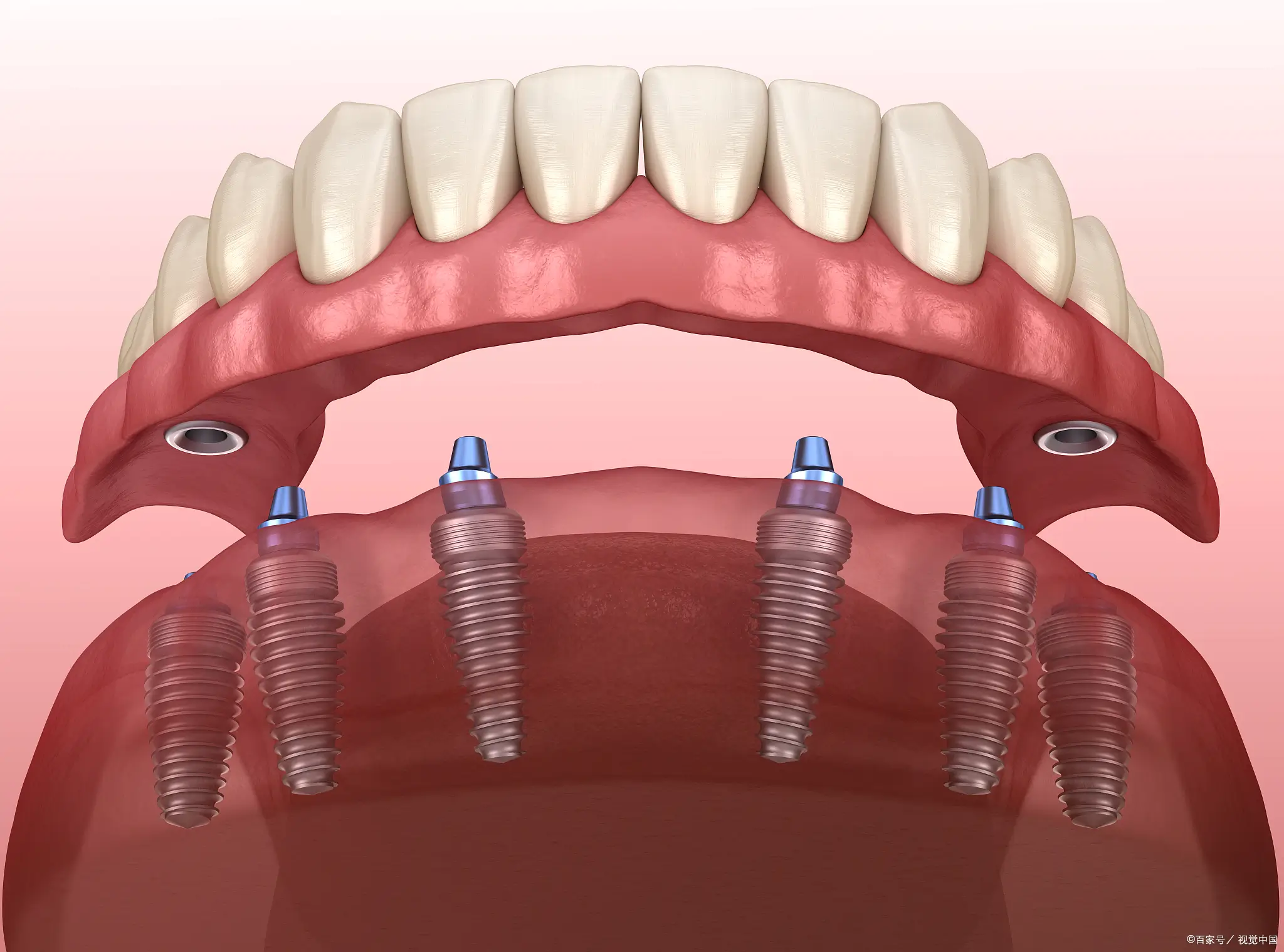
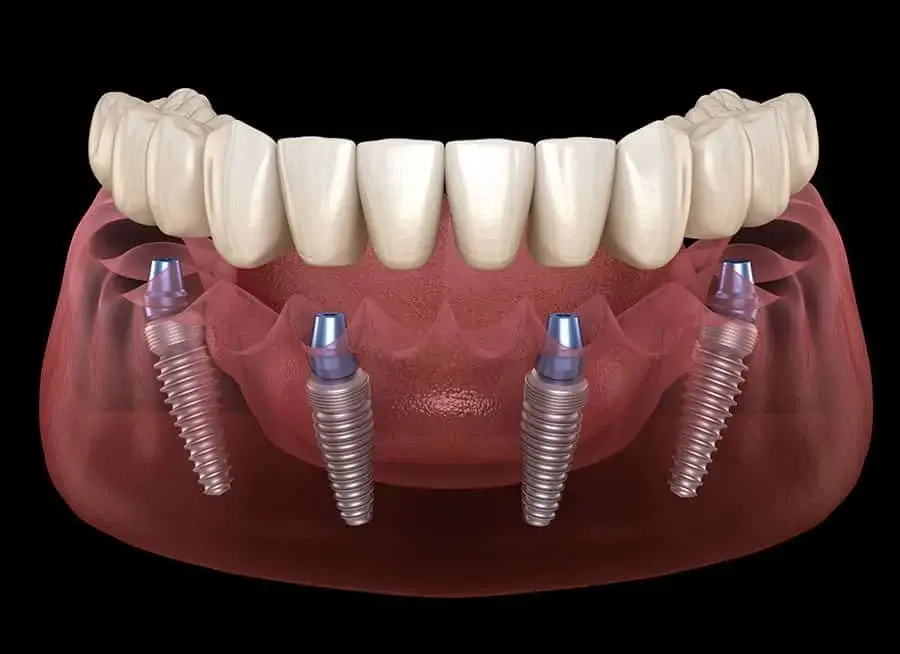
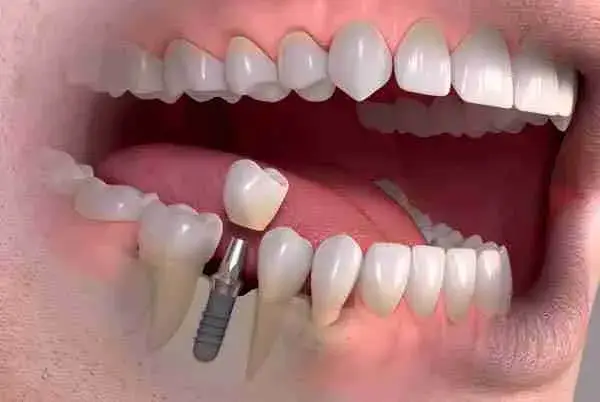
Dental implants are small titanium screws that are surgically placed into your jawbone. The material is biocompatible, meaning your body accepts it without harm. Over a few months, the implant fuses with the bone through a process called **osseointegration**.
Once the implant is secure, a dental crown is attached, restoring the look and function of your original tooth. Most importantly, the implant acts like a natural tooth root – when you chew or bite, it stimulates the jawbone just like the real thing. This stimulation is the key to preventing further bone loss.
---
### What Experts in Thailand Say
Local dental experts agree that an implant is one of the most effective solutions for slowing or even stopping bone loss after tooth extraction. According to experienced prosthodontists in Bangkok and Chiang Mai, dental implants maintain bone volume much better than other tooth replacement options such as dentures or bridges.
Traditional dentures rest on the gums and do not put pressure directly onto the jawbone. Likewise, bridges rely on surrounding teeth for support but leave the empty space in the bone unstimulated. Implants, however, integrate with the bone itself, which promotes strength and stability over the long term.
Some Thai dentists emphasise that for best results, implants should be placed as soon as the bone is healthy enough – often within a few months of losing a tooth. Delaying implant surgery can allow more bone to disappear, sometimes requiring additional procedures like bone grafting before the implant can be placed.
---
### The Science Behind Bone Preservation
Bone is a living tissue that constantly remodels itself depending on how it is used. Your natural tooth root triggers this process during chewing, sending signals to the bone to stay dense and strong. Without that root, the signal stops, and the body begins to absorb the unused bone for u
se elsewhere.
Dental implants mimic this function closely. They transfer the force of chewing directly into the jawbone, stimulating it just like a real tooth root would. Multiple studies worldwide, including research cited by Thai dental universities, confirm that implants can prevent or greatly slow resorption in the treated area.
---
### Factors That Affect Implant Success
While implants are highly effective, they are not a magic fix for everyone. Experts point out several factors that influence whether implants can stop bone loss successfully:
1. **Bone Quality and Quantity** – There must be enough healthy bone to hold the implant securely.
2. **Gum Health** – Gum disease can undermine implant stability if not treated in advance.
3. **Overall Health** – Conditions such as uncontrolled diabetes or smoking habits may slow healing.
4. **Proper Maintenance** – Just like natural teeth, implants require daily cleaning and regular dental check-ups.
In Thailand, it’s common for dentists to check these conditions thoroughly before recommending an implant. If bone loss has already progressed significantly, a bone graft might be suggested first to build the necessary foundation.
---
### Cost Considerations in Thailand
Dental implants are generally more expensive than dentures or bridges. Many people in Thailand view them as a long-term investment rather than a quick fix. Although the initial cost may feel high, implants often last decades with proper care, reducing the need for repeated replacements and avoiding additional bone loss treatments later.
Promotions in urban dental clinics and competitive prices compared with Western countries make Thailand a popular choice for implant procedures, attracting both locals and international patients.
---
### Living with Dental Implants
Patients who have received implants often report feeling more confident when eating and speaking. Unlike removable dentures, implants don’t slip or cause discomfort while chewing sticky Thai dishes like khao niaow (sticky rice) or grilled meats.
Another benefit, backed by expert opinion, is facial appearance preservation. When jawbone resorption is prevented, the lower face maintains its natural shape rather than collapsing inward. This can help keep you looking younger and healthier.
---
### Conclusion
So, do dental implants stop bone loss? According to leading dental experts in Thailand, the answer is yes – in most cases. By replacing the tooth root’s role in stimulating the jawbone, implants protect against the natural resorption process and provide a solid foundation for eating and speaking.
The key is timing and proper care. Getting an implant soon after tooth loss gives the best chance of preserving bone and avoiding more complex treatments later. For anyone concerned about oral health and long-term facial structure, consulting a qualified dentist about dental implants is a smart step.
If you’re in Thailand and facing tooth loss, consider asking your dentist whether an implant is right for you. With modern techniques, expert care, and a little commitment to maintenance, dental implants can do more than just replace missing teeth – they can help you keep your jawbone healthy for many years to come.