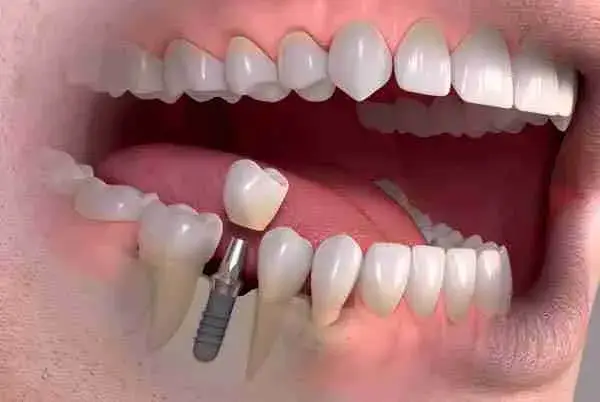
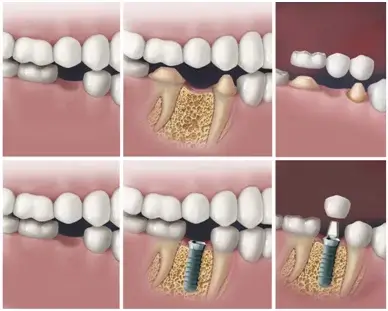
Most Sensitive Days After Implant Surgery Explained
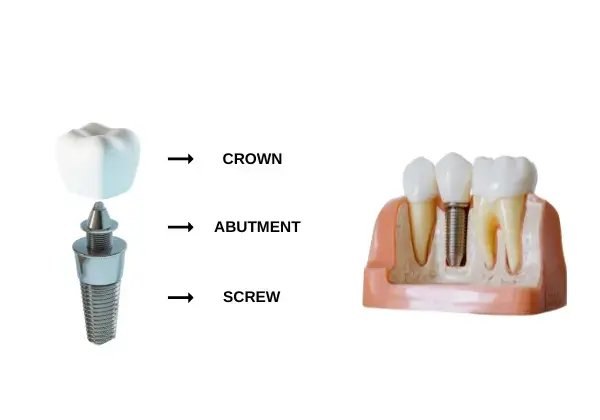
Most Sensitive Days After Implant Surgery Explained
**Most Sensitive Days After Implant Surgery Explained**
Undergoing implant surgery is a big step for many people in Thailand, whether it’s for dental implants, breast implants, or other cosmetic procedures. While the excitement of achieving a desired result is real, it’s equally important to understand the recovery process—especially the period that tends to be the most sensitive and crucial for healing. Knowing what to expect during those days will not only help you feel more comfortable but also ensure that you look after yourself properly.
### Why Sensitivity Peaks After Implant Surgery
Implant surgery involves placing something foreign—whether titanium, silicone, or another material—inside the body. Your tissues, muscles, and sometimes even your bone need time to adapt. The body responds with inflammation as part of its natural healing process. That’s why, in the first few days post-surgery, you may feel swelling, tenderness, or mild discomfort. For most patients in Thailand, this period is also when they feel the most sensitive physically and emotionally because they are adjusting to the change.
### The First 72 Hours — The Critical Window
The most sensitive time after implant surgery is typically the first 72 hours. During this stage:
- **Swelling and discomfort** usually peak. For dental implants, the gum area may feel sore and tight, while for cosmetic implants, the surrounding tissue may feel slightly hard or stretched.
- **Movement restrictions** are common. Doctors in Bangkok, Pattaya, and Chiang Mai often advise patients to limit physical activities because moving too much can affect the healing tissues.
- **Pain management** is essential. Following your surgeon’s prescribed medication routine helps control pain and supports recovery.
It’s worth noting that during these first three days, proper rest and a gentle diet can make all the difference. In Thailand, many patients opt for soft foods like steamed fish, rice soup, or fruit smoothies to avoid extra strain on the body.
### Day 4 to Day 7 — Adjusting to the Change
By the fourth day, the most intense sensitivity often starts to subside, but the area is still delicate. You might feel:
- **Slight soreness** when touching the area, or when chewing in the case of dental implants.
- **Mild tightness or stiffness** as tissues adapt.
- **Visible changes**—swelling gradually goes down, but bruising may appear in certain procedures.
In Thai culture, it’s common to be advised by family members or friends to “พักผ่อนเยอะๆ” (rest a lot) during this stage. Avoiding crowded places and keeping up with gentle hygiene practices is still important. For dental implants, rinsing with warm saline solution helps maintain cleanliness without disturbing the surgical site.
### One to Two Weeks Post-Surgery — Moving Toward Recovery
At around 10 to 14 days, most patients in Thailand begin to feel a significant improvement. The sutures may be removed if th
ey are not the dissolvable type, and the tissue is generally stronger. However, sensitivity may still occur when:
- Eating harder or spicier foods
- Engaging in more active movements, such as lifting heavy items
- Applying pressure directly to the operated area
Doctors often advise maintaining a mild lifestyle for two full weeks to avoid unexpected complications. Even if you feel “back to normal,” your body is still undergoing internal healing that may not be visible from the outside.
### Tips for Managing Sensitivity During Recovery
1. **Follow Doctor’s Instructions Strictly** – Surgeons in Thailand are very clear about aftercare. Whether it’s taking medication, changing dressings, or avoiding certain movements, sticking to these guidelines reduces risk.
2. **Eat Soothing Foods** – Traditional Thai soups, fresh coconut water, and cooling desserts like grass jelly can help you feel nourished without irritating the healing area.
3. **Stay Cool and Avoid Heat Exposure** – Thailand’s weather is warm most of the year. Excess heat can increase swelling, so it’s wise to rest in a well-ventilated or air-conditioned space.
4. **Practice Gentle Hygiene** – For dental implants, soft-bristled brushes and antiseptic rinses are recommended. For other implants, keep the area clean and dry.
5. **Listen to Your Body** – If sensitivity worsens or unusual symptoms appear, such as severe pain, high fever, or bleeding, contact your doctor immediately.
### Emotional Sensitivity After Implant Surgery
It’s not just your body that needs care—your emotions do too. The first few days can feel challenging, especially if the final results aren’t immediately visible due to swelling. In Thailand, friends and family often encourage positivity, reminding patients that “ความสวยต้องใช้เวลา” (beauty takes time). Keeping this mindset can help you stay relaxed and patient during recovery.
### The Role of Professional Follow-Up
Many clinics in Thailand schedule follow-up appointments within a week or two of surgery. These visits are important because they let the surgeon monitor healing progress and address any concerns early. If you notice prolonged sensitivity beyond the usual recovery window, a check-up can help identify whether something needs adjustment.
### Final Thoughts
Understanding the most sensitive days after implant surgery can help you prepare mentally and physically. The first 72 hours are the most intense, followed by gradual improvement in the first two weeks. Sticking to aftercare routines, eating gentle foods, and honoring the body’s need for rest will make this stage smoother.
Whether your surgery took place in bustling Bangkok or a quieter city like Chiang Mai, the principles remain the same: patience, care, and commitment to recovery will ensure that you enjoy your results for years to come. Implant surgery is a journey, and respecting the sensitive days is a key part of reaching your destination successfully.