How to Know If Your Implant Abutment Is Loose
How to Know If Your Implant Abutment Is Loose
**How to Know If Your Implant Abutment Is Loose**
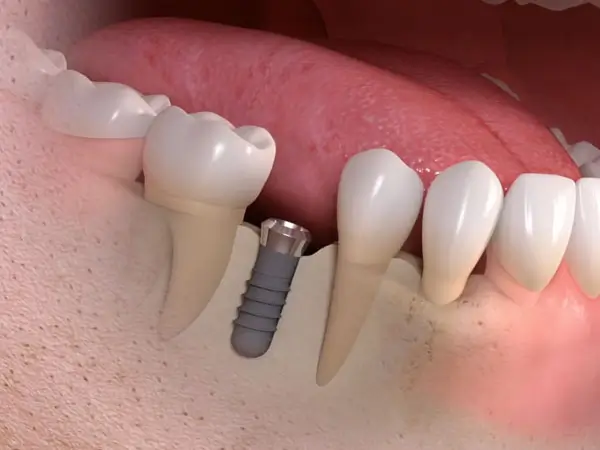
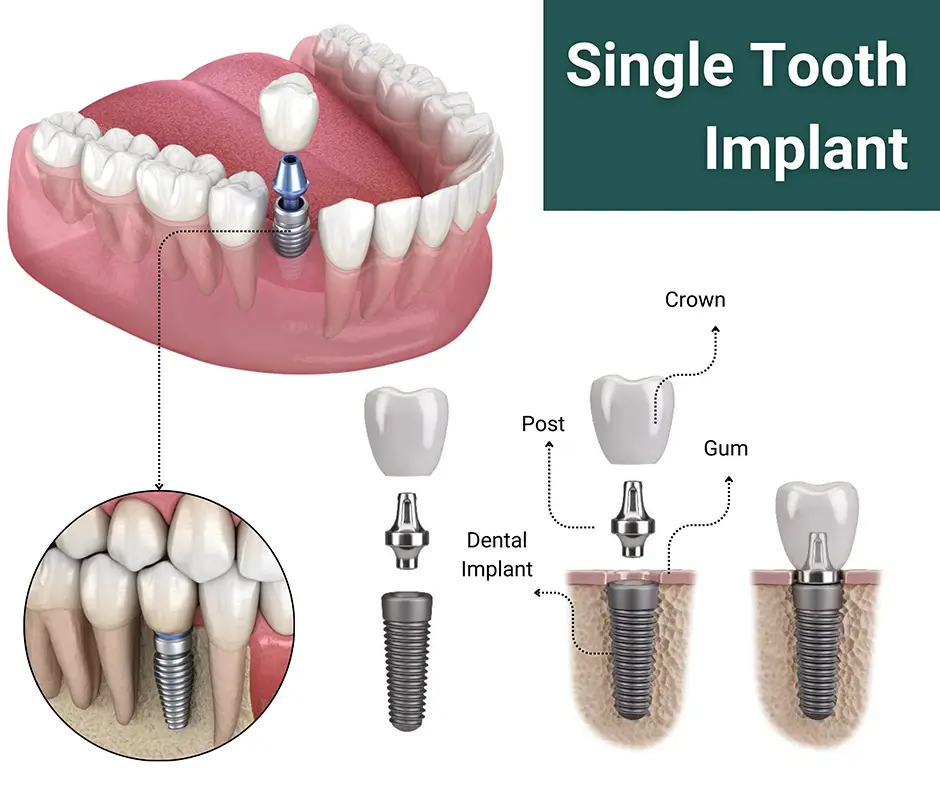
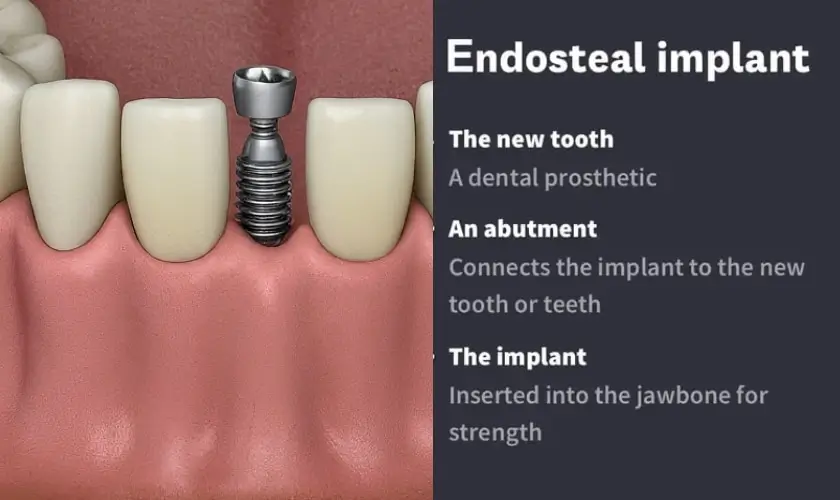
Dental implants have become a popular solution in Thailand for replacing missing teeth because they look natural, feel stable, and can last for many years. However, like any dental treatment, there can sometimes be issues, and one common concern is a loose abutment. The abutment is the small connector piece that joins the dental implant post in your jawbone to the visible crown. If it becomes loose, it can affect your comfort, the function of your implant, and even the health of your gums.
Knowing how to spot the early signs of a loose implant abutment can help you get treatment quickly, protect your investment in your smile, and avoid more complicated repairs later. Here’s what to watch out for and what you can do.
---
### 1. Feeling Movement When You Bite or Chew
A healthy implant should feel just like a natural tooth—no movement at all. If you sense even slight movement or a “wobbly” feeling while chewing, it could mean the abutment screw is not tight anymore. In Thailand, many people enjoy food with mixed textures, such as som tum with crispy and soft ingredients. If you suddenly notice a strange sensation while biting into food you normally enjoy, don’t ignore it. It’s an early warning sign.
---
### 2. Unusual Pressure or Discomfort
Implants are designed to distribute chewing forces evenly. If your abutment is loose, chewing can create uneven pressure, leading to mild discomfort in the gum area around the implant. This discomfort might be more noticeable when eating harder foods like grilled meats or sticky desserts such as khanom thuay. Even if the pain is slight, it’s worth scheduling a dental check to prevent further damage.
---
### 3. Gum Inflammation Around the Implant
A loose abutment can create tiny gaps between the crown and the gum line where food particles and bacteria can collect. Over time, this can cause gum inflammation, swelling, or redness. In Thailand’s warm climate, bacterial growth can be more active, so gum irritation may develop quickly. If you notice changes in the color or texture of the gum around your implant, see your dentist as soon as possible.
---
### 4. Changes in Your Bite Alignment
Your implant is fixed in a precise position to match your bite. If the abutment becomes loose, the crown can shift slightly, altering your bite. This might cause you to feel like the implant tooth is hitting before the others when closing your mouth, or that certain teeth don’t align the way they used to. Bite changes can also put extra stress on nearby teeth, so paying attention to small differences can be important.
---
### 5. Clicking or Tapping Sound
Some people with a loose abutment notice a faint clicking or tapping sound when chewing or speaking. This happens because the crown moves slightly against the abutment or implant post. Even if this sound is soft, it’s a clear sign that something is not as secure as it should be.
---
### What Causes an Implant Abutment to Become Loose?
There are several common reasons:
- **Wear and tear over time** – While implants are designed to last, daily chewing forces can cause screws to loosen after many years.
- **Improper tightening during installation** – If the abutment screw was not tightened correctly during fitting, it may loosen earlier.
- **Heavy biting forces** – Eating very hard foods like deep-fried pork skin or chewing ice is popular in Thailand but can place extra pressure on implants.
- **Grinding teeth (bruxism)** – Unconscious clenching or grinding can loosen abutment screws over time.
- **Accidental trauma** – A fall or knock to the mouth can make previously secure parts loosen.
---
### What to Do If You Suspect Your Abutment Is Loose
In Thailand, it’s best to visit a dentist who is experienced with dental implants as soon as possible. Delaying treatment can allow bacteria to get inside the implant area, which may risk bone health. Do not try to tighten or adjust anything yourself—this could damage both the crown and the implant post.
Here’s a safe approach:
1. **Stop chewing on that side** – Reduce pressure on the loose implant until you see your dentist.
2. **Keep the area clean** – Brush gently and use an antibacterial mouth rinse to keep gums healthy.
3. **Avoid hard or sticky foods** – Choose softer meals until the implant is fixed.
4. **Make an appointment quickly** – Early tightening or replacement of the screw is a simple procedure compared to fixing more serious damage.
---
### Preventing Implant Abutment Problems
Prevention is better than repair. Here are some ways to reduce the risk of a loose abutment:
- Have regular dental check-ups every 6 months, which is common practice recommended by dentists in Thailand.
- Practice good oral hygiene, making sure to clean around the implant carefully.
- Avoid biting directly on very hard foods. Use the back teeth or a different side if needed.
- Wear a protective mouthguard if you grind your teeth at night.
- Follow your dentist’s specific aftercare instructions for implants.
---
### Final Thoughts
A dental implant should feel strong, secure, and natural. If you suspect your implant abutment is loose, even slightly, it’s important to take action quickly. Thailand has many qualified dental professionals who can resolve the issue before it becomes a serious problem.
Pay attention to small signs like movement, discomfort, gum changes, bite differences, or clicking sounds. By staying aware, practicing good oral care, and seeking professional advice early, you can keep your implant working well for many years—allowing you to enjoy all your favorite Thai dishes without worry.
Your smile is an investment worth protecting, so never ignore anything that feels “off” with your implant. A short visit to your dentist today can save you from bigger expenses and more complicated procedures tomorrow.