Should You Replace an Implant After 15 Years
Should You Replace an Implant After 15 Years
**Should You Replace an Implant After 15 Years?**
Dental implants have become one of the most trusted solutions for replacing missing teeth. In Thailand, more and more people are choosing implants over traditional dentures or bridges because they offer a strong, natural-looking, and long-lasting option. But as with any dental investment, you might wonder—should you replace an implant after 15 years? Let’s look at what you need to know to make the best decision for your smile and oral health.
### Understanding How Long Implants Last
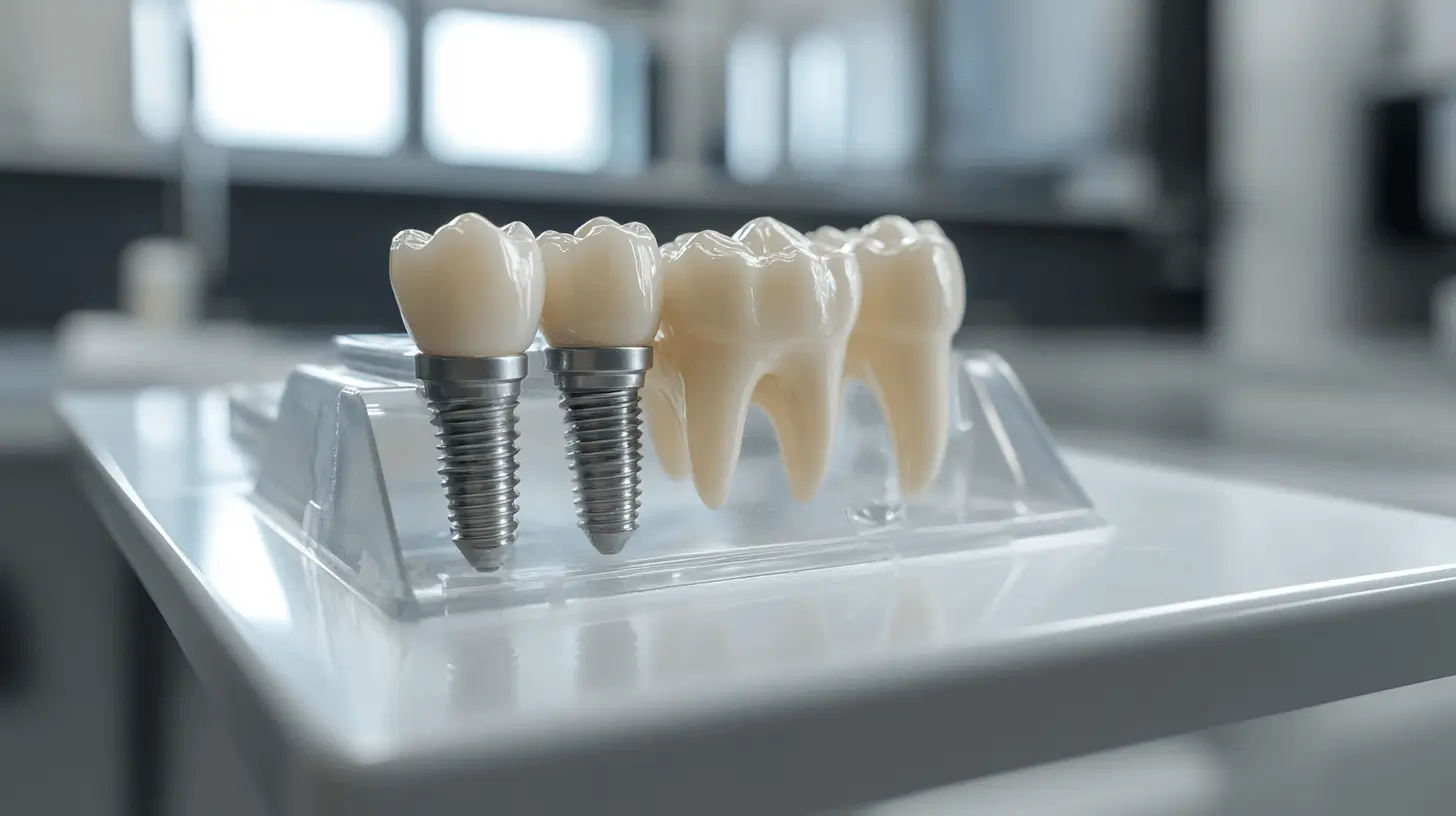
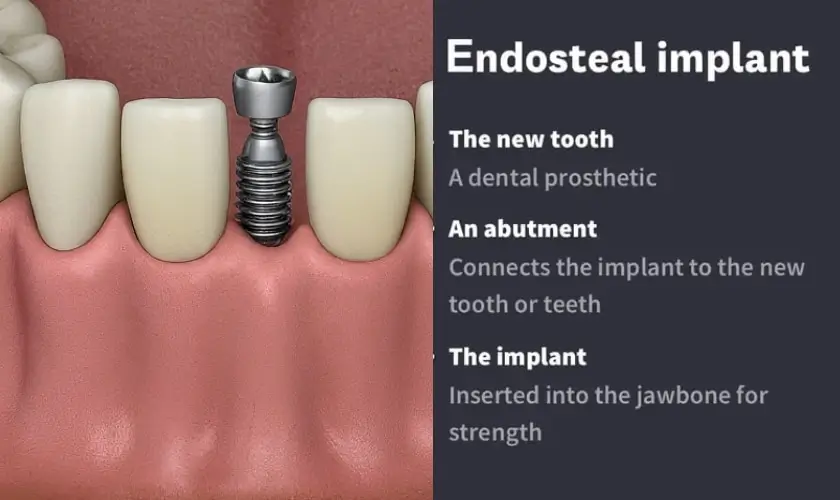
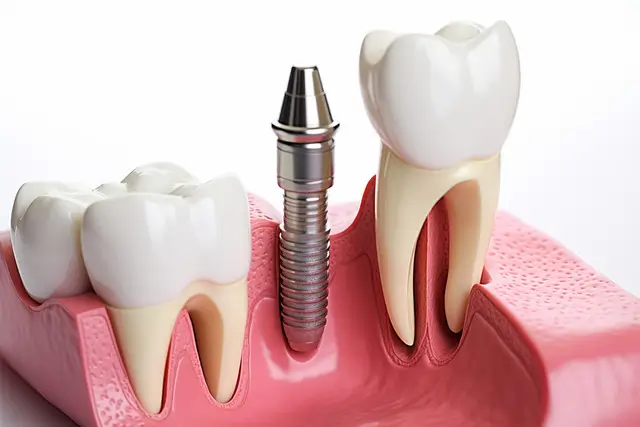
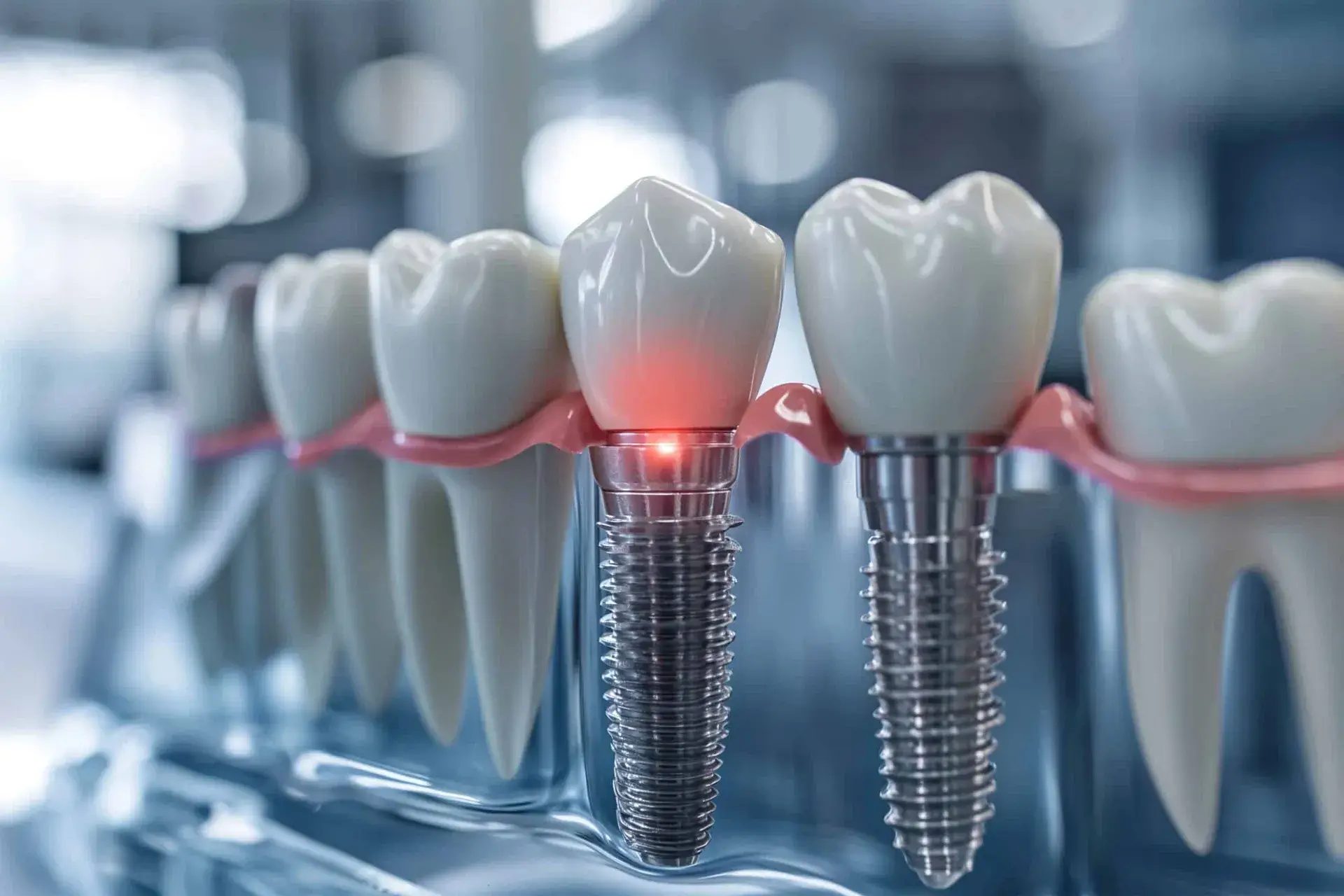
First, it’s important to understand that dental implants are designed to be a permanent solution. The titanium post inserted into the jawbone can last for decades because it fuses naturally with the bone through a process called osseointegration. In fact, many implants can last 20 years or more without any issues. However, the crown or prosthetic tooth placed on top of the implant may not last as long. Its common for crowns to need replacement after 10–15 years due to normal wear and tear.
So when people talk about “replacing an implant,” they are often referring to replacing the crown, not the titanium post itself. In most cases, the implant base can remain intact as long as it is healthy and stable.
### Signs Your Implant Might Need Attention After 15 Years
Even if your implant still feels fine after many years, it’s a good idea to visit your dentist for regular check-ups. Some signs that may indicate a need for replacement or repair include:
- **Loose crown or abutment** – If the top part of your implant starts to move, it could be due to damage or worn components.
- **Gum recession around the implant** – This can expose the metal part, affecting appearance and potentially allowing bacteria to enter.
- **Changes in bite or discomfort while chewing** – Sometimes, wear in the crown or surrounding teeth can change your bite and lead to problems.
- **Discoloration or wear on the crown** – Aesthetics matter, and if your crown no longer matches the rest of your teeth, you might decide to replace it for cosmetic reasons.
- **Pain or swelling around the implant** – This could indicate inflammation or infection, which needs professional attention immediately.
### Why Some Implants Need Replacement After 15 Years
Several factors can affect how long your implant lasts:
1. **Oral hygiene habits** – In Thailand, many people enjoy flavorful foods and sweet drinks, which can lead to plaque build-up if proper brushing and flossing are not maintained.
2. **Bite pressure** – Chewing tough foods like sticky rice or crispy fried snacks can put strain on crowns and implants over time.
3. **Material quality** – The type of crown material used can make a big difference in durability. Porcelain crowns offer natural aesthetics but may chip, whereas zirconia crowns tend to be stronger.
4. **Overall health changes** – Conditions like diabetes or bone loss can affect implant stability in the long run
.
5. **Lifestyle habits** – Smoking, betel nut chewing, or lack of regular dental visits can shorten the lifespan of an implant.
### The Replacement Process
If your dentist determines you need to replace your crown or implant after 15 years, here’s what usually happens:
- **Assessment and X-ray** – Your dentist will check the implant post’s condition and surrounding bone.
- **Crown removal** – If only the crown needs replacement, the process is usually straightforward.
- **Post removal (if necessary)** – Rarely, the titanium post needs to be removed due to damage or severe infection. This requires surgical intervention.
- **New crown or implant placement** – A fresh custom crown is made to fit your bite and match your natural teeth.
- **Healing and follow-up** – If surgery is involved, healing can take weeks to months, with regular check-ups to ensure success.
In Thailand, dental clinics offer a range of implant services, from single crown replacement to complete implant reconstruction. Prices can vary depending on clinic location, materials used, and complexity of the procedure.
### How to Make Your Implant Last Longer
The best way to avoid unnecessary replacement is to take excellent care of your dental implant from day one. Some tips include:
- Brush twice a day with fluoride toothpaste.
- Floss daily, or use special implant floss or interdental brushes.
- Visit your dentist every 6 months for cleaning and check-up.
- Avoid biting on very hard objects like ice or bones.
- Limit sugary drinks, and rinse your mouth with water after eating.
- Address any gum or tooth problems early to prevent complications.
In Thailand, many people find it convenient to combine dental care with routine health check-ups, especially in larger cities like Bangkok, Chiang Mai, and Phuket, where modern clinics use advanced technology for implant maintenance.
### The Bottom Line
Should you replace a dental implant after 15 years? The answer depends on the condition of your implant, your oral health, and your personal preferences. If the implant post is stable and healthy, you might only need to replace the crown. However, if there are signs of infection, bone loss, or structural damage, full replacement may be necessary.
Think of your dental implant like a long-term investment—it needs proper care, regular maintenance, and occasional upgrades to keep performing at its best. By staying on top of your oral hygiene and visiting a trusted dentist in Thailand regularly, your implant could stay strong and beautiful for many more years beyond the 15-year mark.
Ultimately, the decision should be made together with your dental professional, considering both functional needs and cosmetic goals. With modern techniques and materials now available, replacing an implant or crown is safer, more comfortable, and more natural-looking than ever before.
Your smile is worth it. Take care of your implants, and they will take care of you.