How Much Pressure You Can Put on Implants During Healing
How Much Pressure You Can Put on Implants During Healing
**How Much Pressure You Can Put on Implants During Healing**
Dental implants have become one of the most popular solutions for replacing missing teeth, especially in Thailand where dental tourism is booming and clinics use advanced technology. Whether you live in Bangkok, Chiang Mai, or Phuket, getting dental implants is a big investment – both financially and for your overall oral health. But one question many patients have right after surgery is: *how much pressure can you put on implants while they heal?*
Understanding the right amount of pressure and activity during the healing period is critical to ensure your implant integrates successfully with your jawbone. In this article, we’ll break down what happens during healing, the risks of too much pressure, and the safe ways to use your implants in everyday life while still letting them recover properly.
---
### **What Happens During Implant Healing?**
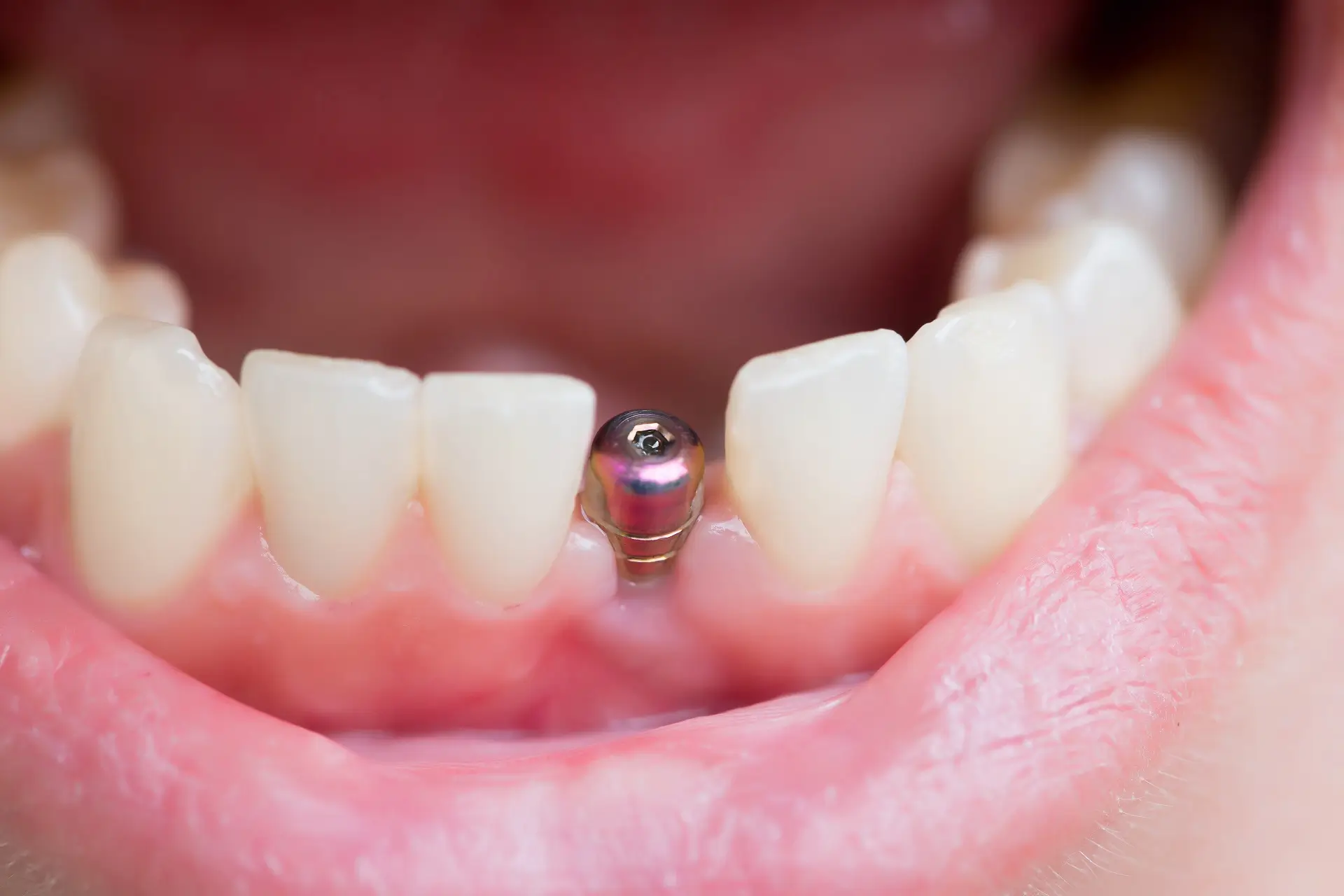
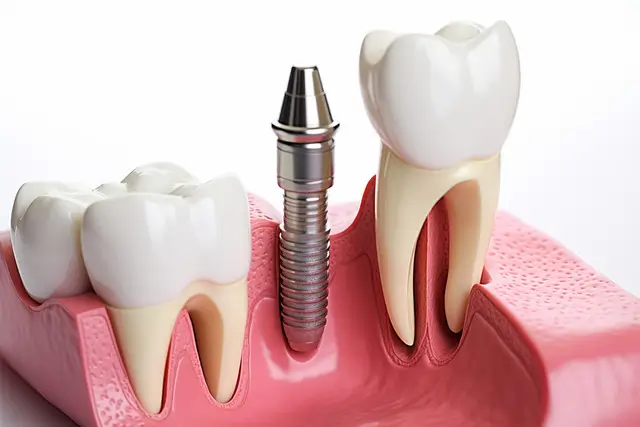
After the dental implant post is placed into your jawbone, your body begins a process called *osseointegration*. This means the bone will gradually attach itself to the implant surface, making it strong and secure over time. For most people, this process can take anywhere between 3 to 6 months, depending on factors like bone quality, overall health, and the location of the implant.
During this stage, the implant is like a seed planted in healthy soil – it needs stability, time, and minimal disturbance to grow strong roots. Any unnecessary force or movement can slow down this bonding process or even cause failure.
---
### **Why Pressure Matters After Surgery**
Pressure in this context refers to the force you exert on the implant when chewing, biting, or grinding your teeth. Right after surgery, the implant is not yet firmly anchored. If you bite too hard or chew tough food, the micromovements can interfere with healing, leading to instability or loosening.
Dentists in Thailand often advise patients to avoid chewing directly on the implant site in the early stage. Think of this like avoiding stepping heavily on wet cement—you want it to set properly before testing its strength.
---
### **Early Healing Period: 0–2 Weeks**
In the first two weeks, your implant site is most sensitive. You will experience some swelling, mild discomfort, and possibly bruising. This is not the time to chew on the implant side or test it with any firm pressure.
**Practical tips for Thai patients during early healing:**
- Stick to soft food like boiled rice, congee, mashed pumpkin, or steamed fish.
- Use the opposite side of your mouth when chewing.
- Avoid hot, spicy dishes for a few days to reduce irritation.
---
### **Intermediate Healing: 2–8 Weeks**
After the initial swelling subsides, you might feel almost normal. But don’t be fooled—this is still a fragile stage for your implant. Even though you might chew with minimal discomfort, applying firm pressure too soon may disrupt osseointegration.
At this stage, dentists may allow some gentle use but will still recommend av
oiding hard, sticky, or crunchy foods. For example, grilled chicken and soft papaya salad are fine, but sticky rice and crispy fried pork skin should still be avoided on the implant side.
---
### **Long-Term Healing: 3–6 Months**
By the third month, most implants have made substantial progress in bonding with the bone. Your dentist may approve gradually increasing your chewing activity on the implant. However, you should still avoid extremely hard foods like raw sugarcane, unripe guava, or ice cubes.
For many Thai patients, dental professionals give the “all clear” after 6 months following an X-ray check to confirm proper integration. Only then can you start using the implant like a normal tooth without worrying about excessive pressure.
---
### **Signs You’re Putting Too Much Pressure**
Overloading your implant can cause discomfort or even warning signs that something is wrong. Watch out for:
- Persistent pain around the implant site
- Swelling or redness that returns after initial healing
- Difficulty chewing without discomfort
- A feeling that the implant is “loose” or unstable
If you notice any of these symptoms, visit your dental clinic immediately. In Thailand, clinics often encourage patients to call or message via LINE for quick advice, so make use of that convenience.
---
### **Safe Ways to Use Your Implant During Healing**
Instead of completely avoiding use, focus on controlled and minimal pressure during healing:
- Choose soft Thai street food options like fish ball noodle soup, tofu in curry, or ripe mango with sticky rice (eat the mango only at first).
- Cut food into smaller pieces to reduce bite force.
- Practice mindful chewing—take time and avoid rushing meals.
---
### **Lifestyle Factors That Influence Pressure Tolerance**
Certain habits can make you accidentally put too much pressure on your healing implant:
- **Bruxism or teeth grinding** – Common in people under stress, it can overload implants at night.
- **Chewing betel nut or ice** – These are very hard and should be avoided.
- **Eating fast food with hard buns or crunchy fried items** – Take softer alternatives.
If you suspect bruxism, ask your dentist about a night guard.
---
### **Final Thoughts**
When it comes to dental implant healing, patience really does pay off. The pressure you can put on your implant during healing depends on the stage of recovery and your individual condition. Just because it feels comfortable doesn’t mean it’s ready for full use.
Following your dentist’s advice, choosing softer foods, and being mindful about chewing can make a big difference in the success of your implant. Remember, in Thailand, dental care combines modern techniques with a friendly, patient-focused approach—so don’t hesitate to keep in touch with your dental team throughout your healing journey.
By respecting the healing timeline, you’ll ensure your implant lasts for years, giving you a confident smile and a strong bite… without the worry of early complications.