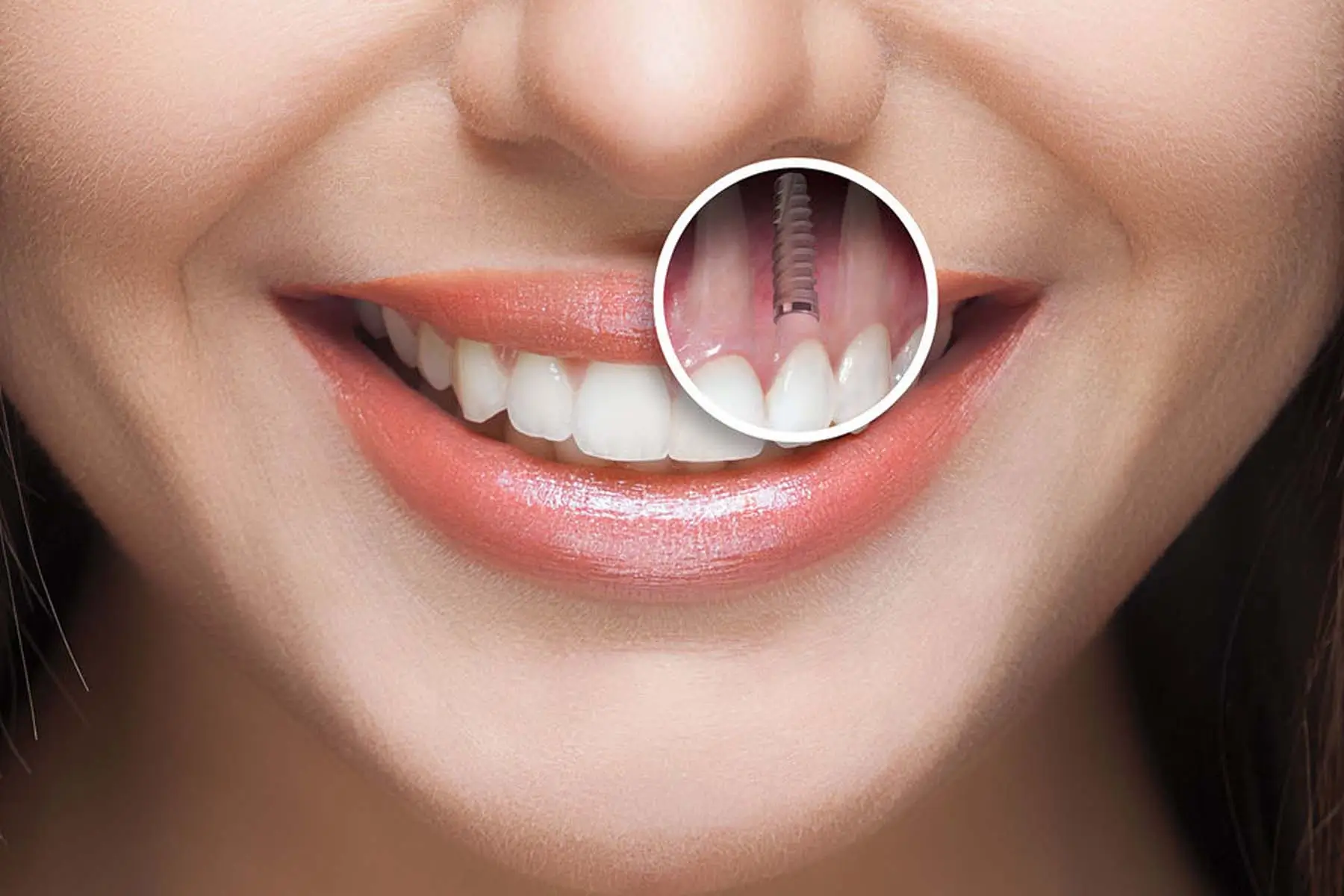
Most Common Problems After Dental Implant Surgery and Fixes
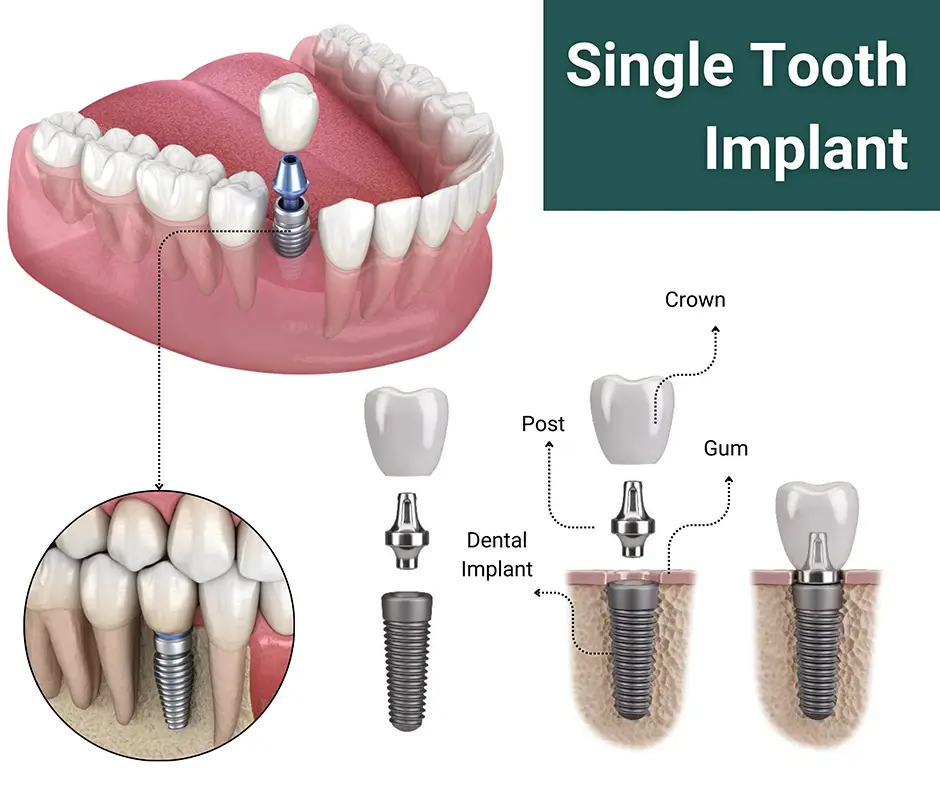
Most Common Problems After Dental Implant Surgery and Fixes
**Most Common Problems After Dental Implant Surgery and Fixes**
Getting dental implants is a big step toward restoring your smile, especially for many people in Thailand where implant dentistry has become increasingly popular in recent years. Whether you’ve decided to replace a missing tooth or improve your bite, dental implants can feel life-changing. However, like any surgical procedure, there are possible issues that might occur after the implantation process. Understanding these common problems—and knowing how to fix or prevent them—will help you feel more confident and ensure that your recovery goes smoothly.
---
### 1. Swelling and Discomfort
**Why It Happens:**
It’s normal for the gums and surrounding tissue to swell after surgery. This is simply your body’s natural inflammatory response and usually peaks within the first 48 hours. In hot climates like Thailand, some people feel the swelling more because warm weather can increase blood flow in the area.
**Fix:**
Keep an ice pack on the cheek near the surgical site for 15–20 minutes at a time during the first day. Avoid spicy foods and hot drinks for a few days, as these can stimulate more swelling. Most importantly, take any prescribed pain relievers or anti-inflammatory medication as directed by your dentist.
---
### 2. Bleeding from the Gum Area
**Why It Happens:**
Minor bleeding is common for the first 12–24 hours after dental implant surgery. It’s usually due to small blood vessels being disrupted during the procedure. In some cases, habits like eating hard food too soon or rinsing the mouth too aggressively can prolong bleeding.
**Fix:**
Bite gently but firmly on a clean gauze pad for 30 minutes. If bleeding continues beyond a day, avoid using straws (the suction can slow healing) and call your dentist for advice. In Thailand, many clinics recommend rinsing with lukewarm saline water after 24 hours to keep the area clean without disturbing healing tissue.
---
### 3. Infection at the Implant Site
**Why It Happens:**
Infections can occur if bacteria enter the surgical site, often because of poor oral hygiene or neglecting aftercare instructions. Warm and humid weather, common in Thailand, can make bacterial growth faster if the area isn’t kept clean.
**Fix:**
Follow all cleaning instructions from your dentist. Brush gently around the area and use any prescribed mouthwash to reduce bacteria. Avoid smoking and sugary snacks during this period—they can slow healing and feed harmful bacteria. If there is redness, pus, or fever, seek immediate dental care.
---
### 4. Implant Loosening or Mobility
**Why It Happens:**
One of the most concerning issues is when the implant feels loose. This can happen if the bone hasn’t integrated well with the implant or if too much pressure is applied too early (for example, chewing hard meat right after surgery).
**Fix:**
See your dentist immediately. Loosening can sometimes be fixed by adjusting or replacing the crown, but in more serious cases, it may require redoing the implant. During the recovery period, eat soft foods like boiled rice, soups, or steamed fish—common comforting meals in Thailand—to protect the implant.
---
### 5. Gum Recession Around the Implant
**Why It Happens:**
Sometimes the
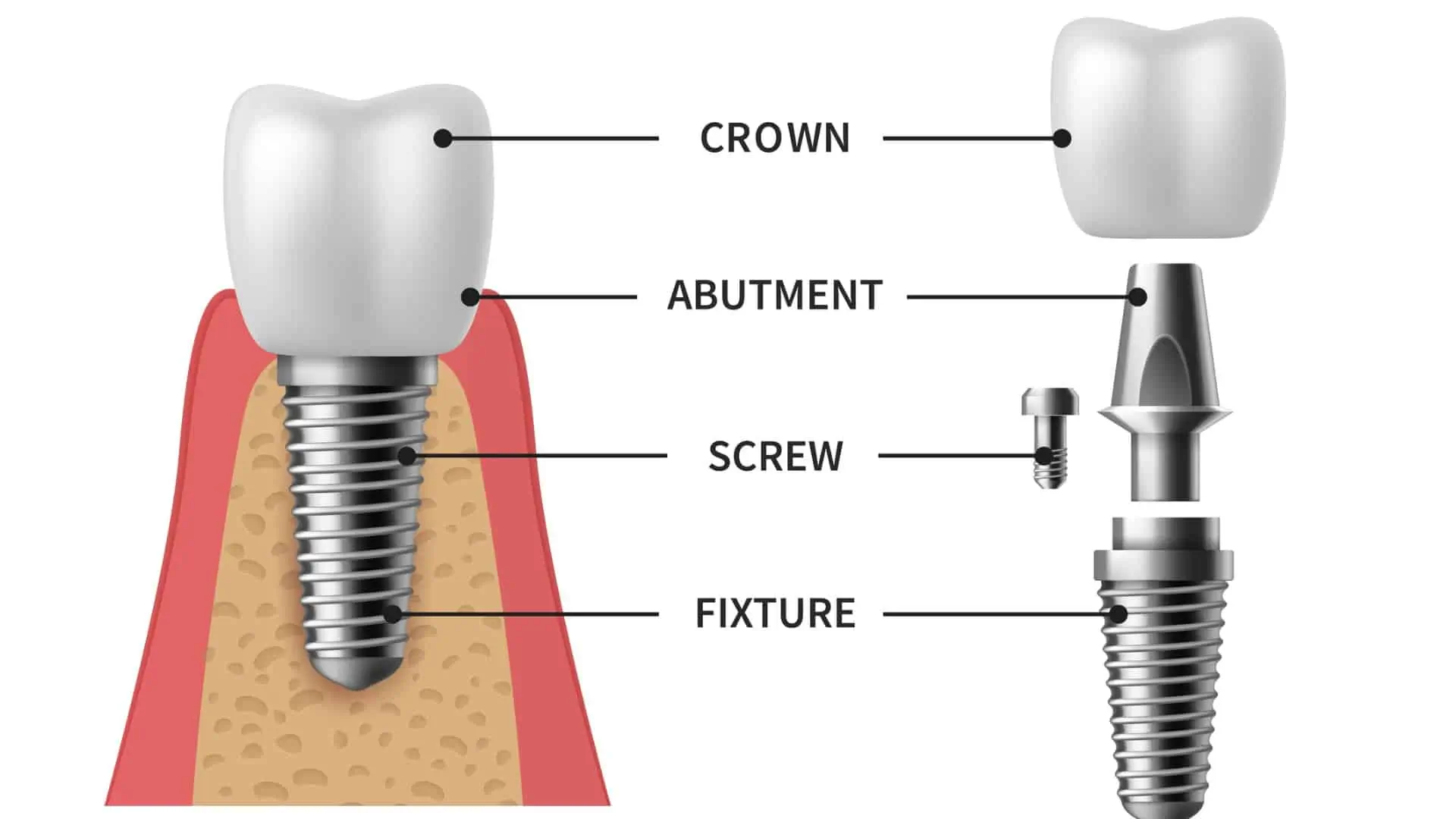
gum tissue around the implant starts to shrink back, exposing more of the metal. This can be caused by improper brushing technique, poor-fitting crowns, or thin gum tissue.
**Fix:**
Your dentist may recommend a gum graft to restore healthy coverage. In daily care, avoid brushing too hard; use a soft-bristled toothbrush and gentle circular motions. This protects both the gum and implant surface.
---
### 6. Sinus Problems in Upper Jaw Implants
**Why It Happens:**
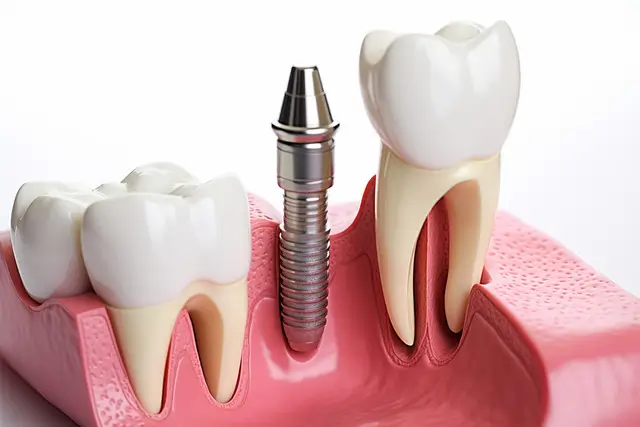
For implants placed in the upper jaw, they sometimes sit close to the sinus cavity. If the implant protrudes too far, it can lead to sinus discomfort or mild infection. This is especially relevant for patients in Thailand who often opt for upper jaw implants due to missing molars from prolonged sugar consumption.
**Fix:**
Consult your dentist if you feel persistent pressure or sinus pain. Treatment might involve adjusting the implant or using medication to reduce sinus inflammation. In some cases, a sinus lift procedure is needed before implant placement to avoid this problem entirely.
---
### 7. Nerve Sensitivity or Tingling
**Why It Happens:**
If the implant is placed near a nerve, such as in the lower jaw, some people may feel tingling, numbness, or altered sensation in their lips, chin, or tongue. This is rare but can occur due to swelling or direct nerve irritation.
**Fix:**
Most mild nerve symptoms fade within weeks. Avoid chewing on that side until sensation normalises. If the feeling does not improve after a month, your dentist should perform a nerve assessment to determine whether further treatment is needed.
---
### 8. Difficulty Chewing or Speaking
**Why It Happens:**
In the initial weeks, adjusting to the feel of an implant crown can make chewing or speaking feel slightly awkward. Your bite may need minor adjustments, especially if the crown is too high or low.
**Fix:**
Eat softer foods and take time to chew slowly. If speech feels affected, practice reading aloud for a few minutes daily. Small adjustments from your dentist can quickly restore balance and comfort.
---
### How to Reduce Risks Altogether
While knowing these common problems is helpful, prevention is always better. In Thailand, many reputable dental clinics give comprehensive aftercare guidelines—so make sure you follow them closely.
- Keep the surgical area clean using gentle methods.
- Stick to a soft-food diet for the first week.
- Attend all follow-up appointments even if you feel fine.
- Avoid extreme activities like vigorous sports until healing is complete.
---
### Final Thoughts
Dental implants are a reliable, long-term solution for missing teeth, with success rates often above 95%. Yet, like any treatment, they require care and attention after surgery. By being aware of common issues like swelling, infection, or gum changes, and by knowing the right fixes, you can enjoy a smooth recovery and get back to smiling with confidence.
In Thailand’s friendly and social culture, having a healthy smile is about more than just looks—it’s part of feeling comfortable around friends, family, and colleagues. By taking the right steps after your dental implant surgery, you’ll not only protect your investment but also keep your smile bright for years to come.