What Happens During a Full Mouth Implant Procedure
What Happens During a Full Mouth Implant Procedure
**What Happens During a Full Mouth Implant Procedure**
For many people living in Thailand, having a confident smile is more than just about looks – it’s about health, comfort, and quality of life. Missing teeth can make everyday activities like eating som tam, enjoying grilled seafood, or even chatting with friends feel difficult. This is where a full mouth implant procedure comes in. But what exactly happens during this treatment, and why do so many people choose it? Let’s walk through the process step by step so you know what to expect.
---
### Understanding Full Mouth Implants
Full mouth implants, also called full arch dental implants, are a permanent solution for replacing all the teeth in the upper jaw, lower jaw, or both. Unlike removable dentures, implants are fixed to the jawbone, offering stability and a natural look. In Thailand, this procedure has become increasingly popular because it provides long-term results and can restore both function and appearance in a single treatment plan.
---
### Step 1: Initial Consultation and Examination
Everything begins with a detailed consultation at a dental clinic. The dentist will check your oral health, take X-rays, and sometimes use 3D scanning to see the condition of your jawbone. In many Thai dental practices, this stage is very thorough. The dentist will ask about your lifestyle, medical history, and expectations. If you’ve been missing teeth for a long time, they will examine whether your jawbone is strong enough to hold implants.
You might also have a dental cleaning at this stage so the mouth is in the best possible condition before surgery.
---
### Step 2: Treatment Planning
Once your dentist confirms that full mouth implants are suitable, they’ll design a personalised plan. This includes deciding the number of implants needed, identifying the exact implant placement points, and selecting the type of restoration – usually an implant-supported bridge or a fixed denture.
In Thailand, many clinics show patients a digital simulation of how their smile will look after the procedure. This helps you visualise the results and builds trust between you and the dental team.
---
### Step 3: Preparations Before Surgery
If your jawbone density is low, bone grafting may be recommended before implant placement. This is common for patients who have had missing teeth for several years. The graft material helps create a strong base for the implants and may require a few months of healing before the main surgery.
Your dentist will also give you clear instructions before the operation. This could include fasting if sedation or general anaesthesia is planned, taking antibiotic medication, and arranging transportation since you won’t be able to drive right after surgery.
---
### Step 4: Implant Surgery
On the day of the surgery, you’ll be welcomed into a clean, sterile treatment room. The procedure can be done under local anaesthesia, sedation, or even general anaesthesia depending on your preference and the dentist’s advice.
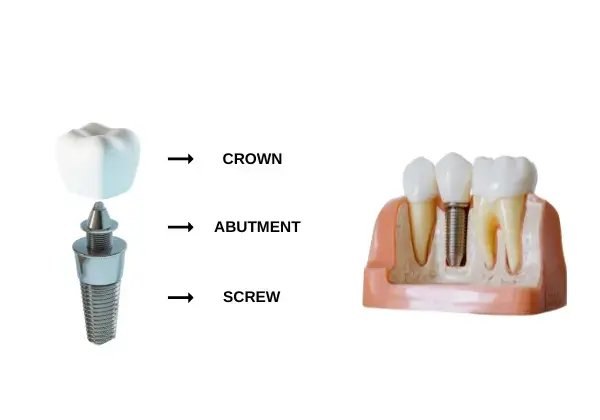
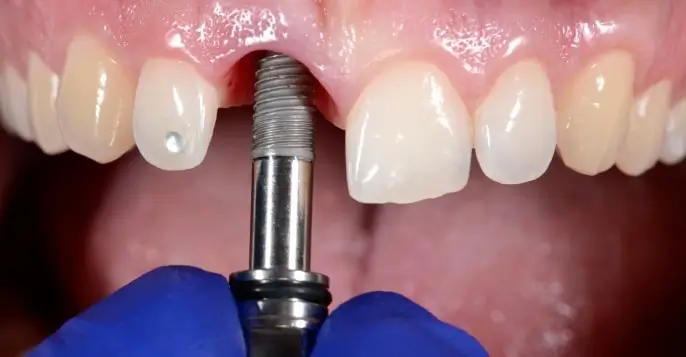
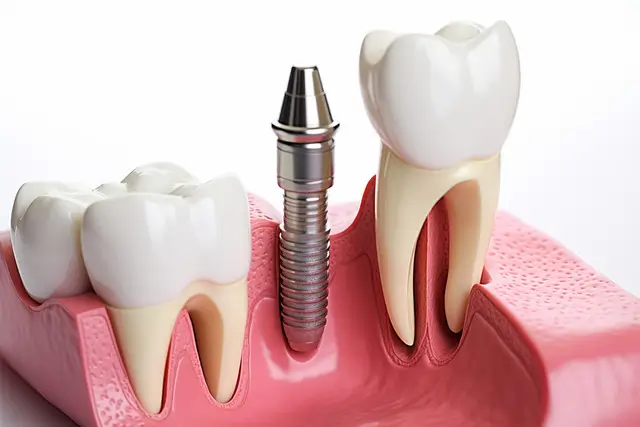
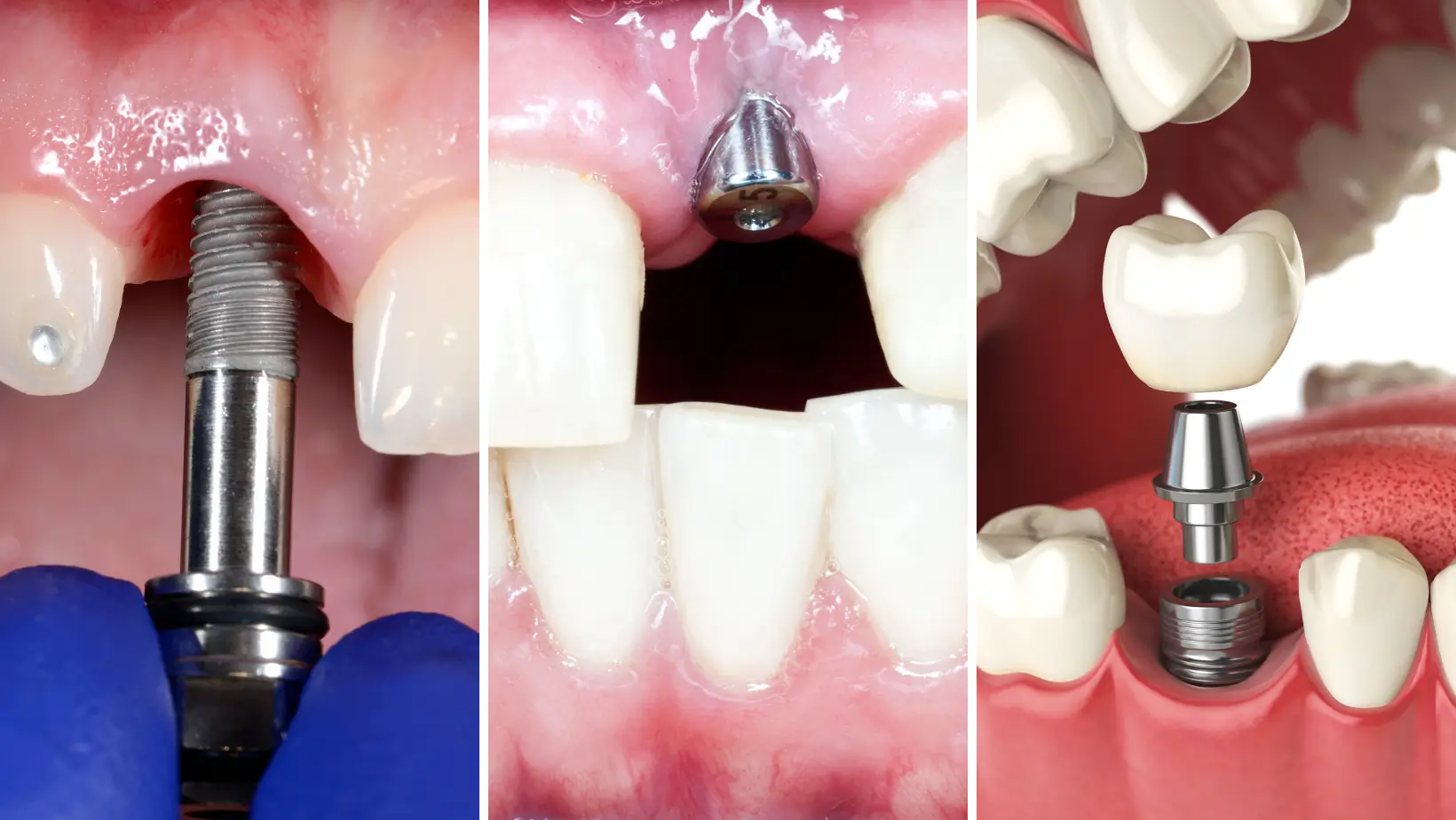
The surgeon will make small incisions in the gum and place titanium implant posts into the jawbone. These posts act as artificial tooth roots. For a full mouth restoration, about 4 to 8 implants may be placed on each arch, depending on yo
ur unique case.
After the implants are inserted, the gums are stitched, and you will be given post-surgery care instructions. Some clinics in Thailand can also attach a temporary set of teeth during the same appointment so you can smile confidently while the implants heal.
---
### Step 5: Healing and Osseointegration
This healing stage is incredibly important. Over the next 3 to 6 months, the implant posts will fuse with your jawbone through a natural process called osseointegration. This creates a strong foundation for your permanent teeth.
During this time, follow-up appointments help the dentist monitor your progress. You might be advised to avoid very hard or sticky Thai snacks, focus on soft foods, and keep the mouth clean to prevent infection. Good oral hygiene means brushing gently, rinsing with antiseptic mouthwash, and possibly using a water flosser.
---
### Step 6: Placement of Permanent Restorations
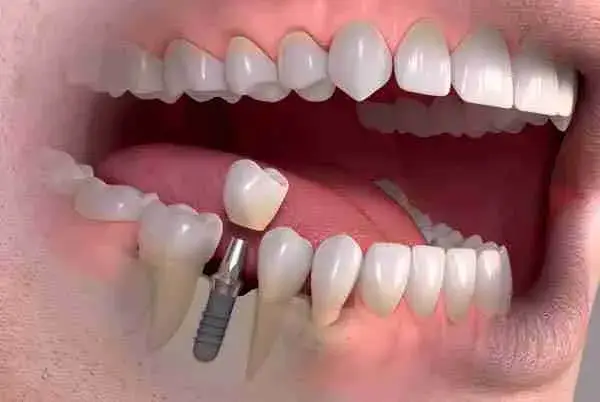
Once the implants are firmly integrated, you return to the clinic for the final step – attaching your permanent teeth. The dentist removes the temporary bridge or denture and places the custom-made set of teeth. These restorations are crafted to match your facial structure, skin tone, and natural bite, giving you a comfortable and realistic smile.
From the very first bite into a plate of pad kra pao, you’ll notice how stable and natural your teeth feel compared to removable dentures.
---
### Step 7: Aftercare and Maintenance
Your dentist will give you ongoing care advice. Even though implants cannot get cavities, the gums and surrounding tissues still need regular cleaning. You should maintain dental check-ups at least twice a year, follow a balanced diet, and avoid habits like smoking that can harm gum health.
In Thailand, many clinics offer membership programs where patients get reduced rates for cleaning sessions and priority booking for regular check-ups. This makes it easier to keep your implants in excellent condition for decades.
---
### Benefits You Can Expect
The results of a full mouth implant procedure go beyond aesthetics:
- **Improved function**: You can chew and speak naturally again.
- **Long-lasting solution**: With proper care, implants can last a lifetime.
- **Bone preservation**: Implants stimulate the jawbone, preventing bone loss.
- **Confidence boost**: A beautiful, stable smile can transform social interactions and self-esteem.
---
### Final Thoughts
Choosing a full mouth implant procedure is a big decision, but for many in Thailand, it’s an investment that offers permanent comfort and confidence. The process involves several steps – consultation, planning, surgery, healing, and restoration – and each stage is designed to ensure your new smile is both beautiful and functional.
If you’re missing most of your teeth and want a lasting solution, booking a consultation with a qualified implant dentist is the best first move. With the right team, modern technology, and proper aftercare, you can enjoy natural-looking teeth that feel just like your own.
---
Would you like me to also optimise this article with **meta title, meta description, and targeted keywords** so it’s fully ready for Google indexing? That would make it perform even better in search results.