What Happens When an Implant Is Placed Too Close to a Nerve
What Happens When an Implant Is Placed Too Close to a Nerve
**What Happens When an Implant Is Placed Too Close to a Nerve**
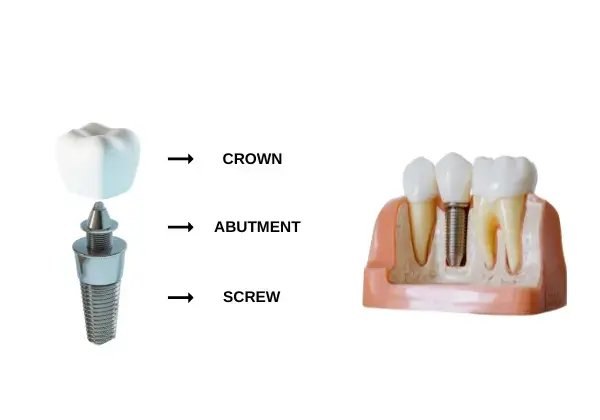
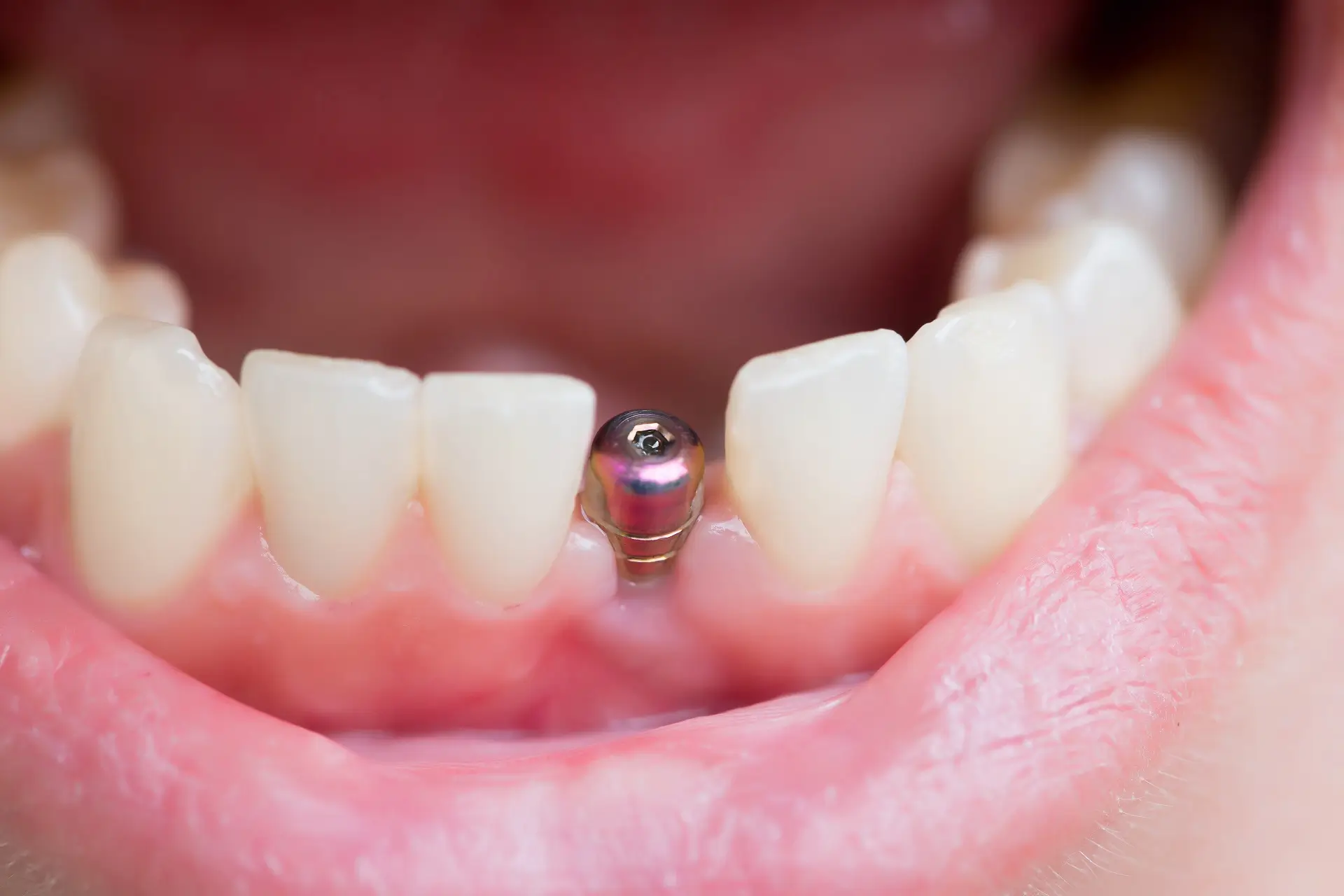
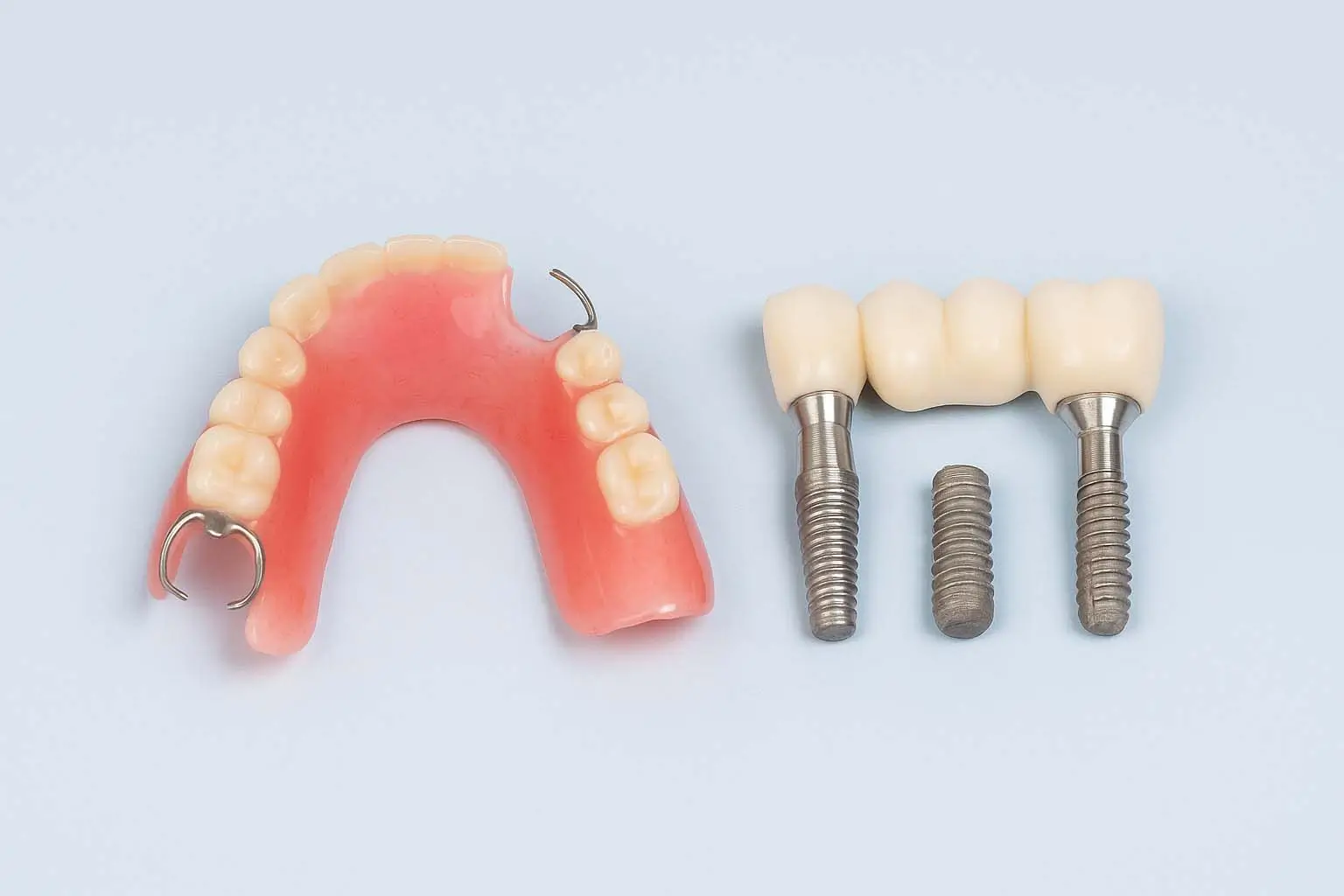
Dental implants have become a popular choice in Thailand for replacing missing teeth because they look natural, feel secure, and can last for many years with proper care. However, like any dental procedure, implants require careful planning and precise placement. One of the most important considerations during implant surgery is the position of the implant in relation to the nerves in your jaw. If an implant is placed too close to a nerve, it can lead to complications that affect your comfort, oral health, and overall well-being.
In this article, we will explore what happens when an implant is positioned too near a nerve, the symptoms you might experience, why it happens, and how dentists in Thailand typically handle such situations.
---
### Understanding the Nerve Anatomy in Your Jaw
In the lower jaw, there is a key nerve known as the inferior alveolar nerve. It runs through the jawbone and controls sensation in your lower teeth, gums, chin, and lower lip. During implant surgery in the lower jaw, dentists must ensure the implant post is placed at a safe distance from this nerve.
When the implant is too close—or makes direct contact—with the nerve, it can trigger nerve irritation or damage. Since the nerve plays a central role in feeling and sensation in certain facial areas, its health directly affects your comfort after surgery.
---
### What Happens When the Nerve Is Affected
If a dental implant is placed too close to the nerve, several things can occur, ranging from mild discomfort to long-term sensory changes. Common symptoms include:
- **Numbness** in the lower lip, chin, or gums
- **Tingling or “pins and needles” sensation** in the affected area
- **Sharp or shooting pain** that may worsen at night
- **Reduced ability to feel temperature or touch** on one side of the mouth
In Thailand, many patients describe these sensations as feeling like part of the mouth is always asleep, or that there is a constant mild buzzing in the chin. These symptoms can appear immediately after surgery or develop gradually over days.
---
### Possible Short-Term vs. Long-Term Effects
Short-term nerve irritation may improve within weeks or months if the implant is not directly compressing the nerve. Dentists sometimes adjust or remove the implant quickly to relieve the pressure.
But if the nerve has been severely compressed or injured, the effects can last much longer—even permanently—depending on the extent of the damage. Long-term nerve damage can affect daily activities such as eating, speaking, and smiling confidently.
---
### Why This Happens
Implant placement issues usually stem from a combination of factors, including:
1. **Insufficient Pre-Surgical Planning** – Without detailed 3D scans or panoramic X-rays, the dentist may misjudge the nerve’s exact position.
2. **Bone Loss or Unusual Jaw Anatomy** – In Thailand, especially for older adults, jawbone density can vary greatly, making exact measurements challenging.
3. **Inexperience or Technique Errors*
* – Precise drilling angles and depths are crucial; small mistakes can lead to nerve proximity.
4. **Changes During Healing** – Natural bone remodeling after implant placement may subtly shift the position of the implant in relation to the nerve.
---
### How Dentists in Thailand Manage the Problem
Dentists here often follow a clear process when a patient develops nerve-related symptoms after implant surgery:
- **Immediate Evaluation** – The dentist will check your symptoms, perform nerve tests, and order imaging such as a CBCT scan.
- **Possible Implant Removal** – If imaging shows the implant is pressing directly on the nerve, removal may be recommended to prevent further damage.
- **Medication** – Anti-inflammatory drugs or nerve-support supplements may be given to help the nerve recover.
- **Regular Monitoring** – Follow-up visits help track nerve healing progress, which can continue for weeks or months.
Many Thai dental clinics take nerve complications seriously and have protocols to handle them quickly, as early intervention often leads to better recovery outcomes.
---
### Preventing Nerve-Related Implant Problems
The good news is that nerve complications from implants can be largely prevented with proper planning and advanced technology. Here are some ways reputable dentists in Thailand reduce risks:
- **Comprehensive Imaging** – CBCT scans create a 3D view of your jawbone, allowing accurate mapping of nerve locations.
- **Selecting Appropriate Implant Size** – Shorter or narrower implants are chosen if the nerve lies close to the desired site.
- **Precision Drilling Guides** – Using custom-made guides helps control depth and angle during surgery.
- **Experience and Training** – Choosing a dentist who regularly performs implant surgeries increases the likelihood of safe placement.
---
### What to Do if You Suspect a Problem
If you recently had an implant and are experiencing unexpected numbness, tingling, or pain in the lower lip, chin, or gums, do not wait. Contact your dentist immediately for an assessment. Early diagnosis and intervention are key to protecting your nerve health and ensuring the success of your implant.
In Thailand, most dental clinics are accustomed to managing post-surgical concerns quickly, and they can advise on whether simple adjustments or more significant treatment is needed.
---
### The Bottom Line
Dental implants can greatly improve your smile and quality of life, but correct placement is essential to avoid nerve-related complications. When an implant is too close to a nerve, it can cause discomfort, sensory changes, and in some cases, lasting issues. By choosing an experienced dentist, undergoing thorough pre-surgical planning, and addressing any unusual symptoms quickly, you can enjoy the benefits of implants with peace of mind.
For patients in Thailand, combining modern imaging technology with the skill of a seasoned dentist offers the best protection against this problem. Always remember: Your comfort and safety come first, no matter how routine the procedure may seem.