Can You Get Implants If You Grind Your Teeth
Can You Get Implants If You Grind Your Teeth
**Can You Get Implants If You Grind Your Teeth?**
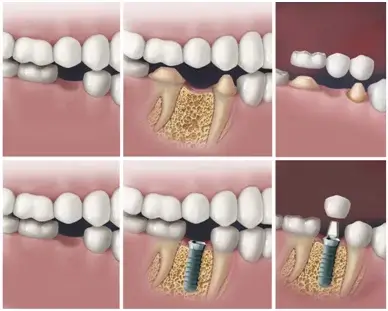
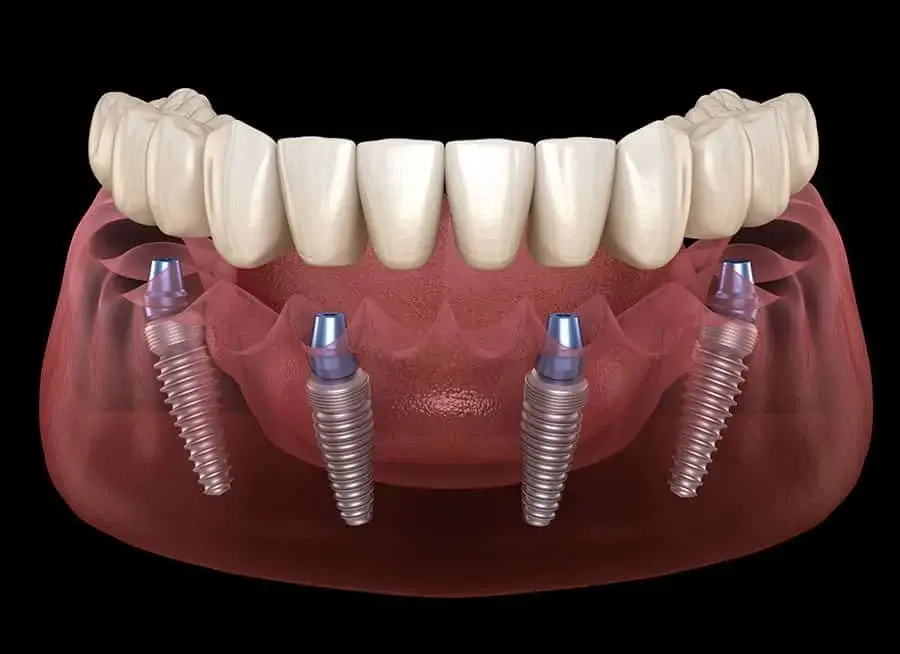
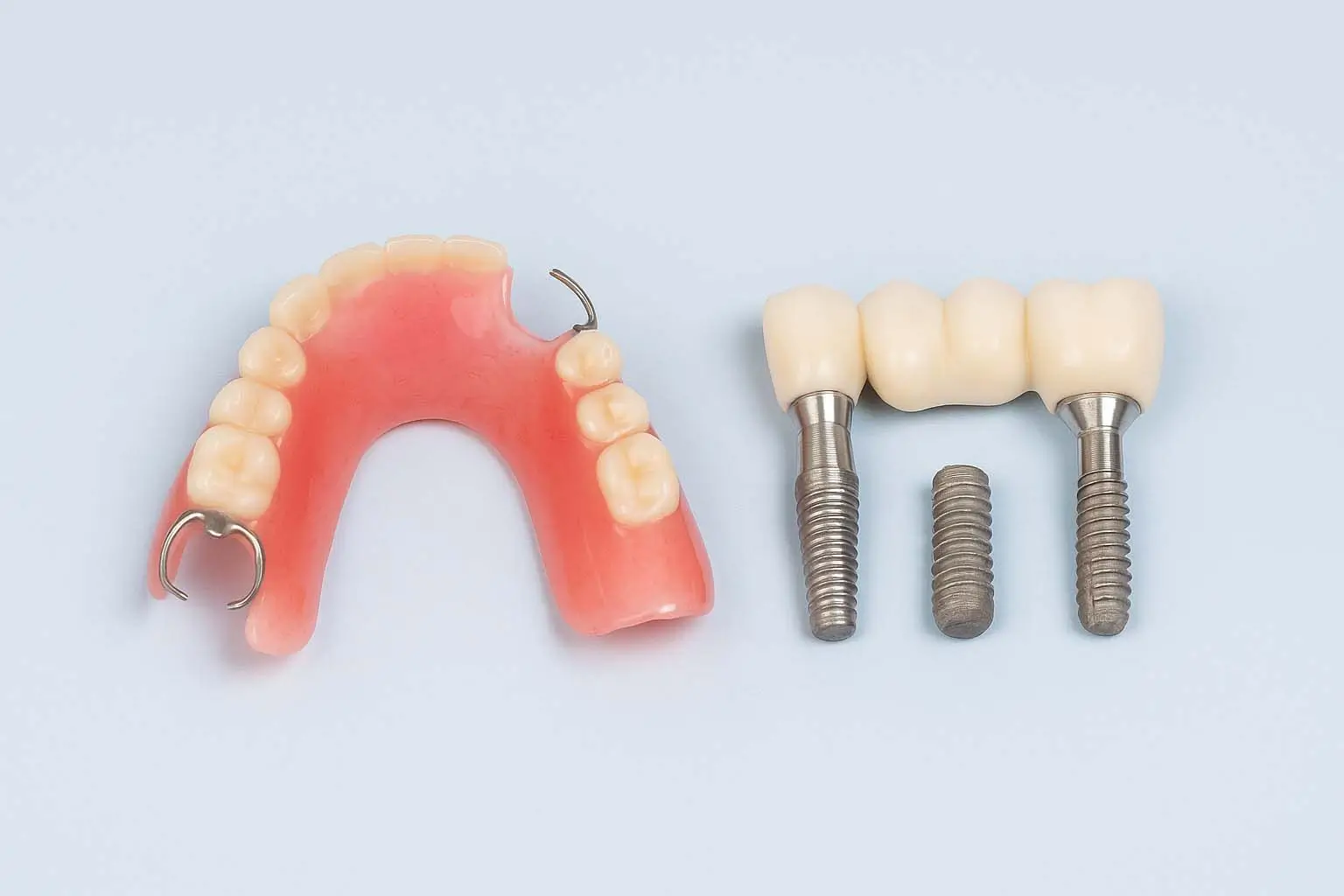
Dental implants have become one of the most popular solutions for replacing missing teeth in Thailand. They look natural, feel comfortable, and can last for many years with proper care. But for people who grind their teeth—a condition known as **bruxism**—the question often arises: *Is it safe to get dental implants if you grind your teeth?*
This is a common concern, especially in places like Bangkok, Chiang Mai, or Phuket, where dental tourism is booming, and more locals and expats are turning to implants as a long-term solution. Let’s break it down in a way that’s easy to understand, so you can make an informed decision before visiting your dentist.
---
### Understanding Teeth Grinding (Bruxism)
Bruxism happens when you grind or clench your teeth, often without even realizing it. Some people do it in the daytime due to stress, but for many, it occurs at night during sleep.
Typical signs include:
- Worn down teeth
- Jaw soreness or headaches upon waking
- Tooth sensitivity
- Clicking sounds in the jaw
While mild grinding might not cause serious harm right away, severe or chronic bruxism can be damaging—not only to your natural teeth but also to dental treatments like crowns, veneers, and implants.
---
### How Bruxism Affects Dental Implants
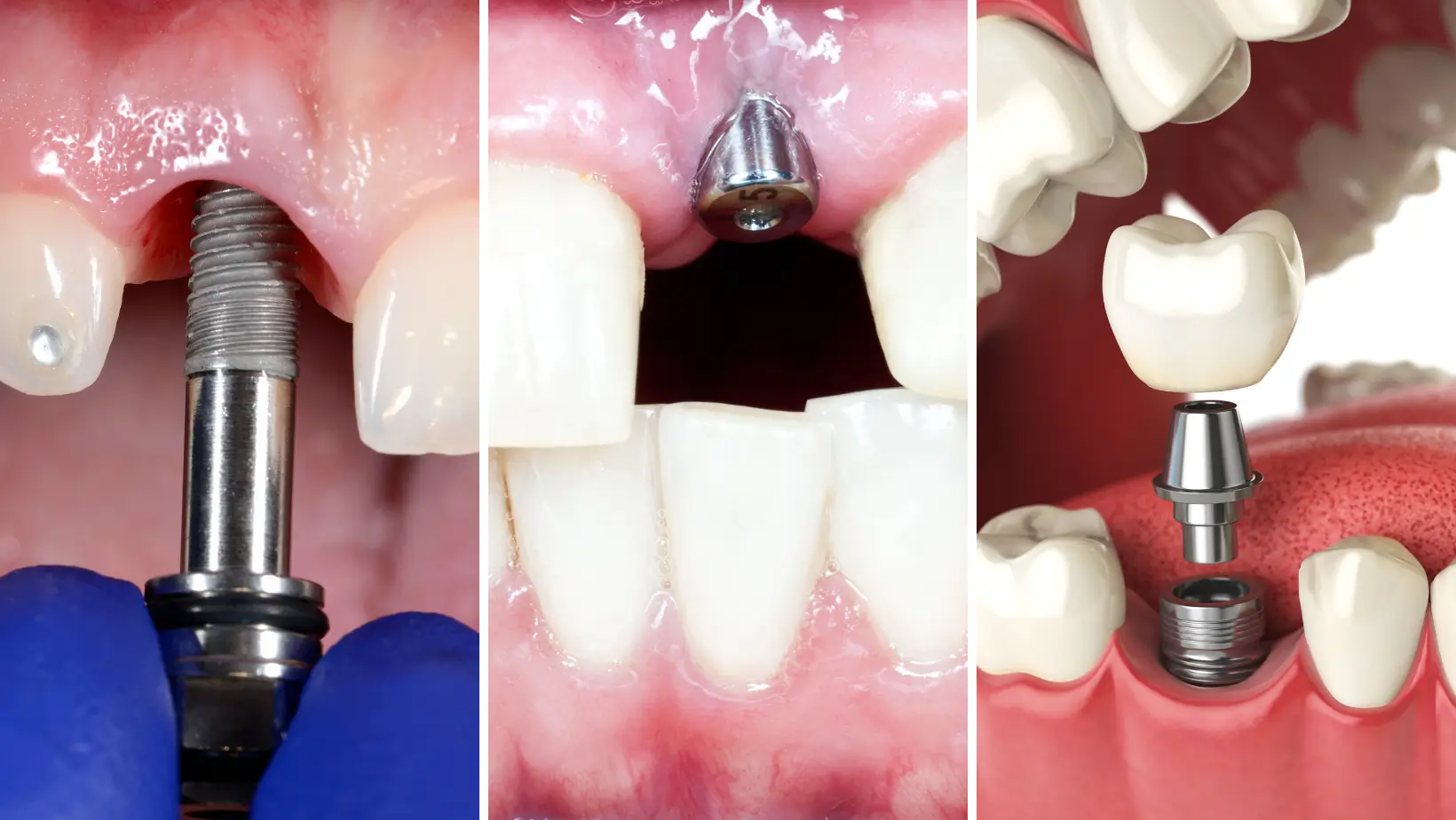
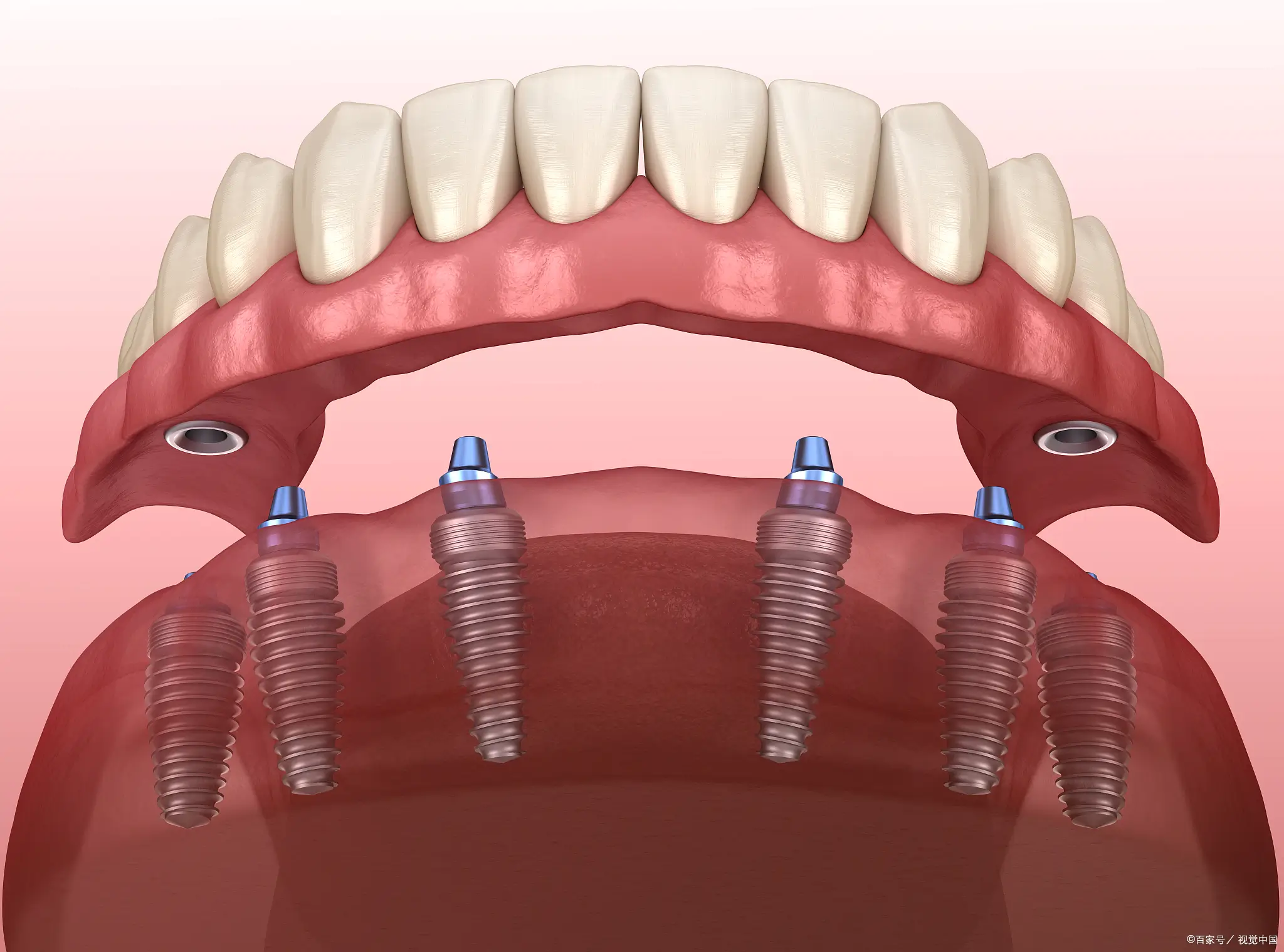
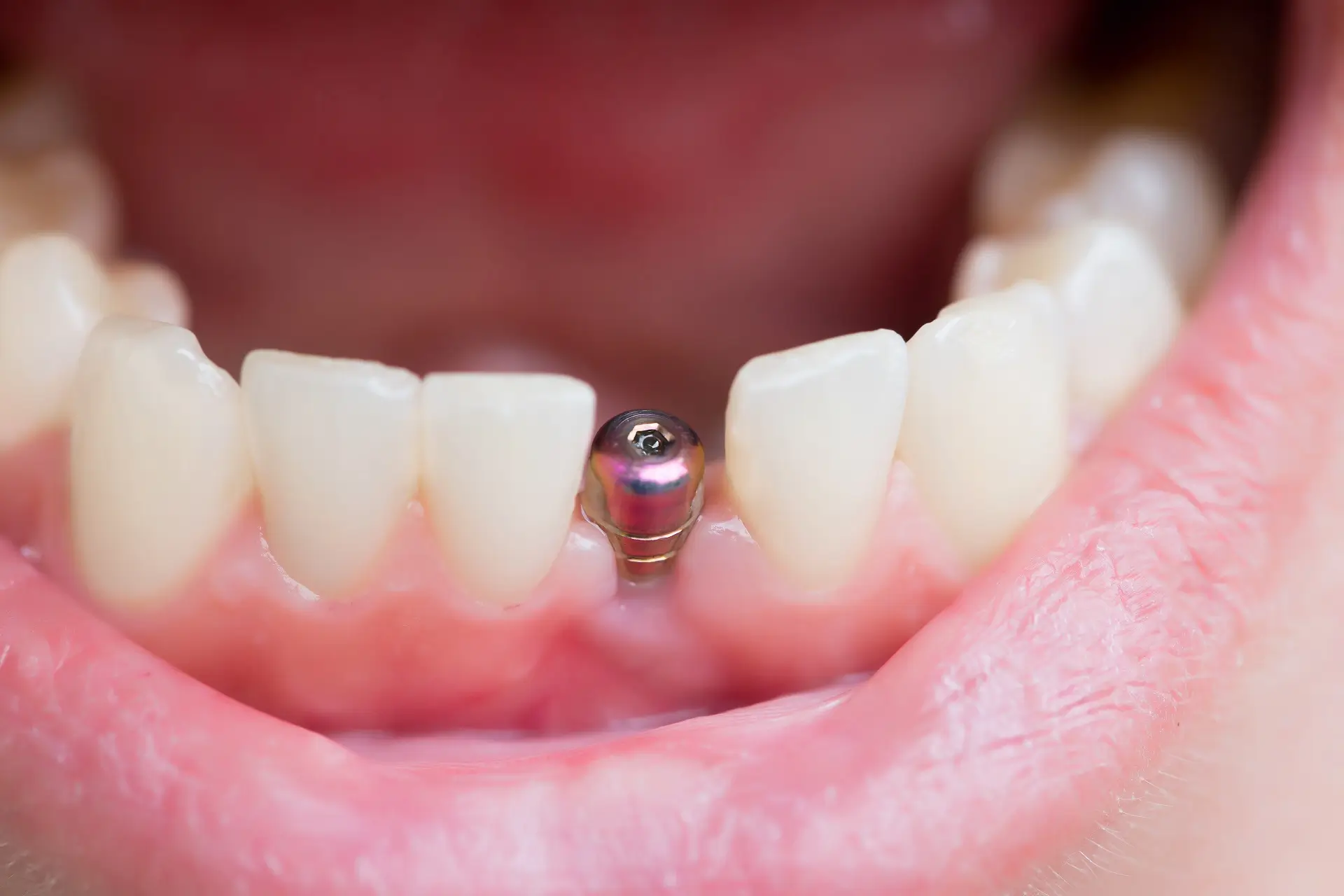
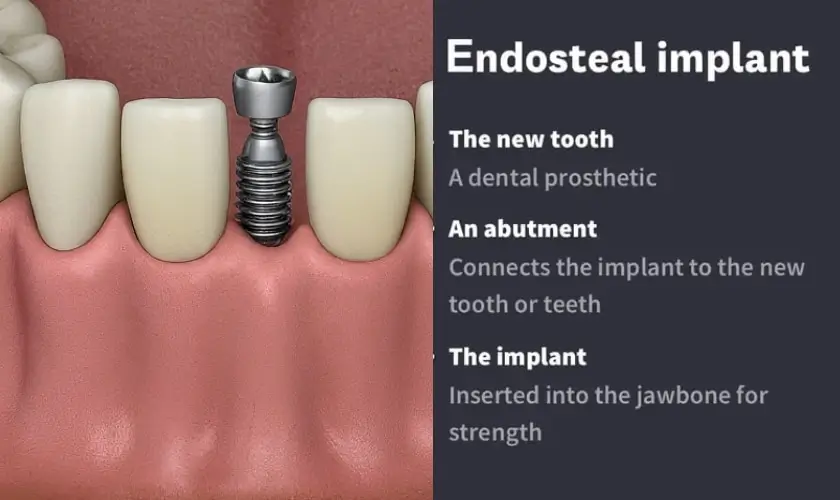
Dental implants are anchored directly into your jawbone and designed to withstand normal chewing forces. However, teeth grinding can put **excessive pressure** on the implant and surrounding bone. This may lead to complications such as:
1. **Loosening of the Implant** – Too much force over time can affect the stability of the implant.
2. **Bone Loss Around the Implant** – Continuous grinding can stress the bone and reduce its density.
3. **Fracturing of the Prosthetic Crown** – The visible part of your implant, usually porcelain, can crack under intense bite pressure.
For people in Thailand who enjoy crunchy foods—whether it’s deep-fried snacks, crispy pork belly, or sticky rice—implant durability becomes even more important.
---
### Can You Still Get Dental Implants If You Grind Your Teeth?
The short answer is: **Yes, you can—but with precautions.**
Many dentists in Thailand have experience treating patients with bruxism, and they know how to adapt implant procedures to suit your situation. A few possible approaches include:
- **Night Guards** – A custom-fitted night guard can protect both natural teeth and implants from excessive grinding at night.
- **Implant Material Choices** – Stronger crowns, such as zirconia instead of porcelain, can better withstand grinding forces.
- **Bite Adjustment** – Your dentist may fine-tune your bite alignment to reduce strain on the implants.
- **Stress Management** – Since stress can trigger grinding, lifestyle adjustments like yoga or meditation
can be surprisingly effective.
---
### Steps to Take Before Getting Implants
If you grind your teeth and are considering implants, here are some steps that many Thai dentists recommend before the procedure:
1. **Discuss Your Bruxism Honestly**
Even if you’re not sure whether you grind your teeth, mention symptoms like jaw discomfort or tooth wear. Dentists may suggest a sleep study or examination.
2. **Treat Any Existing Dental Issues**
Cavities, gum disease, or worn-down teeth should be addressed first to ensure a healthy foundation for your implant.
3. **Strengthen Your Jawbone**
In cases of bone loss, dentists might recommend bone grafting before implant placement to improve support.
4. **Start Wearing a Protective Appliance**
Using a night guard before implant surgery can help you get used to it, making it easier to continue after the implant is placed.
---
### Life After Getting Implants
Once your implant is placed, care doesn’t stop there. People in Thailand who grind their teeth should commit to a **regular check-up schedule**—every 6 months is ideal. This allows your dentist to:
- Monitor implant stability
- Check for wear on the crown
- Adjust your bite if needed
- Replace or repair protective gear
Developing a habit of wearing a night guard consistently is key. For many patients, it becomes just another part of the bedtime routine, like brushing teeth or drinking a glass of water.
---
### Why Early Action Matters
Ignoring bruxism can shorten the lifespan of your dental implant. In Thailand, dental implants are not cheap—prices can vary from THB 60,000 to 80,000 per tooth in private clinics. Protecting that investment makes sense.
Moreover, a failed implant means more procedures, more recovery time, and possibly even higher costs. By addressing the grinding issue early, you give your implant the best chance to last for decades.
---
### Final Thoughts
Yes, it is possible to get dental implants even if you grind your teeth—but it requires extra attention and a strong prevention plan. In Thailand, dentists approach bruxism with a combination of modern technology, patient education, and practical lifestyle advice.
The most important thing is to **be proactive**. If you suspect you grind your teeth, don’t wait until damage occurs. With the right protective measures, you can enjoy the benefits of a beautiful, stable smile, whether you’re sipping iced coffee on the streets of Bangkok or enjoying fresh seafood by the beach in Krabi.
---
If you’re considering implants and know you have bruxism, book an appointment with a trusted dentist. Let them guide you through a tailored plan that keeps both your implant and your overall oral health in top shape. That way, you can smile with confidence—without worrying about your teeth grinding away your investment.