Why Bone Density Matters Before Getting Dental Implants
Why Bone Density Matters Before Getting Dental Implants
**Why Bone Density Matters Before Getting Dental Implants**
If you’re thinking about getting dental implants in Thailand, you’re probably imagining that perfect smile and the confidence it brings. Dental implants are one of the most effective ways to replace missing teeth because they look, feel, and function like natural teeth. However, success with dental implants depends on more than just choosing a good dentist or clinic—it also depends greatly on something many people don’t think about: bone density.
Bone density plays a critical role in the process of placing dental implants, and understanding why it matters can help you prepare better, avoid complications, and achieve a long-lasting result.
---
### **What is Bone Density?**
Bone density refers to the amount of bone tissue in a certain volume of bone. In simple terms, it’s about how strong and thick your bone is. When it comes to dental implants, the jawbone needs to be strong enough to hold the implant securely, allowing it to integrate properly through a process called *osseointegration*.
In Thailand, dentists will often perform a detailed examination—sometimes including 3D scans—to measure the bone density in your jaw. This step is essential because even if the gums look healthy, the jawbone beneath could be too thin or too weak to support an implant.
---
### **Why Bone Density is Important for Dental Implants**
1. **Support and Stability**
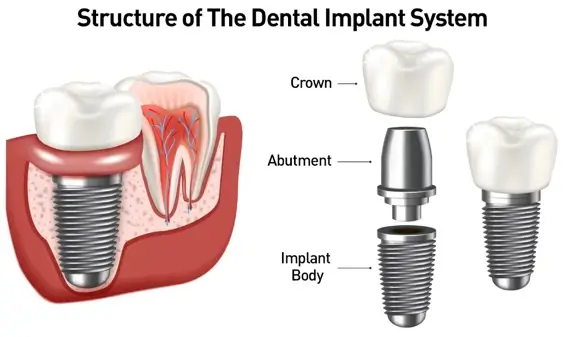
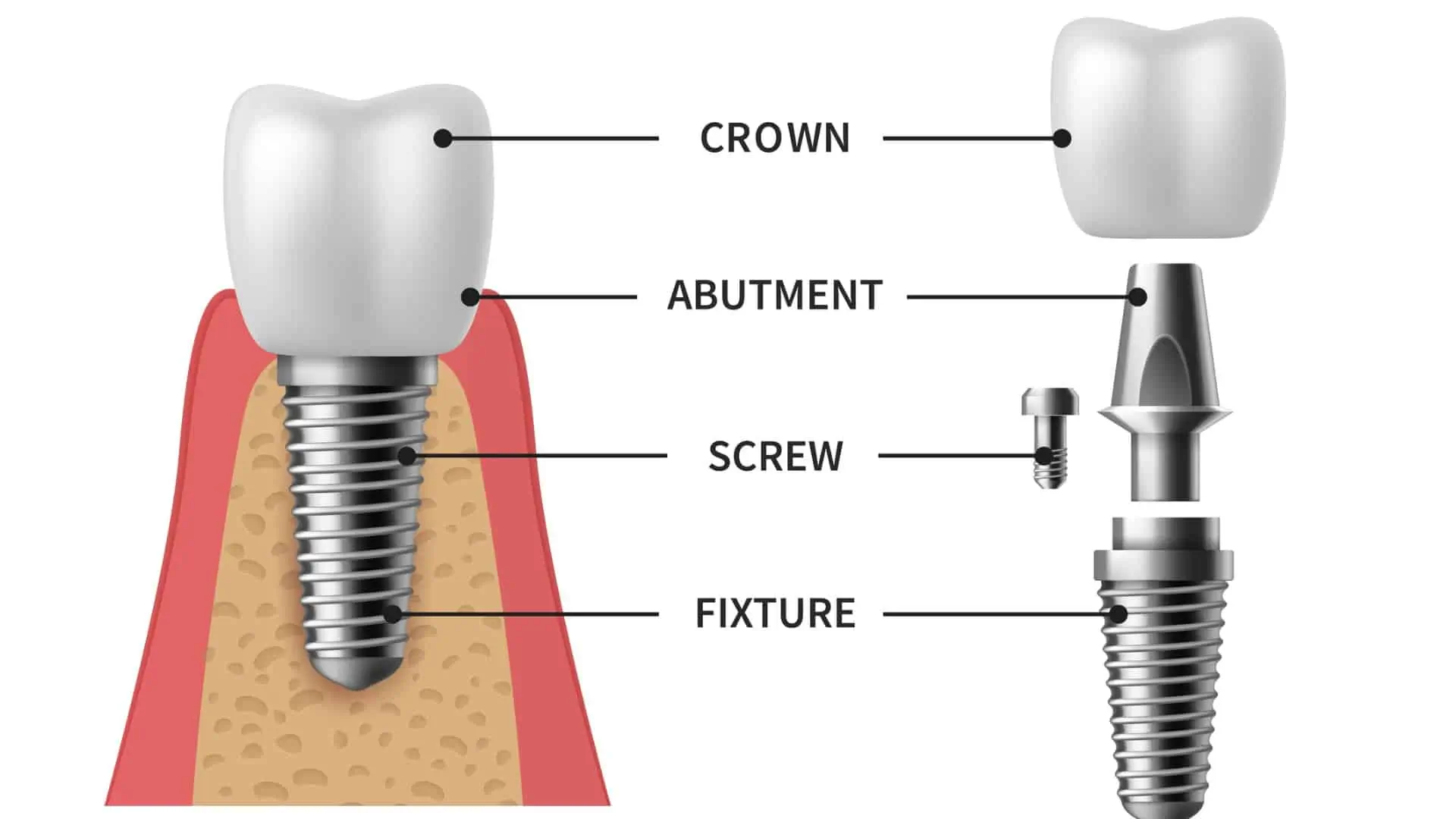
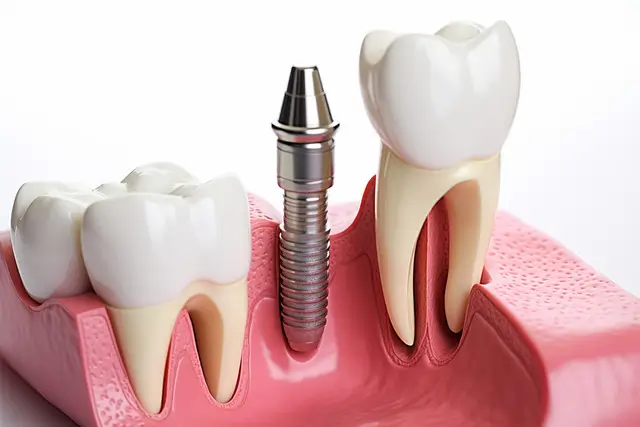
Dental implants act as artificial tooth roots, and they need to be firmly anchored into the jawbone. Strong bone ensures stability, meaning the implant stays in place without excessive movement during chewing or speaking.
2. **Successful Healing Process**
After the implant is placed, it takes several months for the bone to fuse to the implant surface. If the bone density is too low, healing may be slower or incomplete, increasing the chance of failure.
3. **Long-Term Durability**
A good foundation means the implant is less likely to loosen over time. Patients with low bone density might find their implants wearing out sooner or facing complications.
4. **Avoiding Additional Procedures**
If the bone density is insufficient, you might need a bone graft before implant placement. While bone grafting is a common and safe procedure in Thailand, it adds to the treatment time and cost.
---
### **Factors That Affect Jawbone Density**
Several factors can influence the density of the bone in your jaw:
- **Tooth Loss and Bone Resorption**
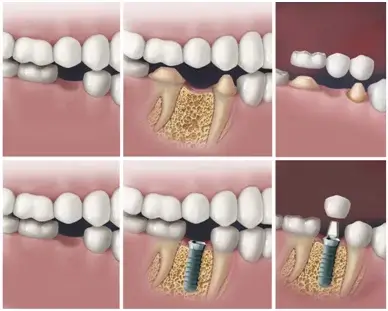
When a tooth is lost and not replaced quickly, the jawbone in that area starts to shrink because it no longer receives stimulation from chewing. This bone loss can begin within months and continue over the years.
- **Aging**
As we get older, bone density naturally reduces. This is why older patients may need more careful evaluation before getting implants.
- **Health Conditions**
Conditions like osteoporosis, diabetes, or
periodontal disease can affect bone strength and healing ability.
- **Lifestyle Habits**
Smoking, poor diet, and lack of exercise can slow down bone regeneration and reduce overall bone health.
---
### **Checking Bone Density Before Implants in Thailand**
If you visit a dental clinic in Bangkok, Chiang Mai, Phuket, or other cities, the dentist will likely arrange a cone beam CT scan or panoramic X-ray. These modern technologies allow them to see not only the height and thickness of your jawbone but also the quality of the bone tissue.
During your consultation, it’s common for Thai dentists to explain the results clearly and suggest the best treatment plan, including whether you might need bone grafting or other preparatory procedures.
---
### **Bone Grafting Explained**
Bone grafting is a procedure that adds volume and strength to your jawbone. In Thailand, this can be done using:
- **Natural bone from your own body** (autograft)
- **Bone from a donor source** (allograft)
- **Synthetic bone materials**
It might sound intimidating at first, but bone grafting is routine and usually done under local anesthesia. After recovery, your bone will be stronger, giving a better foundation for implant placement.
---
### **How to Maintain and Improve Bone Density Naturally**
Even if your bone density is good, taking steps to maintain it will help ensure your implants last for many years. Here are some practical tips:
1. **Eat a Balanced Diet**
Ensure your meals include calcium-rich foods like milk, yogurt, and leafy green vegetables, along with vitamin D from sunlight or supplements. Thai cuisine offers many natural bone-friendly ingredients, such as sesame seeds and fish.
2. **Stay Active**
Weight-bearing exercise, like walking or light resistance training, stimulates bone growth and keeps it strong.
3. **Quit Smoking**
Smoking slows healing and reduces blood supply to the bones, increasing the risk of implant failure.
4. **Regular Dental Check-Ups**
Regular visits to your dentist will help monitor your oral health and bone condition, catching any issues early.
---
### **Final Thoughts**
Bone density is one of the essential factors that determine whether dental implants will be successful. In Thailand, where dental tourism is popular, clinics are well-equipped to measure and enhance your bone health before placement. By understanding the importance of bone density, you can make informed decisions, avoid unnecessary risks, and invest in dental implants that not only look beautiful but also stand the test of time.
If you’re considering dental implants, start by booking a consultation at a reputable dental clinic. They will check your bone density, discuss possible options, and guide you through every step—from preparation to the confident smile you’re dreaming of.
Strong bones mean strong implants, and strong implants mean a stronger, happier you.