Best Post-Implant Care Tips Recommended by Dentists
Best Post-Implant Care Tips Recommended by Dentists
**Best Post-Implant Care Tips Recommended by Dentists**
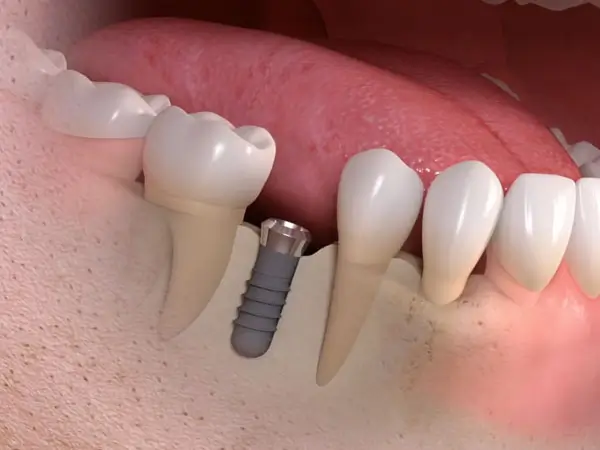
Dental implants have become an increasingly popular solution for people in Thailand who want a natural-looking and long-term replacement for missing teeth. They not only restore your smile, but also improve chewing and speech—making daily life more comfortable and confident. However, getting an implant is only half the journey. The real success relies on how well you take care of it afterward. Dentists across Thailand often emphasize that post-implant care plays a huge role in ensuring its longevity and preventing complications.
If you’ve recently had a dental implant or are planning to get one, here are some practical, dentist-recommended post-implant care tips that are easy to follow and effective.
---
### 1. Follow Your Dentist’s Instructions Exactly
After your implant surgery, your dentist will provide specific aftercare guidelines tailored to your condition. This may include advice on oral hygiene, eating habits, and medication. Because every patient’s mouth is different, it’s important not to rely on general advice alone—your dentist’s instructions take priority.
For example, in Thailand, some dentists recommend avoiding hot and spicy food immediately after surgery as it can irritate the wound and slow down healing. Others might suggest using saline rinses to keep the area clean. Following this personalized care can help prevent infection and promote faster recovery.
---
### 2. Keep Your Mouth Clean, But Be Gentle
Maintaining good oral hygiene is critical for implant success. For the first few days after surgery, you should avoid aggressive brushing near the implant site. Instead, use a soft-bristled toothbrush and brush gently to avoid damaging healing tissues.
A common practice recommended by dentists here is rinsing with warm salt water two to three times a day, especially after meals. This traditional method, still popular in Thailand, helps reduce bacteria and soothe the gums without harsh chemicals. Just make sure the water is not too hot.
---
### 3. Watch Your Diet Carefully
Right after your implant procedure, choose soft and easy-to-chew foods. Soups, mashed potatoes, boiled eggs, and smoothies are great options. Hard, sticky, or crunchy foods—like sticky rice or fried nuts—can put unnecessary pressure on the implant and interfere with healing.
Many Thai dentists suggest waiting at least a week before reintroducing crunchy vegetables, grilled meats, or spicy dishes. Even when you start eating normally, try to chew on the opposite side of your mouth until your dentist confirms the implant has fully integrated.
---
### 4. Avoid Smoking and Excessive Alcohol
Smoking is known to slow healing and increase the risk of implant failure by reducing blood flow to the gums. In Thailand, where social gatherings sometimes include alcohol, it’s important to know that excessive drinking can also affect recovery and your overall oral health.
Dentists recommend staying away from cigarettes completely during the healing period. If quitting is a challenge, talk to your dental clinic about available support programs—they can guide you to healthier habits, which will benefit your implant and entire mouth.
---
### 5. Manage Discomfort Prop
erly
Mild pain, swelling, and bruising are normal for a few days after implant surgery. Dentists often advise using cold compresses on the outside of your cheek to reduce swelling. Over-the-counter pain relief, taken as instructed, can make you more comfortable.
In Thailand, many people also use herbal compresses or cooling gels for relief, but it’s important to confirm with your dentist before trying home remedies. Not all traditional methods are appropriate for oral wound healing.
---
### 6. Attend All Follow-Up Appointments
Your dentist will schedule follow-up visits to monitor your implant’s progress. Even if you feel fine, these appointments are essential—they allow your dentist to check for signs of infection, proper bone integration, and overall oral health.
Skipping check-ups could mean missing early warning signs of problems like peri-implantitis, which can lead to implant failure if untreated. In Thailand’s leading dental clinics, follow-ups are often scheduled two weeks after implant placement, and then every few months during the first year.
---
### 7. Adopt a Long-Term Oral Care Routine
Dental implants can last decades with proper care, but they’re not completely immune to gum disease or decay of surrounding teeth. Dentists in Thailand highlight the need for a consistent routine: brushing at least twice daily, flossing or using interdental brushes, and rinsing with an antibacterial mouthwash.
If you enjoy Thai street food or sweet desserts such as mango sticky rice, make sure to clean your teeth soon afterward to prevent plaque buildup. A healthy mouth will help your implant stay stable and functional for years.
---
### 8. Protect Your Implant During Activities
If you play sports or practice martial arts, wearing a mouth guard is an easy way to prevent injuries. High-impact activities can damage implants just as they can natural teeth. Discuss with your dentist about getting a custom mouth guard for better comfort and protection.
---
### 9. Stay Healthy Overall
Healing after dental implant surgery isn’t just about your mouth—it depends on your overall health. A balanced Thai-style diet with plenty of vegetables, fish, and rice can help provide the nutrients needed for tissue repair. Adequate sleep and regular exercise also help your body recover more efficiently.
For people with chronic conditions such as diabetes, managing your health is crucial because it can affect healing time and the success rate of the implant. Be sure to inform your dentist about any ongoing health issues so they can adjust care accordingly.
---
**Final Thoughts**
Dental implants are a fantastic way to restore your smile and enjoy the confidence that comes with healthy teeth. However, the key to their long-lasting success lies in how well you care for them afterward. By following the advice of experienced Thai dentists—maintaining cleanliness, making careful food choices, avoiding harmful habits, and attending regular check-ups—you can ensure your dental implant stays strong and beautiful for many years.
Remember, an implant is an investment not just in your appearance, but also in your health. Treat it with care, and it will serve you well every time you smile, speak, and enjoy your favorite meals.