What Happens If You Delay Implant Surgery After Tooth Loss
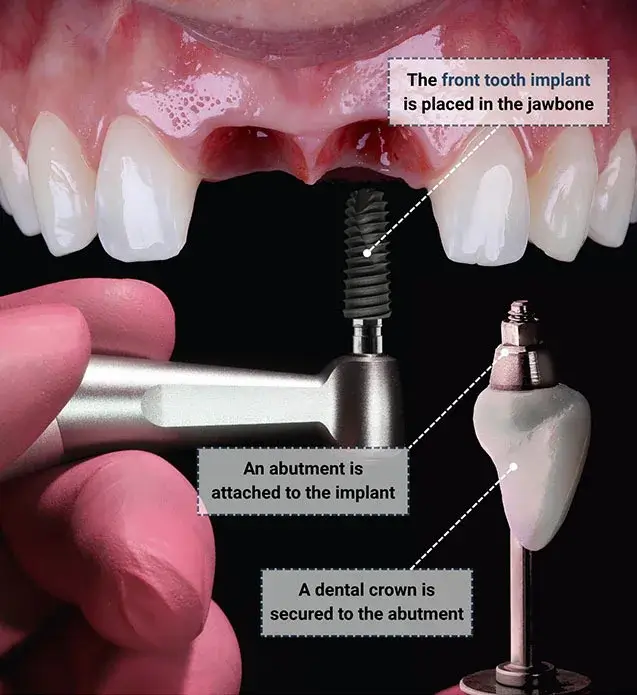
What Happens If You Delay Implant Surgery After Tooth Loss
**What Happens If You Delay Implant Surgery After Tooth Loss**
Losing a tooth can be a stressful experience, whether it happens suddenly due to an accident or gradually because of decay or gum disease. Many people in Thailand, and around the world, often choose to delay dental implant surgery, either because of budget concerns, fear of the procedure, or simply thinking it’s not urgent. However, postponing implant placement can lead to several oral health problems that may make future treatment more complicated, more expensive, and less effective.
In this article, we will take a closer look at what happens when implant surgery is delayed, why timing is important, and what options you might consider if you cannot proceed right away.
---
### **1. Bone Loss in the Jaw**
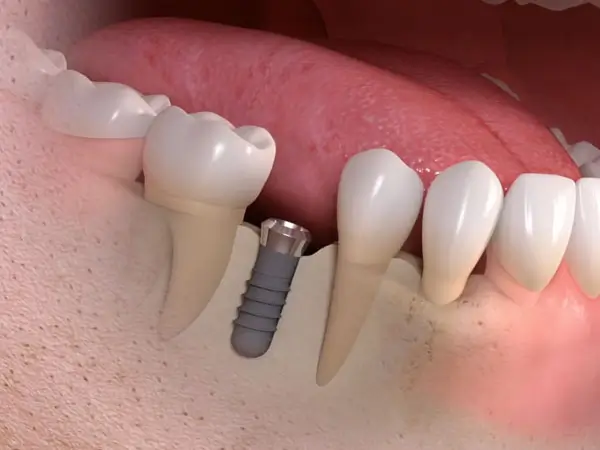
When you lose a tooth, the root is no longer stimulating the jawbone. This stimulation is vital in keeping the bone healthy and strong. Without it, the body begins to reabsorb bone tissue in the affected area. In Thailand, dentists often explain this to patients by comparing it to muscles—when you don’t use them, they get weaker. Similarly, unused jawbone shrinks over time.
The longer you wait before replacing the tooth with an implant, the more bone loss can occur. Eventually, the bone may become too thin to support an implant without additional surgery, such as a bone graft. This not only increases treatment time but also costs you more in the long run.
---
### **2. Shifting of Nearby Teeth**
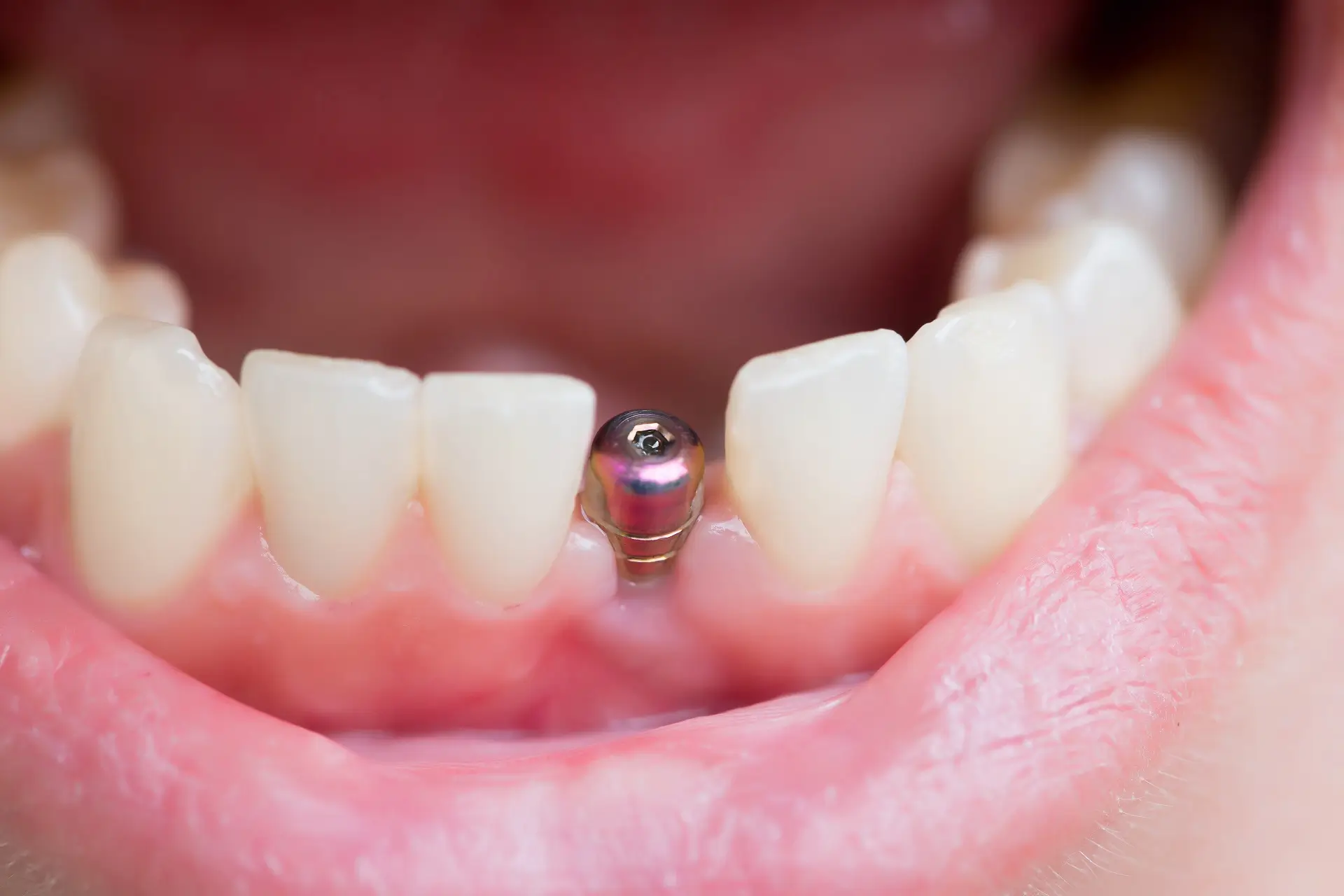
Teeth naturally work together to maintain proper alignment. When a gap is left untreated, nearby teeth begin to move into the empty space. This can lead to misalignment, bite problems, and even jaw discomfort. In Thailand, many people notice this when they suddenly find chewing feels “different” or certain teeth feel more sensitive. Once teeth shift, restoring proper spacing may require orthodontic treatment before an implant can be placed.
---
### **3. Changes in Facial Appearance**
One of the less talked-about effects of tooth loss is how it changes facial structure over time. As the jawbone shrinks, the skin around the mouth may begin to sag, making you look older than you are. Losing several teeth without replacing them can cause noticeable changes in the shape of your face. For many people, especially in urban areas like Bangkok or Chiang Mai where appearance is important in social and professional life, this becomes a key reason for considering timely dental implants.
---
### **4. Difficulty Chewing and Eating**
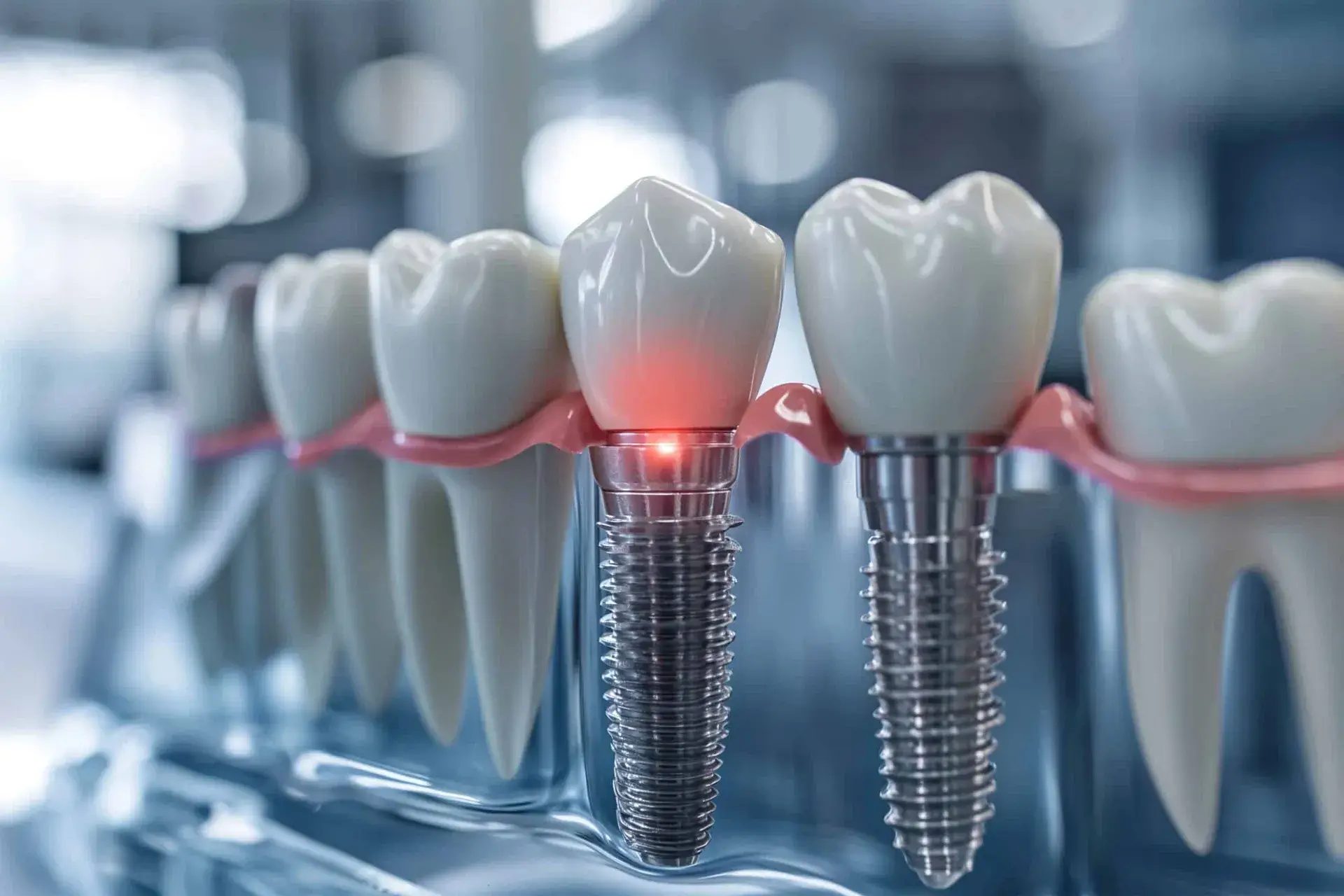
Missing teeth make chewing certain foods harder. You might find yourself avoiding tougher meats, raw vegetables, or sticky dishes—popular in Thai cuisine—because they are uncomfortable to eat. Over time, this can affect your nutrition and overall health. A dental implant functions like a natural tooth, restoring your ability to enjoy a full range of foods without worry.
---
### **5. Increased Risk of Gum Problems**
When a gap is left open, food particles and bacteria can accumulate more easily in the area, increasing the risk of gum inflammation or periodontal disease. Gum problems can further damage your oral health and may even delay implan
t treatment because healthy gums are crucial for supporting the implant.
---
### **Why Timing Matters**
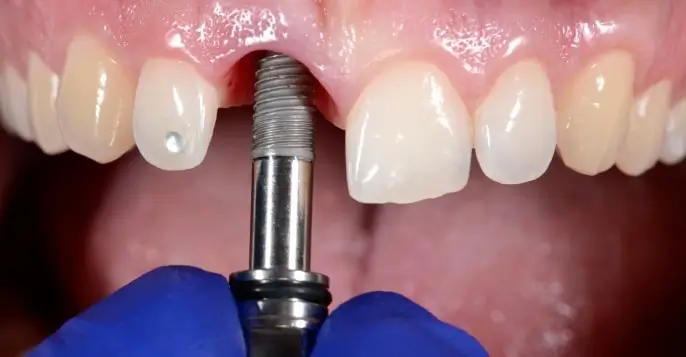
Dental professionals generally advise placing an implant within a few months after tooth loss. This time frame helps prevent excessive bone recession and maintains the spacing of surrounding teeth. In cases where immediate surgery isn’t possible, a temporary solution such as a partial denture or a dental bridge can help maintain function and aesthetics until a permanent implant can be placed.
However, delaying for years might mean you need preparatory procedures before the actual implant. For example, in Thailand, many patients who wait too long must undergo bone grafting, which adds several months to the treatment period and increases expenses.
---
### **What If You Can’t Get an Implant Right Away?**
Life circumstances sometimes make immediate treatment difficult. If you need to delay, here are a few steps to help minimise long-term effects:
- **Choose a temporary replacement** – A removable partial denture can fill the gap and keep neighbouring teeth from shifting.
- **Maintain excellent oral hygiene** – Brush twice daily and floss regularly to protect gums and prevent infection.
- **Visit your dentist regularly** – This ensures your oral health is monitored, and any changes are addressed promptly.
- **Consider bone preservation techniques** – Some dentists offer socket preservation procedures after extraction to maintain bone volume until you are ready for an implant.
---
### **Cost vs. Health Considerations in Thailand**
While many people delay treatment because dental implants are considered a big investment, it’s worth noting that costs increase if complications develop from waiting too long. In Bangkok or Phuket, dental clinics sometimes offer promotions or instalment payment plans, making it more manageable to proceed sooner rather than later. By acting quickly, you’re not only protecting your smile but also avoiding extra procedures that drive up expenses.
---
### **The Emotional Impact**
Beyond the physical effects, living with missing teeth can affect your confidence in social and professional situations. Whether it’s avoiding smiling in photos or feeling self-conscious when speaking, tooth loss can have a subtle but real impact on daily life. Timely implant surgery can restore not just the function of your teeth but also your self-esteem.
---
### **Final Thoughts**
Delaying dental implant surgery after tooth loss can lead to bone loss, shifting teeth, changes in facial appearance, and other oral health issues that complicate future treatment. While financial or personal reasons may sometimes cause a delay, understanding the risks can help you make an informed decision. In Thailand’s dental care environment, options like payment plans, bone preservation techniques, and temporary restorations give patients more flexibility—but the best results come from acting promptly.
If you’ve recently lost a tooth, speak with a trusted dentist as soon as possible. The earlier you address the gap, the easier it will be to restore your smile, protect your health, and maintain your confidence for years to come.