How Weather and Climate Affect Implant Surgery Success
How Weather and Climate Affect Implant Surgery Success
**How Weather and Climate Affect Implant Surgery Success**
When planning for implant surgery, most people tend to focus on the skill of the surgeon, recovery time, and the cost involved. However, one important factor often overlooked is the role that weather and climate can play in both the surgery process and the healing journey afterward. In Thailand, where the climate is tropical and the seasons shift between hot, rainy, and cooler months, understanding these influences can help patients make smarter decisions to support the success of their implants.
### Why Climate Matters for Implant Surgery
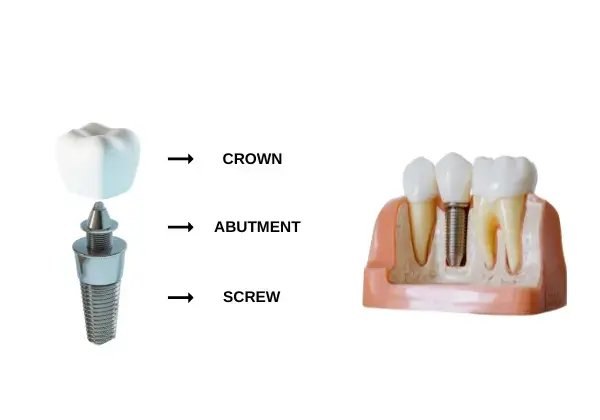
Implant surgery, whether dental or medical, involves precise procedures with healing phases that depend on the body’s ability to recover. Weather conditions have a direct effect on factors like inflammation, swelling, infection risk, and the patient’s comfort. While the procedure itself can be performed in controlled indoor environments, recovery often takes place at home, where temperature, humidity, and air quality play a bigger role.
In Thailand’s tropical climate, high humidity and heavy rainfall during the monsoon season can present unique considerations for post-op care. Similarly, extreme heat during summer months can stress the body and slow down the process of tissue repair.
### Hot Season: Managing Heat and Recovery
Thailand’s hot season usually runs from March to mid-May. During these months, the temperature can easily exceed 35°C, and heat combined with intense sunlight can make recovery a little more challenging.
Heat can increase fluid loss, leading to dehydration, which affects the body’s healing speed. Patients recovering from implant surgery should remember to drink plenty of water, avoid excessive sun exposure, and stay in cool, shaded environments. Air-conditioned rooms can help maintain comfort, but indoor air should not be too dry, as this can slow tissue regeneration.
Moreover, in hot weather, swelling after surgery might feel more uncomfortable due to heat-induced blood circulation changes. Gentle cold compresses, as recommended by the surgeon, can help reduce this discomfort.
### Rainy Season: Infection Prevention and Wound Care
The rainy season, usually from May to October, brings high humidity, frequent showers, and occasional flooding in certain areas. While rain itself will not directly affect an implant, the season’s humidity creates a friendlier environment for bacteria and fungi. For surgical wounds, especially in dental implants, trapped moisture can increase the risks of infection.
After surgery during the rainy months, patients should pay special attention to hygiene. Keeping the wound clean and dry, following prescribed antiseptic rinses, and attending follow-up appointments without delay can make a big difference. If travel to the clinic is difficult due to weather conditions, planning ahead and booking appointments during periods of lighter rainfall can help maintain consistent care.
Additionally, many people in Thailand rely on fan cooling instead of air-conditioning, but high-humidity air can slow drying of the wound area. Controlled indoor environments with stable humidity can support faster recovery.
### Cool Season: Comfort and Stable Healing
From
November to February, the cooler season offers mild temperatures and lower humidity, especially in regions like Chiang Mai. For many patients, this season feels more comfortable for recovery, as the body is not under heat stress and the risk of moisture-related infections reduces.
Dry and cool conditions allow wounds to heal at a steady pace, and outdoor activities become safer for patients who might need fresh air for emotional well-being. However, in certain parts of Thailand, especially in the north, cool season can bring occasional haze or smoke from agricultural burning. Poor air quality can irritate healing tissues in mouth or body implants. Patients should monitor local air conditions and avoid exposure when pollution levels are high.
### Why Timing Your Surgery Around the Weather Can Help
While modern surgical environments are equipped to manage temperature and humidity indoors, the recovery period is where climate has its greatest impact. Choosing a surgery date that aligns with favorable weather can reduce stress on your body and lower the chance of complications.
For example:
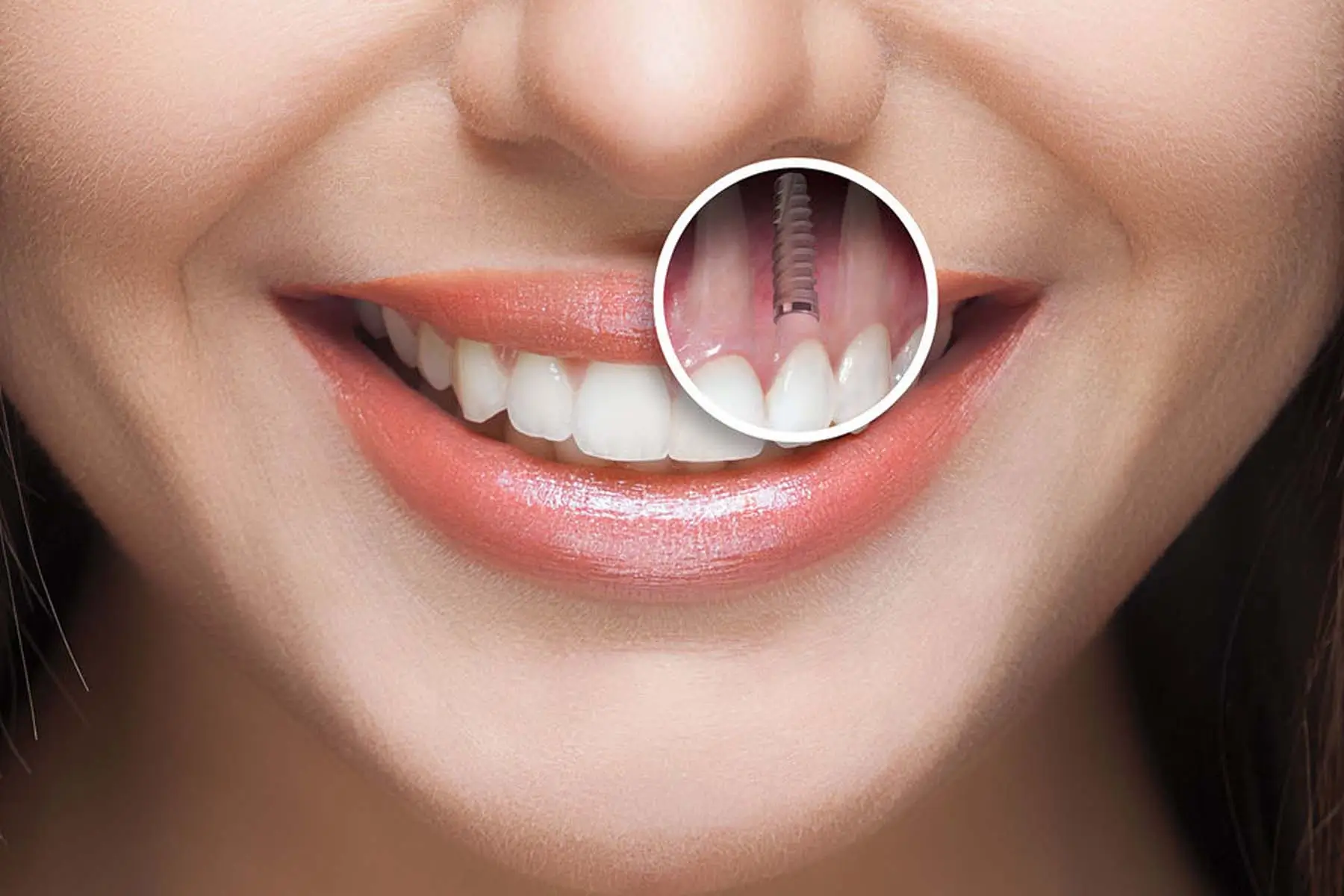
- **Dental implants** tend to heal faster when the patient is comfortable and hydrated, without excessive sweating.
- **Orthopedic or joint implants** benefit from stable weather, as post-op mobility and movement exercises can be done more easily without heat exhaustion or rain interruptions.
Patients who travel from abroad for surgery in Thailand often choose the cool season for better comfort and sightseeing during recovery. Locals may plan around avoiding peak heat or heavy rain, which could delay appointments.
### Tips for Weather-Wise Recovery in Thailand
1. **Stay Hydrated** – Whether hot or cool season, hydration is essential for healthy tissue repair.
2. **Control Indoor Climate** – Use air-conditioning during hot season and adjustable fans in cooler months, keeping humidity balanced.
3. **Follow Wound Care Instructions Closely** – Weather can influence healing speed, but proper hygiene prevents most complications.
4. **Plan Appointments Around Weather Forecasts** – Heavy rain can cause travel delays; avoid skipping important follow-ups.
5. **Protect Yourself from Pollution** – During haze season, use masks and stay indoors to avoid exposure that could slow recovery.
### Final Thoughts
In Thailand, weather and climate are not just background conditions—they can directly influence how your body responds to implant surgery and the healing process afterward. By recognizing the impact of hot temperatures, heavy rains, and even seasonal air quality changes, patients can prepare better and improve their chances of a smooth, successful recovery.
If you are considering implant surgery—whether dental, orthopedic, or cosmetic—it’s worth discussing with your surgeon the timing of the procedure in relation to the local climate. A little planning here can go a long way toward ensuring that the outcome meets your expectations and your recovery is as comfortable as possible.
Choosing the right season for your surgery, staying mindful of environmental factors, and carefully following your post-op care plan are all part of a smarter, more weather-conscious approach to achieving implant success in Thailand.