Does Jaw Shape Affect Dental Implant Success
Does Jaw Shape Affect Dental Implant Success
**Does Jaw Shape Affect Dental Implant Success?**
When it comes to dental health in Thailand, dental implants have become one of the most sought-after solutions for replacing missing teeth. They look natural, feel comfortable, and can last for many years with proper care. But for anyone considering implants, one common question often comes up — does the shape of your jaw really matter? The answer is yes, and understanding why can help you make the right decision for your dental treatment.
### **Understanding the Basics of Dental Implants**
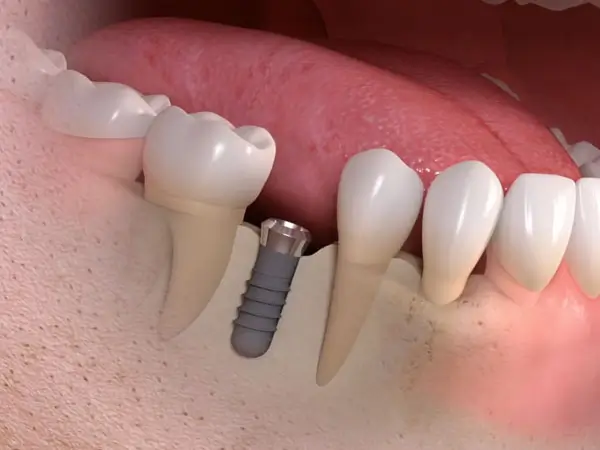
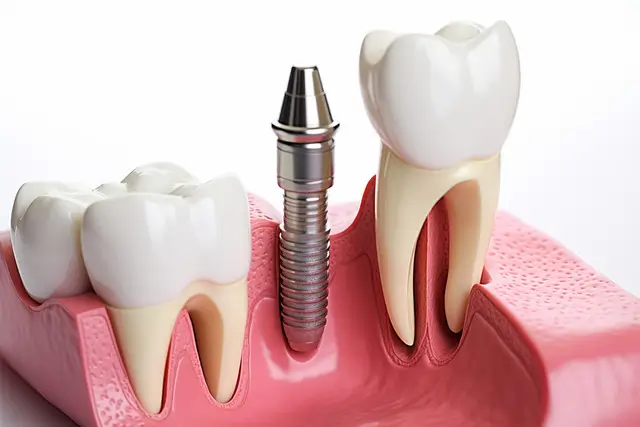
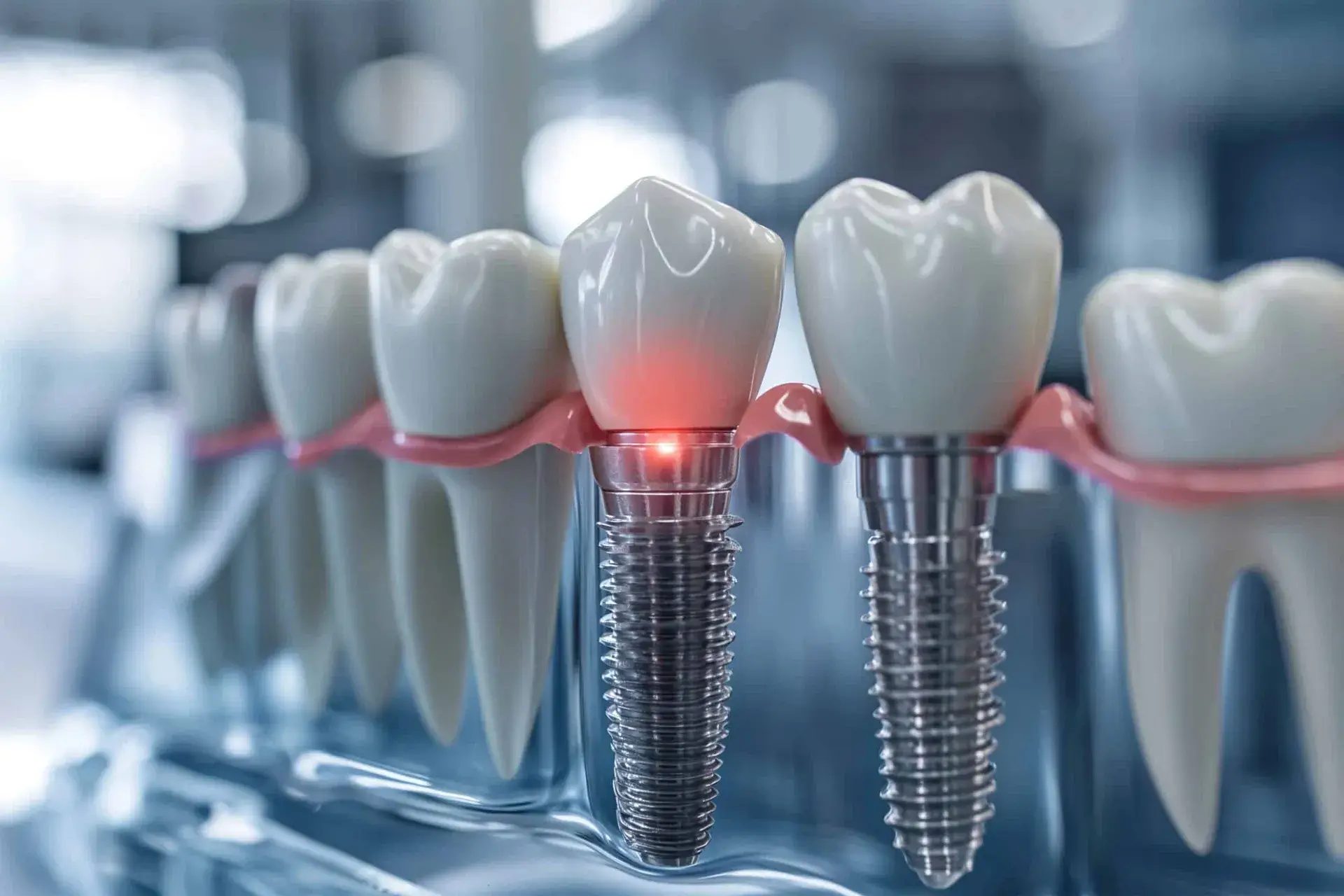
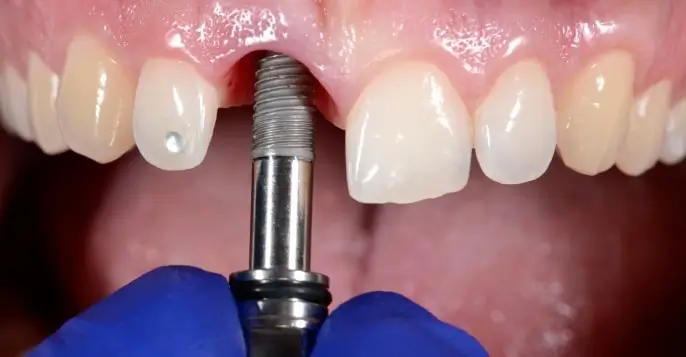
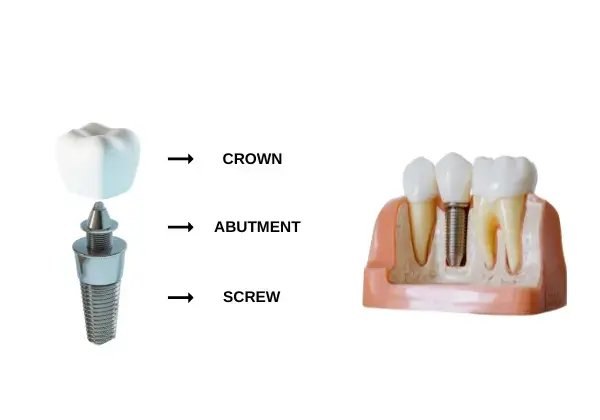
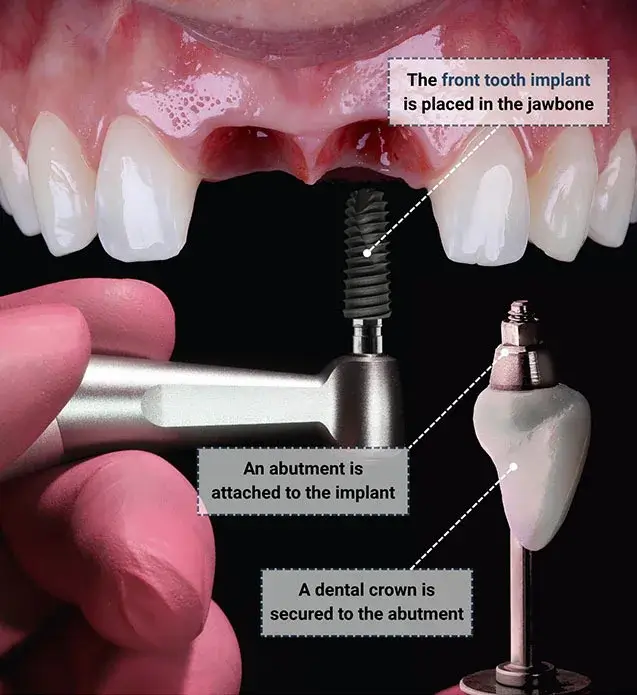
A dental implant is essentially an artificial tooth root, usually made of titanium, that is surgically placed into your jawbone. After the implant is set, a crown is attached, giving you a tooth that looks and functions like the real thing. This process requires a solid and healthy foundation in the jawbone to ensure the implant stays stable for the long term.
### **Why Jaw Shape Plays a Role**
Your jaw shape isn’t just about appearance — it affects the structure and thickness of the bone, which directly impacts how well an implant can fuse with the bone. A wide, strong jaw often has more bone volume, making it easier to place implants securely. On the other hand, a narrow jaw or certain irregular shapes may require additional preparation before the implant can be placed.
In Thailand, dentists often check your jaw shape during the first stage of consultation. They’ll use X-rays or 3D scans to see if your bone is thick enough and in the right position for the implant. This assessment is similar to checking the foundation of a house before building; without a solid base, even the most advanced materials won’t hold properly.
### **Bone Density Matters Too**
Jaw shape and bone density often go hand-in-hand. Bone density refers to how strong and compact your jawbone is. Patients with naturally higher bone density usually experience faster healing and stronger implant stability. However, if your jawbone has thinned over time, perhaps due to tooth loss, gum disease, or aging, it can affect the success rate of the implant.
It’s quite common in Thailand for patients to lose bone density when they delay replacing missing teeth. Without stimulation from chewing, the bone in that area starts to shrink. This is why dentists sometimes recommend getting an implant as soon as possible after losing a tooth, especially if your jaw shape is already not ideal.
### **Solutions for Challenging Jaw Shapes**
The good news is, even if your jaw shape isn’t perfect, modern dental technology offers solutions. Bone grafting is one common method in many Thai dental clinics, where extra bone material is added to strengthen and reshape the jaw. This procedure helps create a more suitable surface for the implant.
In cases where the upper
jaw is affected, a sinus lift might be recommended. This procedure adds bone to the upper jaw and raises the sinus floor, allowing more space for a stable implant. While these treatments add a bit more healing time, they greatly increase the chances of long-term success.
### **The Role of Bite Alignment**
Jaw shape can also influence your bite alignment — how your upper and lower teeth meet. Proper bite alignment is important because uneven chewing pressure can stress the implant, leading to potential problems down the line. Thai dentists often consider both jaw structure and bite position before planning your treatment to make sure everything works in harmony.
If your bite is misaligned, orthodontic treatment may be recommended before placing implants. This ensures that the new tooth fits naturally into your dental structure and avoids unnecessary strain.
### **Lifestyle Factors in Thailand**
Lifestyle choices can also affect how jaw shape interacts with implant success. Smoking, for instance, reduces blood flow to the gums and slows healing. Certain popular foods in Thailand, like sticky rice or hard fruits such as guava, may put extra pressure on implants if not chewed carefully during the recovery stage. Ensuring you follow your dentist’s advice on eating habits after surgery can make a big difference.
### **Preventive Care and Long-Term Maintenance**
Whether your jaw shape is ideal or needs some preparation, good oral hygiene is critical for implant success. This means regular brushing, flossing, and routine dental check-ups. In Thailand, many clinics offer affordable cleaning packages, making it easier for patients to keep their implants and natural teeth healthy.
It’s also important to protect your jaw from injury. Sports and physical activities are common here, especially in coastal provinces where beach sports are popular. Wearing a mouthguard during these activities can reduce the risk of trauma to your jaw and implants.
### **Final Thoughts**
Jaw shape does play an important role in the success of dental implants. A strong, well-shaped jaw offers a better foundation for the implant, while irregular shapes may require additional procedures to prepare the bone. With modern dental technology and skilled dentists available across Thailand, most patients can still achieve excellent results, no matter their natural jaw shape.
If you’re considering dental implants, the best first step is to schedule a thorough consultation with a qualified dentist. They will assess your jaw using advanced imaging, discuss any necessary preparatory treatments, and create a personalized plan. By understanding how your jaw shape influences the process, you can approach your dental treatment with confidence and look forward to a healthier, more beautiful smile.