How to Tell If Your Dental Implant Is Fully Integrated
How to Tell If Your Dental Implant Is Fully Integrated
**How to Tell If Your Dental Implant Is Fully Integrated**
Dental implants have become increasingly popular in Thailand as a long-term solution for missing teeth. They look natural, feel strong, and can last for decades when properly maintained. However, one of the most important phases in your implant journey is *osseointegration*—the process where the implant fuses securely with your jawbone. Understanding whether your implant is fully integrated can help you enjoy the best results and avoid potential complications.
In this article, we’ll guide you through the signs that indicate your dental implant is fully integrated, what you can expect during recovery, and when to seek your dentist’s advice.
---
### What Does “Fully Integrated” Mean?
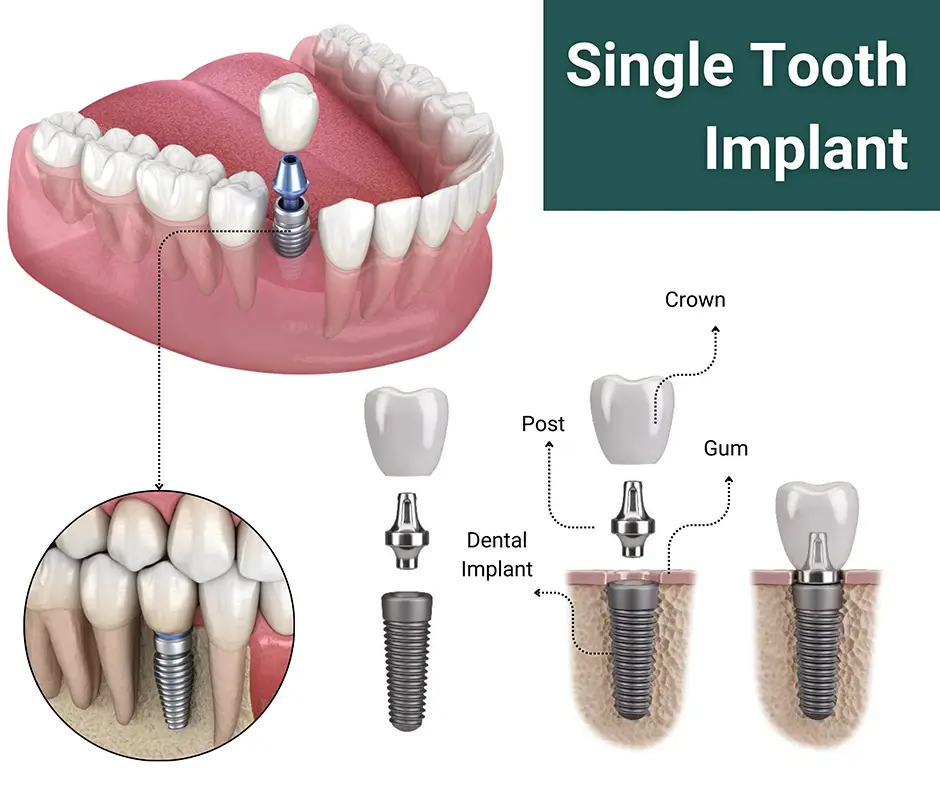
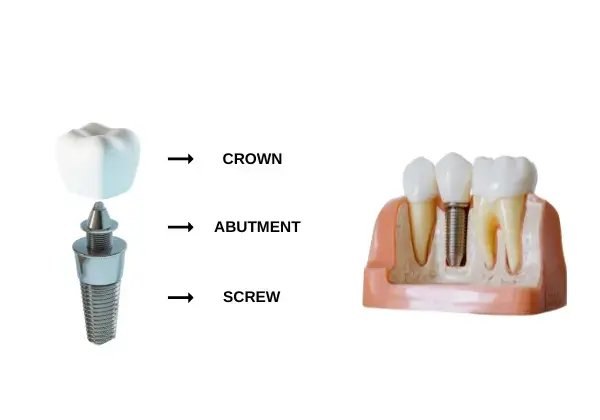
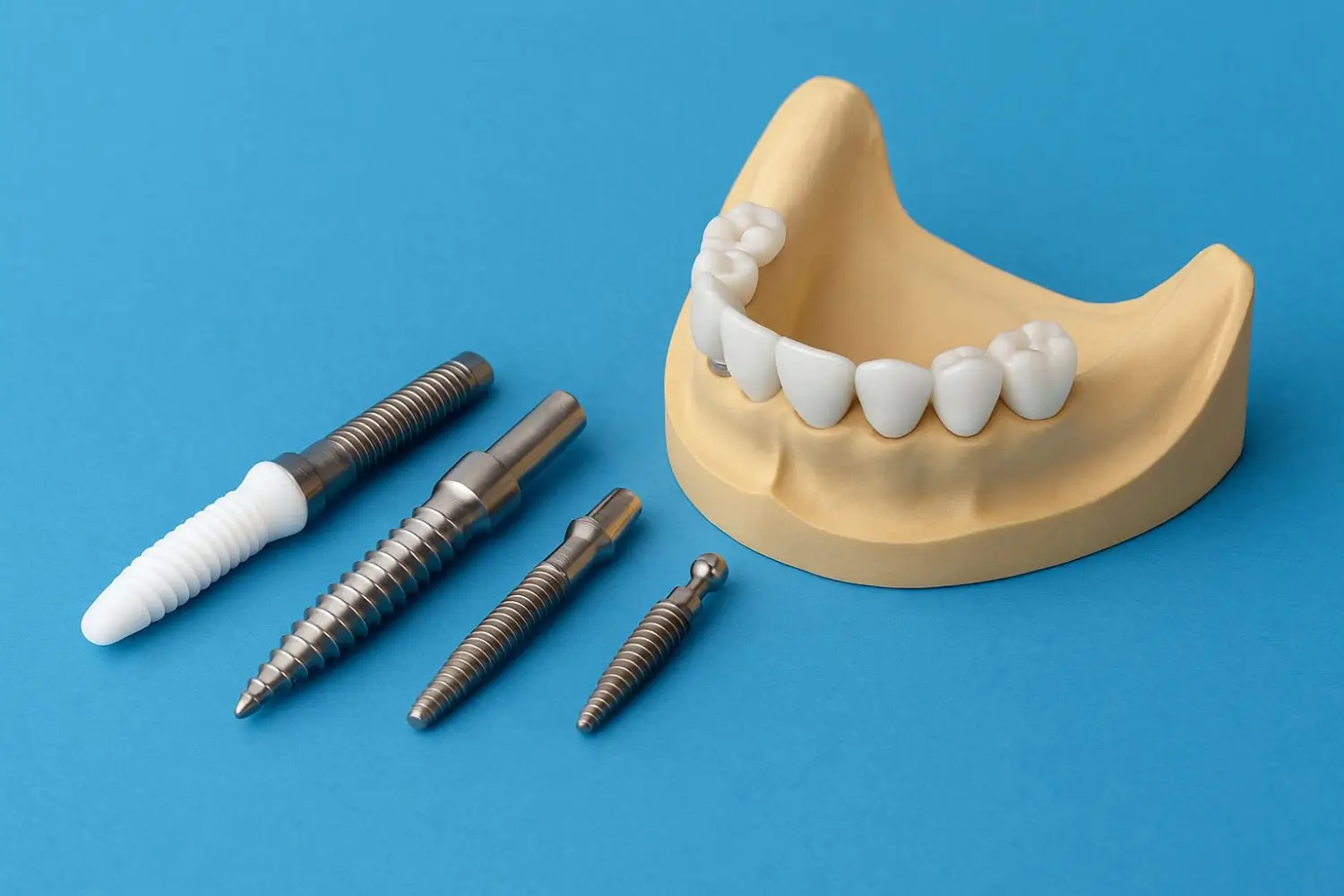
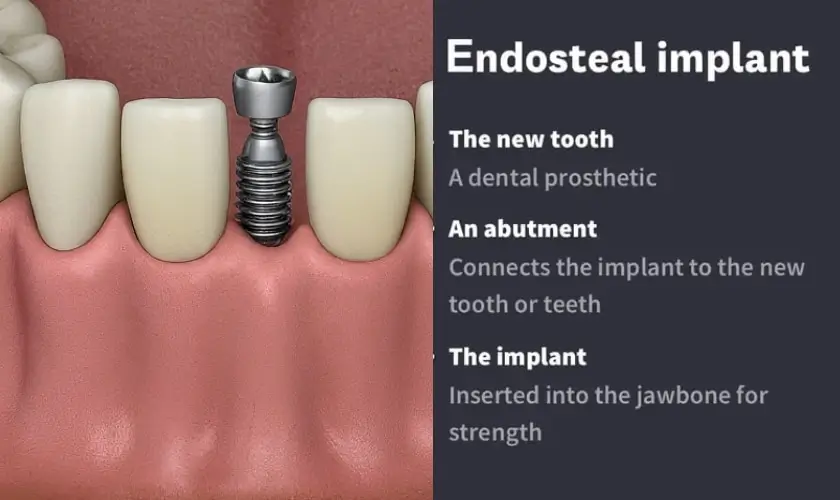
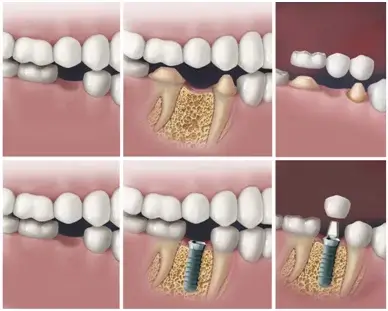
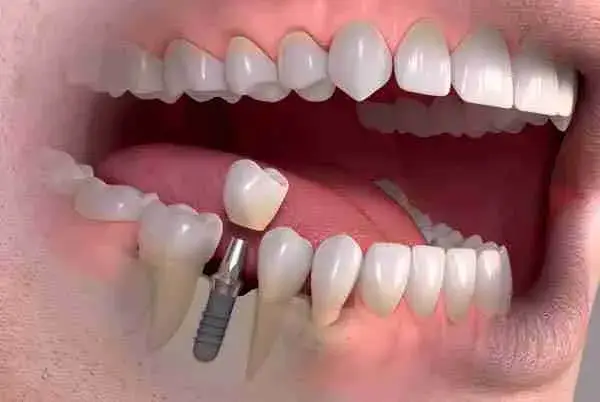
When you get a dental implant, the titanium post is placed into your jawbone to act as an artificial tooth root. Over several months, the bone grows around the implant and bonds with it naturally. This process—osseointegration—is what makes an implant strong enough to support a crown, bridge, or denture.
A fully integrated implant:
- Feels stable and secure in your mouth.
- Allows you to bite and chew without discomfort.
- Shows no signs of movement or loosening.
Think of it like building a house; the implant is your foundation, and it needs to be firmly set before adding the structure above.
---
### Signs Your Dental Implant May Be Fully Integrated
If you’ve had your implant placed, here are some positive indications that integration is going well:
1. **No Pain or Swelling**
In the early weeks, mild discomfort and swelling are common. As healing progresses, these symptoms should fade. A pain-free implant area is generally a good sign your body is accepting the implant.
2. **Firm and Stable Feel**
Your implant should not feel wobbly or move when touched. A stable implant means the bone has firmly anchored it. Many patients in Thailand describe this feeling as “just like my real tooth.”
3. **Healthy Gum Tissue Around the Implant**
Pink, firm gums around your implant site show that your mouth is healthy. If you notice the gums receding, turning red, or becoming swollen, it may need professional attention.
4. **Normal Biting Ability**
You should be able to chew a variety of foods—whether it’s sticky rice or spicy papaya salad—without feeling pressure or discomfort at the implant site.
---
### How Long Does Integration Take?
The timeline can vary, depending on individual health and bone density. For most people in Thailand, it takes between **3 to 6 months** for full osseointegration.
Factors that influence healing:
- *
*Bone quality:** Stronger jawbone typically speeds up integration.
- **Lifestyle choices:** Smoking or excessive alcohol can slow healing.
- **Oral hygiene:** Regular brushing, flossing, and rinsing with recommended mouthwash support gum health.
- **Health conditions:** Diabetes or other medical conditions can extend recovery time.
---
### When to See Your Dentist
Even if your implant seems fine, routine check-ups are key. Visit your dentist if you notice:
- Persistent pain after 2–3 weeks.
- Gum inflammation or bleeding around the implant.
- A loose or moving feeling in the implant.
- Difficulty chewing even soft foods.
Early intervention can often save an implant from failure.
---
### How Dentists Confirm Integration
Your dentist will typically assess integration through:
- **Visual examination:** Checking gum health and implant stability.
- **X-rays:** Ensuring the bone around the implant is dense and connected.
- **Mechanical testing:** Applying small controlled pressure to test firmness.
In Thailand’s dental clinics, this process is straightforward and non-invasive, often done during regular follow-up appointments.
---
### Caring for Your Dental Implant in the Long Term
Even after integration, an implant needs care similar to natural teeth. Here are some local-friendly tips for maintaining it:
- Brush twice daily with a soft toothbrush.
- Floss carefully around the implant to prevent plaque buildup.
- Use a dentist-recommended mouth rinse, especially if you enjoy sweet Thai desserts.
- Schedule professional cleaning every 6 months to keep gums healthy.
---
### Why Not Rush the Process?
It’s normal to want your new tooth fitted quickly, but rushing the integration stage can lead to problems. If the crown or bridge is placed before the implant is fully integrated, it could fail under biting pressure. Allowing your jawbone enough time to heal ensures your implant remains strong for years.
---
### Conclusion
Knowing the signs of a fully integrated dental implant is essential for a confident smile and long-lasting results. In Thailand, with access to skilled dentists and modern technology, dental implants can be an excellent investment in your oral health. Listen to your body, keep up with dental visits, and follow good hygiene habits—these steps will help ensure that your implant works just like a natural tooth.
A healthy, well-integrated implant not only restores your ability to eat and speak comfortably but also brings back the confidence to smile freely. Your patience during the healing process will most certainly pay off with a lifetime of benefits.